
If you have recently had, or are about to have, an emergency tooth extraction, you may be wondering how your lifestyle habits could affect your recovery. For smokers in particular, this is a genuinely important question — and one that many patients search for online after leaving the dental chair.
Emergency extractions are often carried out when a tooth is severely damaged, infected, or causing acute pain that cannot be managed by other means. Whilst the procedure itself is relatively straightforward when performed by a qualified dental professional, the healing process that follows is equally critical.
Smoking after a tooth extraction — even briefly — has been associated with a higher risk of post-operative complications. Understanding the reasons behind this connection can help patients make more informed decisions during their recovery and support better healing outcomes.
Experiencing these symptoms?
Delaying treatment can lead to tooth loss. We have slots available today.
This article explains the relationship between smoking and emergency tooth extraction complications, the dental science behind why smoking affects healing, and when it may be appropriate to seek further professional advice. You may also find this companion guide on what to eat after an emergency tooth extraction helpful during recovery.
Does Smoking Increase the Risk of Problems After an Emergency Extraction?
Yes, smoking can significantly increase the risk of complications following an emergency tooth extraction. The act of inhaling creates suction that may dislodge the blood clot in the socket, while tobacco chemicals impair blood flow and delay tissue healing. This raises the likelihood of conditions such as dry socket and post-operative infection. Patients are generally advised to avoid smoking during the recovery period.
Why Emergency Extractions Require Careful Aftercare
An emergency tooth extraction is typically performed when a tooth cannot be saved and is causing acute pain, swelling, or infection. Once the tooth is removed, the socket — the hollow space left in the jawbone — needs to form a protective blood clot. This clot acts as a natural dressing, shielding the underlying bone and nerve endings while new tissue begins to grow.
Meet Dr. Yasha Shirazi
Principal Dentist at Emergency Dentist London
"We treat hundreds of dental emergencies every month. The sooner you come in, the easier the fix usually is."
Book an appointment with our team →The healing process is not instantaneous. During the first 24 to 72 hours, the clot is at its most vulnerable. During this period, it is essential that patients follow post-operative instructions carefully to avoid disturbing the site.
Anything that creates negative oral pressure — such as drinking through a straw, spitting forcefully, or smoking — can dislodge this clot and interrupt the healing process. Beyond physical suction, the chemicals in tobacco smoke introduce additional biological factors that further complicate recovery.
If you require an emergency dental appointment in London, an assessment by a qualified dentist will help determine the most appropriate treatment approach for your situation. You can find out more about emergency tooth extractions and what the process typically involves.
The Dental Science: How Smoking Affects Oral Healing
To understand why smoking and tooth extraction are a problematic combination, it helps to look at what happens inside the socket after the procedure.
When a tooth is removed, blood vessels in the area begin to constrict and a clot forms. This clot is rich in platelets and growth factors that signal the body to begin tissue regeneration. Over several days, the clot is gradually replaced by granulation tissue and, eventually, new bone.
Smoking interferes with this process in multiple ways:
- Vasoconstriction: Nicotine causes blood vessels to narrow, reducing the supply of oxygen and nutrients to healing tissue.
- Reduced immune response: Tobacco chemicals suppress the activity of white blood cells that protect the socket from bacterial infection.
- Carbon monoxide: This gas, present in cigarette smoke, further reduces oxygen availability in the bloodstream, slowing cellular repair.
- Suction effect: The physical act of inhaling can dislodge the blood clot before it has had sufficient time to stabilise.
Each of these factors individually can slow recovery. Combined, they create conditions where complications become considerably more likely.
What Is Dry Socket and Why Does Smoking Raise the Risk?
Dry socket — clinically known as alveolar osteitis — is one of the most commonly discussed complications following a tooth extraction. It occurs when the blood clot either fails to form properly or is prematurely dislodged, leaving the bone and nerve tissue inside the socket exposed to air, food particles, and bacteria.
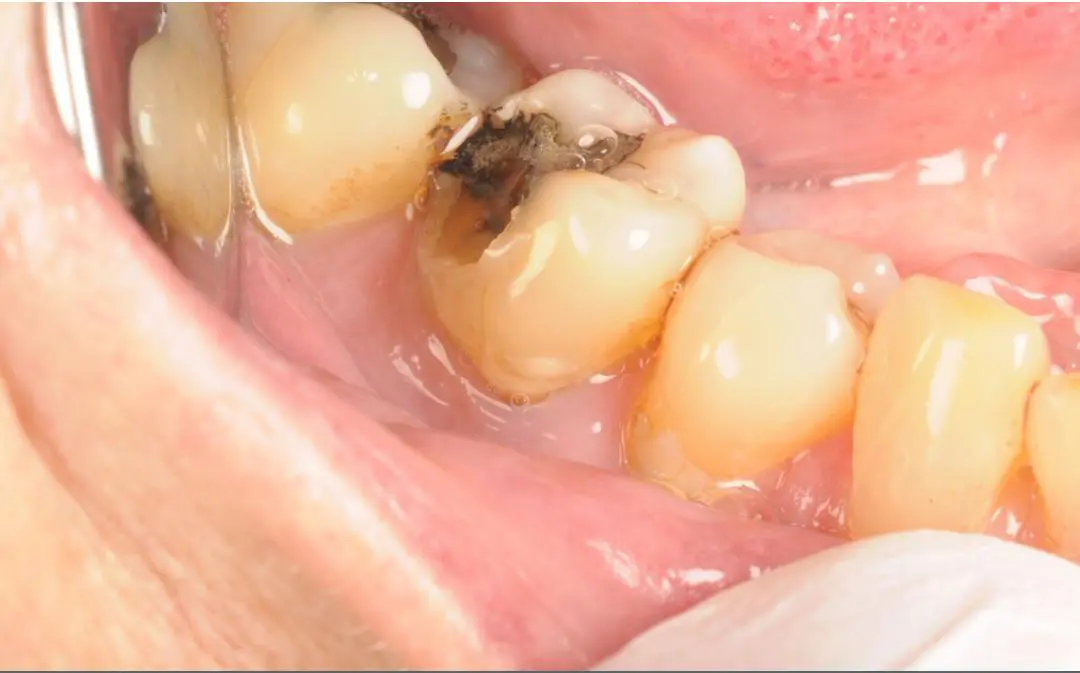
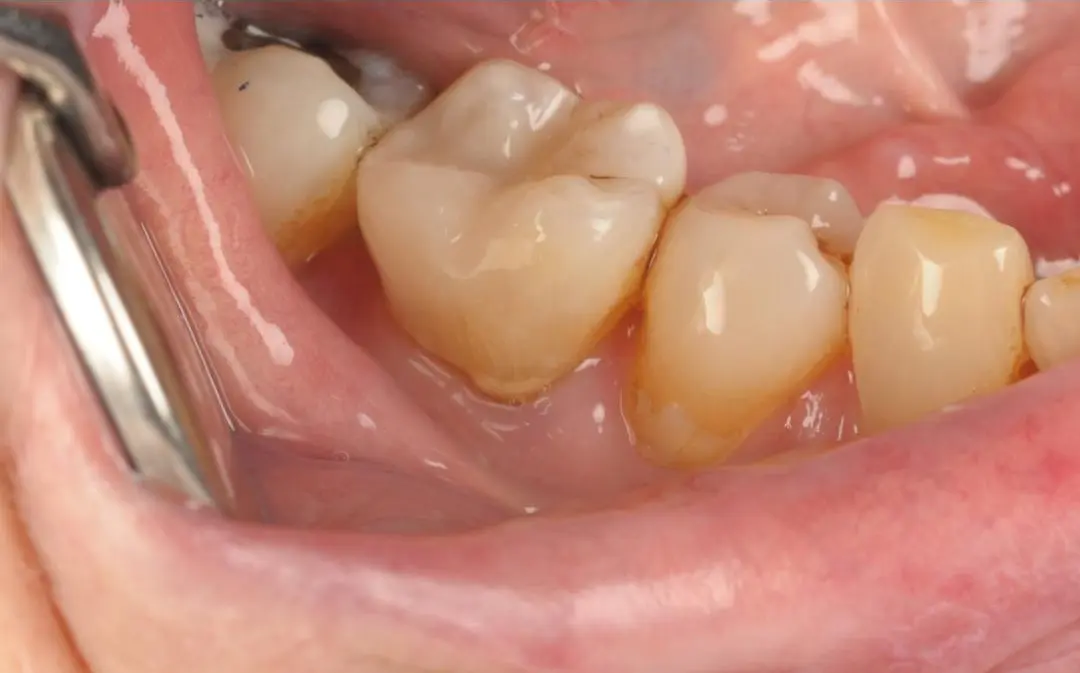
Real Patient Result: Emergency White Filling
Treatment by Dr Kamran
Symptoms of dry socket may include:
- A dull, aching, or throbbing pain that develops two to four days after the extraction
- Pain that radiates towards the ear, jaw, or temple
- An unpleasant taste or smell in the mouth
- A visible empty-looking socket where the clot should be
Research consistently indicates that smokers face a considerably higher risk of developing dry socket compared to non-smokers. The combination of suction, reduced blood flow, and chemical exposure makes the healing environment inside the socket far less stable.
Patients often confuse dry socket with routine healing discomfort, so this guide on how long pain usually lasts after an emergency extraction can help clarify what is expected.
If you experience worsening pain in the days following an emergency extraction, it is advisable to contact a dental professional promptly. Early management of dry socket typically involves gentle cleaning and a medicated dressing applied to the socket.
Other Post-Extraction Complications Linked to Smoking
Beyond dry socket, smoking after an emergency extraction may also contribute to:
Increased infection risk: The suppression of local immune defences means bacteria are less effectively managed in and around the extraction site. Post-operative infections can cause swelling, discharge, fever, and persistent discomfort.
Delayed healing: Even in cases where dry socket does not develop, smokers may find that their gum tissue takes longer to close over the socket. This extended healing window increases exposure to potential irritants.
Poor long-term bone recovery: The jawbone surrounding the extraction site also requires adequate blood supply to remodel effectively. Prolonged smoking may affect this process, which is a consideration for patients who may later wish to explore options such as dental implants as a tooth replacement solution.
When to Seek Further Professional Assessment
Whilst some mild discomfort and swelling are expected in the first day or two after an extraction, certain symptoms suggest that a dental review may be necessary:
- Pain that is worsening rather than improving after the second or third day
- Swelling that is spreading to the cheek, neck, or jaw
- A persistent bad taste or smell from the extraction site
- Fever or feeling generally unwell
- Visible exposure of bone in the socket
These symptoms do not necessarily indicate a serious problem, but they do warrant prompt evaluation. A dental professional can examine the site and recommend appropriate management where needed.
Dental symptoms and treatment options should always be assessed individually during a clinical examination.
Practical Advice: Supporting a Healthy Recovery After Extraction
Whilst avoiding smoking entirely during the recovery period is widely regarded as the most beneficial step a patient can take, there are several additional measures that may support healing:
- Follow aftercare instructions carefully: Your dental team will provide specific guidance for the first 24 hours.
- Avoid alcohol: Like smoking, alcohol can interfere with clot stability and immune function.
- Eat soft foods: Avoid hard, crunchy, or chewy foods that might disturb the socket.
- Keep the area clean: Gently rinse with warm salt water from 24 hours after the procedure, as directed.
- Stay hydrated: Drink plenty of water, but avoid using straws.
- Consider smoking cessation support: If you are looking for support to reduce or stop smoking, your GP or pharmacist can discuss available options with you.
Patients who smoke are encouraged to speak openly with their dental team before and after extraction. Clinicians can provide non-judgmental guidance tailored to individual circumstances. Learning more about what to do if bleeding continues after a tooth extraction can also help patients feel better prepared.
Key Points to Remember
- Smoking after an emergency tooth extraction raises the risk of complications, including dry socket and infection.
- The suction created when inhaling can dislodge the protective blood clot from the socket.
- Nicotine and other tobacco chemicals restrict blood flow and suppress the immune response, both of which are essential to healing.
- Dry socket is significantly more common in smokers and can cause considerable discomfort if left unmanaged.
- Refraining from smoking during the recovery period — ideally for at least 72 hours, though longer is advisable — may meaningfully reduce the risk of post-operative problems.
- If symptoms worsen after extraction, early professional assessment is recommended.
Frequently Asked Questions
How long should I avoid smoking after an emergency tooth extraction?
Most dental professionals recommend avoiding smoking for a minimum of 72 hours after an extraction, though many advise refraining for considerably longer — often up to a week or more. The first 24 to 48 hours carry the highest risk, as this is when the blood clot is at its most fragile. The longer smoking is avoided, the more opportunity the socket has to establish stable early healing. Individual recovery timescales vary, and your dental team can offer personalised guidance based on your specific situation.
Can I use nicotine patches instead of smoking after my extraction?
Nicotine replacement products such as patches or gum avoid the physical suction associated with smoking, which helps protect the blood clot mechanically. However, nicotine itself still causes vasoconstriction and can impair circulation to the healing site. Nicotine patches are generally considered a preferable option to smoking in the immediate post-extraction period, though patients should discuss their use with their dentist or GP. No nicotine replacement method has been shown to fully eliminate healing risks associated with nicotine exposure.
What does dry socket feel like, and how is it treated?
Dry socket typically presents as a worsening, throbbing pain that begins two to four days after an extraction — sometimes accompanied by an unpleasant taste or odour. It may feel distinctly different from the initial post-extraction discomfort, as the sensation is often more intense and persistent. Treatment usually involves gentle irrigation of the socket and placement of a medicated dressing by a dental professional. The dressing helps soothe the exposed nerve tissue and supports the healing environment. Dressings may need to be changed on more than one occasion.
Does smoking e-cigarettes (vaping) carry the same risks after extraction?
Vaping also involves inhaling and creating suction within the mouth, which carries a similar mechanical risk of clot disruption to traditional cigarettes. Whilst e-cigarettes do not produce carbon monoxide, they do contain nicotine in most cases, which can restrict blood flow. The long-term oral health effects of vaping are still being researched, and current clinical guidance generally recommends avoiding vaping during the post-extraction healing period for the same reasons as conventional cigarette avoidance.
Is infection after extraction always related to smoking?
No. Post-extraction infections can occur in non-smokers as well, and are influenced by a range of factors including pre-existing infection at the time of extraction, oral hygiene practices, and systemic health conditions. However, smoking does increase vulnerability by suppressing local immune defences in the mouth. Patients with any signs of infection — such as swelling, pus, fever, or escalating pain — should contact a dental professional promptly regardless of their smoking history.
How can I tell if my socket is healing normally?
Normal healing involves a gradual reduction in pain and swelling over the first few days. The socket may appear dark or slightly discoloured initially due to the presence of the blood clot, which is entirely expected. By the end of the first week, gum tissue should begin to close over the socket. Signs that healing may not be progressing as expected include worsening pain after the second or third day, visible bone, persistent bleeding, or a foul smell. If you are unsure whether your recovery is on track, contacting your dental team for reassurance is always a sensible step.
Conclusion
The connection between smoking and increased risk of complications after an emergency tooth extraction is well-established and clinically significant. From the physical disruption caused by suction to the chemical effects of nicotine and other tobacco constituents, smoking creates a less favourable healing environment inside the socket.
Conditions such as dry socket, post-operative infection, and delayed tissue repair are all more commonly reported among patients who smoke following an extraction. For those who have undergone — or are preparing for — an emergency tooth extraction, understanding these risks empowers better decision-making during the recovery period.
Whenever possible, avoiding smoking in the days immediately following an extraction is one of the most effective steps a patient can take to support uncomplicated healing. If you experience worsening symptoms at any point during recovery, seeking a professional dental assessment promptly is always the right course of action.
Dental symptoms and treatment options should always be assessed individually during a clinical examination.
Disclaimer: This article is intended for general educational purposes only and does not constitute personalised dental advice. Individual diagnosis and treatment recommendations require a clinical examination by a qualified dental professional.
Next Review Due: 04 November 2027