
Experiencing sudden, severe tooth pain can be an unsettling experience — and one of the first instincts for many people is to search online for answers. If a dentist has advised that you may need an urgent tooth removal, or if you are managing acute dental pain and trying to understand what the next steps might involve, you are certainly not alone.
An emergency tooth extraction is one of the most commonly performed urgent dental procedures. Understanding what the process involves — from the initial assessment through to aftercare — can help ease anxiety and support informed decision-making.
This article aims to explain what typically happens during an emergency tooth extraction, why it may sometimes be the most appropriate clinical option, what you can expect on the day, and how to care for yourself afterwards. Knowing what to anticipate can make a significant difference to how you approach an urgent dental appointment.
Experiencing these symptoms?
Delaying treatment can lead to tooth loss. We have slots available today.
What Is an Emergency Tooth Extraction?
An emergency tooth extraction involves the urgent removal of a tooth that is causing significant pain, infection, structural damage, or risk to surrounding teeth or tissues. The procedure is carried out under local anaesthesia to minimise discomfort. A dental assessment is always required first to determine whether extraction is the most appropriate course of action for your specific situation.
Why Might an Emergency Extraction Be Necessary?
There are several clinical reasons why a dentist may recommend an emergency tooth extraction, though suitability always depends on an individual clinical assessment.
Common reasons that may lead to this recommendation include:
Meet Dr. Yasha Shirazi
Principal Dentist at Emergency Dentist London
"We treat hundreds of dental emergencies every month. The sooner you come in, the easier the fix usually is."
Book an appointment with our team →- Severe dental infection or abscess — When infection has advanced significantly, it may not be manageable with antibiotics or root canal treatment alone.
- Irreparable tooth damage — A tooth that has fractured below the gum line, or one that has sustained significant structural trauma, may be unable to be restored.
- Advanced periodontal (gum) disease — Extensive bone and tissue loss can compromise the stability of a tooth to the point where it is no longer viable.
- Impacted wisdom teeth — Partially erupted or impacted wisdom teeth can cause significant pain and infection, which may require emergency wisdom tooth assessment and management.
- Crowding before orthodontic treatment — In some planned cases, extractions may be required, though these are rarely classified as true emergencies.
Understanding why an extraction may be necessary helps patients make informed decisions when they are already under significant discomfort.
What Happens During the Clinical Assessment?
Before any emergency extraction takes place, a thorough clinical examination is essential. A dentist will assess the affected tooth, surrounding gum tissue, and may take dental X-rays to evaluate bone levels and the tooth's root structure.
During this stage, the dental team will:
- Review your medical history and any current medications
- Discuss the clinical findings with you clearly
- Explain the available treatment options
- Outline what the extraction process will involve
- Address any questions or concerns you may have
This assessment phase is important because it ensures that extraction is the most clinically appropriate choice. In some cases, alternatives such as root canal treatment or antibiotics may be considered. Treatment recommendations are always based on individual clinical findings.
If you are experiencing ongoing dental pain, seeking a prompt emergency dental assessment in London can help determine the most suitable course of action.
What Happens on the Day of the Extraction?
Once extraction has been confirmed as the appropriate treatment, the procedure itself typically follows a structured and careful process.
1. Local Anaesthesia Administration
The area around the tooth will be numbed using a local anaesthetic injection. Most patients report feeling pressure during the procedure rather than pain. If you are feeling anxious, do let your dental team know — they are experienced in supporting nervous patients.
2. Loosening the Tooth
The dentist will use instruments called elevators to gently loosen the tooth within its socket. This process helps to widen the socket slightly before removal.
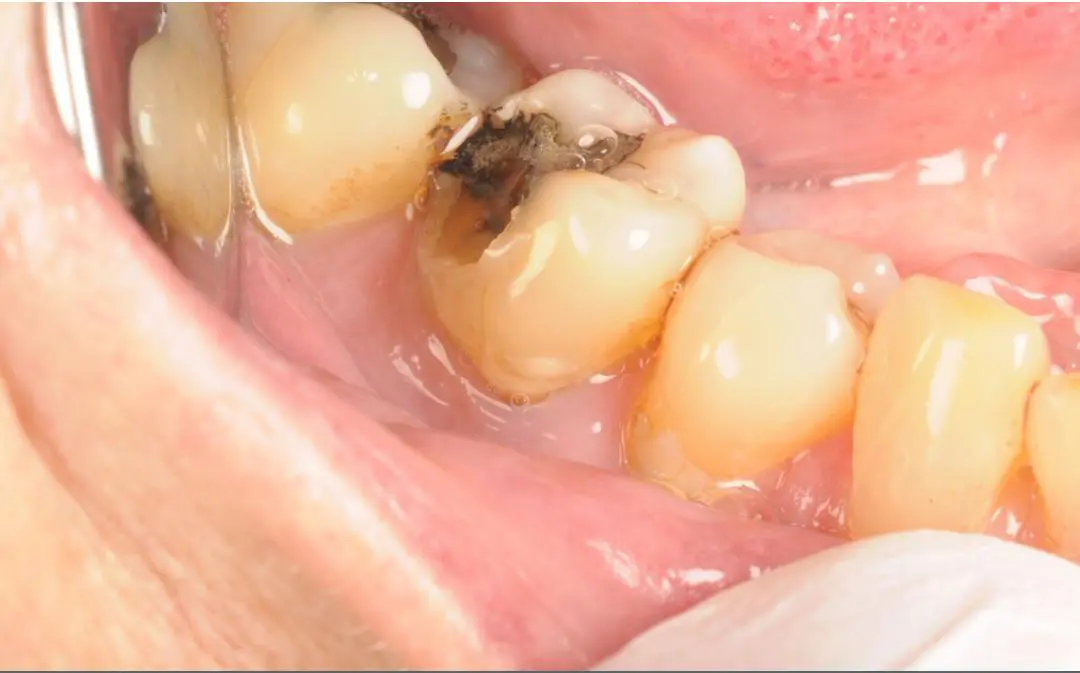
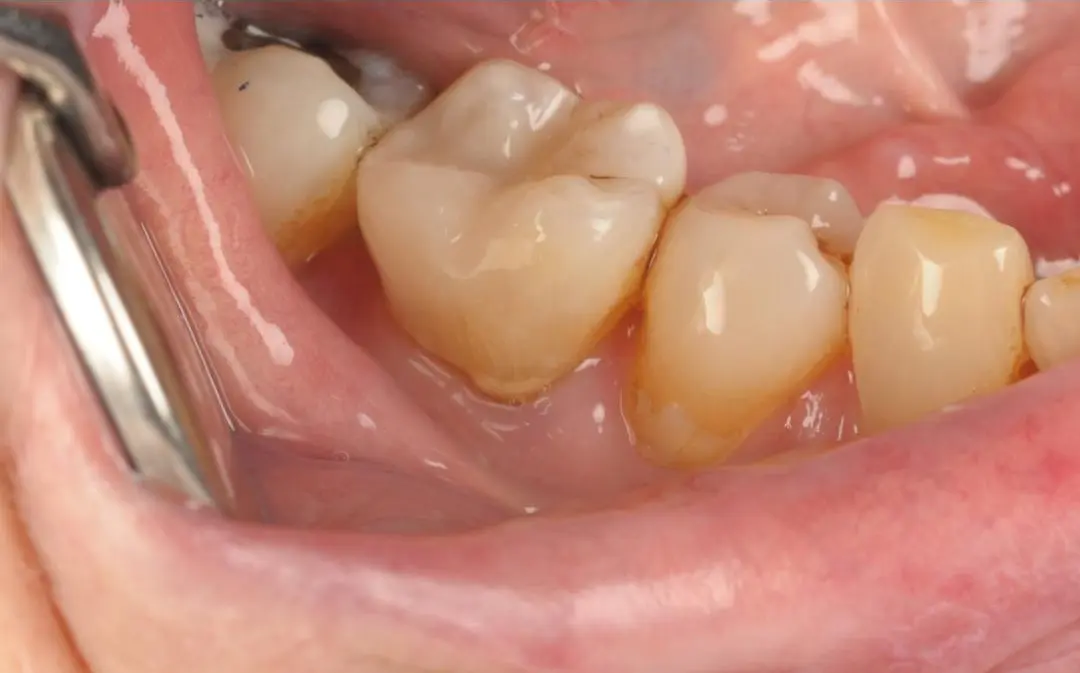
Real Patient Result: Emergency White Filling
Treatment by Dr Kamran
3. Removal of the Tooth
Using dental forceps, the tooth is carefully removed. In some cases — particularly with impacted teeth or those with complex root structures — a surgical approach may be required, which involves a small incision in the gum.
4. Managing the Extraction Site
Once the tooth has been removed, the area will be cleaned and gauze applied to encourage clot formation. Stitches may sometimes be placed.
The entire procedure usually takes between 20 and 45 minutes, depending on the complexity of the case.
The Dental Science Behind Tooth Extraction
To understand why an extraction is sometimes the most appropriate solution, it helps to consider basic tooth anatomy. Each tooth is anchored within the jawbone by its root — or in the case of molars, multiple roots — held in place by periodontal ligament fibres.
When infection reaches the root tip (a condition known as periapical periodontitis), bacteria can spread to surrounding bone tissue. If this infection cannot be adequately treated or drained, the structural integrity of the tooth and the health of surrounding tissues may be compromised.
Similarly, when a tooth fractures at or below the gum line, there is often insufficient remaining structure for a crown or restoration to bond to reliably. In these situations, extraction may be considered the safest long-term option to protect overall oral health.
When Should You Seek Urgent Dental Assessment?
Some dental situations benefit from prompt professional evaluation. Consider contacting an emergency dentist if you are experiencing any of the following:
- Persistent or severe toothache that does not respond to over-the-counter pain relief
- Visible swelling of the jaw, face, or gums
- A tooth that feels significantly loose in an adult
- Sensitivity combined with a bad taste or unpleasant smell suggesting possible infection
- Difficulty opening your mouth or swallowing alongside dental pain
These symptoms do not automatically mean extraction is required — but they do indicate that a professional dental evaluation may be beneficial. An emergency dentist in London can assess your symptoms and advise on the most appropriate course of treatment.
Aftercare: Supporting Your Recovery
Following an emergency tooth extraction, the aftercare period is an important part of the healing process. Your dental team will provide specific post-operative instructions tailored to your case. General guidance often includes:
- Biting gently on gauze for around 30–45 minutes after the procedure to support clot formation
- Avoiding hot food and drinks for the first few hours
- Not smoking or drinking alcohol in the 24 hours following extraction, as these can interfere with healing
- Eating soft foods and avoiding chewing on the extraction site
- Maintaining gentle oral hygiene around the area, following any specific instructions given
- Avoiding vigorous rinsing for the first 24 hours to protect the blood clot
Mild soreness and some swelling in the first 48–72 hours is a normal part of the healing response. If pain significantly worsens after the first 48 hours, or if you notice signs of infection such as increasing swelling, it is advisable to contact your dental practice.
Prevention and Oral Health Considerations
While not all dental emergencies can be prevented, maintaining consistent oral health habits can significantly reduce the likelihood of reaching the point where urgent extraction becomes necessary.
Practical steps that support long-term dental health include:
- Brushing twice daily with a fluoride toothpaste
- Cleaning between teeth daily using floss or interdental brushes
- Attending regular dental check-ups (typically every six to twelve months, depending on clinical advice)
- Addressing dental concerns early — small cavities and minor gum changes are far simpler to treat than advanced infection
- Wearing a custom mouthguard if you play contact sports
- Reducing consumption of sugary foods and drinks
Attending regular dental appointments provides an opportunity to identify potential concerns before they develop into more significant — and often more uncomfortable — problems.
Key Points to Remember
- An emergency tooth extraction is a clinically guided procedure — always preceded by a thorough assessment
- Local anaesthesia is used to manage discomfort during the procedure
- Extraction is not always the first option; alternatives are always considered where clinically appropriate
- Recovery is supported by following post-operative aftercare instructions carefully
- Regular dental check-ups and good daily oral hygiene remain the most effective tools for preventing dental emergencies
- Always seek professional dental assessment if you are experiencing persistent or worsening dental symptoms
Frequently Asked Questions
Is an emergency tooth extraction painful?
The procedure is carried out under local anaesthesia, meaning the area around the tooth is numbed before the extraction begins. Most patients report feeling pressure or movement rather than sharp pain during the procedure itself. Some tenderness in the days following the extraction is normal and typically manageable with appropriate pain relief as recommended by your dental team.
How long does recovery take after an emergency tooth extraction?
Recovery timelines vary depending on the complexity of the extraction and individual healing responses. For straightforward cases, initial healing of the gum tissue often occurs within one to two weeks. More complex extractions, such as surgical removal of impacted wisdom teeth, may involve a longer recovery period. Your dentist will provide guidance specific to your situation.
Can an emergency tooth extraction be avoided?
In some cases, early intervention — such as root canal treatment or antibiotic therapy — may preserve a tooth that might otherwise require extraction. However, suitability for alternative treatments depends entirely on clinical assessment. The longer dental problems are left unaddressed, the more limited the available options may become, which is why early professional evaluation is always encouraged.
What should I avoid after an emergency extraction?
In the immediate period following extraction, it is generally advisable to avoid smoking, alcohol, hot foods and drinks, vigorous rinsing, and strenuous physical exercise. These activities can disrupt the healing blood clot and delay recovery. Your dental team will provide you with personalised aftercare instructions.
Is swelling normal after a tooth extraction?
A degree of swelling in the cheek or jaw area in the first 24–48 hours is a normal part of the healing response. Applying a cold compress to the outside of the face in the initial hours may help manage this. However, if swelling worsens considerably after 48 hours, or is accompanied by increasing pain or fever, it is advisable to contact your dental practice promptly.
Can I eat normally after an emergency tooth extraction?
In the first 24–48 hours following extraction, soft foods that require minimal chewing — such as soup, yoghurt, or mashed potato — are usually recommended. Avoid chewing directly on the extraction site, and steer clear of hard, crunchy, or very hot foods during the early healing period. Your dental team will advise you on when it is appropriate to return to a normal diet.
Conclusion
An emergency tooth extraction, while not the outcome anyone hopes for, is a well-established dental procedure carried out to protect your overall oral health when a tooth can no longer be preserved. Understanding what to expect — from the initial assessment and procedure through to aftercare — can help reduce anxiety and support a smoother experience.
If you are experiencing persistent dental pain, swelling, or other concerning symptoms, early professional evaluation is always the most appropriate course of action. The sooner a dental concern is assessed, the greater the range of treatment options that may be available.
Dental symptoms and treatment options should always be assessed individually during a clinical examination.
If you have concerns about a dental emergency in London, contact a qualified dental professional who can assess your symptoms and advise on the most appropriate course of care for your individual situation.
Disclaimer: This article is intended for general educational purposes only and does not constitute personalised dental advice. Individual diagnosis and treatment recommendations require a clinical examination by a qualified dental professional.
Next Review Due: 02 November 2027
Disclaimer
This article is for general educational purposes only and does not constitute dental advice, diagnosis, or treatment. Every patient is different, so symptoms and treatment options should be assessed by a qualified dental professional during a clinical examination. No specific outcomes are guaranteed.