
One of the most common questions patients ask after leaving the dental chair is a simple but important one: can I eat normally after an emergency tooth extraction? It is a natural concern, particularly when the procedure has been unplanned and patients may feel uncertain about what comes next.
Emergency tooth extractions are performed when a tooth cannot be saved and requires urgent removal — often due to severe infection, significant decay, trauma, or a cracked tooth that is causing acute pain. After such a procedure, the mouth needs time to heal, and what you eat during this period plays a meaningful role in your recovery.
Understanding the post-extraction healing process, including which foods are safe and which should be avoided, can help reduce discomfort, minimise the risk of complications, and support a smoother recovery. This article provides clear, educational guidance to help patients in London feel informed and prepared following an emergency extraction.
Experiencing these symptoms?
Delaying treatment can lead to tooth loss. We have slots available today.
Can You Eat Normally After an Emergency Tooth Extraction?
No — eating normally immediately after an emergency tooth extraction is not advisable. Following an extraction, the socket requires time to heal and form a protective blood clot. Patients are generally advised to begin with soft foods and liquids, gradually reintroducing a normal diet over several days as healing progresses and comfort improves.
What Happens to Your Mouth After an Emergency Extraction?
When a tooth is removed, the surrounding bone and gum tissue are left with an open socket. The body responds by forming a blood clot, which acts as the foundation for new tissue growth and plays a critical protective role in the healing process.
Disturbing this clot — whether through certain foods, drinking through a straw, or vigorous rinsing — can lead to a condition known as dry socket (alveolar osteitis), where the clot is dislodged and the bone beneath becomes exposed. This can cause considerable discomfort and may require a follow-up dental appointment.
Meet Dr. Yasha Shirazi
Principal Dentist at Emergency Dentist London
"We treat hundreds of dental emergencies every month. The sooner you come in, the easier the fix usually is."
Book an appointment with our team →Swelling, mild tenderness, and sensitivity in the area are all common and expected in the days following an extraction. These symptoms generally settle with time, rest, and appropriate care. It is important to follow any post-operative instructions provided by your dental professional, as these are tailored to your individual situation. If you have concerns about emergency dental treatment and what to expect, speaking with a qualified dentist is always the best first step.
What to Eat in the First 24 Hours After an Extraction
The first 24 hours following an emergency tooth extraction are the most sensitive period of your recovery. During this time, the blood clot is forming and the socket is at its most vulnerable.
Recommended foods during the first 24 hours include:
- Cold or lukewarm soups and broths
- Yoghurt and smooth fromage frais
- Ice cream or cold soft desserts (which may also help reduce swelling)
- Mashed potato or mashed banana
- Smoothies (consumed with a spoon, not a straw)
- Soft scrambled eggs
Foods and drinks to avoid:
- Hot food and beverages, which can dissolve the blood clot
- Crunchy, hard, or chewy foods such as crisps, crusty bread, or tough meat
- Alcohol, which can interfere with healing and certain medications
- Drinks consumed through a straw, as the suction can dislodge the clot
- Spicy foods that may irritate the socket
If you smoke, this article on smoking risks after emergency extraction explains why avoiding cigarettes is especially important during this phase.
Keeping food intake gentle and cool during this period supports healthy initial healing.
Days Two to Seven: Gradually Reintroducing Foods
After the first 24 hours, most patients find that swelling begins to ease and comfort improves incrementally. During this phase, a soft-food diet remains appropriate, though the range of options broadens.
Suitable foods during days two to seven:
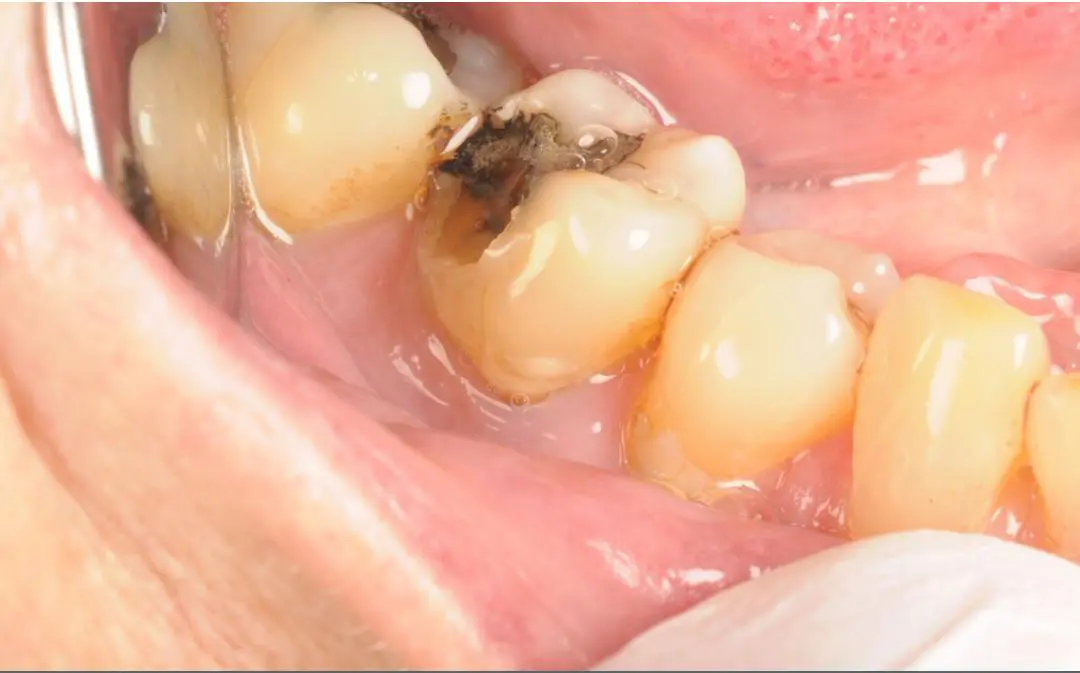
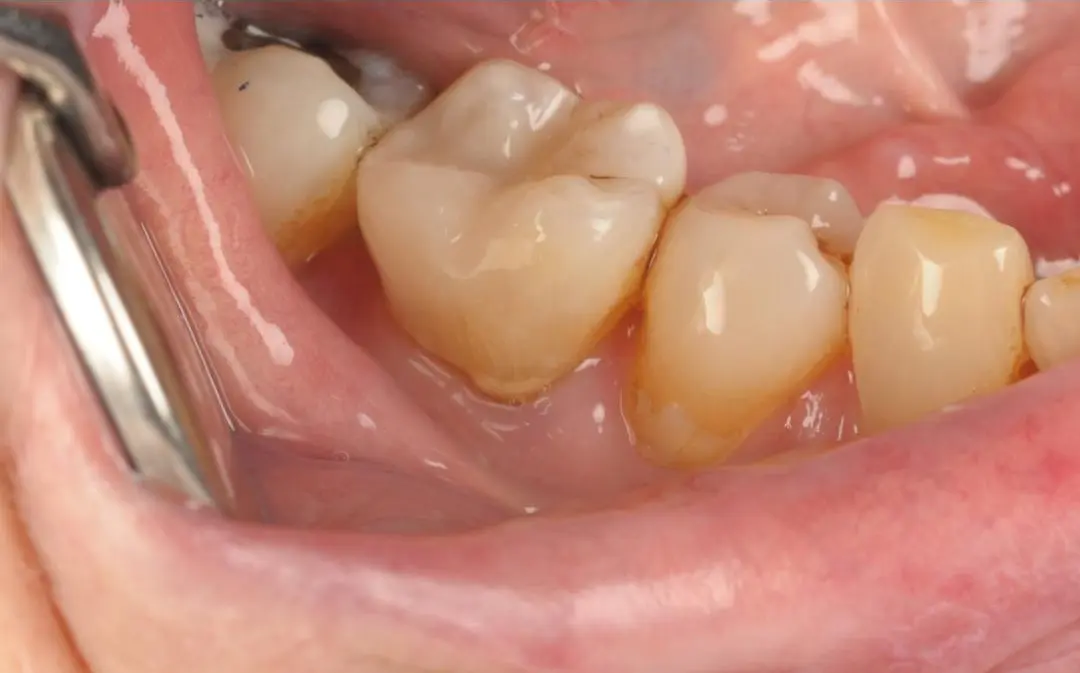
Real Patient Result: Emergency White Filling
Treatment by Dr Kamran
- Pasta and soft-cooked rice
- Soft fish such as salmon or poached white fish
- Lentil soup or smooth dahl
- Soft-cooked vegetables
- Porridge or overnight oats
- Avocado and soft cheeses
It is advisable to chew on the opposite side of the mouth to the extraction site where possible, and to rinse gently with warm salt water from 24 hours post-extraction onwards, as directed by your dentist. This can help keep the area clean without disturbing the healing tissue.
Most patients are able to begin reintroducing more textured foods by days five to seven, though this varies based on individual healing rates and the complexity of the extraction. If you experienced a tooth abscess or dental infection prior to extraction, your recovery timeline may differ and your dentist will provide specific guidance.
The Clinical Science Behind Post-Extraction Healing
Understanding what is happening beneath the surface can help patients appreciate why dietary care matters after a tooth extraction.
After removal, the socket undergoes a structured healing process:
- Haemostasis (0–24 hours): A blood clot forms to protect the exposed bone and nerve endings.
- Inflammatory phase (days 1–3): White blood cells begin clearing bacteria and debris. Swelling and mild discomfort are typical.
- Proliferative phase (days 4–14): New granulation tissue begins forming, gradually replacing the clot.
- Remodelling phase (weeks 2–6+): Bone and gum tissue continue to mature and close the socket fully.
Each stage requires a stable environment to progress. Hard or disruptive foods can interfere with early-stage healing, while inadequate nutrition can slow tissue repair. This is why a thoughtful approach to eating after an emergency tooth extraction is not merely about comfort — it supports the biological process of recovery.
When to Seek Further Dental Advice
While some discomfort and swelling are expected after an extraction, there are situations where it is appropriate to contact your dental practice for further assessment.
Consider seeking advice if you experience:
- Pain that worsens significantly after the third day rather than improving
- A persistent unpleasant taste or odour in the mouth
- Visible empty socket with exposed bone or no visible clot
- Excessive bleeding that does not settle within an hour of biting on gauze
- Swelling that appears to be spreading to the jaw, neck, or face
- Difficulty swallowing or opening the mouth
If your main concern is pain progression rather than diet, this guide on how long pain usually lasts after an emergency extraction provides a helpful symptom timeline.
These signs do not necessarily indicate a serious problem, but a dental professional can assess the area and advise on appropriate care. If you are concerned about symptoms following an emergency tooth extraction in London, seeking a timely review is always a sensible course of action.
Oral Health and Prevention: Reducing the Risk of Future Extractions
An emergency extraction is often the result of a dental problem that has developed over time. Understanding the contributing factors can help patients take steps to protect their remaining teeth.
Practical preventative advice includes:
- Attending routine dental check-ups every six to twelve months (as advised by your dentist)
- Brushing twice daily with a fluoride toothpaste for at least two minutes
- Cleaning between teeth daily using floss, interdental brushes, or water flossers
- Limiting sugary foods and acidic drinks, which contribute to enamel erosion and decay
- Not ignoring dental discomfort — early treatment often prevents the need for extraction
- Wearing a mouthguard during contact sports to protect against dental trauma
Preventative dentistry is always preferable to emergency intervention. Early attention to symptoms such as persistent toothache, sensitivity, or visible damage gives patients the best chance of preserving their natural teeth.
Key Points to Remember
- Eating normally immediately after an emergency tooth extraction is not recommended — the healing socket requires protection.
- Soft, lukewarm, or cool foods are safest during the first 24 to 48 hours following an extraction.
- Avoid straws, hot drinks, alcohol, and hard foods during the initial healing period to protect the blood clot.
- Most patients can gradually return to a normal diet within five to seven days, depending on individual healing.
- Worsening pain after day three, spreading swelling, or signs of infection warrant prompt dental assessment.
- Regular dental check-ups and good oral hygiene remain the best way to reduce the likelihood of emergency extractions in future.
Frequently Asked Questions
How long after a tooth extraction can I eat solid food?
Most patients can begin introducing soft solid foods such as well-cooked pasta, soft fish, and mashed vegetables around 48 to 72 hours after extraction. A return to a full, normal diet is typically possible from around five to seven days, though this depends on individual healing and the complexity of the procedure. Your dental team will provide tailored guidance based on your specific case. If discomfort persists beyond this timeframe, it is advisable to seek a follow-up assessment.
Is it safe to drink tea or coffee after an emergency extraction?
Hot beverages such as tea or coffee should be avoided for at least the first 24 hours following an extraction. Heat can dissolve or dislodge the blood clot forming in the socket, increasing the risk of dry socket. If you wish to drink tea or coffee, allowing it to cool to a lukewarm or room temperature before drinking is a more cautious approach. As always, follow the specific post-operative instructions provided by your dental professional.
What is dry socket and how can eating habits cause it?
Dry socket (alveolar osteitis) occurs when the blood clot that forms in the extraction site becomes dislodged or dissolves prematurely, leaving bone and nerve tissue exposed. This can be quite uncomfortable and typically causes a dull, aching pain that radiates toward the ear or jaw. Eating hard, crunchy, or chewy foods too soon after an extraction, or using a straw, can contribute to clot disruption. If dry socket is suspected, a dentist can apply a medicated dressing to support healing and ease discomfort.
Can I brush my teeth after a tooth extraction?
Yes, oral hygiene should continue after an extraction, but with care. For the first 24 hours, avoid brushing directly over the extraction site. After this period, gentle brushing around the area can resume. Gentle warm salt water rinses (half a teaspoon of salt in a glass of warm water) can help keep the socket clean from 24 hours post-extraction. Avoid vigorous rinsing or spitting during the early healing phase, as this can disrupt clot formation.
When should I be concerned about pain after a tooth extraction?
Some degree of tenderness and aching is normal following a tooth extraction and typically peaks within the first 48 hours before gradually improving. If pain appears to worsen after the third day, fails to respond to over-the-counter pain relief, or is accompanied by swelling, a bad taste, or visible bone in the socket, this may suggest dry socket or another complication. In such cases, contacting your dental practice for an assessment is advisable. Early review can help address the issue promptly and comfortably.
Is it normal to feel swelling or stiffness in the jaw after an extraction?
Mild swelling of the gum and face near the extraction site, as well as some stiffness when opening the mouth, is a common and expected part of the body's healing response. Applying a cold compress to the outside of the face in the first few hours can help reduce swelling. Most swelling begins to settle within two to three days. If swelling appears to spread, increases significantly after three days, or is accompanied by difficulty swallowing or breathing, seek dental or medical advice promptly.
Conclusion
Recovering well after an emergency tooth extraction involves more than simply resting — what you eat during the healing period makes a meaningful difference to your comfort and recovery. By beginning with soft, cool foods, avoiding anything that could disturb the extraction site, and gradually reintroducing a normal diet over several days, most patients experience a smooth and straightforward recovery.
Dental symptoms and treatment options should always be assessed individually during a clinical examination. If you have any concerns about your recovery following an emergency tooth extraction, or would like professional guidance tailored to your situation, speaking with a qualified dental professional is always the most appropriate course of action.
Maintaining good oral hygiene and attending routine dental appointments remain the most effective long-term strategies for preserving your dental health and reducing the risk of future emergency treatment.
Disclaimer: This article is intended for general educational purposes only and does not constitute personalised dental advice. Individual diagnosis and treatment recommendations require a clinical examination by a qualified dental professional.
Next Review Due: 04 November 2027