
Having a tooth removed unexpectedly can feel daunting. Whether it was caused by severe infection, advanced decay, or dental trauma, an emergency extraction is sometimes the most appropriate clinical option to relieve acute discomfort and protect your overall oral health. Once the procedure is complete, many patients find themselves asking the same question: how long does pain usually last after an emergency extraction?
It is entirely natural to search online for reassurance during the recovery period, particularly when discomfort continues beyond the first day or two. Understanding what is considered a normal healing response — and what may warrant further dental attention — can help you feel more confident during recovery.
This article explains the typical timeline for post-extraction pain, what the healing process involves on a clinical level, how to support your recovery, and when it may be appropriate to contact your dental team for further guidance.
Experiencing these symptoms?
Delaying treatment can lead to tooth loss. We have slots available today.
How Long Does Pain Last After an Emergency Extraction?
Pain after an emergency extraction typically eases within three to five days for most patients. Some mild tenderness may persist for up to two weeks as the socket heals. If post-extraction pain worsens after the third day or is accompanied by swelling or an unpleasant taste, a dental assessment is advisable, as this may indicate a complication such as dry socket.
What Happens to Your Mouth Immediately After an Extraction?
When a tooth is removed, the body immediately begins its natural healing process. A blood clot forms within the empty socket — this clot is essential, as it protects the underlying bone and nerve endings and acts as the foundation for new tissue growth.
In the first 24 hours, it is normal to experience:
Meet Dr. Yasha Shirazi
Principal Dentist at Emergency Dentist London
"We treat hundreds of dental emergencies every month. The sooner you come in, the easier the fix usually is."
Book an appointment with our team →- Mild to moderate discomfort at the extraction site
- Some localised swelling of the gum or cheek
- Light bleeding or oozing that gradually settles
Your dentist will typically provide post-operative instructions, which may include biting on gauze to encourage clot formation, avoiding rinsing forcefully, and refraining from smoking or consuming hot drinks immediately after the procedure.
Over-the-counter pain relief, such as ibuprofen or paracetamol, is commonly recommended to manage initial discomfort, though always follow the guidance provided by your clinician and check suitability with a pharmacist if you have any existing health conditions.
The Typical Post-Extraction Pain Timeline
Understanding what to expect at each stage of recovery can help distinguish normal healing from potential complications.
Day 1–2: Discomfort is generally at its highest during this period. Swelling may increase slightly before beginning to reduce. This is a normal inflammatory response as the body initiates healing.
Day 3–4: For most patients, pain begins to ease noticeably. Swelling should start to subside and eating soft foods should become more comfortable.
Day 5–7: Most patients experience a significant reduction in pain. The socket continues to heal beneath the surface, with new tissue gradually forming.
Week 2 onwards: Any remaining tenderness is usually mild and manageable. Full soft tissue healing can take several weeks, though the socket may feel different from the surrounding gum for a period of time.
If you are unsure about diet at this stage, this guide on eating after an emergency tooth extraction can help you choose safer foods while healing continues.
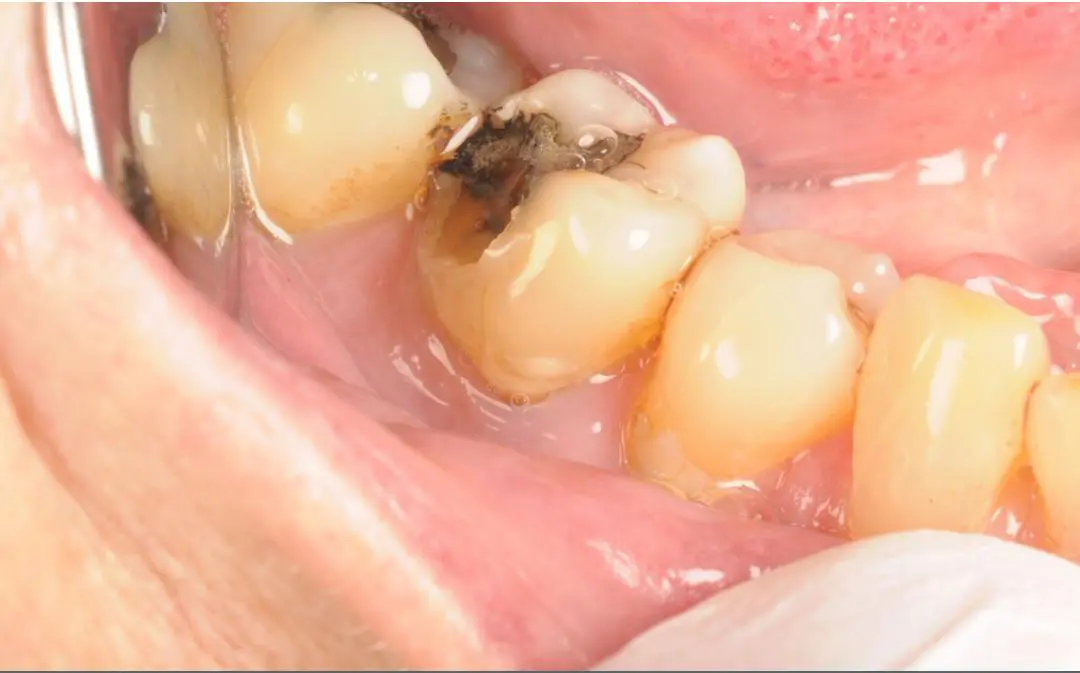
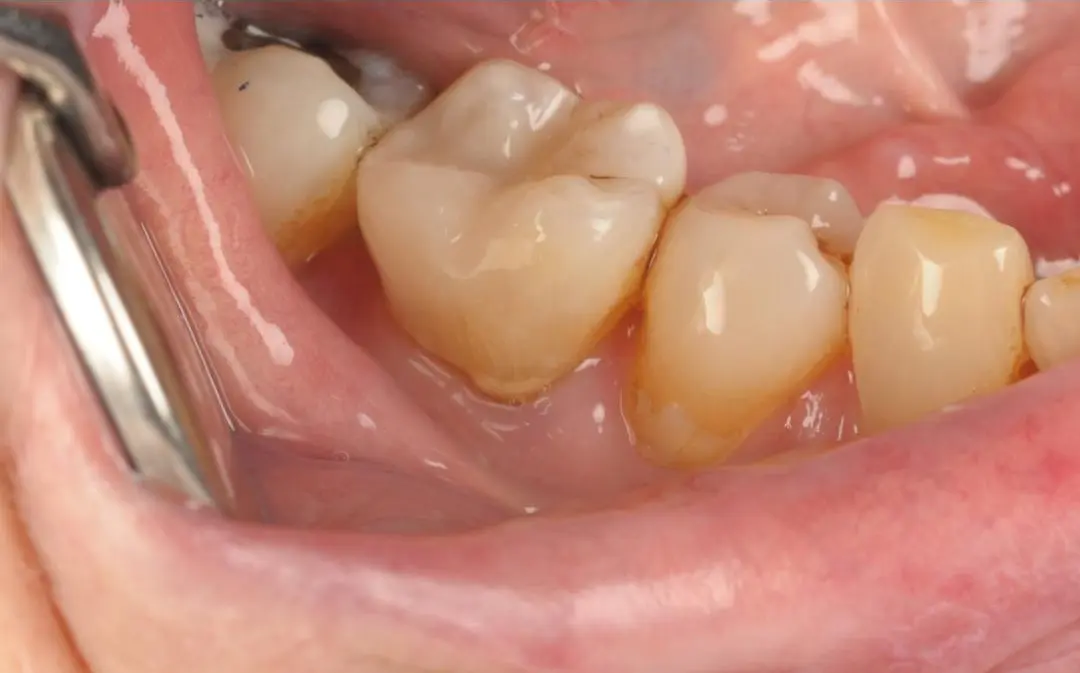
Real Patient Result: Emergency White Filling
Treatment by Dr Kamran
It is worth noting that individual recovery experiences vary. Factors such as the complexity of the extraction, the patient's general health, and whether an infection was present prior to the procedure can all influence the healing timeline.
Understanding the Clinical Healing Process
To understand why post-extraction pain occurs, it helps to consider the anatomy of a tooth and its surrounding structures.
Each tooth is anchored within the jawbone by a periodontal ligament — a network of fibres connecting the tooth root to the bone. When a tooth is extracted, these fibres are disrupted and the socket (the space the tooth occupied) is left exposed. The surrounding bone, which previously supported the root, now needs to remodel itself over time.
Inflammation is a necessary part of this process. The body sends increased blood flow to the area, delivering immune cells and growth factors that begin tissue repair. This inflammatory response is what causes the warmth, swelling, and discomfort felt in the days following an extraction.
As the blood clot stabilises and new granulation tissue forms, the intensity of inflammation — and therefore pain — gradually reduces. The bone itself may take several months to fully remodel, though patients are typically unaware of this deeper process once surface-level healing is complete.
If you have recently undergone a procedure, our emergency dental care service page provides further information on what to expect from urgent dental treatment in London.
What Is Dry Socket and Why Does It Cause Prolonged Pain?
One of the most common complications following a tooth extraction is a condition known as dry socket (alveolar osteitis). This occurs when the protective blood clot either fails to form correctly or is dislodged prematurely, leaving the underlying bone and nerve tissue exposed.
Dry socket typically presents between days two and four after the extraction and is characterised by:
- A sharp, throbbing, or radiating pain that worsens rather than improves
- A visible empty-looking socket
- An unpleasant taste or odour in the mouth
- Pain that may radiate to the ear, jaw, or neck on the same side
Smoking is a key risk factor for dry socket, and this article on smoking-related risks after emergency extraction explains why.
Dry socket does not resolve on its own in the same way as normal healing. If you suspect you may be experiencing this complication, it is advisable to contact your dental practice so that appropriate treatment can be arranged. Treatment typically involves gentle cleaning of the socket and the placement of a medicated dressing to ease discomfort and support healing.
When Professional Dental Assessment May Be Appropriate
Whilst some discomfort is an expected and normal part of recovery, there are certain signs that may indicate the need for a follow-up dental assessment:
- Pain that worsens after day three, rather than gradually improving
- Persistent or increasing swelling, particularly if it spreads to the cheek, jaw, or neck
- Fever or general feeling of being unwell
- Difficulty opening the mouth or swallowing
- An unpleasant smell or taste that does not resolve with gentle oral hygiene
- Visible signs of infection, such as pus or unusual discharge from the socket
None of these symptoms should cause undue alarm, but each warrants timely professional attention. Early assessment can help identify whether further treatment is needed and prevent complications from developing further.
You can find out more about managing acute dental concerns through our emergency tooth pain service.
Prevention and Oral Health Advice During Recovery
Supporting your recovery with good post-operative care can make a meaningful difference to your healing experience. The following practical measures are commonly recommended:
- Follow your dentist's aftercare instructions carefully, particularly in the first 48 hours
- Avoid smoking, which significantly increases the risk of dry socket and delays healing
- Avoid alcohol and carbonated drinks in the first 24 hours
- Eat soft, cool, or lukewarm foods to minimise pressure on the socket
- Avoid using a straw, as the suction can dislodge the blood clot
- Rinse gently with warm salt water from 24 hours post-extraction onwards to help keep the area clean
- Maintain your usual oral hygiene routine around the extraction site, being careful not to brush directly over the socket
- Avoid strenuous exercise in the immediate days following the procedure, as this can increase blood pressure and affect clot stability
Longer term, maintaining regular dental check-ups and addressing dental concerns early — before they progress to a point requiring emergency treatment — is one of the most effective ways to protect your oral health. Learning more about weekend emergency dental support can help you understand when urgent care is needed and how to seek support promptly.
Key Points to Remember
- Pain after an emergency extraction typically eases within three to five days for most patients
- Some mild tenderness may persist for up to two weeks and is generally considered part of normal healing
- Dry socket is a recognisable complication — characterised by worsening pain from day two onwards — and should be assessed by a dental professional
- Avoiding smoking, straws, and forceful rinsing in the first 24 hours can significantly reduce the risk of complications
- Individual recovery experiences vary depending on the nature of the extraction, pre-existing infection, and overall health
- Contact your dental practice if pain worsens, swelling increases, or any signs of infection develop
Frequently Asked Questions
Is it normal to still have pain five days after a tooth extraction?
Mild discomfort five days after an extraction can still fall within the range of normal healing for some patients, particularly if the extraction was complex. However, if the pain is worsening rather than improving, or is accompanied by swelling, fever, or an unpleasant taste, it is advisable to contact your dental team. These signs may indicate a complication such as dry socket or early infection, both of which respond well to prompt professional attention.
Can I take painkillers after an emergency extraction?
Over-the-counter pain relief, such as ibuprofen or paracetamol, is commonly used to manage discomfort following a tooth extraction. Your dental team will usually advise on the most appropriate option for you following your procedure. Always follow the dosage instructions on the packaging and consult a pharmacist or your GP if you have any health conditions or are taking other medications that may affect suitability.
What does dry socket feel like compared to normal extraction pain?
Normal post-extraction pain gradually improves over the first three to four days. Dry socket, by contrast, tends to worsen from around day two onwards and may produce a persistent, throbbing pain that radiates to the ear or jaw. Patients may also notice a visibly empty socket, an unpleasant odour, or a bad taste in the mouth. If these signs are present, a dental assessment is recommended.
How long does swelling last after an emergency tooth removal?
Swelling is a normal part of the inflammatory healing response. It typically peaks around 48 to 72 hours after the extraction and then gradually reduces. Applying a cold compress to the cheek intermittently during the first 24 hours may help manage swelling. If swelling continues to increase beyond the third day or spreads to surrounding areas, it is worth contacting your dental practice for further assessment.
Can I eat normally after an emergency extraction?
It is advisable to stick to soft, cool, or lukewarm foods for the first few days following an extraction, avoiding anything hard, crunchy, or very hot. As healing progresses and discomfort eases, you can gradually reintroduce your normal diet. Avoid chewing directly on the extraction site until healing is well established. Your dental team can provide specific dietary guidance based on your individual procedure.
When should I be concerned about pain after an extraction?
You should consider seeking a dental assessment if post-extraction pain worsens after day three, if you develop swelling that is increasing rather than reducing, if you experience fever, difficulty swallowing, or difficulty opening your mouth, or if you notice signs of infection such as pus or a persistent unpleasant taste. These are not necessarily causes for alarm, but they do warrant timely professional attention to ensure appropriate care is provided.
Conclusion
Understanding what to expect after an emergency extraction can go a long way towards making the recovery period feel more manageable. For the majority of patients, pain after an emergency extraction gradually eases over the course of three to five days, with most discomfort resolving within the first two weeks as the socket heals.
Knowing the difference between normal post-operative tenderness and signs of a potential complication — such as dry socket — means you can seek timely professional advice when it is genuinely needed, without unnecessary worry during the natural stages of healing.
Looking after your oral health in the period following an extraction, and maintaining regular contact with your dental team, supports a positive recovery experience.
Dental symptoms and treatment options should always be assessed individually during a clinical examination.
If you have concerns about your recovery following a tooth removal, we encourage you to contact your dental practice directly so that a clinician can provide assessment and guidance appropriate to your specific situation.
Disclaimer: This article is intended for general educational purposes only and does not constitute personalised dental advice. Individual diagnosis and treatment recommendations require a clinical examination by a qualified dental professional.
Next Review Due: 04 November 2027