
Having a tooth removed can be a daunting experience, and it is entirely natural to feel concerned if you notice bleeding that seems to continue beyond what you expected. Many people search online for guidance because they are unsure what level of post-extraction bleeding is considered normal and what might require further attention. If you are asking yourself "why am I still bleeding after my tooth extraction?", you are certainly not alone.
Bleeding after a tooth extraction is a routine part of the healing process. Some degree of blood-tinged saliva or gentle oozing in the first few hours is to be expected. However, persistent or heavy bleeding that continues well beyond this initial window can be concerning and may warrant professional dental assessment.
This article aims to explain why bleeding occurs after an extraction, what steps you can take at home, how to recognise signs that require professional evaluation, and how to support your recovery during the healing process. Understanding what to expect can help you feel more confident and informed during your recovery.
Experiencing these symptoms?
Delaying treatment can lead to tooth loss. We have slots available today.
What Should You Do If Bleeding Continues After a Tooth Extraction?
If bleeding continues after a tooth extraction, apply firm, steady pressure to the socket using a clean, folded gauze pad or a damp tea bag for 20–30 minutes. Avoid rinsing, spitting, or drinking through a straw. If persistent bleeding after a tooth extraction does not resolve, contact your dentist for further assessment.
Why Does Bleeding Occur After a Tooth Extraction?
When a tooth is removed, the surrounding blood vessels are disrupted, causing bleeding at the extraction site. Under normal circumstances, the body responds by forming a blood clot within the socket — a soft, dark red mass that acts as a natural protective barrier, shielding the exposed bone and nerve endings underneath.
This clot is essential to the healing process. It prevents debris and bacteria from entering the socket and helps the gum tissue begin to close over the wound. The formation of a stable clot typically occurs within the first 30 to 60 minutes following extraction.
Meet Dr. Yasha Shirazi
Principal Dentist at Emergency Dentist London
"We treat hundreds of dental emergencies every month. The sooner you come in, the easier the fix usually is."
Book an appointment with our team →Mild oozing or blood-stained saliva during the first few hours is considered part of a normal response. The extraction site may also appear red or slightly swollen during this time. These signs generally settle as the clot stabilises and the initial healing phase begins. It is worth noting that saliva can make bleeding appear more significant than it actually is, which is a common source of worry for many patients.
What Is Considered Normal After a Tooth Extraction?
Understanding the difference between expected bleeding and prolonged bleeding can help you manage your recovery with greater confidence.
Normal signs in the first few hours may include:
- Light oozing or blood-tinged saliva
- A small amount of blood on your gauze or pillow
- Mild soreness and swelling around the extraction site
- A dark clot forming within the socket
Signs that may require further attention include:
- Bright red, continuous bleeding that does not reduce with pressure
- Bleeding that persists for more than a few hours without improvement
- Clot displacement resulting in a dry, painful socket
- Swelling, fever, or signs of possible infection
Bleeding beyond the first couple of hours that remains heavy and does not respond to home measures should prompt you to contact your dental practice for guidance. If you are unsure, it is always appropriate to seek professional advice rather than waiting.
How to Manage Bleeding at Home
For many patients, persistent bleeding after a tooth extraction can be managed effectively using straightforward first-aid measures. The following steps are commonly recommended:
1. Apply firm pressure
Fold a piece of clean gauze or use a damp tea bag and place it directly over the extraction socket. Bite down gently but firmly for 20–30 minutes without lifting or checking the pad, as this can disturb clot formation.
2. Rest and remain calm
Elevate your head slightly, particularly when resting. Physical exertion can increase blood flow and prolong bleeding, so it is advisable to avoid strenuous activity for at least 24 hours.
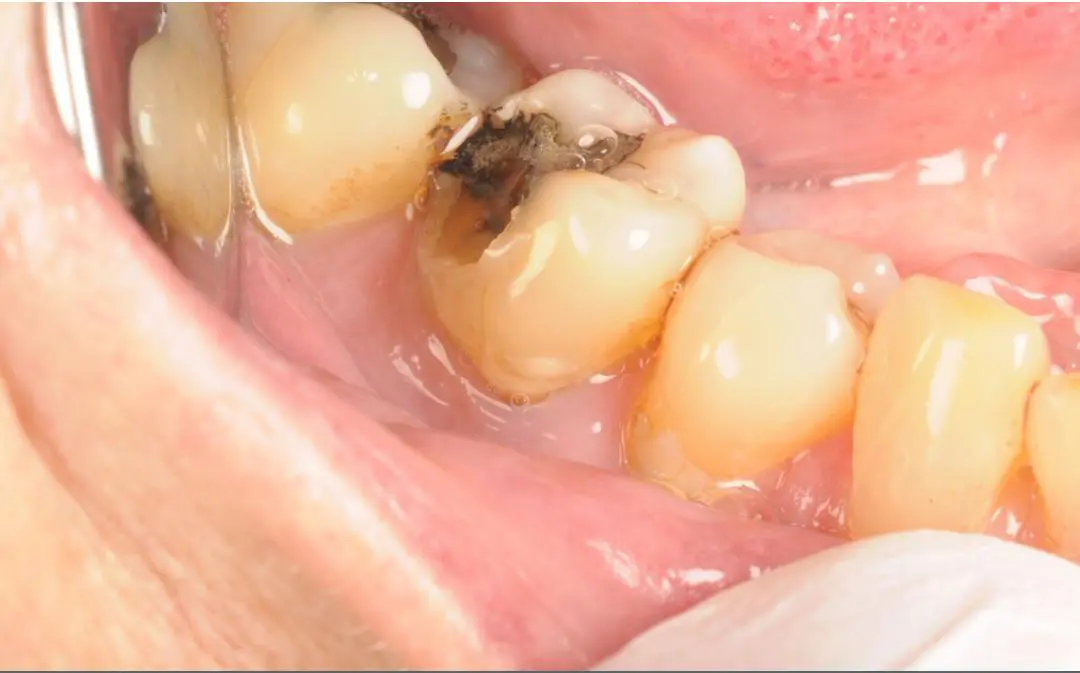
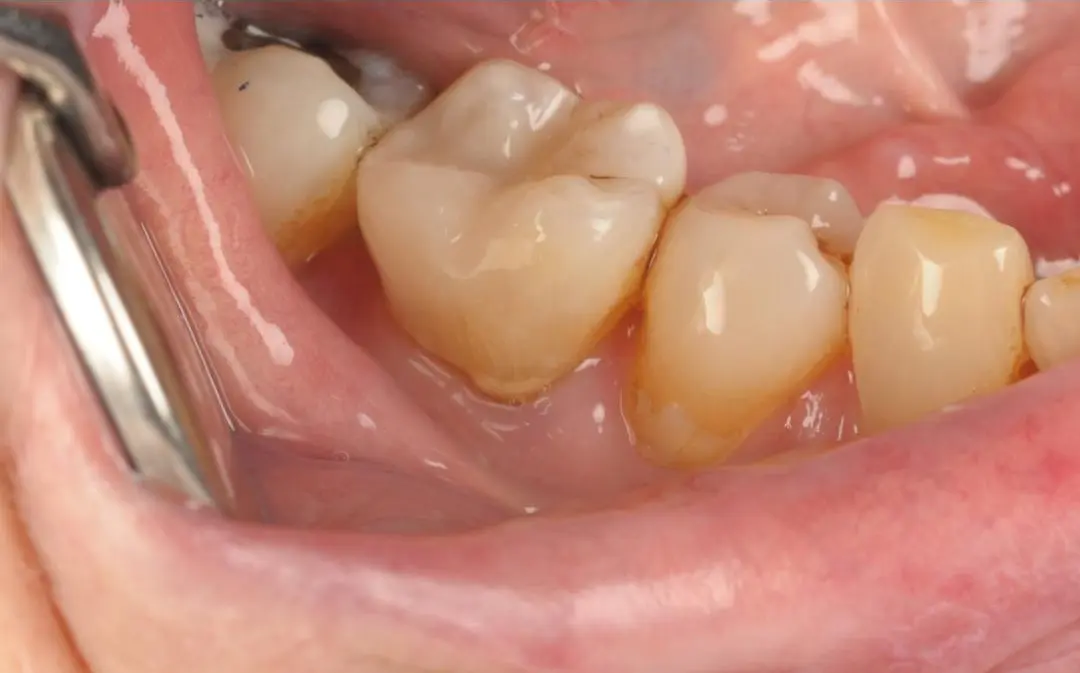
Real Patient Result: Emergency White Filling
Treatment by Dr Kamran
3. Avoid certain habits
Do not rinse your mouth vigorously, spit forcefully, drink alcohol, or use a straw for the first 24 hours. These actions create negative pressure or turbulence that may dislodge the forming clot.
4. Avoid hot drinks and smoking
Heat and nicotine can dilate blood vessels and interfere with the clotting process. Smoking in particular significantly increases the risk of complications such as dry socket.
If you want more detail, this article on smoking risks after emergency extraction explains why this matters.
If home measures do not reduce the bleeding within a reasonable timeframe, contacting an emergency dentist in London is a sensible and appropriate next step.
The Science Behind Blood Clot Formation and Socket Healing
When a tooth is extracted, the socket undergoes a carefully staged healing process. Initially, platelets from disrupted blood vessels clump together to begin forming a clot — a process medically referred to as haemostasis. This initial clot is composed of fibrin, a protein that creates a mesh-like structure to trap red blood cells and stabilise the wound.
Over the following days, the clot is gradually replaced by granulation tissue — a soft, cellular material rich in new blood vessels that begins to fill the socket. By approximately one to two weeks post-extraction, the gum tissue starts to close over the site, and by several weeks later, the underlying bone begins to remodel.
Disruption to any stage of this process — whether through physical disturbance, infection, or poor circulation — can delay healing and may result in complications such as dry socket (alveolar osteitis), where the clot is lost prematurely, leaving the bone exposed.
Understanding this process underscores why the first 24 to 48 hours after an extraction are particularly critical for protecting the socket and allowing the clot to form undisturbed. If you have recently undergone a tooth extraction and have questions about your recovery, your dental team is always a helpful resource.
When to Seek Professional Dental Assessment
Whilst home measures resolve most cases of post-extraction bleeding, there are circumstances in which professional dental evaluation is the appropriate course of action.
Consider contacting your dentist if you experience:
- Bleeding that persists beyond several hours despite applying consistent pressure
- Increasing pain from the second or third day onwards, especially with a bad taste or smell
- Swelling that worsens rather than improves after the first 48 hours
- Signs of possible infection such as fever, spreading redness, or pus
- The sensation of an empty, painful socket where the clot appears to have been lost
Dry socket, in particular, can cause significant discomfort and typically develops two to four days after an extraction. It is not dangerous but does benefit from professional treatment to ease discomfort and support healing.
Patients who take blood-thinning medications, have clotting disorders, or have certain systemic health conditions may also experience prolonged bleeding and should inform their dental team prior to any procedure. If you are concerned about post-extraction complications and warning signs, seeking professional guidance promptly is always advisable.
Prevention and Oral Health Advice
Giving yourself good conditions for recovery can help reduce the likelihood of prolonged bleeding or complications.
Practical recovery tips include:
- Following all aftercare instructions provided by your dental team
- Eating soft, cool foods for the first 24 to 48 hours
- Maintaining gentle oral hygiene around — not directly over — the extraction site from the day after the procedure
- Avoiding smoking throughout the recovery period
- Staying well hydrated and resting adequately
- Avoiding aspirin as a painkiller (unless specifically prescribed), as it can thin the blood and affect clotting
Good general oral health before an extraction — including managing gum disease and maintaining regular dental appointments — can also contribute to smoother post-extraction healing.
Key Points to Remember
- Some degree of bleeding and oozing after a tooth extraction is entirely normal within the first few hours.
- Applying firm, sustained pressure using gauze or a damp tea bag is the most effective immediate home measure.
- Avoiding rinsing, spitting, straws, smoking, and hot drinks in the first 24 hours helps protect the forming blood clot.
- Persistent heavy bleeding that does not improve, or pain that worsens after the second day, should prompt professional dental advice.
- Dry socket is a relatively common complication that is treatable by a dental professional.
- Patients on blood-thinning medication or with systemic health conditions should ensure their dental team is fully informed prior to extraction.
Frequently Asked Questions
How long is it normal to bleed after a tooth extraction?
It is normal to experience some light bleeding or blood-tinged saliva for up to a few hours following a tooth extraction. Gentle oozing can occasionally persist for up to 24 hours. However, active, continuous bleeding that does not reduce with gentle pressure after several hours is generally considered beyond the normal range and warrants dental advice. Every patient is different, and your dental team will usually provide specific aftercare guidance based on your individual circumstances.
What does dry socket feel like, and how is it different from normal healing?
Dry socket typically develops two to four days after an extraction and is characterised by a dull, aching or throbbing pain that may radiate towards the ear, jaw, or neck. Unlike the usual tenderness that gradually improves, dry socket pain often worsens over time. You may also notice an empty-looking socket where the blood clot is missing, or experience an unpleasant taste or smell. It is a treatable condition, and your dentist can provide a soothing dressing to ease discomfort while the site heals.
Is it safe to rinse my mouth after a tooth extraction?
Vigorous rinsing should generally be avoided for the first 24 hours following a tooth extraction, as this can dislodge the forming blood clot. After 24 hours, gentle saltwater rinses — using half a teaspoon of salt dissolved in a glass of warm water — are often recommended to help keep the area clean and support healing. Always follow the specific aftercare instructions provided by your dental team, as advice may vary depending on the complexity of your extraction.
Can medication affect bleeding after a tooth extraction?
Yes, certain medications can influence how the blood clots after an extraction. Blood-thinning medications such as warfarin, aspirin, clopidogrel, and some newer anticoagulants may prolong bleeding. Some herbal supplements and over-the-counter anti-inflammatory drugs can also have a mild blood-thinning effect. It is important to inform your dentist of all medications and supplements you are taking before your extraction so that appropriate precautions and aftercare guidance can be provided.
When should I go to an emergency dentist after a tooth extraction?
You should consider seeking emergency dental advice if you experience heavy, persistent bleeding that does not respond to firm pressure applied for 30 minutes, severe and worsening pain from the second or third day onwards, significant facial swelling, signs of infection such as fever or pus, or difficulty swallowing or breathing. These situations benefit from prompt clinical assessment. An emergency dental practice can evaluate the extraction site and provide appropriate treatment or reassurance.
Can I eat normally after a tooth extraction?
It is advisable to stick to soft, cool or lukewarm foods for the first 24 to 48 hours after an extraction. Avoid hard, crunchy, or chewy foods that may irritate or disturb the extraction site. Hot foods and drinks should also be avoided during this initial period. Gradually reintroduce your normal diet as comfort allows. This guide on what to eat after an emergency tooth extraction can help with practical food choices. Maintaining adequate nutrition supports the healing process, and staying hydrated is equally important throughout your recovery.
Conclusion
Bleeding after a tooth extraction can understandably cause concern, but in most cases it is a normal and expected part of the healing process. By understanding what to expect and knowing which steps to take at home, the majority of patients can manage post-extraction bleeding effectively. Applying consistent pressure, protecting the blood clot, and following your dental team's aftercare guidance are the cornerstones of a smooth recovery.
Persistent or heavy bleeding that does not improve with home measures, or discomfort that worsens rather than settles, are important signs that professional assessment may be needed. Seeking timely dental advice is always the right decision when you have concerns about your recovery.
Dental symptoms and treatment options should always be assessed individually during a clinical examination.
Disclaimer: This article is intended for general educational purposes only and does not constitute personalised dental advice. Individual diagnosis and treatment recommendations require a clinical examination by a qualified dental professional.
Next Review Due: 04 November 2027