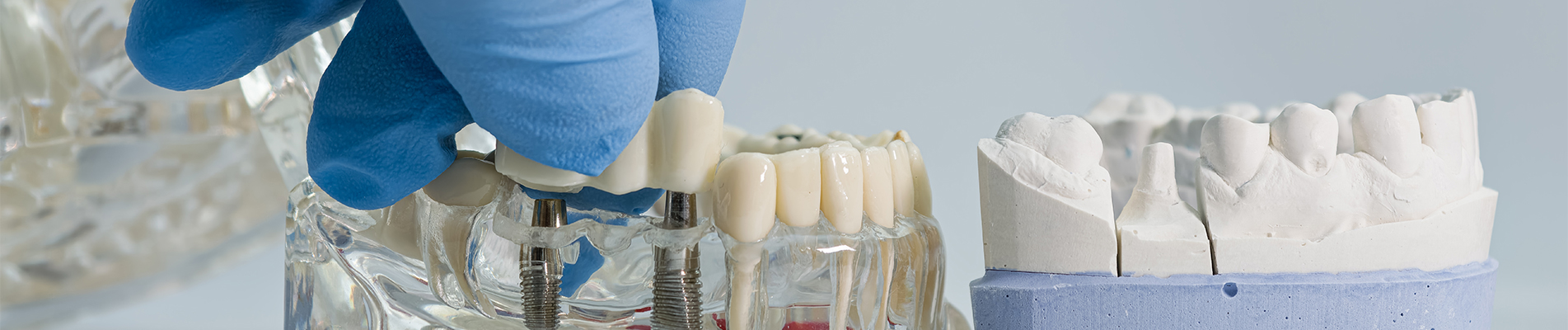
Losing a permanent tooth can be emotionally and physically challenging. Whether due to an emergency extraction, trauma, or decay, leaving a gap can lead to bone loss and shifting of remaining teeth. Fortunately, modern dentistry offers two excellent fixed solutions: Dental Implants and Dental Bridges.
But which one is right for you? Here is a breakdown of the pros and cons.
Dental Implants: The Gold Standard
An implant is a small titanium screw that is surgically placed into the jawbone. It acts as a replacement root. Once the bone heals around it (osseointegration), a porcelain crown is attached on top.
Experiencing these symptoms?
Delaying treatment can lead to tooth loss. We have slots available today.
Pros:
Conservative: Does not damage adjacent teeth.
Bone Health: Stimulates the jawbone, preventing bone loss.
Meet Dr. Yasha Shirazi
Principal Dentist at Emergency Dentist London
"We treat hundreds of dental emergencies every month. The sooner you come in, the easier the fix usually is."
Book an appointment with our team →Longevity: Can last a lifetime with proper care.
Feel: Feels and functions exactly like a natural tooth.
Cons:
Cost: Higher upfront cost (£2000+).
Time: Requires 3-6 months for healing.
Dental Bridges: The Traditional Choice
A bridge closes the gap by using the teeth on either side as anchors. The adjacent teeth are filed down, and a prosthetic tooth is suspended between two crowns placed on these anchors.
Pros:
Speed: Can be completed in 2 weeks.


Real Patient Result: Emergency White Filling
Treatment by Dr Kamran
No Surgery: Non-invasive (no bone drilling).
Cons:
Destructive: Requires cutting down healthy enamel on neighboring teeth.
Lifespan: Average lifespan is 10-15 years.
Hygiene: Difficult to floss underneath.
Which Should You Choose?
If your adjacent teeth are healthy and virgin (no fillings), an implant is far superior because it spares those teeth. However, if the adjacent teeth are already heavily filled or crowned, a bridge might be a good way to restore them and fill the gap simultaneously.
At Emergency Dentist London, we offer consultations to discuss restorative options once your emergency phase is resolved.
Watch: Your Emergency Dental Appointment Explained
Disclaimer
This article is for general educational purposes only and does not constitute professional dental advice, diagnosis, or treatment. Every patient's circumstances are unique; dental symptoms and treatment options should always be assessed during a clinical examination by a qualified dental professional. No specific outcomes are guaranteed. This content has been prepared in line with GDC, CQC, ASA CAP Code, and GMC communication standards. If you have concerns about your oral health, please contact a registered dentist.