
Many people experience an unexpected sensation of tooth discomfort alongside cold and flu symptoms, often wondering whether these issues could be connected. Post-nasal drip and upper tooth sensitivity frequently occur simultaneously, leading patients to search for explanations about this seemingly unusual relationship between their sinuses and dental health.
Understanding the connection between post-nasal drip and tooth sensitivity can help individuals recognise when their dental discomfort might be related to upper respiratory symptoms rather than direct tooth problems. This knowledge proves particularly valuable during winter months when cold symptoms are prevalent, and patients may worry unnecessarily about dental emergencies.
This article explores how post-nasal drip may influence upper tooth sensitivity, examining the anatomical connections between your sinuses and teeth, the mechanisms that can cause discomfort, and practical approaches to managing these symptoms. We'll also discuss when professional dental assessment might be beneficial to ensure proper evaluation of your symptoms.
Experiencing these symptoms?
Delaying treatment can lead to tooth loss. We have slots available today.
Can Post-Nasal Drip Cause Upper Tooth Sensitivity?
Yes, post-nasal drip can influence upper tooth sensitivity through sinus pressure and inflammation affecting the maxillary sinuses, which sit directly above your upper back teeth, potentially causing referred pain and discomfort.
The Anatomical Connection Between Sinuses and Upper Teeth
The relationship between your sinuses and upper teeth stems from their close anatomical proximity. The maxillary sinuses, located in your cheekbones, sit directly above the roots of your upper premolars and molars. In some individuals, the tooth roots may extend close to or even into the sinus cavity floor.
When post-nasal drip occurs, it often indicates inflammation or congestion in the nasal passages and sinuses. This inflammation can create pressure changes within the maxillary sinuses, which may be felt as discomfort in the upper teeth. The sensation occurs because the same nerve pathways that supply your upper teeth also innervate parts of the sinus cavity.
Meet Dr. Yasha Shirazi
Principal Dentist at Emergency Dentist London
"We treat hundreds of dental emergencies every month. The sooner you come in, the easier the fix usually is."
Book an appointment with our team →During periods of increased mucus production and drainage, the sinuses may become pressurised or inflamed, creating a referred pain sensation that patients often interpret as tooth sensitivity. This explains why many people experience upper tooth discomfort during colds, allergies, or respiratory infections when post-nasal drip is prevalent.
How Post-Nasal Drip Affects Oral Health
Post-nasal drip can influence your oral environment in several ways beyond direct sinus pressure. The constant drainage of mucus down the back of your throat can alter the pH balance in your mouth, potentially creating conditions that affect your teeth and gums.
Persistent post-nasal drip often leads to mouth breathing, especially during sleep, which can cause dry mouth conditions. Saliva plays a crucial role in neutralising acids and protecting tooth enamel, so reduced saliva flow may contribute to increased sensitivity and vulnerability to dental issues.
The mucus associated with post-nasal drip may also contain bacteria or inflammatory substances that can affect your oral health. Additionally, frequent throat clearing or coughing associated with post-nasal drip can create pressure changes in your head and neck area, potentially contributing to dental discomfort.
Some medications used to treat post-nasal drip, such as antihistamines or decongestants, can also cause dry mouth as a side effect, further impacting your oral environment and potentially increasing tooth sensitivity.
Distinguishing Between Sinus-Related and Dental-Related Sensitivity
Understanding the difference between sensitivity caused by sinus issues and actual dental problems can help you determine the most appropriate course of action. Sinus-related tooth sensitivity typically affects multiple upper teeth simultaneously, particularly the back teeth on one or both sides.
Dental-related sensitivity, conversely, often affects individual teeth and may be triggered by specific stimuli such as hot, cold, sweet, or acidic foods and drinks. True dental sensitivity usually persists regardless of head position, whilst sinus-related discomfort may change when you bend forward, lie down, or change positions.
Sinus-related tooth pain often accompanies other symptoms such as nasal congestion, facial pressure, headaches, or a feeling of fullness in your ears. The discomfort may worsen during weather changes or when you have a cold or allergies.
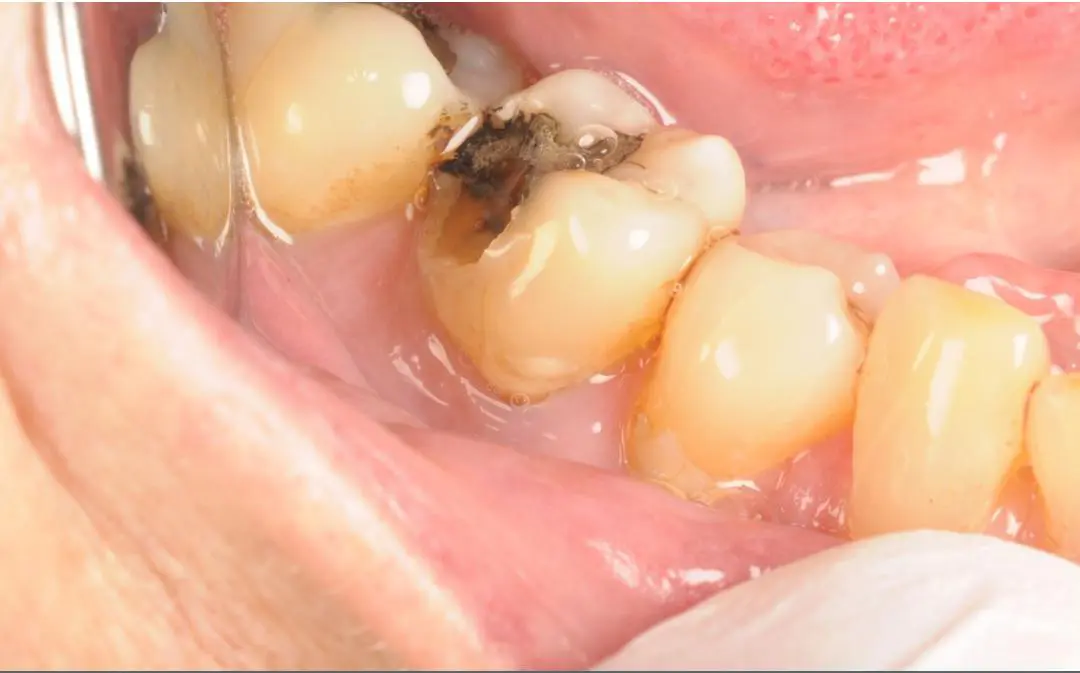
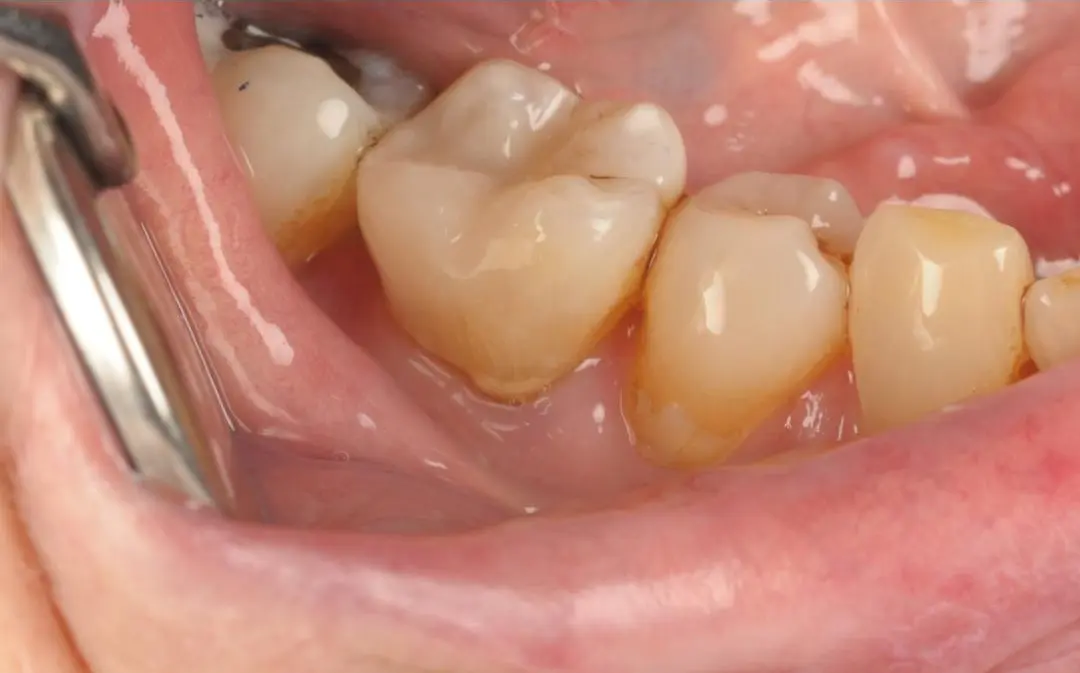
Real Patient Result: Emergency White Filling
Treatment by Dr Kamran
If your tooth sensitivity coincides with respiratory symptoms and affects multiple teeth, it may be related to sinus pressure rather than dental problems. However, only a clinical examination can provide definitive diagnosis and appropriate treatment recommendations.
Managing Post-Nasal Drip to Reduce Tooth Sensitivity
Several approaches may help manage post-nasal drip and potentially reduce associated tooth sensitivity. Staying well-hydrated helps thin mucus secretions, making them easier to clear and reducing the likelihood of thick, sticky drainage that can worsen symptoms.
Using a humidifier in your bedroom can help maintain optimal moisture levels in the air, which may reduce nasal irritation and excessive mucus production. Saline nasal rinses or sprays can help clear nasal passages and reduce inflammation that contributes to post-nasal drip.
Identifying and avoiding triggers such as allergens, strong odours, or irritating substances can help prevent the onset of post-nasal drip. For some people, certain foods or environmental factors may worsen their symptoms.
Maintaining good oral hygiene becomes particularly important during periods of post-nasal drip. Regular brushing with fluoride toothpaste and flossing can help protect your teeth from any additional challenges posed by changes in your oral environment.
When to Seek Professional Dental Assessment
While sinus-related tooth sensitivity often resolves as respiratory symptoms improve, certain situations warrant professional dental evaluation. Persistent tooth pain or sensitivity that continues after other sinus symptoms have resolved should be assessed to rule out underlying dental issues.
If you experience severe tooth pain, swelling around your teeth or gums, or sensitivity that prevents you from eating or drinking normally, these symptoms require prompt professional attention. Additionally, if you're unsure whether your symptoms are sinus-related or dental in nature, a clinical examination can provide clarity.
Temperature sensitivity that affects individual teeth rather than multiple teeth, or pain that worsens with biting or chewing, may indicate dental problems requiring specific treatment. Similarly, any visible changes to your teeth, such as chips, cracks, or discolouration, should be evaluated professionally.
Prevention Strategies for Both Sinus and Dental Health
Maintaining good overall health can help prevent both sinus issues and dental problems that might cause tooth sensitivity. Regular dental check-ups can identify potential issues before they become problematic, whilst good oral hygiene protects against sensitivity-causing dental conditions.
Managing allergies effectively can reduce the frequency and severity of post-nasal drip episodes. This might involve avoiding known allergens, using appropriate medications as recommended by healthcare providers, or making environmental modifications to reduce exposure to irritants.
Staying hydrated, eating a balanced diet rich in vitamins and minerals, and getting adequate sleep all support both your immune system and oral health. These lifestyle factors can help your body better manage respiratory challenges and maintain healthy teeth and gums.
If you frequently experience post-nasal drip, working with healthcare providers to identify underlying causes and develop an appropriate management plan can help reduce both sinus symptoms and any associated tooth sensitivity.
Key Points to Remember
• Post-nasal drip can cause upper tooth sensitivity due to anatomical connections between sinuses and tooth roots
• Sinus-related tooth sensitivity typically affects multiple upper teeth simultaneously
• The condition often resolves as respiratory symptoms improve with appropriate management
• Staying hydrated and maintaining good oral hygiene can help manage symptoms
• Professional assessment is recommended for persistent or severe tooth pain
• Distinguishing between sinus-related and dental-related sensitivity requires careful evaluation of accompanying symptoms
Frequently Asked Questions
Why do my upper teeth hurt when I have a cold?
Upper tooth pain during colds often results from inflammation and pressure in the maxillary sinuses, which sit directly above your upper back teeth. The shared nerve pathways between your sinuses and teeth can cause referred pain, making it feel as though your teeth are sensitive when the actual issue is sinus pressure. This discomfort typically affects multiple teeth and improves as your cold symptoms resolve.
How long does sinus-related tooth sensitivity last?
Sinus-related tooth sensitivity usually lasts as long as your underlying sinus symptoms persist. For acute conditions like colds, this might be 7-10 days, whilst chronic sinus issues may cause intermittent sensitivity over longer periods. If tooth sensitivity continues after other sinus symptoms have resolved, or if pain is severe, professional dental evaluation is recommended to rule out underlying dental problems.
Can post-nasal drip damage my teeth permanently?
Post-nasal drip itself rarely causes permanent tooth damage, but the associated conditions such as mouth breathing and dry mouth can create an environment that increases risk of tooth decay and sensitivity. The constant drainage may also alter your mouth's pH balance. Maintaining excellent oral hygiene and staying hydrated can help protect your teeth during episodes of post-nasal drip.
Should I use sensitive toothpaste if my tooth pain is sinus-related?
Using sensitive toothpaste during episodes of sinus-related tooth sensitivity can provide some comfort by helping to reduce nerve transmission in your teeth. However, addressing the underlying sinus issue is typically more effective for long-term relief. If sensitivity persists after sinus symptoms resolve, or if you're experiencing ongoing dental sensitivity issues, professional dental advice can help determine the most appropriate treatment approach.
How can I tell if my tooth pain is from sinuses or actual tooth problems?
Sinus-related tooth pain typically affects multiple upper teeth simultaneously, worsens when bending forward, and occurs alongside other sinus symptoms like nasal congestion or facial pressure. Dental-related pain usually affects individual teeth, may be triggered by temperature or sweet foods, and persists regardless of head position. However, the only way to definitively distinguish between these causes is through proper clinical examination.
What should I do if decongestants make my mouth dry and worsen tooth sensitivity?
If medications for post-nasal drip cause dry mouth that worsens tooth sensitivity, staying well-hydrated becomes even more important. Sugar-free gum or lozenges can help stimulate saliva production, whilst fluoride mouth rinses may provide additional protection. Discuss alternative treatment options with your healthcare provider if dry mouth side effects are problematic, as different medications or approaches might be more suitable for your situation.
Conclusion
Understanding the connection between post-nasal drip and upper tooth sensitivity can help you better manage these interconnected symptoms and make informed decisions about when to seek professional care. The anatomical relationship between your sinuses and upper teeth means that sinus inflammation and pressure can indeed cause tooth discomfort, particularly in the upper back teeth.
Recognising the characteristics of sinus-related tooth sensitivity - such as multiple teeth being affected simultaneously and symptoms that coincide with respiratory issues - can help distinguish this from dental problems requiring different treatment approaches. Effective management of post-nasal drip through hydration, environmental modifications, and appropriate medical care often provides relief from associated tooth sensitivity.
Maintaining excellent oral hygiene becomes particularly important during episodes of post-nasal drip, as changes in your oral environment may increase vulnerability to dental issues. Professional dental assessment remains valuable when symptoms are severe, persistent, or when you're uncertain about the underlying cause of your tooth sensitivity.
Dental symptoms and treatment options should always be assessed individually during a clinical examination.
Disclaimer
This article is for general educational purposes only and does not constitute dental advice, diagnosis, or treatment. Every patient is different, so symptoms and treatment options should be assessed by a qualified dental professional during a clinical examination. No specific outcomes are guaranteed.