
Many patients experience a puzzling sensation of ear fullness or pressure that seems unrelated to typical ear problems. This uncomfortable feeling can be particularly concerning when it occurs alongside dental symptoms or oral discomfort. People often search online to understand these connections, wondering whether their dental health could be influencing their ear sensations.
The relationship between dental health and ear fullness is more complex than many realise. The close anatomical proximity of the jaw, teeth, and ear structures means that dental issues can sometimes manifest as ear-related symptoms. Understanding this connection between ear fullness and dental health can help patients recognise when their symptoms might benefit from dental evaluation rather than solely focusing on ear-related causes.
This article will explore the potential links between dental conditions and ear fullness, examine the underlying anatomical connections, and discuss when professional dental assessment might be appropriate for addressing these interconnected symptoms.
Experiencing these symptoms?
Delaying treatment can lead to tooth loss. We have slots available today.
Can Dental Problems Cause Ear Fullness?
Yes, dental problems can contribute to ear fullness due to the close anatomical relationship between the jaw joint, teeth, and ear structures. Conditions affecting the temporomandibular joint (TMJ) or dental infections may create referred sensations in the ear area.
Understanding the Anatomical Connection
The relationship between dental health and ear sensations stems from the intricate network of nerves, muscles, and bones that connect these regions. The temporomandibular joint, which enables jaw movement, sits directly in front of the ear canal. This proximity means that inflammation or dysfunction in the jaw area can create sensations that feel as though they originate in the ear.
The trigeminal nerve, which supplies sensation to much of the face and jaw, shares pathways with nerves that affect ear perception. When dental issues cause inflammation or irritation along these nerve pathways, patients may experience referred sensations, including feelings of fullness, pressure, or discomfort in the ear region.
Meet Dr. Yasha Shirazi
Principal Dentist at Emergency Dentist London
"We treat hundreds of dental emergencies every month. The sooner you come in, the easier the fix usually is."
Book an appointment with our team →Additionally, the muscles involved in chewing and jaw movement extend into areas near the ear. Tension or inflammation in these muscles, often resulting from dental problems or bite issues, can contribute to sensations of ear pressure or fullness.
Common Dental Conditions Linked to Ear Symptoms
Several dental conditions may contribute to ear fullness sensations. Temporomandibular joint disorders (TMJ/TMD) are among the most common causes, as dysfunction in this joint can create referred symptoms throughout the ear and jaw region. Patients with TMJ disorders often experience ear pressure alongside jaw clicking, limited mouth opening, or facial pain.
Dental infections, particularly those affecting upper molars and wisdom teeth, can also contribute to ear sensations due to their proximity to sinus cavities and ear structures. The roots of upper teeth extend close to the maxillary sinus, and infections in this area may create pressure sensations that patients perceive as ear fullness.
Bite problems or malocclusion can lead to muscle tension and joint strain that manifests as ear pressure. When teeth don't align properly, the jaw muscles must work harder to achieve comfortable bite positions, potentially creating tension that extends to the ear region. Similarly, teeth grinding (bruxism) can create muscle fatigue and joint stress that contributes to ear fullness sensations.
The Role of Inflammation and Nerve Pathways
Understanding how inflammation affects the connection between dental health and ear sensations helps explain why these symptoms often occur together. When dental tissues become inflamed due to infection, trauma, or other conditions, the inflammatory response can affect nearby nerve pathways and create referred sensations in the ear area.
The complex network of facial nerves means that inflammation in one area can create symptoms that seem unrelated to the original problem. This phenomenon, known as referred pain or referred sensation, explains why dental issues might manifest as ear fullness rather than localised dental discomfort.
Chronic inflammation from ongoing dental problems can sensitise nerve pathways, making patients more susceptible to experiencing ear sensations even from minor changes in jaw position or muscle tension. This heightened sensitivity can create a cycle where dental issues contribute to ear symptoms, which in turn may affect jaw posture and muscle tension.
When Professional Dental Assessment May Be Needed
Persistent ear fullness, especially when accompanied by jaw symptoms, may warrant dental evaluation. Signs that suggest a dental connection include ear sensations that worsen with chewing, jaw movement, or teeth grinding. Patients who notice ear fullness alongside jaw clicking, facial pain, or changes in their bite may benefit from dental assessment.
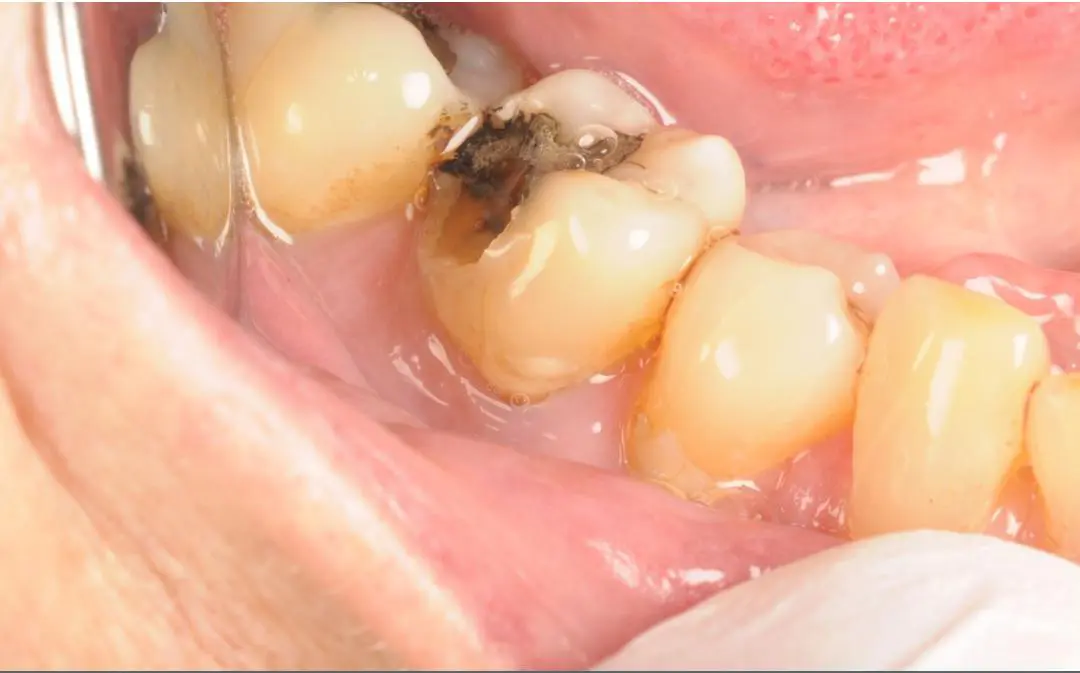
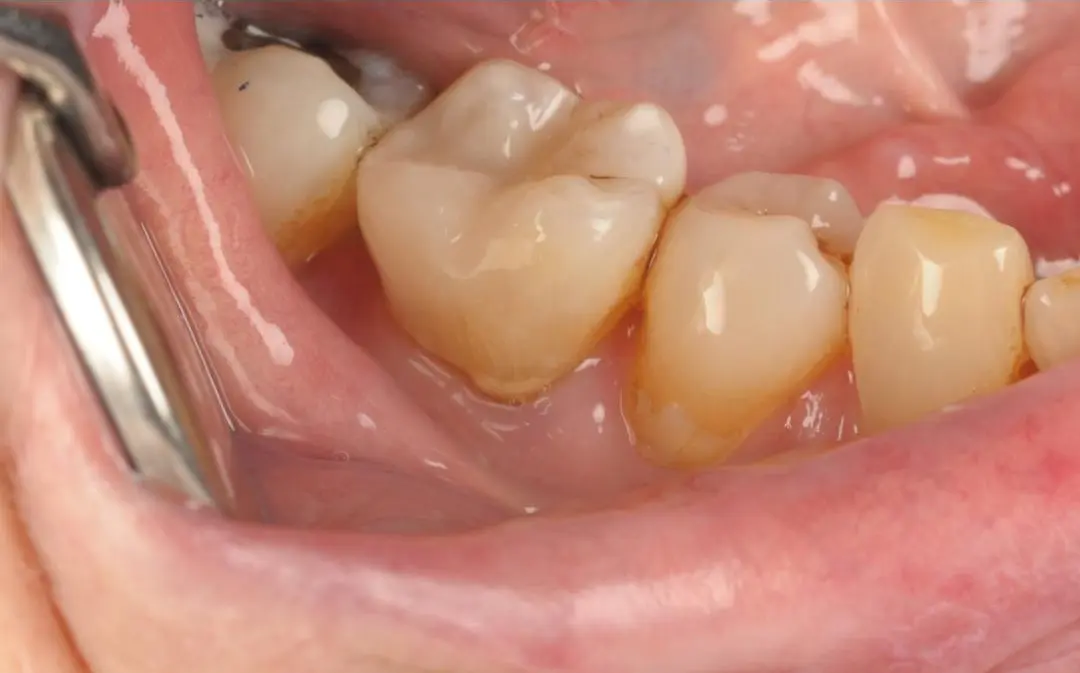
Real Patient Result: Emergency White Filling
Treatment by Dr Kamran
Other indicators that dental evaluation might be helpful include ear sensations that don't respond to typical ear treatments, symptoms that coincide with dental pain or sensitivity, or ear fullness that developed following dental procedures or jaw trauma. Morning ear pressure that coincides with jaw stiffness might suggest nighttime teeth grinding as a contributing factor.
Prevention and Oral Health Considerations
Maintaining good oral health practices may help reduce the risk of dental conditions that contribute to ear fullness. Regular dental check-ups allow for early detection of bite problems, tooth infections, or TMJ issues that might eventually affect ear sensations. Proper oral hygiene helps prevent dental infections that could create referred symptoms in the ear region.
For patients who grind their teeth, addressing this habit through professional dental assessment may help reduce associated muscle tension and jaw strain. Stress management techniques can also be beneficial, as stress often contributes to teeth grinding and jaw tension.
Being mindful of jaw posture throughout the day and avoiding habits like gum chewing or jaw clenching may help reduce strain on the temporomandibular joint. Patients should also be aware that certain foods requiring extensive chewing might temporarily worsen symptoms if jaw dysfunction is contributing to their ear sensations.
Treatment Approaches for Dental-Related Ear Symptoms
When dental factors contribute to ear fullness, treatment approaches typically focus on addressing the underlying dental condition. For TMJ-related symptoms, treatment might include bite adjustment, muscle relaxation techniques, or the use of protective appliances to reduce jaw strain during sleep.
Dental infections require prompt treatment to eliminate the source of inflammation that may be contributing to ear sensations. This might involve emergency dental care for acute infections or routine treatment for chronic dental problems.
In cases where bite problems contribute to muscle tension and ear symptoms, orthodontic treatment or restorative dental work might be recommended to improve jaw function and reduce strain. The specific approach depends on individual circumstances and requires professional assessment to determine the most appropriate treatment plan.
Key Points to Remember
• Ear fullness can sometimes result from dental conditions due to anatomical connections between the jaw and ear structures
• TMJ disorders, dental infections, and bite problems are common dental causes of ear sensations
• Inflammation and nerve pathways create connections that can cause referred symptoms between dental and ear regions
• Professional dental assessment may be beneficial when ear symptoms accompany jaw pain or dental problems
• Good oral health practices and stress management may help prevent some dental-related ear symptoms
• Treatment approaches focus on addressing underlying dental conditions rather than just managing ear symptoms
Frequently Asked Questions
Can a tooth infection cause ear pressure?
Yes, particularly infections in upper teeth near the sinus cavities. The proximity of upper tooth roots to sinus spaces means infections can create pressure sensations that extend to the ear region. The inflammatory response from dental infections can affect nearby nerve pathways, creating referred sensations of pressure or fullness in the ear area.
How can I tell if my ear fullness is related to dental problems?
Dental-related ear fullness often worsens with jaw movement, chewing, or teeth grinding. You might notice the sensation coincides with jaw clicking, facial pain, or dental discomfort. Morning ear pressure that occurs alongside jaw stiffness may also suggest a dental connection, particularly if related to nighttime teeth grinding.
Does TMJ always cause ear symptoms?
Not all TMJ disorders cause ear symptoms, but many do due to the joint's proximity to ear structures. The severity and type of ear sensations can vary depending on the specific TMJ problem and individual anatomy. Some patients experience ear fullness, while others might notice clicking sounds or pressure sensations.
Can bite problems lead to ear fullness?
Bite problems can contribute to ear fullness by creating muscle tension and jaw strain. When teeth don't align properly, the jaw muscles work harder to achieve comfortable positions, potentially creating tension that extends to the ear region. This muscle strain can manifest as pressure or fullness sensations.
Should I see a dentist or doctor for ear fullness?
If ear fullness occurs alongside jaw symptoms, dental pain, or worsens with chewing, dental evaluation may be appropriate. However, if symptoms are primarily ear-related without jaw involvement, medical assessment might be more suitable initially. Sometimes a collaborative approach between dental and medical professionals provides the most comprehensive care.
How long does it take for dental treatment to improve ear symptoms?
The timeframe for improvement depends on the underlying dental condition and treatment approach. Some patients notice improvement within days of treating acute dental infections, while TMJ-related symptoms might take weeks or months to resolve with appropriate treatment. Individual response varies significantly based on the specific condition and treatment methods used.
Conclusion
The connection between ear fullness and dental health demonstrates the complex interplay between different anatomical structures in the head and neck region. Understanding these relationships helps patients recognise when their ear symptoms might benefit from dental evaluation rather than focusing solely on ear-related causes.
Professional assessment remains essential for determining whether dental factors contribute to ear sensations and developing appropriate treatment approaches. Early recognition and treatment of dental conditions that affect ear sensations can help prevent symptom progression and improve overall comfort and oral health.
Dental symptoms and treatment options should always be assessed individually during a clinical examination.
Disclaimer
This article is for general educational purposes only and does not constitute professional dental or medical advice, diagnosis, or treatment. Ear fullness and related symptoms can result from various dental, medical, or anatomical factors, and individual circumstances vary significantly. No specific outcomes are guaranteed. Content has been prepared in line with GDC, CQC, ASA CAP Code, and GMC communication standards. If you have concerns about your oral health, please contact a registered dentist.