
Few things are more frustrating than tooth pain that won't go away — especially when you're not entirely sure what's causing it. You may have tried painkillers, avoided certain foods, or even questioned whether it's truly your teeth at all. If the discomfort seems to spread across your upper jaw or intensify when you bend forward, you're not alone in wondering: could this be related to your sinuses?
The connection between sinus problems and tooth pain is more common than many people realise. Understanding why this happens — and knowing when to seek help from an emergency dentist — can make all the difference in finding relief and protecting your oral health.
What Causes Unbearable Tooth Pain?
Severe tooth pain can have many origins, and identifying the root cause is essential for effective treatment. Here are the most common reasons patients experience intense dental discomfort:
Experiencing these symptoms?
Delaying treatment can lead to tooth loss. We have slots available today.
Dental Abscess
A dental abscess occurs when bacteria infect the pulp of a tooth or the surrounding gum tissue, creating a pocket of pus. This often causes throbbing pain that may radiate to the jaw, ear, or even the sinuses if the infection is in an upper tooth.
Tooth Infection Near the Sinus
The roots of your upper back teeth (premolars and molars) sit remarkably close to your maxillary sinuses — sometimes separated by just a thin layer of bone. When infection develops in these teeth, inflammation can spread to the sinus lining, creating a confusing overlap of symptoms.
Deep Decay
When a cavity progresses beyond the outer enamel and reaches the sensitive inner pulp, it can trigger intense, persistent pain. Left untreated, decay can lead to infection and abscess formation.
Meet Dr. Yasha Shirazi
Principal Dentist at Emergency Dentist London
"We treat hundreds of dental emergencies every month. The sooner you come in, the easier the fix usually is."
Book an appointment with our team →Cracked or Broken Teeth
A cracked tooth may cause sharp pain when biting or expose the nerve to temperature changes. Even hairline fractures can become pathways for bacteria to enter the tooth.
Exposed Nerves
When tooth enamel wears away due to grinding, acid erosion, or gum recession, the underlying dentine and nerves become exposed. This can cause extreme sensitivity and pain that feels electric or shooting.
Gum Infection
Advanced periodontal disease can cause deep pockets of infection around tooth roots. You may notice bleeding gums with pain, swelling, and a persistent unpleasant taste.
Wisdom Tooth Problems
Impacted or partially erupted wisdom teeth are prone to infection and can cause significant pain that radiates through the jaw and may even affect sinus pressure in the upper jaw.
Sinus Infection Affecting Upper Teeth
When your maxillary sinuses become inflamed due to infection or allergies, the pressure can press directly on the roots of your upper teeth, creating sensations that feel identical to a toothache.
Can a Sinus Infection Cause Tooth Pain?
Yes, sinus infections can absolutely cause what feels like tooth pain — and understanding why may help you identify what's happening in your own situation.
The Anatomy Connection
Your maxillary sinuses are air-filled cavities located in your cheekbones, directly above your upper teeth. The floor of these sinuses is remarkably thin, and in some people, the roots of the upper molars actually protrude slightly into the sinus cavity. When sinuses become inflamed and swollen, they can exert pressure directly on these tooth roots.
How Sinus Pressure Creates "Toothache"
Sinus inflammation causes the tissue lining to swell and fill with fluid. This creates downward pressure that can compress the nerves at the tips of your tooth roots. The result is an aching sensation that mimics dental pain — often affecting multiple upper teeth at once rather than a single tooth.
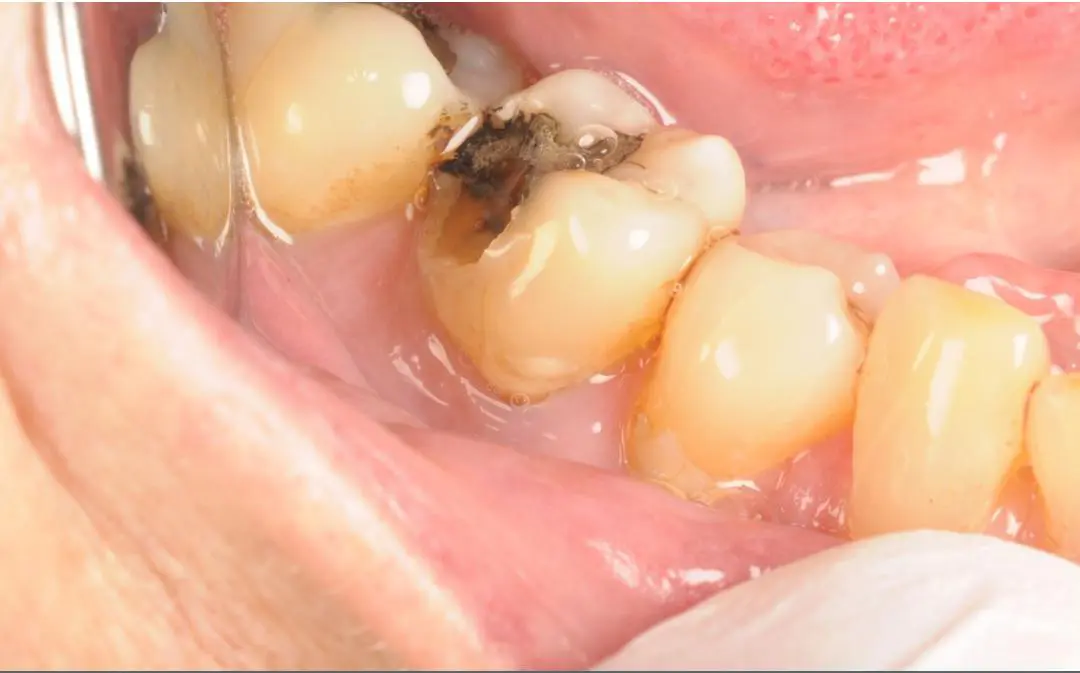
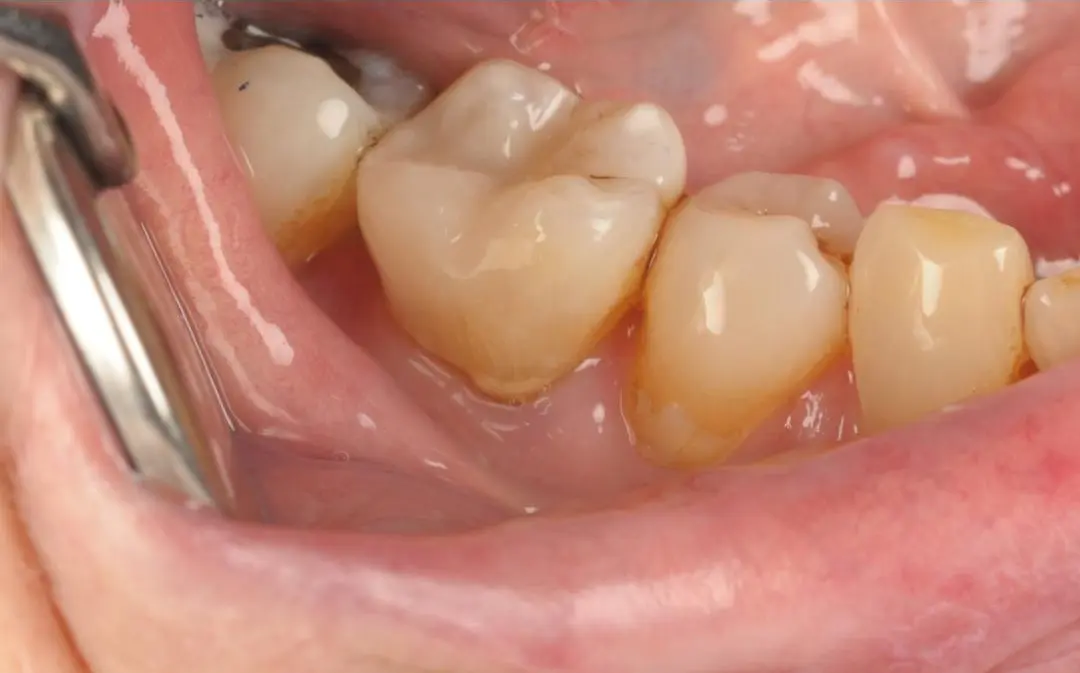
Real Patient Result: Emergency White Filling
Treatment by Dr Kamran
Sinus Pain vs Infected Tooth Pain: Key Differences
While both conditions can cause significant discomfort, there are characteristic differences that may help distinguish between them:
| Characteristic | Sinus-Related Tooth Pain | Dental Infection Pain |
|---|---|---|
| Location | Multiple upper teeth, often both sides | Usually one specific tooth |
| Movement sensitivity | Pain worsens when bending forward or lying down | Pain consistent regardless of position |
| Associated symptoms | Nasal congestion, facial pressure, post-nasal drip | Gum swelling, sensitivity to hot/cold, visible decay |
| Pain character | Dull, constant pressure | Sharp, throbbing, or shooting |
| Temperature sensitivity | Usually absent | Often pronounced |
Jaw Pain and Sinusitis
Sinus inflammation can also cause aching in the jaw and face that extends beyond just the teeth. This is because the maxillary sinus occupies much of the cheekbone area, and inflammation creates a general sense of facial heaviness and discomfort.
Signs Your Tooth Pain May Need Urgent Dental Care
While some tooth discomfort can wait for a routine appointment, certain symptoms suggest you may benefit from seeing an emergency dentist promptly. Consider seeking urgent care if you experience:
Intense throbbing pain that pulses with your heartbeat and doesn't respond to over-the-counter painkillers
Facial swelling from tooth infection — particularly swelling in the cheek, jaw, or around the eye
Fever accompanying your dental pain, which may indicate spreading infection
Foul taste in your mouth or the presence of pus, suggesting an active abscess
Severe pain when biting down on the affected tooth
Difficulty opening your mouth (trismus), which can indicate serious infection
Persistent, unbearable sinus tooth pain that affects your ability to work, eat, or sleep
If you're experiencing a severe toothache, it's worth having a dental professional assess whether the cause is dental, sinus-related, or potentially both.
What To Do Immediately for Relief
While waiting to see a dental professional, these measures may provide some temporary comfort:
Salt Water Rinse
Dissolve half a teaspoon of salt in a glass of warm water and rinse gently. This can help cleanse the mouth and may reduce inflammation in the gums.
Cold Compress
Apply a cold compress or ice pack wrapped in a cloth to the outside of your cheek for 15-20 minutes at a time. This may help reduce swelling and provide temporary numbing.
Over-the-Counter Pain Relief
Paracetamol or ibuprofen may help manage pain temporarily. Always follow the instructions on the packaging and do not exceed recommended doses.
Avoid Temperature Extremes
Stick to lukewarm foods and drinks. Very hot or cold items can trigger sharp pain if the tooth nerve is exposed or inflamed.
Keep Your Head Elevated
When resting or sleeping, use extra pillows to keep your head elevated. This can help reduce blood flow to the area and may ease throbbing sensations — particularly helpful if sinus pressure is contributing to your discomfort.
What an Emergency Dentist Can Do
When you visit an emergency dentist, they can assess your symptoms and determine whether the pain originates from a dental problem, sinus issue, or both. Depending on the findings, treatment options may include:
Local Pain Relief
Dental anaesthetic injections can provide immediate relief from severe tooth pain, allowing you to feel comfortable during examination and treatment.
Abscess Drainage
If a dental abscess is present, the dentist may drain the accumulated pus to relieve pressure and begin addressing the infection.
Emergency Root Canal Treatment
When infection has reached the tooth's pulp, emergency root canal treatment may be recommended to remove infected tissue and save the tooth.
Emergency Tooth Extraction
In cases where a tooth cannot be saved, emergency tooth extraction may be the most appropriate option to eliminate the source of pain and infection.
Temporary Fillings
For cavities or broken teeth causing acute pain, a temporary filling can protect the exposed area and provide relief until definitive treatment is completed.
Antibiotics When Clinically Appropriate
If there are signs of spreading infection, your dentist may prescribe antibiotics to help control bacterial growth. However, antibiotics alone cannot resolve a dental infection — the source must be treated directly.
When to Book an Emergency Dentist in London
Understanding when to seek urgent dental care can help prevent complications and get you out of pain faster.
Same-Day Appointments
Many emergency dental practices in London offer same-day appointments for patients experiencing severe pain or concerning symptoms. Calling early in the day typically offers the best chance of securing a same-day slot.
Out-of-Hours Care
Dental emergencies don't always happen during business hours. If you experience severe tooth pain in the evening or at night, out-of-hours emergency dental services are available across London.
Weekend Availability
You shouldn't have to suffer through the weekend with unbearable pain. Weekend emergency dentist services can assess and treat urgent dental problems when regular practices are closed.
The Risks of Delaying Care
Putting off treatment for dental infections or severe pain can lead to complications. Infections may spread to surrounding tissues, abscesses can grow larger, and what might have been a treatable problem could become more complex. If you're in significant pain or notice warning signs of infection, prompt assessment is advisable.
Preventing Sinus-Related Tooth Pain
While not all causes of tooth or sinus pain are preventable, good oral health habits can reduce your risk of dental problems that mimic or contribute to sinus symptoms:
Regular Dental Check-Ups
Routine examinations allow your dentist to identify cavities, cracks, or early signs of infection before they become painful emergencies.
Early Cavity Treatment
Addressing decay when it's small prevents it from progressing to the pulp and potentially causing infection near the sinus.
Consistent Oral Hygiene
Brushing twice daily with fluoride toothpaste and flossing regularly helps prevent the decay and gum disease that can lead to dental infections.
Avoid Chewing Hard Foods
Ice, hard sweets, and other crunchy items can crack teeth, creating pathways for bacteria and potential future pain.
Consider a Night Guard
If you grind your teeth at night, a custom night guard can protect your enamel from wear and reduce the risk of cracks and sensitivity.
Getting the Right Care for Your Pain
Whether your tooth pain is dental in origin, related to sinus pressure, or a combination of both, you deserve proper assessment and effective relief. Don't simply mask the pain with endless painkillers — understanding the cause is the first step toward lasting comfort.
If you're experiencing persistent or severe tooth pain in London and want professional guidance, booking a same-day emergency dentist appointment can help you get answers and appropriate care quickly. Our team is here to listen, assess your symptoms carefully, and recommend the most suitable treatment options for your situation.
Frequently Asked Questions
Can an infected tooth cause sinus pain?
Yes, an infected tooth — particularly an upper molar or premolar — can cause sinus pain. The roots of upper back teeth sit very close to the maxillary sinus, and infection can spread to the sinus lining, causing inflammation, pressure, and pain that feels like sinusitis.
How do I know if my tooth pain is from a sinus infection?
Sinus-related tooth pain typically affects multiple upper teeth, worsens when bending forward, and is accompanied by nasal congestion or facial pressure. Dental pain usually affects one specific tooth, is sharp or throbbing, and may be triggered by hot, cold, or biting.
Can a sinus infection make your teeth hurt?
Yes, sinus infections can cause tooth pain because inflamed sinuses press on the roots of upper teeth. This referred pain can feel very much like a genuine toothache, though it usually affects several teeth rather than just one.
Should I see a dentist for sinus tooth pain?
It's often worth seeing a dentist to rule out a dental cause, especially if the pain is severe, localised to one tooth, or accompanied by swelling, fever, or pus. A dental examination can help determine whether the issue is dental, sinus-related, or both.
How long does sinus tooth pain last?
If the tooth pain is purely sinus-related, it typically improves as the sinus infection resolves — usually within one to two weeks. If pain persists beyond this or worsens, dental assessment may be advisable to check for an underlying tooth problem.
Can a tooth infection spread to the sinuses?
Yes, this is called odontogenic sinusitis. When an upper tooth becomes infected, bacteria can spread to the adjacent maxillary sinus, causing sinus symptoms. This condition requires dental treatment to address the source of infection.
Watch: Your Emergency Dental Appointment Explained
Disclaimer
This article is for general educational purposes only and does not constitute professional dental advice, diagnosis, or treatment. Every patient's circumstances are unique; dental symptoms and treatment options should always be assessed during a clinical examination by a qualified dental professional. No specific outcomes are guaranteed. This content has been prepared in line with GDC, CQC, ASA CAP Code, and GMC communication standards. If you have concerns about your oral health, please contact a registered dentist.