
When you brush your teeth and spit into the sink, do you see pink? Many people think bleeding gums are "normal" if they brush too hard. This is a dangerous myth. Healthy gums do not bleed, even with vigorous brushing. Bleeding is a sign of active inflammation and disease.
Gingivitis: The Early Stage
The primary cause of bleeding is plaque, a sticky film of bacteria that forms on teeth. If not removed by brushing and flossing, plaque irritates the gums, causing them to become red, swollen, and prone to bleeding. This is called Gingivitis.
The good news: Gingivitis is 100% reversible. If you improve your hygiene and get a professional cleaning, your gums can return to perfect health.
Experiencing these symptoms?
Delaying treatment can lead to tooth loss. We have slots available today.
Periodontitis: The Silent Killer
If gingivitis is ignored, it progresses to Periodontitis. The plaque hardens into tartar (calculus), which pushes down below the gum line. The bacteria then begin to attack the jawbone and ligaments that hold your teeth in place.
Symptoms include:
Bad breath that won't go away.
Meet Dr. Yasha Shirazi
Principal Dentist at Emergency Dentist London
"We treat hundreds of dental emergencies every month. The sooner you come in, the easier the fix usually is."
Book an appointment with our team →Receding gums (teeth look longer).
Loose teeth.
Pus between teeth and gums.
Once bone is lost, it never grows back. Periodontitis is the leading cause of tooth loss in adults.
What To Do If Your Gums Bleed
1. Don't Stop Brushing: It is tempting to avoid brushing the bleeding areas because it looks scary or hurts. This is the worst thing you can do. You need to brush more (gently) to remove the bacteria causing the problem.
2. Start Flossing: Brushing misses 40% of tooth surfaces. You must clean between teeth daily.
3. See a Hygienist: You cannot remove tartar at home. It requires professional scaling. We offer emergency hygiene appointments for acute gum infections (ANUG) which are painful and cause profuse bleeding.
Healthy gums are the foundation of a healthy smile. If you are seeing red, book a check-up today.
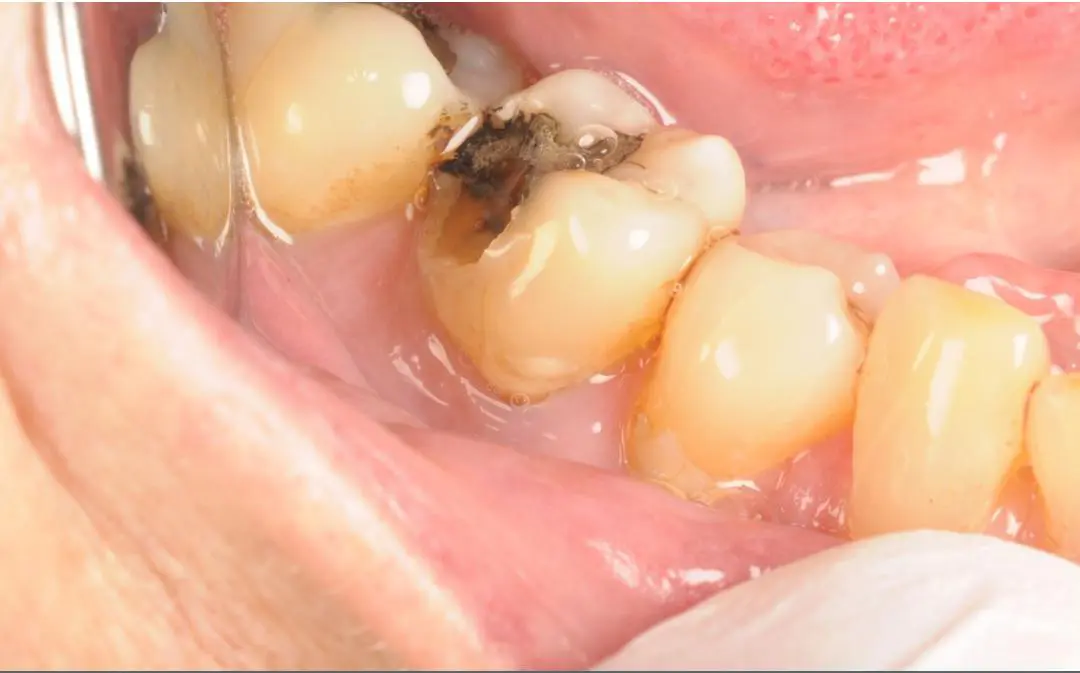
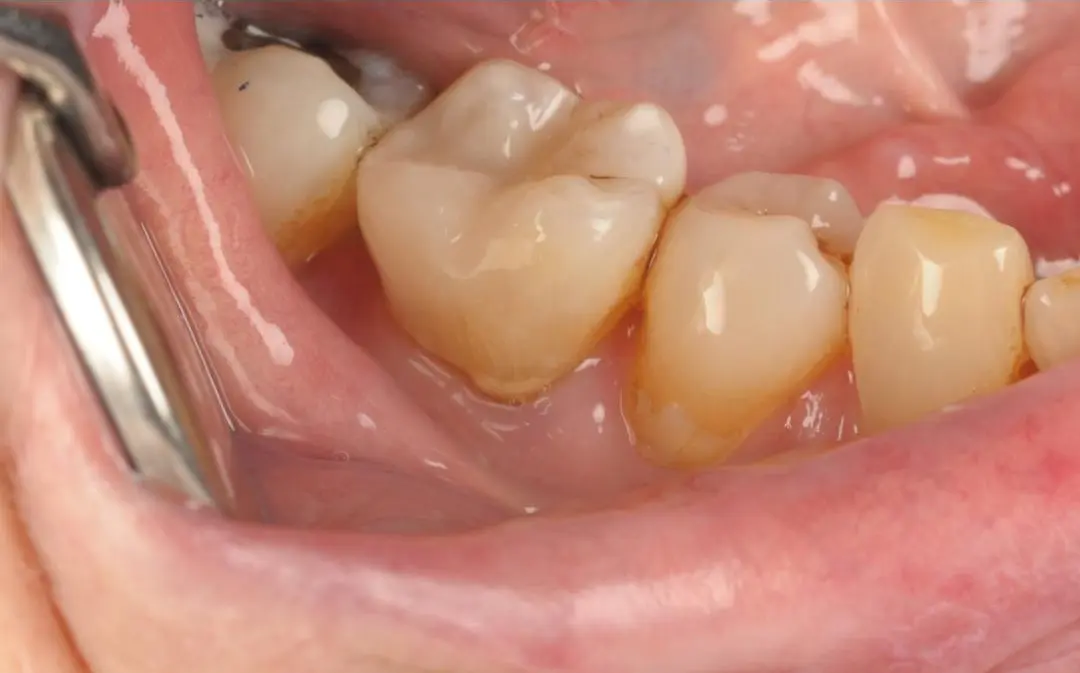
Real Patient Result: Emergency White Filling
Treatment by Dr Kamran
Watch: Your Emergency Dental Appointment Explained
Disclaimer
This article is for general educational purposes only and does not constitute professional dental advice, diagnosis, or treatment. Every patient's circumstances are unique; dental symptoms and treatment options should always be assessed during a clinical examination by a qualified dental professional. No specific outcomes are guaranteed. This content has been prepared in line with GDC, CQC, ASA CAP Code, and GMC communication standards. If you have concerns about your oral health, please contact a registered dentist.