
Persistent tooth discomfort is one of the most common reasons patients search for dental advice online. Whether it manifests as a dull, lingering ache or a sharper recurring sensation, chronic tooth pain can affect daily life — from eating and drinking to sleeping comfortably. It is understandable that many people want to learn about possible explanations before booking a dental appointment.
Understanding the potential chronic tooth pain causes can help you feel more informed and better prepared when speaking with a dental professional. Pain that persists over days or weeks may indicate an underlying dental condition that benefits from early assessment, and knowing what to look out for can support timely decision-making about your oral health.
This article explores the most widely recognised reasons behind ongoing tooth pain, explains the dental science involved, and offers practical guidance on maintaining good oral health. While online information is a helpful starting point, it is important to remember that an accurate understanding of any dental concern requires a professional clinical examination. Our aim is to provide clear, balanced information so you can approach your dental care with confidence and clarity.
Experiencing these symptoms?
Delaying treatment can lead to tooth loss. We have slots available today.
What Causes Chronic Tooth Pain?
Chronic tooth pain causes include dental decay, gum disease, cracked teeth, pulp inflammation, bruxism, and tooth abscess. Ongoing discomfort may result from one or more underlying conditions affecting the tooth structure, nerve, or surrounding tissues. A professional dental assessment is recommended to identify the specific cause and determine appropriate care.
Common Causes of Ongoing Tooth Pain
Chronic tooth pain rarely has a single universal explanation. Several dental conditions are commonly associated with persistent discomfort, and understanding them can help you recognise when professional guidance may be appropriate.
Dental Decay (Caries)
Tooth decay is one of the most prevalent causes of prolonged dental pain. It occurs when bacteria in the mouth produce acids that gradually erode the tooth's protective enamel. If left unaddressed, decay can progress deeper into the tooth, reaching the softer dentine layer and eventually the pulp — the innermost part containing nerves and blood vessels. Patients may initially notice mild sensitivity, which can develop into a more persistent ache as the decay advances.
Meet Dr. Yasha Shirazi
Principal Dentist at Emergency Dentist London
"We treat hundreds of dental emergencies every month. The sooner you come in, the easier the fix usually is."
Book an appointment with our team →Gum Disease (Periodontal Disease)
Gum disease is another frequently identified source of chronic dental discomfort. In its early stages — known as gingivitis — it may cause redness, swelling, or bleeding of the gums. If it progresses to periodontitis, the infection can affect the deeper supporting structures of the teeth, including the bone. This may result in a persistent aching sensation around affected teeth. You can learn more about how gum disease is assessed and managed through professional periodontal care.
Cracked or Fractured Teeth
A crack in a tooth is not always visible to the naked eye, yet it can be a significant source of ongoing pain. Cracked teeth may cause sharp discomfort when biting or chewing, or a lingering ache that comes and goes. The pain often occurs because the crack exposes the sensitive inner layers of the tooth to pressure, temperature changes, or bacteria.
Understanding the Dental Science Behind Chronic Pain
To appreciate why tooth pain can become chronic, it helps to understand basic tooth anatomy. Each tooth consists of several layers:
- Enamel — the hard, protective outer shell visible above the gum line.
- Dentine — a softer, porous layer beneath the enamel that contains microscopic tubules leading towards the nerve.
- Pulp — the central chamber housing the tooth's nerve supply and blood vessels.
- Cementum and periodontal ligament — structures that anchor the tooth root within the jawbone.
When any of these layers become damaged, infected, or inflamed, the nerve within the tooth or surrounding tissues can transmit pain signals. For example, when enamel wears down or a cavity forms, external stimuli such as hot, cold, or sweet substances can reach the dentine tubules and trigger discomfort. If bacteria penetrate further and reach the pulp, the resulting inflammation — known as pulpitis — can cause more intense, sustained pain.
Chronic pain may also originate from the periodontal ligament or jawbone if infection or inflammation spreads beyond the tooth itself. This interconnected anatomy explains why dental pain can sometimes feel diffuse or difficult to localise without professional examination.
Pulpitis and Tooth Nerve Inflammation
Pulpitis is a condition where the pulp tissue inside a tooth becomes inflamed, often as a result of deep decay, repeated dental procedures, or trauma. It is broadly categorised into two types:
- Reversible pulpitis — the inflammation is mild, and the tooth may recover if the underlying cause is treated promptly. Symptoms typically include brief sensitivity to temperature changes.
- Irreversible pulpitis — the inflammation has progressed to a point where the pulp tissue may not heal on its own. This often presents as a more intense, lingering pain that may occur spontaneously or disturb sleep.
When pulpitis becomes irreversible, root canal treatment may be recommended to remove the affected pulp tissue and preserve the tooth structure. It is important to note that the suitability of any treatment depends on individual clinical findings during examination.
Bruxism and Jaw-Related Causes
Not all chronic tooth pain originates from decay or infection. Bruxism — the habitual grinding or clenching of teeth — is a commonly overlooked cause of persistent dental discomfort. Many people grind their teeth during sleep without being aware of it, and over time, this can lead to:
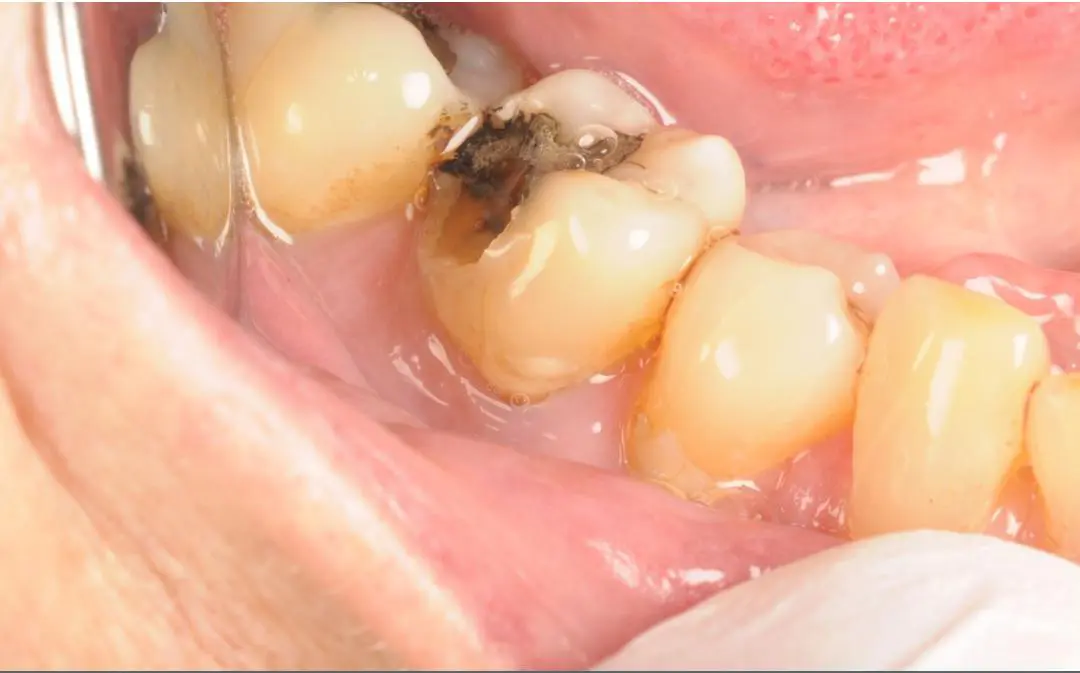
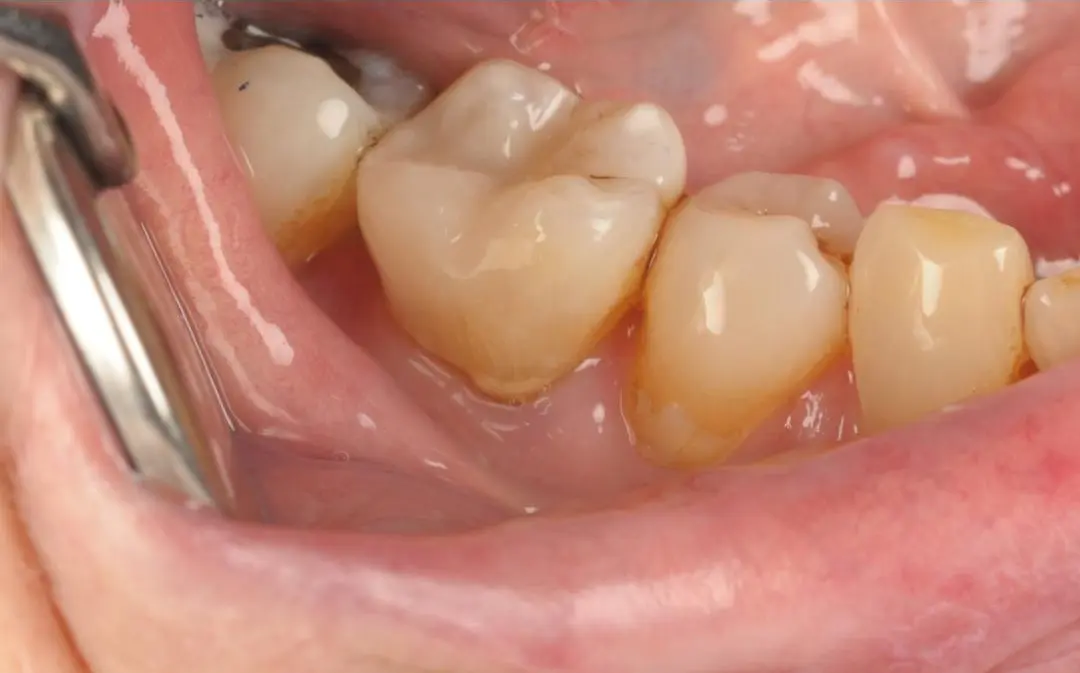
Real Patient Result: Emergency White Filling
Treatment by Dr Kamran
- Worn-down enamel, exposing sensitive dentine
- Micro-fractures in tooth structure
- Strain on the jaw joints (temporomandibular joints)
- Generalised tooth soreness, particularly upon waking
Stress, anxiety, and sleep disturbances are among the factors that may contribute to bruxism. If you experience morning jaw stiffness, facial muscle tenderness, or a pattern of tooth sensitivity that does not appear linked to decay, bruxism may be worth discussing with your dentist. Protective appliances such as custom-made night guards can sometimes help manage the condition, though individual assessment is always necessary.
Dental Abscess and Infection
A dental abscess occurs when a pocket of pus forms as a result of a bacterial infection, typically at the root tip of a tooth or within the gum tissue. Abscesses can develop from untreated decay, gum disease, or trauma, and they often produce a throbbing, persistent pain that may intensify over time.
Additional signs that may accompany a dental abscess include:
- Swelling in the face, cheek, or gum area
- Sensitivity to pressure or touch
- An unpleasant taste in the mouth
- Feeling generally unwell or experiencing a raised temperature
A dental abscess typically requires professional treatment and should not be left unaddressed, as the infection may spread to surrounding tissues. If you suspect an abscess, seeking prompt dental advice is recommended.
When Professional Dental Assessment May Be Needed
While mild, occasional tooth sensitivity is relatively common and may not always indicate a serious concern, certain patterns and symptoms suggest that a professional evaluation could be beneficial. Consider seeking dental advice if you experience:
- Tooth pain that persists for more than a few days
- Pain that worsens or does not respond to over-the-counter pain relief
- Sensitivity to hot or cold that lingers after the stimulus is removed
- Swelling in the gums, face, or jaw
- Pain when biting or chewing
- A tooth that feels loose or has changed position
- Any signs of infection, such as discharge or a persistent unpleasant taste
These symptoms do not necessarily indicate a severe condition, but they may benefit from clinical investigation to understand the underlying cause. Early assessment often allows for a wider range of management options and may help prevent a condition from progressing.
If you are experiencing dental discomfort that concerns you, our team is available to help. You can learn more about accessing timely care through our emergency dental appointments.
Please note: Prices referenced in the video may be subject to change. A full treatment plan with associated costs will be provided following an individual consultation and clinical assessment.
Prevention and Oral Health Advice
While not all causes of chronic tooth pain can be prevented, good oral hygiene practices and regular dental visits can significantly reduce many risk factors. The following practical steps may help support your long-term dental health:
- Brush twice daily using a fluoride toothpaste and a soft-bristled toothbrush, taking care to clean along the gum line.
- Clean between your teeth daily using interdental brushes or floss to remove plaque from areas your toothbrush cannot reach.
- Limit sugary and acidic foods and drinks, as these contribute to enamel erosion and the development of decay.
- Attend regular dental check-ups, as these allow your dentist to identify potential concerns at an early stage, often before symptoms develop.
- Wear a mouthguard if you play contact sports, to reduce the risk of trauma and fractures.
- Discuss bruxism with your dentist if you suspect you may be grinding your teeth, as early management can help protect tooth structure.
- Avoid using teeth as tools — opening packaging or biting hard objects can cause cracks that may not be immediately apparent.
Taking a proactive approach to oral health does not eliminate all risk, but it provides a strong foundation for maintaining healthy teeth and gums throughout life.
Key Points to Remember
- Chronic tooth pain may result from a range of conditions, including decay, gum disease, cracked teeth, pulpitis, bruxism, or dental abscess.
- Understanding basic tooth anatomy can help explain why pain develops and persists.
- Not all tooth pain indicates a severe problem, but persistent symptoms benefit from professional assessment.
- Good daily oral hygiene and regular dental check-ups are among the most effective ways to reduce the risk of many dental conditions.
- Treatment suitability always depends on individual clinical findings during examination.
- Early dental advice often allows for a broader range of management options.
Frequently Asked Questions
Why does my tooth hurt constantly but there is no visible problem?
Chronic tooth pain does not always correspond to something visible. Conditions such as micro-cracks, early-stage pulpitis, or bruxism-related wear may not be obvious to the naked eye. Similarly, issues affecting the tooth root or surrounding bone may only be identifiable through clinical examination and dental X-rays. If you are experiencing persistent discomfort without an apparent cause, a dental assessment can help investigate underlying factors that may not be visible on the surface.
Can stress cause chronic tooth pain?
Stress is a well-recognised contributing factor to bruxism — the unconscious grinding or clenching of teeth. Over time, bruxism can lead to worn enamel, micro-fractures, jaw muscle tension, and generalised tooth soreness. While stress itself does not directly cause tooth decay or infection, its effects on habits such as grinding, poor dietary choices, or reduced attention to oral hygiene may indirectly increase the likelihood of dental discomfort. Managing stress and discussing any suspected bruxism with your dentist may help address this.
How do I know if my tooth pain is caused by an infection?
A dental infection, such as an abscess, may present with throbbing or pulsating pain that persists or worsens over time. Other signs may include localised swelling, sensitivity to pressure, an unpleasant taste, or feeling generally unwell. However, not all infections produce dramatic symptoms in their early stages, and some may develop gradually. If you suspect an infection, seeking prompt dental advice is recommended so that appropriate care can be provided.
Is chronic tooth pain always a sign of something serious?
Not necessarily. While persistent tooth pain should not be ignored, it does not always indicate a severe condition. Mild sensitivity from enamel wear or minor gum inflammation, for example, may be manageable with improved oral hygiene or minor interventions. However, because chronic pain can sometimes signal a progressing condition, professional assessment is advisable to understand the cause and determine whether any treatment is appropriate.
Can a tooth that has had a filling still cause chronic pain?
In some cases, yes. A filled tooth may develop new decay around or beneath the existing filling, or the filling itself may become worn, cracked, or loose over time. Additionally, if the original decay was deep, the underlying pulp may have been affected, potentially leading to delayed pulpitis. If a previously filled tooth begins causing persistent discomfort, a dental review can help assess whether any further care is needed.
How can I manage tooth pain at home before seeing a dentist?
Over-the-counter pain relief such as paracetamol or ibuprofen may help manage discomfort temporarily, following the dosage instructions on the packaging. Rinsing gently with warm salt water can provide soothing relief for some patients. Avoiding very hot, cold, or sugary foods and drinks may also help reduce sensitivity. These measures are intended as temporary support and are not a substitute for professional dental assessment, particularly if pain is severe or persistent.
Conclusion
Chronic tooth pain can arise from a variety of dental conditions, ranging from decay and gum disease to cracked teeth, nerve inflammation, bruxism, and infection. Understanding the potential chronic tooth pain causes discussed in this article can help you make informed decisions about your oral health and recognise when professional guidance may be appropriate.
Maintaining good daily oral hygiene habits and attending regular dental check-ups remain among the most effective strategies for supporting long-term dental health. If you are experiencing persistent or worsening tooth discomfort, seeking timely advice from a qualified dental professional can help identify the underlying cause and explore suitable options.
Dental symptoms and treatment options should always be assessed individually during a clinical examination.
If you have any concerns about ongoing dental discomfort, our experienced team at Emergency Dentist in London is here to help. We offer same-day appointments and a patient-centred approach to dental care in a welcoming central London setting.
Disclaimer
This article is for general educational purposes only and does not constitute professional dental advice, diagnosis, or treatment. Every patient's circumstances are unique; dental symptoms and treatment options should always be assessed during a clinical examination by a qualified dental professional. No specific outcomes are guaranteed. This content has been prepared in line with GDC, CQC, ASA CAP Code, and GMC communication standards. If you have concerns about your oral health, please contact a registered dentist.