
Many people living with diabetes wonder how their condition might affect their teeth, gums, and overall oral health — particularly when it comes to healing after dental treatment. It is a very common reason people search online, especially those who have recently been diagnosed or are managing long-term diabetes and notice changes in their mouth.
Diabetes can influence a number of aspects of dental health, including how the body responds to infection, how quickly gum tissue heals, and how vulnerable a person may be to certain oral health conditions. Understanding the relationship between dental health and diabetes is an important step in helping patients take informed, proactive steps towards looking after their smile.
This article explains the key dental wellness considerations for patients with diabetes, what signs to be aware of, how dental treatment may be approached, and when speaking with a dental professional could be a helpful next step. All content is educational and intended to support informed conversations with your dental team. For post-procedure recovery planning, you may also find this related guide on monitoring blood sugar during the dental healing phase useful.
Experiencing these symptoms?
Delaying treatment can lead to tooth loss. We have slots available today.
What Should Patients with Diabetes Know About Dental Healing?
Dental health and diabetes are closely linked. Elevated blood glucose levels can reduce the body's ability to fight infection and slow the healing of gum tissue and surgical sites. Patients with diabetes may be at greater risk of gum disease, dry mouth, and delayed recovery after dental procedures. Regular dental monitoring is generally recommended.
Quick Reference: Diabetes and Dental Healing
| What to Monitor | What It May Suggest | Practical Next Step |
|---|---|---|
| Repeated high glucose readings | Slower tissue recovery risk | Follow your diabetes plan and update your clinician |
| Bleeding or swollen gums | Active gum inflammation | Arrange a dental assessment |
| Dry mouth symptoms | Increased decay and irritation risk | Hydrate and discuss saliva-support options |
| Ongoing pain after treatment | Delayed or complicated healing | Contact your dental practice promptly |
| Difficulty eating after treatment | Recovery and glucose-management challenge | Request tailored dietary aftercare advice |
Early review and stable day-to-day glucose control can support more predictable dental healing.
Why the Link Between Diabetes and Oral Health Matters
Diabetes is one of the most prevalent long-term health conditions in the United Kingdom, affecting millions of adults. While much public health attention focuses on cardiovascular and renal complications, the relationship between diabetes and oral health is equally significant and often underappreciated.
Meet Dr. Yasha Shirazi
Principal Dentist at Emergency Dentist London
"We treat hundreds of dental emergencies every month. The sooner you come in, the easier the fix usually is."
Book an appointment with our team →The mouth is frequently described by clinicians as a window into the body's overall health. When blood glucose levels are not well controlled, the oral environment can change in ways that make the gums and teeth more vulnerable. Bacteria thrive on elevated glucose in saliva, creating conditions that may increase the risk of plaque build-up, gum inflammation, and infection.
Equally, the relationship works in both directions. There is a growing body of evidence to suggest that untreated gum disease may make it more difficult to manage blood glucose levels effectively. This bidirectional relationship underscores why oral health monitoring is increasingly considered an important part of holistic diabetes management.
For patients living in London and managing diabetes, maintaining regular dental check-ups and being open with your dental team about your medical history are valuable steps in supporting overall wellness.
How Elevated Blood Glucose Affects the Mouth
Understanding the Underlying Dental Science
When blood glucose levels are persistently elevated, several changes can occur within the oral environment. Glucose-rich saliva provides an environment in which harmful oral bacteria can multiply more readily. This can accelerate the accumulation of plaque — a sticky film of bacteria — along the gum line and between teeth.
Over time, this bacterial activity triggers an inflammatory response in the gum tissue known as gingivitis, which, if left unaddressed, can progress to periodontitis — a more advanced form of gum disease affecting the structures that support the teeth, including bone.
Additionally, diabetes can impair the function of white blood cells responsible for fighting infection. This means the immune response to bacterial challenge in the gums may be less effective, allowing infection to take hold more readily and persist for longer.
Reduced blood circulation — which can be a complication of long-standing or poorly controlled diabetes — also affects the supply of oxygen and nutrients to gum tissue. This is one of the reasons why healing following dental procedures may take longer for some patients with diabetes compared with those without the condition.
It is important to note that many patients with well-managed diabetes maintain excellent oral health. The degree of impact depends on a number of individual factors, all of which are best discussed with your dental and medical team.
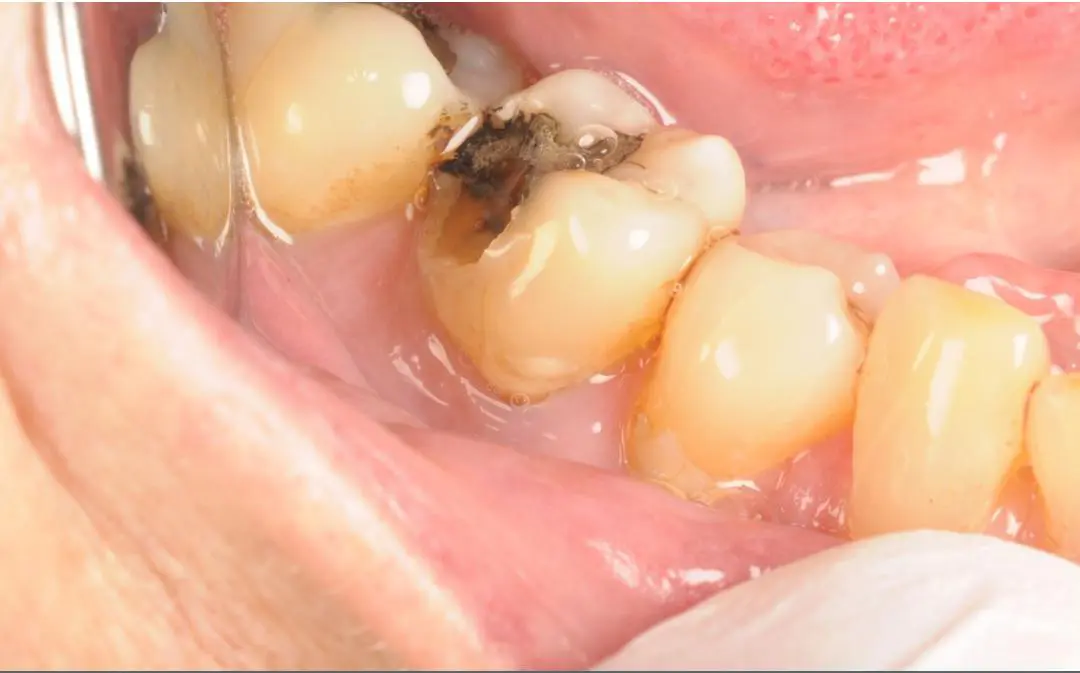
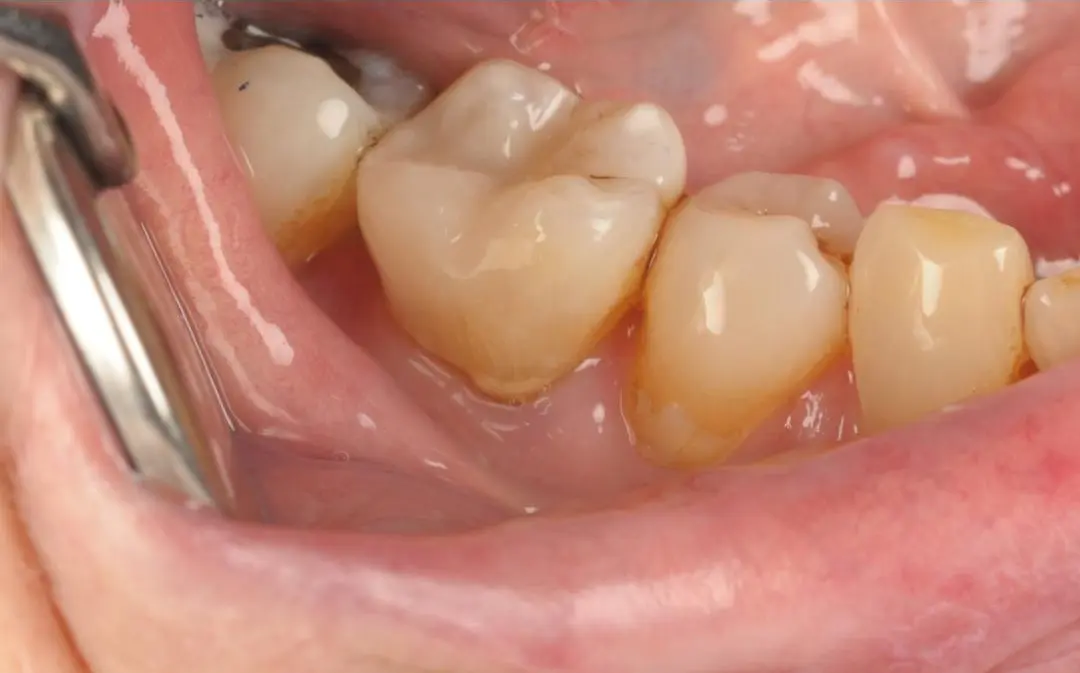
Real Patient Result: Emergency White Filling
Treatment by Dr Kamran
Gum Disease and Diabetes: A Two-Way Relationship
Gum disease is considered one of the most common oral health complications associated with diabetes, and understanding this relationship can help patients take meaningful preventative steps.
Research suggests that individuals with diabetes — particularly those with less well-controlled blood glucose — are at a statistically higher risk of developing gum disease. Conversely, chronic gum disease and its associated systemic inflammation may contribute to difficulties in achieving stable blood glucose control.
Symptoms of gum disease that patients should be aware of include:
- Gums that appear red, swollen, or feel tender
- Gums that bleed during brushing or flossing
- A persistent unpleasant taste or bad breath
- Teeth that appear to be moving or feel less stable
- Gum recession (where the gum line appears to be pulling away from the teeth)
If you notice any of these signs, it is advisable to arrange a dental assessment. Early-stage gum disease is generally very manageable with professional support and good home oral hygiene routines.
You can find out more about early warning signs in this guide to why gums bleed and gingivitis, which is particularly relevant for patients managing diabetes.
Healing After Dental Treatment: What Patients with Diabetes Should Consider
One of the most common concerns patients with diabetes raise is how their condition might affect recovery following dental procedures — whether routine fillings, extractions, or more involved treatments such as implants or periodontal therapy.
Healing is a complex biological process that relies on adequate blood flow, a functioning immune system, and stable blood glucose. When any of these factors is compromised, the body's ability to repair tissue following dental treatment may be affected.
Some practical considerations for patients with diabetes preparing for or recovering from dental treatment include:
- Sharing your full medical history with your dental team, including details of your diabetes management, any medications you take, and your most recent HbA1c results if available
- Maintaining good blood glucose control in the period surrounding dental treatment, as this supports the body's natural healing processes
- Following post-treatment care instructions carefully, including any dietary guidance, cleaning advice, or recommendations regarding activity
- Attending follow-up appointments so your dental team can monitor healing and identify any concerns promptly
- Contacting your dental team if healing appears slower than expected, or if you notice signs of infection such as increased swelling, persistent pain, or discharge
If your treatment included endodontic care, this practical aftercare article on brushing after a root canal can help you maintain hygiene without irritating sensitive tissues.
It is important to understand that dental treatment suitability and approach will always depend on individual clinical assessment. Your dental team will take your medical history fully into account when planning any care.
Dry Mouth and Oral Infections: Additional Considerations
Beyond gum disease, patients with diabetes may also be more susceptible to two further oral health conditions: dry mouth (xerostomia) and oral thrush (oral candidiasis).
Dry Mouth
Some medications used in the management of diabetes can reduce saliva production. Saliva plays a vital protective role in the mouth — it helps to neutralise acids, wash away food particles, and deliver antimicrobial compounds to oral tissues. Reduced saliva flow can therefore increase the risk of tooth decay, gum irritation, and discomfort.
Symptoms of dry mouth include a persistent sensation of dryness or stickiness in the mouth, difficulty swallowing dry foods, and a tendency to wake in the night feeling thirsty.
Oral Thrush
Elevated glucose in saliva can also encourage the overgrowth of Candida albicans, a naturally occurring fungus in the mouth. Oral thrush presents as white or cream-coloured patches on the tongue, inner cheeks, or roof of the mouth, sometimes accompanied by soreness or a burning sensation.
If you are experiencing symptoms consistent with either of these conditions, a dental or medical assessment is advisable to confirm the cause and discuss appropriate management.
When Professional Dental Assessment May Be Appropriate
It is always sensible for patients with diabetes to maintain regular dental check-ups, ideally at a frequency recommended by their dental team based on individual risk. However, there are specific situations where seeking a dental assessment promptly may be particularly relevant:
- Gum bleeding that persists despite consistent brushing and flossing
- Swelling in the gums or face that develops or worsens
- Toothache or dental pain, particularly if associated with swelling or fever
- Slow or unusual healing following a previous dental procedure
- White patches or soreness inside the mouth that do not resolve within two weeks
- Loose teeth or a noticeable change in how teeth fit together
- Persistent bad breath not resolved by regular oral hygiene
These signs do not necessarily indicate a serious condition, but they do warrant professional evaluation. A dental professional can carry out a thorough examination and advise on the most appropriate next steps for your individual circumstances.
If you are in London and experiencing any of the symptoms above and require prompt dental attention, our emergency dental appointments in London are available to support you with an initial clinical assessment.
Dental Implants and Diabetes: Special Considerations
Dental implants are increasingly popular as a restorative option for missing teeth. However, patients with diabetes — and in particular those with less well-controlled blood glucose — may need additional discussion with their dental team before implant treatment is considered.
Dental implants require successful integration with the surrounding bone (a process called osseointegration). Because diabetes can impair healing and increase infection risk, there is some evidence to suggest that uncontrolled diabetes may be associated with a higher risk of complications following implant placement.
This does not mean that dental implants are automatically unsuitable for patients with diabetes. Many patients with well-managed diabetes undergo implant treatment without complication. What it does mean is that a thorough pre-treatment assessment — including discussion of blood glucose management and collaboration with your GP or diabetologist where appropriate — is an important part of the planning process.
If you are considering tooth replacement options and have diabetes, speaking openly with your dental team about your medical history will help ensure that any treatment recommendation is tailored appropriately to your situation.
You can learn more about replacement pathways in this guide to implants vs bridges for replacing teeth to understand the key considerations before committing to treatment.
Prevention and Oral Health Advice for Patients with Diabetes
While diabetes does present some additional oral health considerations, there is a great deal that patients can do to protect their teeth and gums. A consistent, informed approach to preventative oral care is one of the most effective tools available.
Practical Oral Health Guidance
Brush thoroughly twice daily using a fluoride toothpaste. Use a gentle, circular technique and ensure you are cleaning along the gum line as well as the tooth surfaces.
Clean between the teeth daily using interdental brushes or floss. The spaces between teeth are common sites for plaque accumulation and gum disease development.
Attend regular dental check-ups at the frequency recommended by your dental team. Patients with diabetes may benefit from more frequent hygienist appointments to support professional plaque removal and gum monitoring.
Stay well hydrated to help counteract the effects of dry mouth. Sipping water throughout the day and chewing sugar-free gum (which stimulates saliva flow) may be helpful.
Avoid smoking, which significantly increases the risk of gum disease and impairs healing — this is particularly relevant for patients with diabetes.
Inform your dental team of any changes to your diabetes management, medications, or blood glucose control, as these may influence dental care recommendations.
Maintain good dietary habits by limiting sugary food and drink, which feeds oral bacteria and increases the risk of tooth decay.
Working collaboratively with both your dental and medical teams provides the most comprehensive support for managing your oral health alongside diabetes.
Key Points to Remember
- Dental health and diabetes are closely linked — elevated blood glucose can affect gum health, healing, and susceptibility to oral infection.
- Gum disease is more prevalent among patients with diabetes, and the relationship between the two conditions is bidirectional.
- Healing after dental treatment may take longer for some patients with diabetes; sharing your medical history with your dental team is essential.
- Dry mouth and oral thrush are additional conditions that patients with diabetes may be more susceptible to.
- Prevention is highly effective — consistent oral hygiene, regular dental check-ups, and good blood glucose management all contribute to better oral health outcomes.
- Individual assessment is always necessary — any dental treatment plan should take your full medical history and current health status into account.
Frequently Asked Questions
Can diabetes cause tooth loss?
Diabetes does not directly cause tooth loss, but it can significantly increase the risk of conditions that may lead to it if left unmanaged. Poorly controlled blood glucose can contribute to advanced gum disease (periodontitis), which affects the structures supporting the teeth, including bone. Over time, untreated periodontitis can cause teeth to become loose. However, with regular dental care and good blood glucose management, many patients with diabetes maintain healthy teeth throughout their lives. Early intervention is key, which is why regular dental monitoring is particularly valuable for this patient group.
Should I tell my dentist that I have diabetes?
Yes — sharing your full medical history with your dental team, including a diagnosis of diabetes, is very important. Diabetes can influence how your gums respond to treatment, how you heal after procedures, and which treatments may be most appropriate for your circumstances. Your dental team may also wish to liaise with your GP or diabetologist in certain situations. Providing up-to-date information about your medications, blood glucose control, and any recent changes in your health helps your dental team deliver care that is appropriately tailored to you.
Is it safe to have dental treatment if I have diabetes?
For many patients with diabetes, dental treatment can be provided safely and effectively when planned appropriately. The key is ensuring your dental team is fully informed of your medical history before any treatment begins. For routine procedures, many patients with well-managed diabetes experience no significant complications. For more complex treatments such as extractions, implants, or periodontal surgery, your dental team may wish to consider additional precautions or discuss timing in relation to your blood glucose management. Treatment suitability is always determined on an individual basis following clinical assessment.
Why do my gums bleed when I brush my teeth?
Bleeding gums during brushing is a common sign of gingivitis — an early stage of gum disease caused by plaque accumulation along the gum line. For patients with diabetes, the gums may be more susceptible to this inflammatory response due to altered immune function and the effects of elevated blood glucose on oral bacteria. Bleeding gums should not be ignored. In many cases, improved oral hygiene and professional cleaning by a dental hygienist can help to resolve the problem. However, it is advisable to seek a dental assessment to determine the cause and appropriate management.
How often should I visit the dentist if I have diabetes?
The appropriate frequency of dental visits for a patient with diabetes will depend on individual factors including the current state of your oral health, your level of blood glucose control, and any specific risks identified by your dental team. As a general principle, patients with diabetes often benefit from more frequent dental and hygienist appointments than the standard annual check-up — typically every three to six months. Your dental team will be best placed to recommend a recall frequency that is appropriate for your individual needs following a clinical assessment.
Can gum disease affect blood glucose control?
There is evidence to suggest that chronic gum disease (periodontitis) may contribute to systemic inflammation, which in turn can make it more difficult to maintain stable blood glucose levels. Some studies have found that successful treatment of gum disease is associated with modest improvements in glycaemic control, though research in this area is ongoing. This potential two-way relationship between gum disease and blood glucose management further highlights the importance of good oral health as part of overall diabetes care. Patients are encouraged to discuss this with both their dental and medical teams.
Conclusion
Managing dental health as a patient with diabetes requires a thoughtful, informed, and proactive approach. The relationship between dental health and diabetes is well recognised, and understanding how elevated blood glucose can influence the gums, oral tissues, and healing processes is an empowering first step towards better oral wellness.
The good news is that with consistent preventative care, regular professional monitoring, and open communication between patients and their dental teams, it is entirely possible to maintain a healthy mouth alongside a diabetes diagnosis. Sharing your medical history with your dental team, attending regular check-ups, and practising good daily oral hygiene are among the most effective steps you can take.
If you notice any changes in your gum health, experience persistent dental discomfort, or have questions about how diabetes may be affecting your oral health, arranging a professional dental assessment is always a sensible course of action.
Dental symptoms and treatment options should always be assessed individually during a clinical examination.
Disclaimer
This article is for educational and informational purposes only.
It provides general guidance on diabetes and oral health and is not a diagnosis, prescription, or treatment plan.
Individual symptoms and treatment suitability vary and require assessment by a qualified clinician.
No guarantees or assurances of outcomes are expressed or implied.
If you are concerned about your oral or general health, seek advice from a registered dental or medical professional.