
After undergoing a root canal, one of the most common concerns patients have is something surprisingly simple: "Can I brush my teeth tonight?" It is a very reasonable question, and one that many people find themselves searching for online in the hours following their appointment. The anxiety around post-treatment care is completely understandable — your mouth feels different, perhaps tender, and the last thing you want to do is inadvertently cause harm to an area your dentist has just worked so carefully to treat.
Brushing your teeth after a root canal is not only possible for most patients, but it is generally encouraged as part of maintaining good oral hygiene during the recovery period. However, there are important considerations around how you brush, what products you use, and when to seek further dental advice should any concerns arise.
This article aims to provide clear, evidence-informed guidance on gentle post-treatment oral care following a root canal procedure, helping you feel confident and informed throughout your recovery.
Experiencing these symptoms?
Delaying treatment can lead to tooth loss. We have slots available today.
Can You Brush Your Teeth After a Root Canal?
Yes, in most cases you can brush your teeth after a root canal, though gentle technique is essential. Brushing your teeth after a root canal helps maintain oral hygiene and supports the healing process. Use a soft-bristled toothbrush, avoid aggressive pressure around the treated area, and follow any specific aftercare guidance provided by your dental team.
Quick Reference: Brushing After a Root Canal
| Care Step | Recommended? | Why It Matters |
|---|---|---|
| Soft-bristled toothbrush | ✅ Yes | Reduces irritation to sensitive tissue |
| Gentle brushing at gumline | ✅ Yes | Keeps plaque low during healing |
| Aggressive scrubbing on treated tooth | ❌ No | May worsen tenderness |
| Alcohol-free mouthwash | ✅ Yes | Supports hygiene with less irritation |
| Contact dentist if pain/swelling worsens | ✅ Yes | Helps rule out post-treatment complications |
Use a gentle technique and keep the area clean while the tooth and surrounding tissues settle.
What Is a Root Canal and Why Is Aftercare Important?
A root canal — clinically referred to as endodontic treatment — is a dental procedure carried out to remove infected or damaged pulp tissue from inside a tooth. The pulp is the soft tissue at the centre of your tooth that contains nerves and blood vessels. When this tissue becomes infected, typically due to deep decay, a cracked tooth, or repeated dental procedures, a root canal may be recommended to save the natural tooth and eliminate the source of infection.
Meet Dr. Yasha Shirazi
Principal Dentist at Emergency Dentist London
"We treat hundreds of dental emergencies every month. The sooner you come in, the easier the fix usually is."
Book an appointment with our team →During the procedure, your dentist or endodontist carefully cleans out the infected pulp, shapes the root canals, and seals the tooth to prevent further bacterial entry. A temporary or permanent filling is then placed, and in many cases a dental crown is recommended to protect the treated tooth long-term.
Understanding aftercare is important because the tissues surrounding the treated tooth — including the gum and jawbone — can remain sensitive for several days following the procedure. The temporary or permanent restoration placed at the end of treatment also requires careful management during the initial healing phase. Poor oral hygiene during recovery could increase the risk of reinfection or complications, which is why gently brushing your teeth after a root canal remains an important part of post-treatment care.
How to Brush Your Teeth After a Root Canal Safely
Brushing your teeth after a root canal should be approached with care, particularly in the first few days following your appointment. The goal is to maintain oral cleanliness without applying excess pressure to the treated area.
Here are some practical guidelines for most patients:
- Use a soft-bristled toothbrush. A brush with soft bristles is less likely to irritate sensitive gum tissue around the treated tooth.
- Be gentle around the treated area. Avoid scrubbing directly over the tooth or pressing firmly on the surrounding gum.
- Brush at your usual times. Maintaining your regular brushing routine — typically twice daily — supports overall oral hygiene.
- Use fluoride toothpaste. A standard fluoride toothpaste is appropriate for most patients post-treatment, unless your dentist advises otherwise.
- Avoid whitening or abrasive toothpastes. These can be unnecessarily harsh on sensitive teeth during the recovery period.
- Rinse gently. After brushing, rinse with water or a gentle, non-alcoholic mouthwash rather than vigorous swilling.
It is worth noting that every patient's experience differs, and your dentist's individual aftercare instructions should take precedence over general guidance. If you are unsure about any aspect of your post-treatment care, do not hesitate to contact your dental practice directly. For patients in London seeking support, our team at walk-in dentist services in London is available to provide guidance tailored to your individual situation.
What to Expect in Terms of Sensitivity and Discomfort
It is entirely normal to experience some degree of sensitivity or mild discomfort in the days following root canal treatment. Understanding what is typical can help you feel more at ease during your recovery.
Common post-treatment sensations may include:
- Tenderness around the tooth when biting or applying pressure
- Mild aching or throbbing in the area, particularly in the first 24–72 hours
- Sensitivity to temperature in neighbouring teeth
- Slight swelling of the gum directly around the treated tooth
These experiences are generally a normal part of the healing process and are often manageable with over-the-counter pain relief such as paracetamol or ibuprofen, taken as directed on the packaging and as appropriate for your individual health circumstances. Always consult your pharmacist or doctor before taking any medication if you have relevant medical conditions.
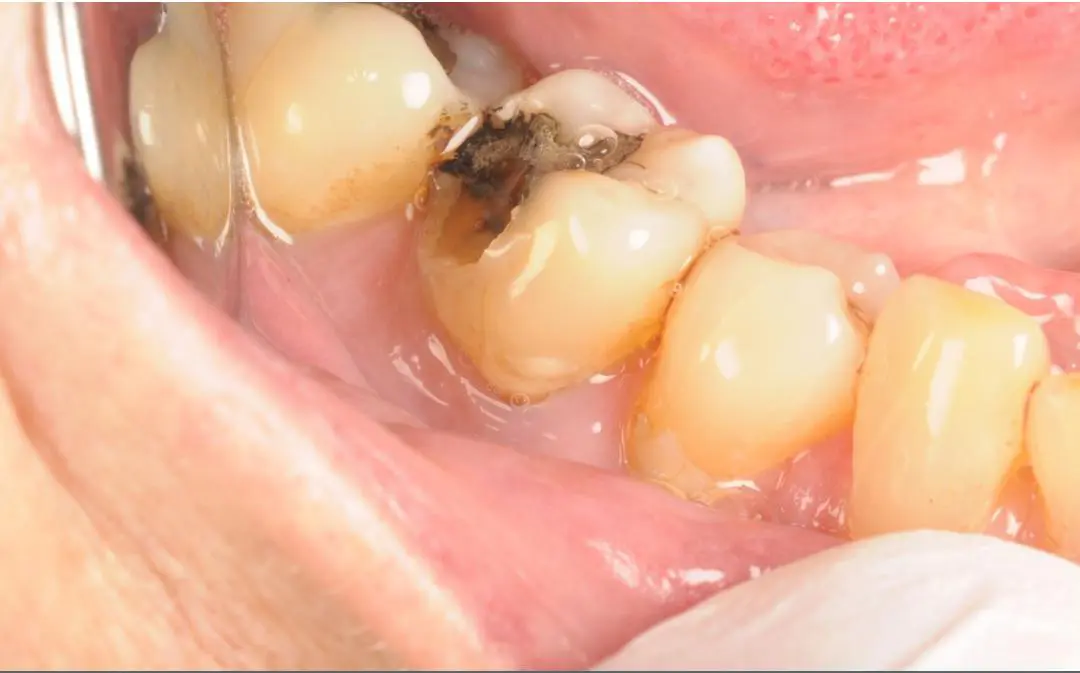
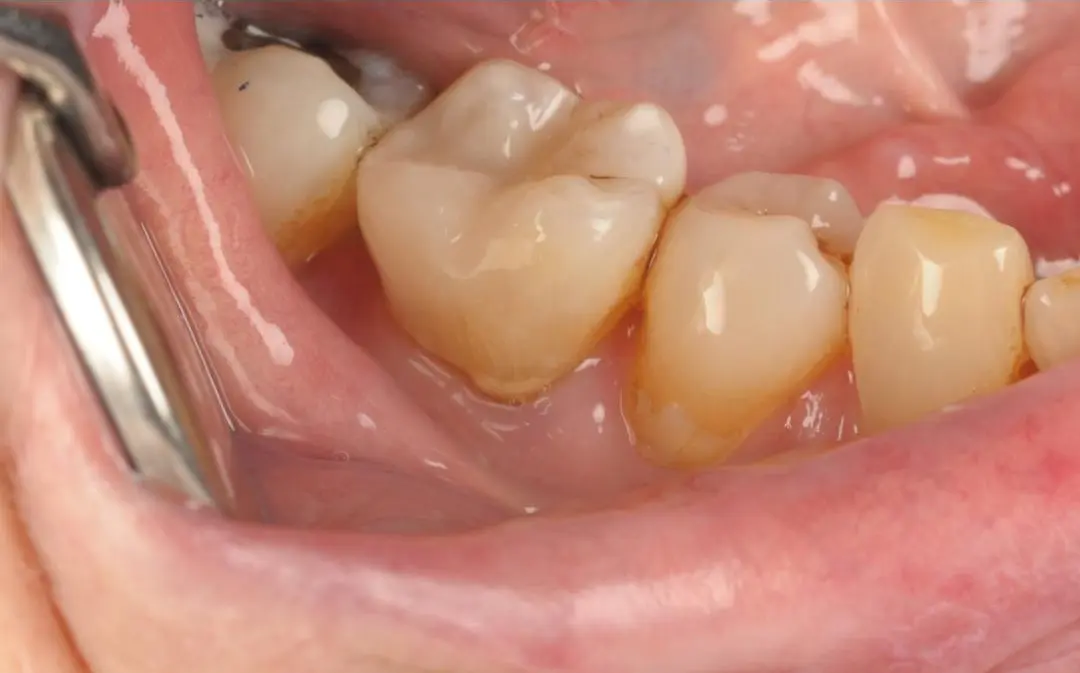
Real Patient Result: Emergency White Filling
Treatment by Dr Kamran
When brushing during this period, the sensitivity you feel may make you want to avoid the area entirely — but light, careful cleaning remains beneficial. Allowing plaque to accumulate around a recently treated tooth is not advisable and could contribute to gum irritation or, in more serious cases, reinfection. If a temporary restoration dislodges during recovery, this guide on what to do when a filling falls out explains safe short-term steps.
The Dental Science Behind Root Canal Recovery
To understand why gentle brushing matters during recovery, it helps to appreciate what is happening inside and around your tooth following treatment.
When infected pulp is removed during a root canal, the surrounding periodontal ligament — a network of fibres connecting the tooth root to the jawbone — can become temporarily inflamed. This inflammation is part of the body's natural healing response and is what accounts for the tenderness many patients feel when biting down in the days after treatment.
The tooth itself, following removal of the pulp, no longer receives the same internal blood supply and nerve signals. This means it may feel slightly different from your natural teeth. The tooth is not weaker immediately after treatment, but it is important that a suitable restoration — often a dental crown — is placed in due course to protect its long-term structural integrity.
The temporary filling or crown placed immediately after treatment creates a seal to prevent bacteria from re-entering the cleaned root canals. Gentle brushing helps preserve the gum environment around this seal. Aggressive brushing or the use of very hard toothbrushes could potentially irritate the gum margin or, in certain circumstances, disturb a temporary restoration. This is why adopting a careful, considered approach to brushing your teeth after a root canal is genuinely important from a clinical perspective.
Flossing, Mouthwash, and Additional Oral Hygiene After a Root Canal
Beyond brushing, your overall oral hygiene routine may need some adjustment in the immediate post-treatment period.
Flossing: Flossing is generally still appropriate after a root canal, though you should be particularly gentle in the area around the treated tooth. Glide the floss carefully between the teeth without snapping it against the gum line. If your dentist has placed a temporary restoration, ask them whether flossing around that tooth is advisable, as this can vary depending on the type of temporary filling used.
Mouthwash: A gentle, alcohol-free antibacterial mouthwash can be a useful addition to your oral hygiene routine after a root canal. Alcohol-based mouthwashes may cause unnecessary irritation to sensitive tissues in the immediate recovery period. If you have been prescribed a specific antibacterial mouthwash by your dentist, use it as directed.
Interdental brushes: Small interdental brushes can be used carefully between teeth, though again, light pressure near the treated area is important.
Dietary considerations: Whilst not directly related to brushing, avoiding very hard, sticky, or chewy foods in the days following treatment helps protect any temporary restoration and reduces the risk of placing excess force on a sensitive tooth.
For patients who have recently undergone endodontic treatment and would like further guidance on maintaining their oral health, our root canal treatment information page provides additional educational resources.
When Professional Dental Assessment May Be Needed
Whilst mild discomfort and sensitivity following a root canal are generally expected, there are certain symptoms that may warrant a follow-up dental assessment. It is important to approach these calmly — in many cases, a brief check-up is all that is needed to provide reassurance or address a minor concern.
You may wish to contact your dental practice if you experience:
- Pain that is worsening rather than improving after the first few days
- Significant swelling of the face, jaw, or gum that does not begin to subside
- A raised bump or small spot on the gum near the treated tooth (sometimes called a sinus tract or dental abscess)
- A visible crack or loss of the temporary filling or restoration
- Difficulty swallowing or breathing, which in rare cases may indicate spreading infection and should be treated as a medical emergency
- An unpleasant taste that persists in the mouth around the treated area
- The feeling that your bite is significantly higher on the treated tooth than it was before
Dental symptoms and concerns after a root canal are usually straightforward to assess and address. Early contact with your dental team means any issues can be identified and managed promptly. Never feel that a concern is too minor to mention — your dental team is there to support you through your recovery.
Seeking Same-Day Dental Support in London
If you are experiencing post-treatment concerns and need prompt professional assessment, the following video explains how same-day dental appointments can be arranged at our London clinic:
If you are in London and require urgent dental advice following root canal treatment, our emergency dental appointments service is available to help you access professional assessment efficiently.
Prevention and Long-Term Oral Health After Root Canal Treatment
Once your root canal treatment is complete and your recovery is well underway, maintaining excellent oral hygiene forms the cornerstone of protecting your investment in your dental health. A tooth that has undergone root canal treatment can last for many years — sometimes a lifetime — with appropriate care and regular dental monitoring.
Practical steps for long-term oral health following root canal treatment:
- Attend your recommended follow-up appointments. Your dentist will wish to review the treated tooth and may take a follow-up X-ray to confirm healing is progressing as expected.
- Proceed with the recommended permanent restoration. If a dental crown has been recommended, ensuring this is fitted in a timely manner helps protect the tooth from fracture and further damage.
- Maintain a consistent oral hygiene routine. Brushing twice daily with fluoride toothpaste and cleaning between teeth daily with floss or interdental brushes remains the most effective foundation for oral health.
- Attend regular dental check-ups. Routine appointments allow your dentist to monitor the treated tooth alongside your overall oral health.
- Manage contributing risk factors. If tooth decay led to the need for root canal treatment, a conversation with your dentist about dietary habits, fluoride use, and preventative treatments such as fissure sealants may be worthwhile.
- Manage systemic health factors when relevant. If you live with diabetes or glucose variability, this guide to monitoring blood sugar during dental healing can support safer recovery planning.
- Avoid using teeth as tools. Biting nails, opening packaging with teeth, or chewing very hard objects can place undue stress on restored teeth.
Key Points to Remember
- Brushing your teeth after a root canal is generally safe and recommended, but a gentle technique using a soft-bristled toothbrush is essential during the recovery period.
- Some sensitivity and mild discomfort are normal in the first few days following treatment and are typically part of the healing process.
- Avoid aggressive brushing, abrasive toothpastes, and alcohol-based mouthwashes during the immediate post-treatment phase.
- Flossing can continue with care, though you should check with your dentist regarding flossing around any temporary restoration.
- Certain symptoms — such as worsening pain, significant swelling, or loss of a temporary filling — are worth discussing with your dental team promptly.
- Long-term care, including a permanent restoration and regular check-ups, plays an important role in maintaining the health of a root-canal-treated tooth.
Frequently Asked Questions
How long after a root canal can I brush my teeth normally?
Most patients can resume careful brushing on the same day as their root canal treatment, provided they use a soft-bristled brush and avoid applying heavy pressure around the treated area. Within a week or so, as sensitivity reduces, many patients find they can return to their normal brushing technique. However, the transition back to normal brushing should be guided by how your mouth feels and by any aftercare instructions provided by your dentist. If you remain uncertain, a brief call to your dental practice can provide reassurance specific to your situation.
Is it normal for my tooth to feel sore when I brush it after a root canal?
Yes, it is quite common for the tooth and surrounding gum to feel tender when touched in the first few days after root canal treatment. This tenderness is related to inflammation in the periodontal ligament — the tissue connecting the tooth root to the jawbone — which is a natural part of the healing response. Using a soft-bristled toothbrush and applying light pressure will help minimise discomfort whilst maintaining effective cleaning. If the soreness is significant or worsening after a few days, it is worth contacting your dental team for a review.
Can I use an electric toothbrush after a root canal?
An electric toothbrush can generally be used after a root canal, provided you choose a gentle or sensitive mode if available and avoid pressing the brush head firmly against the treated tooth or surrounding gum. Many electric toothbrushes with soft replacement brush heads are effective at cleaning without requiring additional manual pressure. If you are in any doubt, a manual soft-bristled toothbrush is a straightforward alternative during the initial days of recovery, and you can return to your electric toothbrush as sensitivity subsides.
Should I avoid certain foods alongside brushing after a root canal?
Yes, dietary choices are an important complement to good brushing during recovery. In the days immediately following root canal treatment, it is generally advisable to avoid very hard, crunchy, sticky, or chewy foods that could place excess pressure on the treated tooth or dislodge a temporary restoration. Avoiding very hot or cold foods and drinks may also help manage temperature sensitivity. Once a permanent restoration is in place and healing is confirmed by your dental team, most patients can return to their usual diet, though maintaining a balanced diet low in frequent sugar exposure remains beneficial for overall dental health.
When should I contact a dentist after a root canal?
You should consider contacting your dentist if you experience pain that worsens progressively rather than gradually improving, significant facial or gum swelling that is not subsiding, a visible loss or damage to your temporary filling or crown, a persistent unpleasant taste in the mouth, or any symptoms that concern you. Whilst some discomfort following root canal treatment is entirely normal, your dental team is well placed to distinguish between expected healing sensations and symptoms that may require further attention. Never feel you must wait if something does not feel right.
How do I know if my root canal treatment has been successful?
The success of root canal treatment is typically assessed by your dentist during follow-up appointments, which may include clinical examination and X-ray imaging. Signs that recovery is progressing well generally include a gradual reduction in sensitivity and discomfort, no swelling or signs of infection around the tooth, and the tooth feeling comfortable in your normal bite over time. It is important to understand that treatment outcomes can vary between individuals and depend on a number of clinical factors. Your dentist is best placed to discuss the expected outlook for your specific situation during a clinical consultation.
Conclusion
Recovering from root canal treatment is, for many patients, a more manageable experience than they anticipate. Understanding how to care for your mouth during this period — including how to approach brushing your teeth after a root canal — goes a long way towards supporting a smooth healing process.
The key principles are straightforward: brush gently with a soft-bristled toothbrush, avoid abrasive products and excessive pressure near the treated area, maintain your broader oral hygiene routine with care, and follow the specific aftercare guidance provided by your dental team. Mild sensitivity and tenderness in the first few days are entirely normal, and most patients find these sensations ease considerably within a week.
If you have concerns at any stage of your recovery — whether about symptoms you are experiencing or simply how to manage your oral care — do not hesitate to reach out to your dental practice. Professional guidance is always the most reliable source of advice for your individual circumstances.
Dental symptoms and treatment options should always be assessed individually during a clinical examination.
Disclaimer
This article is for educational and informational purposes only.
It gives general guidance on oral hygiene after root canal treatment and is not a diagnosis or treatment recommendation.
Individual symptoms and treatment suitability vary and must be assessed by a qualified dental professional.
No specific outcomes are guaranteed.
If you have ongoing pain, swelling, or concerns, seek advice from a registered dental professional.