
Dental emergencies never seem to follow a convenient schedule. Many Londoners find themselves dealing with severe tooth pain, knocked-out teeth, or dental trauma precisely when their regular dentist's surgery is closed. The timing of a dental emergency can significantly impact your treatment options, costs, and the urgency of care available.
Understanding the differences between weekend and weekday dental emergencies helps patients make informed decisions about when and where to seek treatment. Whether you're experiencing sudden tooth pain on a Saturday evening or dealing with dental trauma during regular working hours, knowing what options are available can reduce anxiety and ensure you receive appropriate care.
Weekend dental emergencies often present unique challenges compared to weekday incidents, from limited practitioner availability to different fee structures. This article explores these key differences and explains when various types of urgent dental care may be most appropriate for your situation. For Sunday-specific pathways, see where to go for Sunday dental emergencies in London.
Experiencing these symptoms?
Delaying treatment can lead to tooth loss. We have slots available today.
What makes weekend dental emergencies different from weekday ones?
Weekend dental emergencies typically involve limited practitioner availability and higher treatment costs compared to weekday appointments. Emergency dental services during weekends often operate through specialist clinics or hospital dental departments, whilst weekday emergencies can usually be managed through your regular dental practice with extended availability and familiar treatment teams.
Availability of Emergency Dental Services
Weekday Emergency Options
During weekdays, most dental practices reserve emergency appointment slots for urgent cases. Your regular dentist is typically available to assess dental trauma, severe pain, or infection symptoms. Many practices offer same-day emergency slots between 8 AM and 6 PM, allowing you to receive treatment from a practitioner familiar with your dental history.
Weekday emergencies benefit from full dental team availability, including dental nurses, practice managers, and administrative staff. This means comprehensive treatment options, access to your dental records, and the ability to schedule follow-up appointments seamlessly.
Meet Dr. Yasha Shirazi
Principal Dentist at Emergency Dentist London
"We treat hundreds of dental emergencies every month. The sooner you come in, the easier the fix usually is."
Book an appointment with our team →Weekend Emergency Services
Weekend dental emergencies rely primarily on dedicated emergency dental clinics, hospital dental departments, or private emergency services. These facilities operate with reduced staffing levels and may have limited treatment capabilities compared to your regular practice.
Emergency dental services at weekends typically focus on pain relief, infection management, and stabilising dental trauma until comprehensive treatment can be arranged during regular practice hours. The practitioner treating you may not have access to your complete dental history, which can affect treatment planning.
Cost Differences Between Weekend and Weekday Care
Weekday Emergency Fees
Weekday emergency appointments through your regular NHS or private dental practice typically follow standard fee structures. NHS urgent treatment charges follow the current NHS band system, whilst private practices set their own emergency consultation and treatment fees depending on complexity and location.
Your regular practice may offer payment plans or existing treatment package coverage for emergency care, particularly if you're already undergoing treatment or part of a dental maintenance plan.
Weekend Premium Charges
Weekend emergency dental services often operate under premium pricing structures due to out-of-hours availability. Private emergency clinics may use higher out-of-hours consultation fees, while hospital pathways and NHS access models can differ by area. If fast access is your priority, this guide on urgent care access options explains practical alternatives.
Some dental insurance policies cover emergency weekend care, but coverage varies significantly between providers. It's worth checking your policy details to understand what emergency treatments are included during out-of-hours periods.
Treatment Scope and Limitations
Comprehensive Weekday Care
Weekday dental emergencies allow for comprehensive treatment options including root canal therapy, complex restorations, and surgical procedures. Your regular practice has access to full equipment, dental laboratories for same-day repairs, and specialist referral networks if complex treatment is required.
Follow-up care can be scheduled immediately, ensuring continuity of treatment and optimal outcomes. Prescription medications, detailed treatment planning, and coordination with other healthcare providers are readily available during regular practice hours.
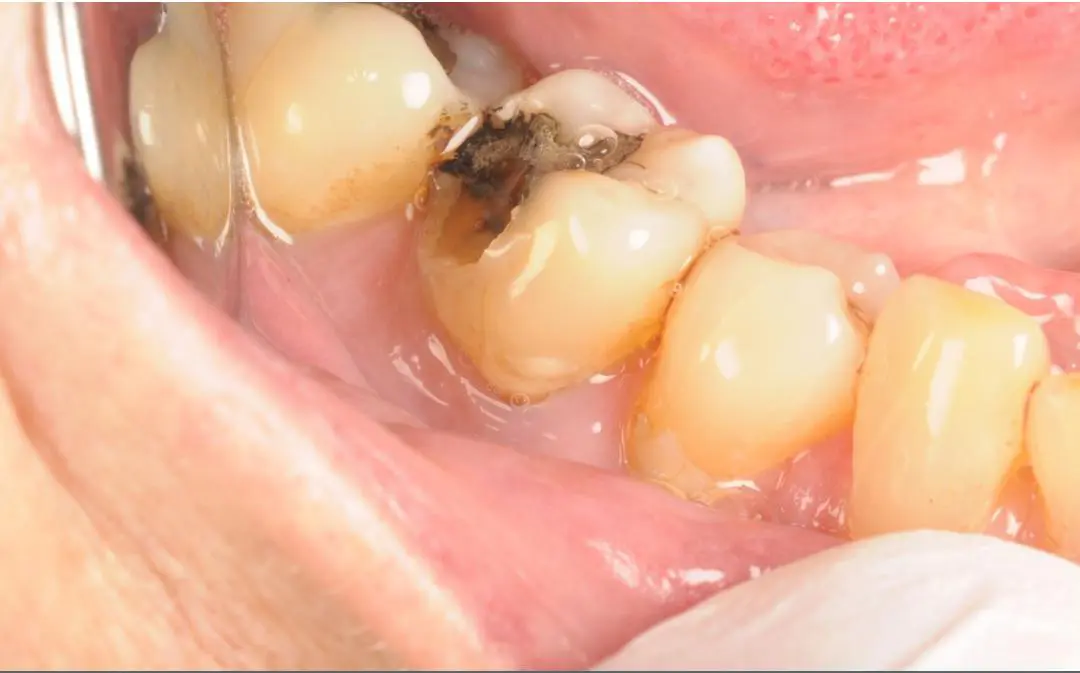
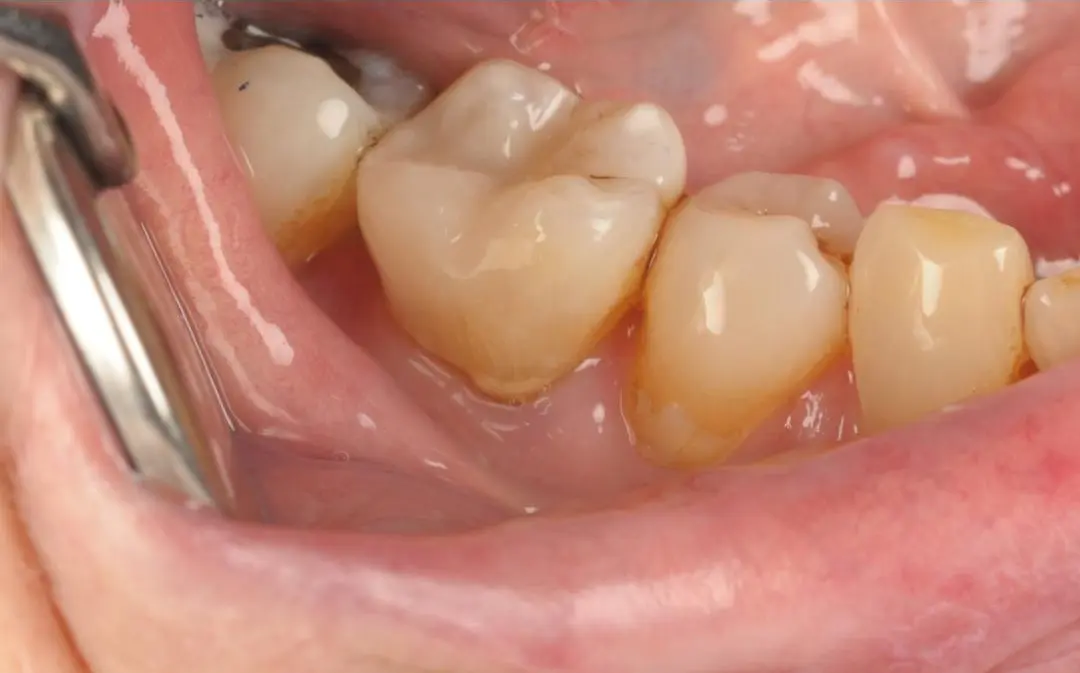
Real Patient Result: Emergency White Filling
Treatment by Dr Kamran
Limited Weekend Interventions
Weekend emergency services focus primarily on stabilising urgent conditions rather than providing definitive treatment. Common weekend treatments include pain relief, temporary fillings, basic dental trauma management, and antibiotic prescriptions for dental infections.
Complex procedures such as root canal therapy, crown preparations, or surgical extractions may be delayed until weekday appointments when full treatment facilities and specialist support are available.
Understanding Dental Emergency Classifications
True dental emergencies require immediate attention regardless of timing. These include uncontrolled bleeding, facial swelling affecting breathing or swallowing, dental trauma with tooth displacement, or severe pain unresponsive to over-the-counter pain relief.
Urgent dental problems can typically wait until the next working day but require prompt attention. These include moderate tooth pain, lost fillings or crowns, minor dental trauma, or early signs of dental infection without systemic symptoms.
Non-urgent dental issues can be managed through routine appointments during regular practice hours. These include minor sensitivity, small chips without pain, or cosmetic concerns that don't affect function or comfort.
When Professional Dental Assessment May Be Needed
Certain symptoms warrant immediate dental evaluation regardless of whether they occur during weekdays or weekends. Severe, persistent tooth pain that disrupts sleep or daily activities requires prompt professional assessment to identify the underlying cause and prevent complications.
Facial swelling, particularly around the eyes, neck, or throat area, may indicate serious dental infection requiring urgent treatment. Any swelling that affects breathing, swallowing, or speaking needs immediate medical attention through hospital emergency departments.
Dental trauma involving knocked-out teeth, fractured teeth with exposed nerves, or significant soft tissue injuries requires prompt evaluation to maximise treatment success. The timing of treatment after dental trauma significantly affects long-term outcomes, particularly for tooth reimplantation procedures.
Uncontrolled bleeding from dental procedures, injuries, or spontaneous gum bleeding that doesn't respond to direct pressure may indicate underlying health issues requiring immediate assessment through emergency dental services or hospital care.
Prevention and Oral Health Maintenance
Maintaining excellent oral hygiene reduces the likelihood of weekend dental emergencies. Regular brushing with fluoride toothpaste, daily flossing, and routine dental check-ups help identify potential problems before they become urgent issues requiring emergency treatment.
Protective measures during sports activities significantly reduce dental trauma risk. Custom-fitted mouthguards provide superior protection compared to over-the-counter alternatives, particularly for contact sports or activities with fall risks.
Avoiding hard foods, ice chewing, and using teeth as tools prevents many common dental emergencies. Being mindful of dietary choices, particularly limiting sugary snacks and acidic drinks, supports overall oral health and reduces decay-related emergency visits.
Regular dental maintenance appointments allow early identification and treatment of developing problems. Routine dental care helps prevent minor issues from progressing to painful emergency situations requiring urgent intervention.
Managing Pain Until Professional Treatment
Appropriate pain management can help bridge the gap between emergency onset and professional treatment, particularly during weekend periods when immediate dental care may be limited. Over-the-counter pain relievers such as ibuprofen or paracetamol can provide temporary relief when used according to package directions.
Cold compresses applied to the outside of the face can reduce swelling and provide pain relief for dental trauma or infection. Apply cold packs for 15-20 minutes at intervals, avoiding direct ice contact with skin to prevent tissue damage.
Rinsing gently with warm salt water may help reduce bacterial levels around infected areas and provide mild pain relief. Avoid vigorous rinsing, which could disturb blood clots or aggravate sensitive areas.
Temporary dental repair kits available from pharmacies can provide short-term relief for lost fillings or crowns. These are temporary solutions only and require prompt professional replacement to prevent further damage or complications.
Key Points to Remember
- Weekend dental emergencies typically involve limited practitioner availability and higher treatment costs compared to weekday care
- Emergency weekend services focus on stabilising urgent conditions rather than providing comprehensive treatment
- Weekday emergencies benefit from full dental team availability and access to complete treatment options
- True dental emergencies require immediate attention regardless of timing, whilst urgent problems can often wait until regular practice hours
- Preventive care and protective measures significantly reduce the risk of emergency dental situations
- Appropriate pain management techniques can provide temporary relief until professional treatment is available
Frequently Asked Questions
What qualifies as a true dental emergency requiring weekend treatment?
True dental emergencies include uncontrolled bleeding, facial swelling affecting breathing or swallowing, severe trauma with tooth displacement, or excruciating pain unresponsive to over-the-counter medication. These situations require immediate attention regardless of timing. Less urgent issues such as moderate pain, lost fillings, or minor chips can typically wait until regular practice hours whilst being managed with appropriate pain relief and temporary measures.
Are weekend emergency dental fees covered by NHS treatment?
NHS emergency dental treatment generally follows standard NHS charging principles regardless of timing, though service access and pathways can vary by area. However, NHS emergency services may have limited weekend availability, potentially requiring treatment through hospital dental departments with longer waiting times. Private emergency clinics may use premium out-of-hours pricing, with fees varying by provider, complexity, and location.
How long can I safely wait with tooth pain before seeking emergency treatment?
Mild to moderate tooth pain that responds to over-the-counter pain relief can typically be managed until the next working day with appropriate pain management techniques. However, severe pain that disrupts sleep, eating, or daily activities, particularly when accompanied by swelling, fever, or facial numbness, requires prompt professional assessment. Pain that progressively worsens despite medication may indicate advancing infection requiring urgent treatment.
What should I do if a tooth is knocked out during the weekend?
Time-critical dental trauma such as knocked-out teeth requires immediate action regardless of timing. Handle the tooth by the crown only, rinse gently if dirty, and attempt to reinsert it into the socket if possible. If reinsertion isn't feasible, store the tooth in milk or saliva and seek emergency dental care immediately. The success of tooth reimplantation decreases significantly after the first hour, making prompt weekend emergency treatment essential for optimal outcomes.
Can weekend emergency dentists perform complex treatments like root canals?
Weekend emergency dental services typically focus on pain relief, infection management, and stabilising urgent conditions rather than complex procedures. While some emergency clinics may offer root canal therapy, most weekend treatments involve temporary measures such as opening drainage, prescribing antibiotics, or providing temporary fillings. Comprehensive treatments are usually scheduled during regular practice hours when full equipment, laboratory services, and specialist support are readily available.
How can I tell if dental pain is serious enough for weekend emergency care?
Severe dental pain requiring weekend emergency care typically includes symptoms that significantly impact daily function, such as inability to sleep, eat, or concentrate due to pain intensity. Additional warning signs include facial swelling, fever, difficulty swallowing, or numbness in the face or lips. Pain accompanied by these systemic symptoms may indicate serious infection requiring prompt treatment through emergency dental services or hospital care rather than waiting for routine appointments.
Related Emergency Dental Guides
- No Appointment Needed Walk In Dental Care London
- How To Find A Walk In Dentist Near You In Central London
- Benefits Of Choosing Private Emergency Dentist London Team
Conclusion
Understanding the differences between weekend and weekday dental emergencies helps London residents make informed decisions about when and where to seek urgent dental care. Weekend emergencies typically involve limited treatment options, higher costs, and focus on stabilising conditions until comprehensive care can be provided during regular practice hours.
Recognising true dental emergencies versus urgent but manageable problems ensures appropriate use of emergency services whilst avoiding unnecessary expense and stress. Preventive care, protective measures, and maintaining excellent oral hygiene significantly reduce the likelihood of emergency dental situations occurring during inconvenient times.
Whether experiencing dental problems during weekdays or weekends, prompt professional assessment remains crucial for optimal outcomes. Dental symptoms and treatment options should always be assessed individually during a clinical examination.
Disclaimer
This article is for general educational purposes only.
It does not replace professional dental advice, diagnosis, or treatment.
All symptoms and treatment options should be assessed in a clinical examination by a qualified dentist.
Treatment suitability and outcomes vary by individual circumstances.