
When dental pain strikes unexpectedly or a dental emergency occurs outside regular practice hours, many London residents find themselves searching for immediate dental care without the delay of booking appointments weeks in advance. The frustration of experiencing toothache, dental trauma, or sudden oral health concerns whilst being unable to secure timely dental treatment is a common challenge faced by patients across the capital.
Walk-in dental care provides an accessible solution for those requiring urgent dental assessment and treatment without the traditional appointment booking process. This service model addresses the gap between emergency dental services and routine dental care, offering patients flexibility and peace of mind when dental issues arise unexpectedly.
Understanding how walk-in dental services operate, what conditions they can address, and when this type of care might be appropriate can help patients make informed decisions about their oral health. Professional dental assessment remains essential for accurate diagnosis and appropriate treatment planning, regardless of the access method chosen. For location-specific practical steps, see how to find a walk-in dentist in Central London.
Experiencing these symptoms?
Delaying treatment can lead to tooth loss. We have slots available today.
Can I get dental treatment without booking an appointment in London?
Yes, walk-in dental care is available in London, allowing patients to receive dental assessment and treatment without pre-booking appointments. These services typically operate on a first-come, first-served basis and can address urgent dental concerns, routine check-ups, and various dental treatments depending on the clinic's capabilities.
Understanding Walk-In Dental Services
Walk-in dental clinics operate differently from traditional dental practices by accepting patients without scheduled appointments. These services recognise that dental problems don't always occur during convenient hours or with advance notice. The model provides flexibility for patients who may have unpredictable schedules, visitors to London requiring dental care, or those experiencing sudden onset dental symptoms.
Most walk-in dental services maintain extended operating hours, including evenings and weekends, to accommodate patients when conventional dental practices may be closed. The approach prioritises accessibility whilst maintaining clinical standards and quality of care. Patients typically register upon arrival and are seen based on the severity of their condition and order of arrival.
Meet Dr. Yasha Shirazi
Principal Dentist at Emergency Dentist London
"We treat hundreds of dental emergencies every month. The sooner you come in, the easier the fix usually is."
Book an appointment with our team →The range of treatments available through walk-in services varies between clinics but often includes emergency dental care, routine examinations, dental hygiene treatments, and common restorative procedures. More complex treatments may require follow-up appointments or referral to specialist services. Patients balancing speed and access can also review how to access urgent dental care faster.
Types of Dental Concerns Addressed
Walk-in dental services can manage a wide spectrum of oral health concerns, from acute dental emergencies to routine preventative care. Common reasons patients seek walk-in dental treatment include sudden toothache, dental trauma from accidents or sports injuries, lost or damaged fillings, crown issues, and gum problems causing discomfort.
Routine dental care is also accessible through walk-in services, including dental check-ups, professional cleaning, oral health assessments, and preventative treatments. This accessibility particularly benefits individuals with irregular schedules, shift workers, or those who have difficulty planning dental appointments in advance.
Some walk-in clinics also provide cosmetic dental consultations, tooth whitening services, and minor orthodontic assessments. The immediate availability of professional dental advice allows patients to discuss their oral health concerns promptly and receive appropriate guidance on treatment options. If your issue involves a missing restoration, the clinic's lost filling and crown replacement page explains common same-day options.
Clinical Assessment Process
Professional dental assessment follows established clinical protocols regardless of whether patients attend through appointment or walk-in systems. Upon arrival, patients undergo registration and medical history review to ensure safe and appropriate treatment planning. This process includes discussing current symptoms, previous dental treatment, medical conditions, and any medications that might affect dental care.
The clinical examination involves visual inspection of the teeth, gums, and oral tissues, often supported by diagnostic tools such as dental X-rays when indicated. This thorough assessment enables accurate diagnosis and identification of underlying dental conditions that may not be immediately apparent from symptoms alone.
Treatment recommendations are based on clinical findings and individual patient factors including overall health, treatment preferences, and urgency of the condition. The dental professional explains findings clearly, discusses available treatment options, and ensures patients understand the proposed care before proceeding.
When Professional Dental Assessment May Be Needed
Several symptoms and situations warrant prompt professional dental evaluation, whether through walk-in services or scheduled appointments. Persistent tooth pain, particularly pain that worsens with temperature changes or pressure, may indicate dental infection or nerve involvement requiring immediate attention.
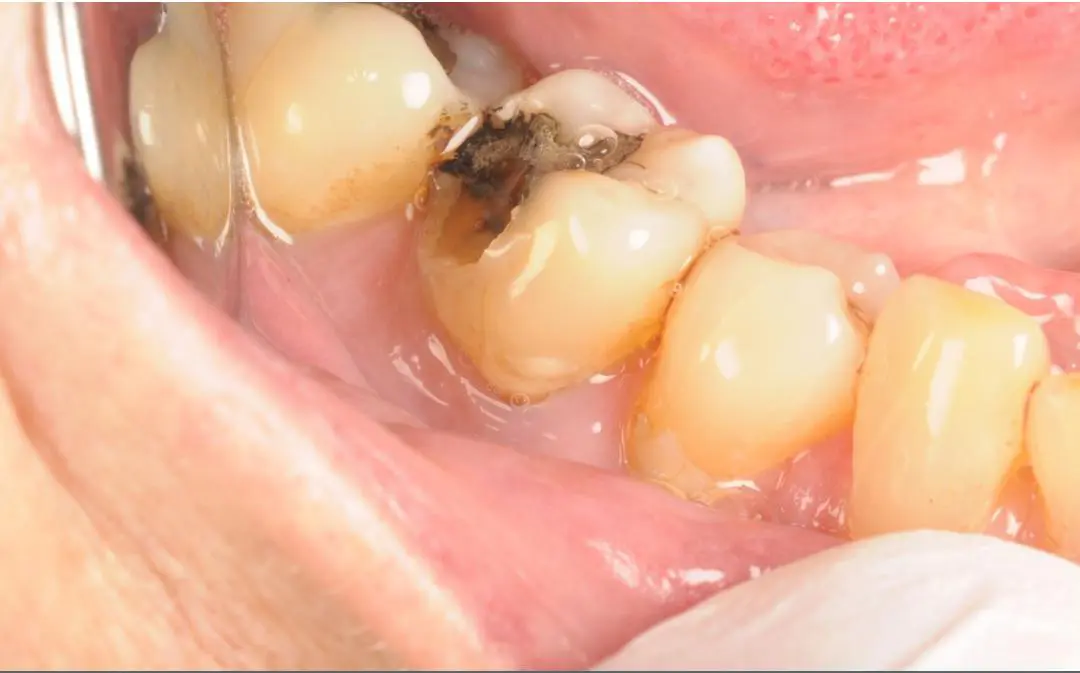
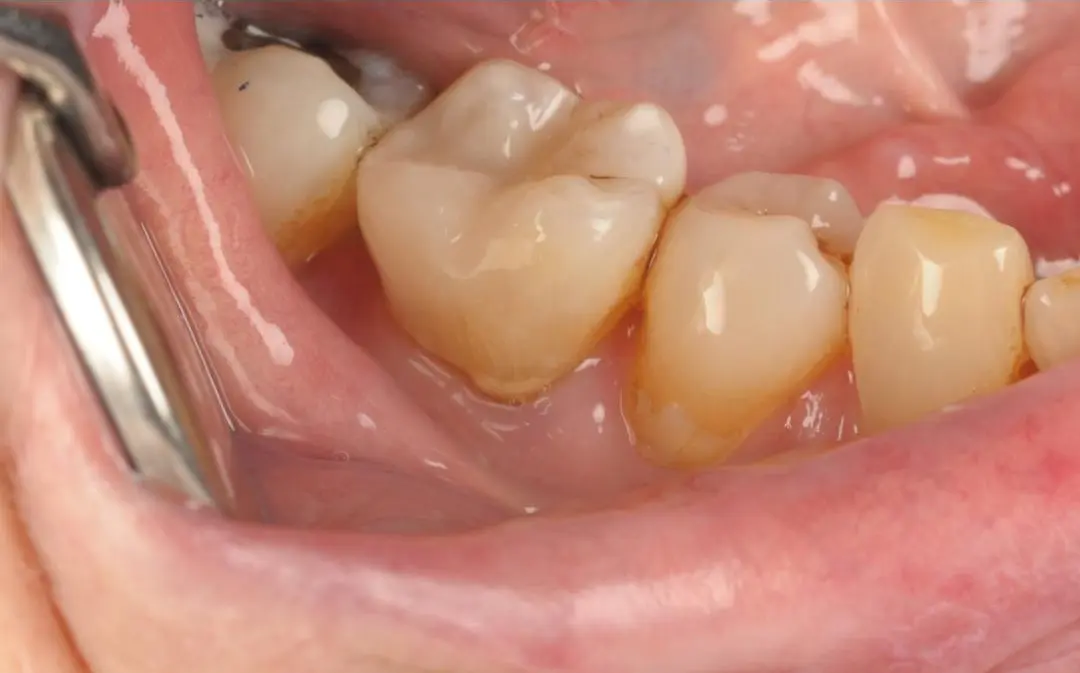
Real Patient Result: Emergency White Filling
Treatment by Dr Kamran
Facial swelling, especially when accompanied by fever or difficulty swallowing, represents a serious condition that needs urgent dental assessment. Similarly, dental trauma resulting from accidents, falls, or impact injuries should be evaluated promptly to prevent complications and preserve tooth viability. If symptoms start over the weekend, this guide on Sunday dental emergencies in London can help you choose the right pathway.
Changes in gum appearance, including persistent bleeding, swelling, or recession, benefit from professional evaluation to identify early signs of gum disease. Loose teeth, particularly in adults, may indicate underlying dental or periodontal problems requiring professional management.
The Science Behind Dental Emergencies
Dental emergencies often result from the unique structure and function of teeth within the oral environment. Teeth consist of multiple layers including the hard outer enamel, underlying dentine, and central pulp containing nerves and blood vessels. When bacteria penetrate these layers through decay, cracks, or trauma, infection can develop rapidly due to the enclosed nature of the tooth structure.
The pulp tissue has limited ability to heal once infected, as the rigid tooth structure restricts swelling and blood flow that normally aid healing in other body tissues. This anatomical constraint explains why dental infections can become severe quickly and why prompt professional intervention is often necessary.
Understanding these biological processes helps patients recognise why dental symptoms may worsen rapidly and why early professional assessment can prevent complications. The enclosed environment of infected dental pulp can create pressure that intensifies pain and may lead to abscess formation if left untreated.
Advantages of Walk-In Dental Care
The immediate accessibility of walk-in dental services offers several benefits for patients managing oral health concerns. The elimination of waiting periods for appointments means conditions can be addressed before they potentially worsen or become more complex to treat. This timely intervention often results in simpler treatment approaches and better outcomes.
Flexibility represents another significant advantage, particularly for individuals with demanding work schedules, caring responsibilities, or unpredictable availability. The ability to seek dental care when symptoms occur, rather than waiting for the next available appointment, can provide both physical relief and peace of mind.
Walk-in services also benefit visitors to London who may experience dental problems whilst away from their regular dental provider. The accessibility ensures continuity of dental care regardless of location, helping prevent minor issues from developing into more serious conditions.
Prevention and Oral Health Maintenance
Maintaining good oral health reduces the likelihood of requiring urgent dental care, whether through walk-in services or emergency appointments. Regular tooth brushing with fluoride toothpaste, daily flossing, and routine dental check-ups form the foundation of preventative oral health care.
Dietary choices significantly impact oral health, with frequent consumption of sugary or acidic foods and drinks increasing the risk of tooth decay and enamel erosion. Limiting these substances and choosing tooth-friendly alternatives helps maintain oral health between dental visits.
Protective measures during sports activities, avoiding using teeth as tools, and addressing habits such as teeth grinding can prevent dental trauma and premature wear. These preventative approaches complement professional dental care in maintaining long-term oral health. It is also useful to understand weekend versus weekday emergency differences before problems arise.
Key Points to Remember
• Walk-in dental services provide accessible dental care without appointment booking requirements
• These services can address both emergency dental conditions and routine oral health needs
• Professional dental assessment follows the same clinical standards regardless of access method
• Prompt dental evaluation benefits patients experiencing persistent pain, swelling, or trauma
• Preventative oral health measures reduce the likelihood of requiring urgent dental care
• Treatment recommendations depend on individual clinical findings and patient factors
Frequently Asked Questions
How long might I wait to be seen at a walk-in dental clinic?
Waiting times vary depending on patient volume and the severity of presenting conditions. Walk-in clinics typically operate on a triage system, with urgent cases seen first. Most clinics provide estimated waiting times upon arrival, and patients with non-urgent concerns may experience longer waits during busy periods.
Are walk-in dental services more expensive than regular appointments?
Costs for walk-in dental services are generally comparable to traditional appointment-based care for equivalent treatments. Some clinics may charge consultation fees or have different pricing structures, so it's advisable to enquire about costs when registering. Many walk-in services accept various payment methods and dental insurance plans.
Can I receive ongoing dental treatment through walk-in services?
While walk-in services excel at addressing immediate dental needs, complex or multi-stage treatments may require scheduled follow-up appointments for continuity and proper treatment planning. Many walk-in clinics offer the option to book subsequent appointments for ongoing care or can provide referrals to appropriate dental specialists.
What should I bring to a walk-in dental appointment?
Patients should bring valid identification, any dental insurance information, a list of current medications, and details of previous dental treatment if available. Having contact information for regular dental providers can also be helpful for continuity of care and treatment history.
Do walk-in dental clinics provide the same treatments as regular dental practices?
Most walk-in clinics offer comprehensive dental services including emergency care, routine treatments, and preventative services. However, highly specialised procedures or treatments requiring extensive planning may be referred to appropriate specialists or scheduled through traditional appointment systems.
Can children receive treatment at walk-in dental clinics?
Many walk-in dental services welcome patients of all ages, though some may specialise in adult care. Parents should verify that the clinic provides paediatric dental services and consider whether the walk-in environment is suitable for their child's needs and comfort level.
Related Emergency Dental Guides
Conclusion
Walk-in dental services provide valuable accessibility for London residents requiring dental care without the constraints of traditional appointment booking systems. This service model addresses the reality that dental problems often occur unexpectedly and may require prompt professional attention to prevent complications.
The availability of immediate dental assessment and treatment through walk-in services complements traditional dental care by offering flexibility and peace of mind for patients. Whether addressing urgent dental concerns or seeking routine oral health care, these services maintain clinical standards whilst prioritising patient accessibility.
Understanding when to seek professional dental evaluation, what to expect from walk-in services, and how to maintain good oral health between visits empowers patients to make informed decisions about their dental care. Dental symptoms and treatment options should always be assessed individually during a clinical examination.
Disclaimer
This article is for general educational purposes only.
It does not replace professional dental advice, diagnosis, or treatment.
All symptoms and treatment options should be assessed in a clinical examination by a qualified dentist.
Treatment suitability and outcomes vary by individual circumstances.