
Dental emergencies rarely occur at convenient times, and many London residents find themselves searching for immediate dental care outside regular practice hours. Whether you're experiencing sudden tooth pain, have lost a filling, or sustained dental trauma, knowing how to locate a walk-in dentist near you in Central London can provide much-needed peace of mind.
London's busy lifestyle means that dental issues can significantly impact work, social commitments, and daily comfort. Understanding your options for walk-in dental services allows you to access appropriate care when symptoms arise unexpectedly. Many central London dental practices now offer flexible appointment systems, including emergency slots and extended hours, to accommodate urgent dental needs.
This article will guide you through the various ways to find walk-in dental services in Central London, explain what to expect during an emergency dental visit, and help you understand when professional dental assessment may be most beneficial. Knowing your local dental resources before an emergency occurs can help ensure you receive timely, appropriate care when dental symptoms develop. If you also want a broader same-day strategy, see how to access urgent dental care faster.
Experiencing these symptoms?
Delaying treatment can lead to tooth loss. We have slots available today.
What Is a Walk-In Dentist Service?
Walk-in dental services provide same-day dental appointments without requiring advance booking, offering immediate assessment and treatment for urgent dental concerns across Central London practices.
Walk-in dentistry refers to dental services that accommodate patients without pre-scheduled appointments, typically focusing on urgent or emergency dental situations. These services are particularly valuable in busy areas like Central London, where traditional appointment booking may not suit everyone's schedule or urgent needs.
Most walk-in dental services operate on a first-come, first-served basis, though some practices use telephone triage systems to prioritise patients based on symptom severity. The service model allows dental professionals to assess immediate concerns and provide appropriate treatment or pain relief on the same day. Patients comparing access routes may also find our guide on no appointment needed walk-in dental care in London helpful.
Meet Dr. Yasha Shirazi
Principal Dentist at Emergency Dentist London
"We treat hundreds of dental emergencies every month. The sooner you come in, the easier the fix usually is."
Book an appointment with our team →Types of Walk-In Dental Services Available in Central London
Central London offers several different models of walk-in dental care to meet varying patient needs. NHS walk-in centres provide emergency dental treatment for registered NHS patients, typically focusing on pain relief and urgent interventions rather than comprehensive treatments.
Private dental practices increasingly offer same-day emergency appointments, allowing both registered and new patients to receive prompt attention. These services often provide more comprehensive treatment options and may have extended operating hours, including evenings and weekends.
Dental hospitals and teaching institutions in London also maintain emergency departments that accept walk-in patients. These facilities are particularly well-equipped to handle complex cases or severe dental trauma, with specialist teams available for challenging situations.
Some dental chains and commercial practices operate dedicated emergency clinics specifically designed for walk-in patients, offering standardised protocols for common urgent dental problems.
How to Locate Walk-In Dental Services Near You
Finding a walk-in dentist in Central London requires knowing where to look and understanding the different service options available. NHS 111 provides 24-hour telephone guidance and can direct you to the nearest available NHS emergency dental service in your area.
Online dental directories and practice websites often include real-time availability information, allowing you to check which local practices are currently accepting walk-in patients. Many Central London dental practices maintain emergency contact numbers that provide recorded information about their current walk-in availability.
Local hospitals with dental departments typically maintain emergency services, and their A&E departments can provide guidance on accessing urgent dental care. Some larger hospitals have dedicated dental emergency units operating alongside their medical emergency services.
Mobile apps and online platforms now offer location-based searches for emergency dental services, showing nearby options with current availability status. These digital tools can be particularly helpful when you're unfamiliar with a specific area of Central London, especially on weekends when service patterns differ, as outlined in our Sunday emergency care guide.
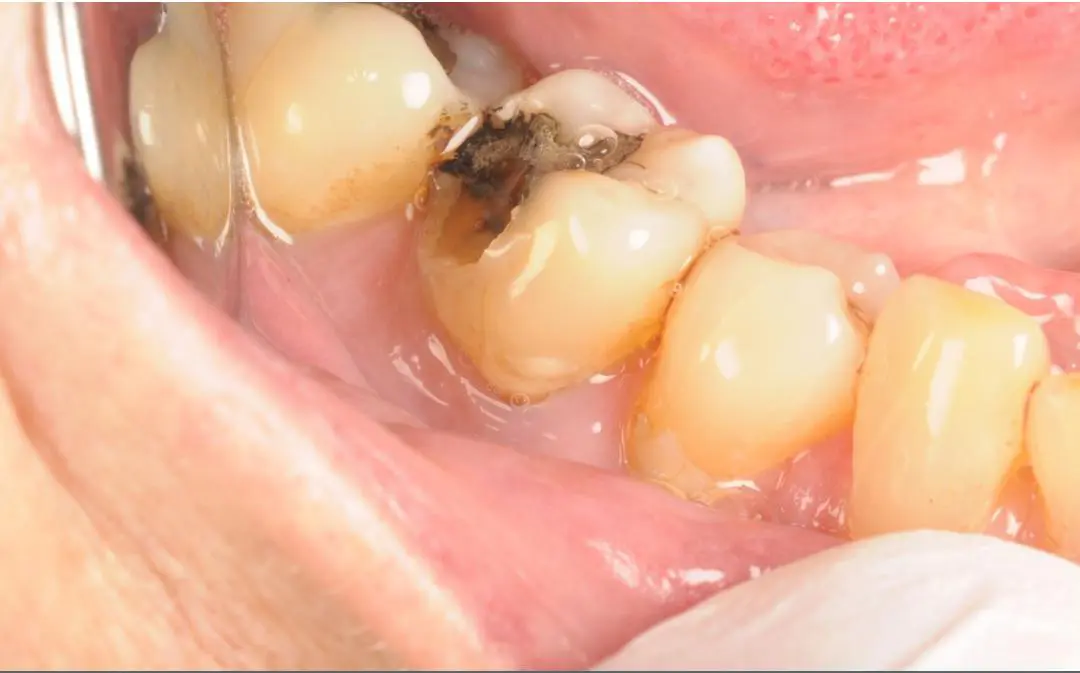
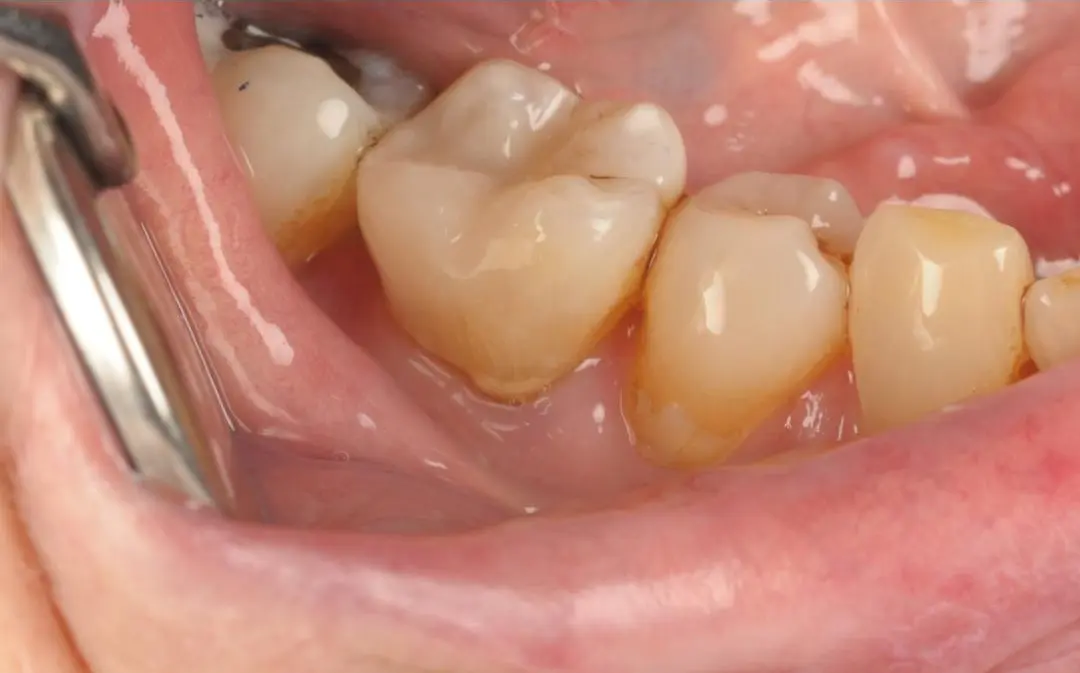
Real Patient Result: Emergency White Filling
Treatment by Dr Kamran
Understanding Emergency Dental Triage
Emergency dental services use triage systems to assess and prioritise patients based on the severity of their symptoms. Understanding this process helps set appropriate expectations when seeking walk-in dental care.
Severe pain, facial swelling, dental trauma, or signs of infection typically receive priority attention, as these situations may indicate serious underlying problems requiring immediate intervention. Patients with these symptoms often receive faster assessment and treatment.
Less urgent issues, such as lost fillings, minor chips, or routine pain, may involve longer waiting times as practices prioritise more serious cases. However, these conditions still warrant professional assessment and appropriate treatment.
Dental professionals conducting triage assessments consider factors such as pain levels, visible damage, infection signs, and impact on eating or sleeping when determining treatment priority.
What to Expect During a Walk-In Dental Visit
Walk-in dental appointments typically begin with a focused assessment of your immediate concern rather than a comprehensive dental examination. The dentist will evaluate your symptoms, examine the affected area, and may take X-rays if necessary to determine the underlying problem.
Treatment options during walk-in visits often focus on providing pain relief, preventing further damage, and addressing immediate safety concerns. More complex treatments may require follow-up appointments, but emergency interventions can often provide significant symptom improvement.
Documentation during emergency visits includes recording your symptoms, treatment provided, and any recommendations for ongoing care. This information becomes important for continuity of care if additional treatment is needed.
Payment arrangements vary between NHS and private services, with some practices requiring immediate payment while others offer payment plan options for more extensive emergency treatments.
When Professional Dental Assessment May Be Needed
Certain dental symptoms warrant prompt professional evaluation to prevent complications or address serious underlying conditions. Severe, persistent pain that interferes with sleep or daily activities may indicate infection or significant tooth damage requiring immediate attention.
Facial swelling, particularly around the jaw or neck area, can signal serious infection that may require urgent treatment. Any swelling that affects breathing or swallowing represents a dental emergency requiring immediate professional assessment.
Dental trauma from accidents or sports injuries should be evaluated promptly, as immediate treatment often improves the chances of saving damaged teeth. Even seemingly minor injuries can have long-term consequences if not properly assessed and treated.
Bleeding that doesn't stop with gentle pressure, loose or knocked-out teeth, and visible abscesses or pus discharge all indicate situations where professional dental evaluation is strongly advisable.
Cost Considerations for Walk-In Dental Services
NHS emergency dental treatment costs are set according to current NHS charging rules and may change over time. However, NHS emergency appointments may have limited availability, particularly in Central London.
Private walk-in dental services offer more flexibility and often shorter waiting times, but costs vary significantly between practices. Many private dental clinics provide transparent pricing for common emergency dental procedures to help patients understand potential costs before treatment.
Some dental practices offer payment plans or membership schemes that can reduce the cost of emergency treatments. These arrangements may be particularly beneficial for patients requiring ongoing treatment following their initial emergency visit.
Dental insurance policies vary in their coverage of emergency treatment, with some providing full coverage while others require co-payments or have annual limits on emergency care benefits.
Prevention and Oral Health Maintenance
Regular dental check-ups and preventive care significantly reduce the likelihood of requiring emergency dental treatment. Routine examinations allow dentists to identify and address potential problems before they develop into painful or urgent situations.
Maintaining good daily oral hygiene through proper brushing and flossing helps prevent decay and gum disease, which are common causes of dental emergencies. Using fluoride toothpaste and limiting sugary foods and drinks further supports ongoing oral health.
Wearing appropriate protective equipment during sports activities helps prevent dental trauma, one of the most common reasons for emergency dental visits. Custom-made mouth guards provide better protection than generic alternatives.
Avoiding habits such as chewing ice, opening packages with teeth, or using teeth as tools reduces the risk of fractures or damage that might require urgent dental treatment in Central London.
Key Points to Remember
• Walk-in dental services provide same-day assessment and treatment for urgent dental concerns
• Multiple options exist in Central London, including NHS services, private practices, and dental hospitals
• Triage systems prioritise patients based on symptom severity and clinical need
• Emergency dental care focuses on pain relief and preventing complications
• Regular preventive care reduces the likelihood of requiring emergency dental treatment
• Understanding your local dental emergency options before problems arise ensures faster access to care
Frequently Asked Questions
Do I need to register with a practice to use walk-in dental services?
Most walk-in dental services accept both registered and non-registered patients, particularly for emergency situations. NHS emergency services typically require proof of eligibility for NHS treatment, while private practices generally accept any patient requiring urgent care. Some practices may require completion of basic registration forms for new patients, even during emergency visits.
How long should I expect to wait for walk-in dental treatment?
Waiting times for walk-in dental services vary significantly depending on the practice type, time of day, and severity of your symptoms. Emergency cases with severe pain or swelling often receive priority attention, while less urgent issues may involve waits of several hours. Calling ahead can provide information about current waiting times and help you choose the most appropriate service.
What should I bring to a walk-in dental appointment?
Essential items for walk-in dental visits include valid identification, proof of address, NHS number (if applicable), current medication list, and any relevant medical history documentation. Private patients should bring payment methods or insurance information. If you've lost a tooth or filling, bringing the pieces in milk or saliva can sometimes help with treatment options.
Can walk-in dental services provide ongoing treatment?
Walk-in dental services primarily focus on emergency care and symptom relief rather than comprehensive ongoing treatment. However, many practices can arrange follow-up appointments for continuing care once the immediate emergency is addressed. Complex treatments typically require planned appointments with appropriate time allocation and preparation.
Are walk-in dental services available outside normal hours?
Some Central London dental practices offer extended hours for emergency services, including evenings and weekends. However, availability varies significantly between practices. NHS 111 provides 24-hour guidance and can direct you to available out-of-hours dental services. Dental hospitals may maintain emergency departments with more extensive operating hours.
What if I can't afford private walk-in dental treatment?
NHS emergency dental services provide treatment based on clinical need rather than ability to pay, though charges still apply according to standard NHS dental fees. Some practices offer payment plans for private treatment, and dental charities may provide assistance in certain circumstances. NHS 111 can help locate NHS emergency services if cost is a primary concern.
Related Emergency Dental Guides
- Weekend Vs Weekday Dental Emergencies Whats Different
- Benefits Of Choosing Private Emergency Dentist London Team
Conclusion
Finding appropriate walk-in dental care in Central London requires understanding the various service options available and knowing how to access them effectively. Whether through NHS emergency services, private practice walk-in appointments, or hospital dental departments, multiple pathways exist to address urgent dental concerns.
The key to successful emergency dental care lies in understanding triage systems, having realistic expectations about treatment scope, and maintaining good preventive care to minimise emergency situations. Most walk-in dental services focus on providing immediate relief and addressing urgent safety concerns rather than comprehensive treatment.
Preparation remains important even for emergency situations - knowing your local dental resources, understanding cost implications, and maintaining basic oral health documentation can streamline the process when urgent care becomes necessary. Regular dental check-ups and preventive care significantly reduce the likelihood of requiring emergency intervention.
Dental symptoms and treatment options should always be assessed individually during a clinical examination.
Disclaimer
This article is for general educational purposes only.
It does not replace professional dental advice, diagnosis, or treatment.
All symptoms and treatment options should be assessed in a clinical examination by a qualified dentist.
Treatment suitability and outcomes vary by individual circumstances.