
You have just had a filling placed. The cavity has been treated, the tooth repaired, and you leave the dental practice expecting everything to feel normal again. Then you take a sip of cold water — and a sharp zing runs through the tooth. Or you bite down on something and feel an unmistakable twinge that was not there before the appointment.
Tooth sensitivity after filling is one of the most common concerns patients raise in the days and weeks following restorative treatment. It catches many people off guard because the expectation is that fixing the tooth should fix the discomfort entirely. In most cases it does — but the tooth sometimes needs a short adjustment period first.
This guide explains why sensitivity occurs after fillings, what is considered normal, what crosses the line into something that needs attention, and when you should return to your dentist. Understanding these differences removes the guesswork and helps you respond calmly.
Experiencing these symptoms?
Delaying treatment can lead to tooth loss. We have slots available today.
If your post-filling symptoms are severe or worsening rather than improving, same-day appointments are available through our emergency dental treatment services in London.
Is Tooth Sensitivity After Filling Normal?
Mild tooth sensitivity after filling placement is a normal part of the healing process. The procedure involves removing decay, cleaning the cavity, and bonding new material to the tooth — all of which temporarily disturb the nerve inside. Most post-operative dental sensitivity resolves on its own within two to six weeks as the tooth settles and the nerve calms down.
During a filling procedure, the dentist works close to the living tissue inside your tooth. The nerve — housed within the pulp chamber — responds to this disturbance by becoming temporarily more reactive. Stimuli that would normally pass unnoticed — a cold drink, a breath of cold air, biting pressure — may produce a brief, sharp sensation.
Meet Dr. Yasha Shirazi
Principal Dentist at Emergency Dentist London
"We treat hundreds of dental emergencies every month. The sooner you come in, the easier the fix usually is."
Book an appointment with our team →A tooth sensitive to cold after filling is especially common. Cold temperatures cause fluid movement inside the microscopic channels (dentine tubules) that run between the outer surface and the nerve. This fluid movement triggers a nerve response, which you feel as a short, sharp twinge. As the tooth heals and the filling fully integrates, this reaction gradually fades.
Most patients find that the sensitivity reduces noticeably within the first week and is largely gone within a month. If your symptoms follow this pattern — mild, intermittent, and trending in the right direction — there is usually nothing to worry about. For advice on managing dental discomfort in the meantime, see our page on treatment for severe toothache relief.
Painful Tooth After Filling "– Common Causes
When sensitivity persists beyond the expected healing period, or when the pain is more intense than a mild twinge, it is worth understanding what might be driving it. A painful tooth after filling can have several underlying causes, some straightforward and others requiring further treatment.
Nerve irritation. Every filling procedure involves some degree of vibration, heat from the drill, and contact near the nerve. In most cases, the nerve recovers quickly. Occasionally, particularly with deeper cavities, the irritation is greater and the nerve takes longer to settle. This is the most common reason for tooth nerve pain after filling — and in the majority of cases, it resolves without intervention.
Deep cavity proximity to the pulp. When decay extends close to the pulp chamber, the remaining layer of dentine between the filling and the nerve is thin. This means the nerve sits closer to temperature changes and biting forces transmitted through the filling material. A deep filling tooth ache is often a reflection of this proximity rather than a sign of a separate problem.
Bonding sensitivity. Modern composite fillings are bonded to the tooth using an adhesive system. During this process, the dentine surface is etched and primed. In some patients, this bonding process can cause temporary fluid shifts in the dentine tubules, which the nerve interprets as pain.
Galvanic reaction. If a new metal filling is placed next to an existing metal restoration of a different type, a small electrical current can flow between them. This galvanic reaction can produce a sharp, momentary pain when the two metals make contact. It typically fades as the metals develop a surface layer that insulates them.
For a thorough explanation of what drives nerve-related tooth pain, our article on understanding tooth nerve pain triggers and treatments provides additional detail.
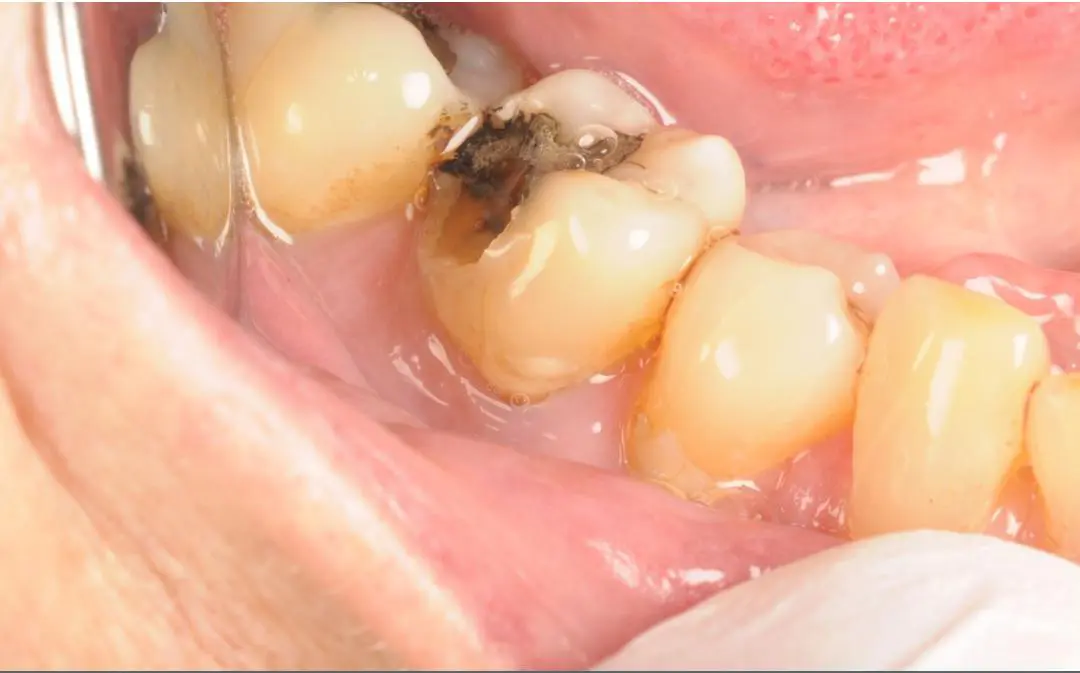
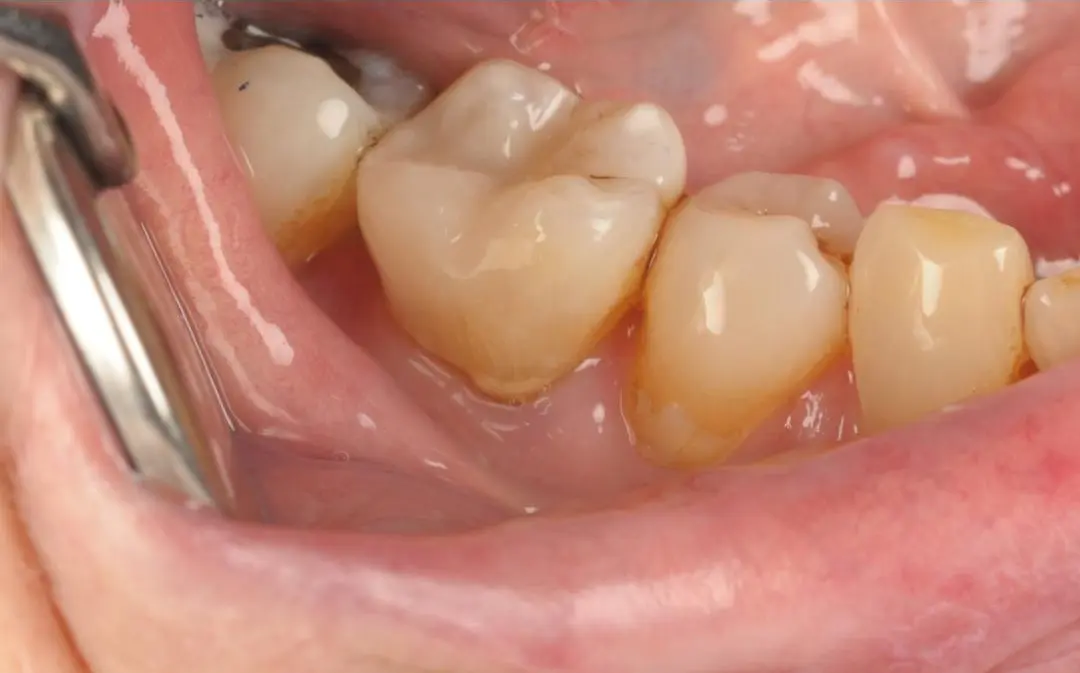
Real Patient Result: Emergency White Filling
Treatment by Dr Kamran
Composite Filling Sensitivity
White fillings — composite resin restorations — are the most commonly placed fillings in modern dental practice. They match the natural colour of the tooth and bond directly to the enamel and dentine. But composite filling sensitivity is slightly more common than sensitivity after amalgam fillings, and there are specific reasons for this.
Composite materials shrink slightly as they set. This polymerisation shrinkage can create microscopic stress within the tooth, particularly along the bond between the filling and the cavity wall. In some cases, this stress pulls on the dentine tubules, which stimulates the nerve and produces a tooth ache after white filling placement.
Modern bonding techniques and incremental layering — placing the composite in small sections and curing each one individually — significantly reduce this shrinkage stress. Most dentists use this approach as standard practice. However, even with careful technique, some teeth respond with temporary sensitivity.
Cold sensitivity is the hallmark of composite filling sensitivity. You may find that the tooth reacts to cold drinks, ice cream, or even breathing in cold air. The sensation is typically brief — lasting a second or two — and disappears as soon as the stimulus is removed. A tooth sensitive to cold after filling in this pattern is behaving normally and will usually settle within a few weeks.
Using a desensitising toothpaste containing potassium nitrate or stannous fluoride can help calm the nerve during the healing period. Our guide on sensitive teeth causes and cures offers practical recommendations.
High Filling Tooth Pain and Bite Problems
One of the most easily corrected causes of post-filling discomfort is a filling that sits slightly too high. When the filling material extends even a fraction of a millimetre above the natural surface of the tooth, it changes how your teeth meet when you bite together.
High filling tooth pain feels different from sensitivity to temperature. The discomfort occurs specifically when you close your teeth together or chew. You might notice that the filled tooth makes contact before the others — as though it is hitting first. The bite feels off after filling placement, and every chew sends a jolt through that one tooth.
This happens because fillings are placed and shaped while your mouth is numb. It can be difficult to assess your bite accurately when you cannot feel your normal chewing pattern. Your dentist will check the bite with articulating paper, but subtle high spots can sometimes be missed until the anaesthetic wears off and normal sensation returns.
Pain when biting after filling that follows this pattern is not a sign of a serious problem. A quick appointment to adjust the bite — which involves smoothing down the high point with a fine diamond bur — usually resolves the discomfort immediately. The adjustment takes a few minutes and does not require anaesthetic.
If your bite feels uneven after a filling, do not wait for it to settle on its own. Prolonged biting on a high spot can inflame the ligament around the tooth root, making the sensitivity worse over time. Returning to your dentist for a simple adjustment is the fastest route to relief. Our article on whether you can get a filling at an emergency dentist explains what emergency dental visits typically involve.
Pulpitis Symptoms After Filling
Pulpitis is the clinical term for inflammation of the dental pulp — the soft tissue inside the tooth that contains the nerve. When a filling is placed, particularly for a deep cavity, the procedure can trigger an inflammatory response in the pulp. This is the root cause of most post-filling sensitivity, and in most cases, it resolves.
There are two types, and the distinction matters.
Reversible pulpitis. The inflammation is mild. The tooth reacts to cold or sweet stimuli with a sharp but brief pain that fades within seconds. Between triggers, the tooth feels normal — no spontaneous pain, no throbbing. Pulpitis symptoms after filling in this form are part of the normal healing response. The inflammation settles, the nerve calms, and the sensitivity disappears.
Irreversible pulpitis. The inflammation has progressed beyond the point of recovery. The pain becomes spontaneous — arriving without a trigger. It may throb, linger for minutes after a stimulus, or wake you at night. Throbbing tooth pain after filling that persists and worsens rather than improves is a warning sign that the pulp may not recover.
Irreversible pulpitis does not resolve on its own. The damaged pulp tissue needs to be removed to eliminate the pain. This is done through root canal treatment for infected teeth, which cleans the internal canals and seals them to prevent further infection. Root canal therapy aims to save the tooth and eliminate the source of pain.
If you are unsure whether your symptoms represent reversible or irreversible pulpitis, our guide on signs of dental infection spreading helps you identify when professional assessment is needed urgently.
Gum Pain After Dental Filling
Sensitivity after a filling is not always confined to the tooth itself. Gum pain after dental filling is a separate but related concern that some patients experience, particularly after treatment on teeth near the gum margin.
During the filling procedure, the gum tissue adjacent to the tooth may be gently retracted or come into contact with instruments, bonding agents, or the curing light. This can cause temporary inflammation — the gum may appear slightly redder than usual, feel tender to the touch, or bleed lightly when brushing.
In most cases, this gum irritation resolves within a few days. Gentle brushing with a soft toothbrush, warm salt water rinses, and avoiding very hot or spicy food near the area all help the tissue heal. If a filling extends slightly below the gum line, the tissue may take a little longer to settle as it adapts to the new restoration margin.
Persistent or worsening gum pain — particularly if accompanied by swelling, pus, or a foul taste — may indicate a different issue such as an ill-fitting filling margin trapping bacteria. This warrants a return visit to your dentist. For more on gum health, see our article on swollen gums causes, treatment and prevention.
How Long Does Tooth Sensitivity Last After Filling?
This is the question most patients ask first, and the answer depends on several factors — but general timelines are reassuring.
Small to moderate fillings. Sensitivity typically fades within one to two weeks. You may notice cold sensitivity for the first few days that gradually becomes less intense and less frequent.
Deeper fillings. When the cavity was large or close to the nerve, the healing period extends. Post-operative dental sensitivity from deep fillings may take four to six weeks to resolve fully. The improvement is gradual — less intense, less frequent, shorter in duration — rather than sudden.
Very deep fillings near the pulp. In cases where the decay was extensive and the dentist placed a liner or base material to protect the nerve before filling, sensitivity may persist for up to three months. Progress should still be in the right direction — slowly improving rather than staying the same or worsening.
The key indicator is the trend. Sensitivity that was noticeable in week one, milder in week two, and barely present by week four is following a healthy pattern. Sensitivity that is unchanged or escalating after two to three weeks deserves assessment.
Our guide on treatment for teeth pain provides additional advice on managing dental discomfort during the recovery period.
When Tooth Sensitivity Becomes a Dental Emergency
Most post-filling sensitivity is a nuisance, not a crisis. But there are clear warning signs that indicate the situation has moved beyond normal healing and needs urgent professional attention.
Seek same-day dental care if you experience:
Severe throbbing pain that arrives spontaneously and persists for minutes or hours without an obvious trigger
Pain that wakes you at night — a hallmark of irreversible pulpitis or developing infection
Swelling in the gum near the filled tooth, in the cheek, or beneath the jaw
A bad taste or discharge near the treated tooth, suggesting possible infection
Pain that has worsened steadily over several days rather than improving
Inability to eat because the tooth is too painful to touch, even with gentle pressure
Fever or feeling unwell alongside persistent dental pain
These symptoms may indicate that the pulp has not recovered from treatment, that infection has developed, or that the filling needs to be reassessed. Acting promptly gives your dentist the widest range of treatment options.
Our walk-in dentist London service accepts patients without prior registration. Weekend emergency dentist London appointments are available for those who cannot attend during the week. For evening availability, see our out-of-hours dentist London page.
Treatment Options for Persistent Sensitivity
If sensitivity does not resolve within the expected timeframe, your dentist has several options to investigate and treat the cause.
Bite adjustment. If the filling is even marginally high, reducing it to match your natural bite can produce immediate relief. This is the simplest and most common fix for persistent pain when biting after filling placement.
Desensitising agents. Professional-strength fluoride varnishes and desensitising treatments can be applied directly to the tooth surface. These work by blocking the dentine tubules, reducing fluid movement and therefore reducing nerve stimulation. At home, switching to a desensitising toothpaste and using it consistently for several weeks can produce noticeable improvement.
Filling replacement. In some cases, the existing filling may need to be removed and replaced. This might be necessary if the bonding has not performed as expected, if there is a gap at the margin allowing leakage, or if a different material would be better suited to the situation.
Protective liner or base. For deep fillings, a dentist may choose to place an insulating liner beneath the replacement filling to provide an additional barrier between the restoration and the nerve.
Root canal treatment. When the pulp has been irreversibly damaged — either by the original decay or by the proximity of the filling to the nerve — root canal treatment is designed to remove the source of the pain. This is a last resort, but it is a well-established procedure that aims to preserve the natural tooth.
Our article on how to stop tooth pain fast provides practical steps you can take while awaiting your appointment.
Preventing Sensitivity After Dental Fillings
While some degree of post-filling sensitivity cannot be entirely avoided — the tooth has undergone a procedure, after all — there are steps that reduce the likelihood and severity of symptoms.
Treat cavities early. The smaller the cavity when it is filled, the less disturbance to the tooth structure and the nerve. Early fillings mean less drilling, less bonding surface area, and a thicker protective layer of dentine between the filling and the pulp. Early treatment is the single most effective way to minimise post-filling sensitivity.
Attend regular dental check-ups. Routine examinations catch cavities when they are small. By the time a tooth starts hurting, the decay is usually already substantial. Regular visits allow your dentist to intervene at the earliest possible stage.
Maintain good oral hygiene. Thorough brushing with fluoride toothpaste and daily interdental cleaning reduce the bacterial acid exposure that causes cavities in the first place. Fewer cavities mean fewer fillings and less opportunity for sensitivity to develop.
Use fluoride products. Fluoride strengthens enamel and helps remineralise early areas of demineralisation before they become full cavities. A fluoride mouthwash used at a different time from brushing provides an additional layer of protection.
Communicate with your dentist. If you have experienced sensitivity after previous fillings, mention it at your next appointment. Your dentist can modify their technique — using different bonding agents, placing a protective liner, or choosing a material less likely to cause sensitivity — to reduce the risk.
Our complete guide to dental emergencies in London covers a broad range of urgent dental topics, including when routine issues become emergencies.
Frequently Asked Questions
Is tooth sensitivity normal after a filling?
Yes. Mild tooth sensitivity after filling placement is a normal and common experience. The filling procedure involves removing decay, cleaning the cavity, and bonding new material to the tooth — all of which temporarily disturb the nerve inside.
Cold sensitivity, mild discomfort when biting, and brief sharp twinges are all typical in the first few days to weeks. These symptoms should gradually decrease in intensity and frequency. If the sensitivity is mild, intermittent, and improving, the tooth is healing normally.
How long does tooth sensitivity last after filling?
For small to moderate fillings, sensitivity usually resolves within one to two weeks. Deeper fillings may take four to six weeks, and very deep restorations placed close to the nerve can take up to three months to settle fully.
The important sign to watch is the trend. Sensitivity that is gradually improving — becoming less intense, less frequent, and shorter in duration — is on the right track. Sensitivity that remains unchanged after three weeks, or that is worsening, should be assessed by your dentist.
Why does my tooth hurt when biting after a filling?
The most common reason is a filling that is slightly too high. When the filling sits above the natural surface of the tooth, it makes contact before the surrounding teeth when you bite together. This concentrates pressure on one point, which irritates the ligament around the root and produces pain.
A simple bite adjustment — smoothing down the high spot — typically resolves this immediately. If you notice that your bite feels different or uneven after a filling, contact your dentist for a quick check. The adjustment takes only a few minutes.
Can a filling cause nerve pain?
A filling itself does not damage the nerve, but the process of placing it can temporarily irritate the pulp tissue. This is particularly true when the cavity was deep and the filling sits close to the nerve. The nerve responds to the disturbance with inflammation — known as pulpitis — which produces sensitivity.
In most cases, this pulpitis is reversible and the nerve recovers within a few weeks. In rare cases, the inflammation progresses and becomes irreversible, requiring root canal treatment. Persistent, spontaneous, or worsening pain — especially throbbing that arrives without a trigger — should be assessed promptly.
When should I see a dentist for pain after filling?
You should return to your dentist if the sensitivity has not improved after two to three weeks, if the pain is getting worse rather than better, if you experience spontaneous throbbing, if swelling develops near the tooth, or if you have difficulty eating due to the discomfort.
Pain that wakes you at night, a persistent bad taste near the filled tooth, or fever alongside dental pain are signs that require prompt attention. Our guide on 10 warning signs you need an emergency dentist immediately helps you decide when a same-day appointment is warranted.
Disclaimer
This article is for general educational purposes only and does not constitute professional dental advice, diagnosis, or treatment. Every patient's circumstances are unique; dental symptoms and treatment options should always be assessed during a clinical examination by a qualified dental professional. No specific outcomes are guaranteed. This content has been prepared in line with GDC, CQC, ASA CAP Code, and GMC communication standards. If you have concerns about your oral health, please contact a registered dentist.