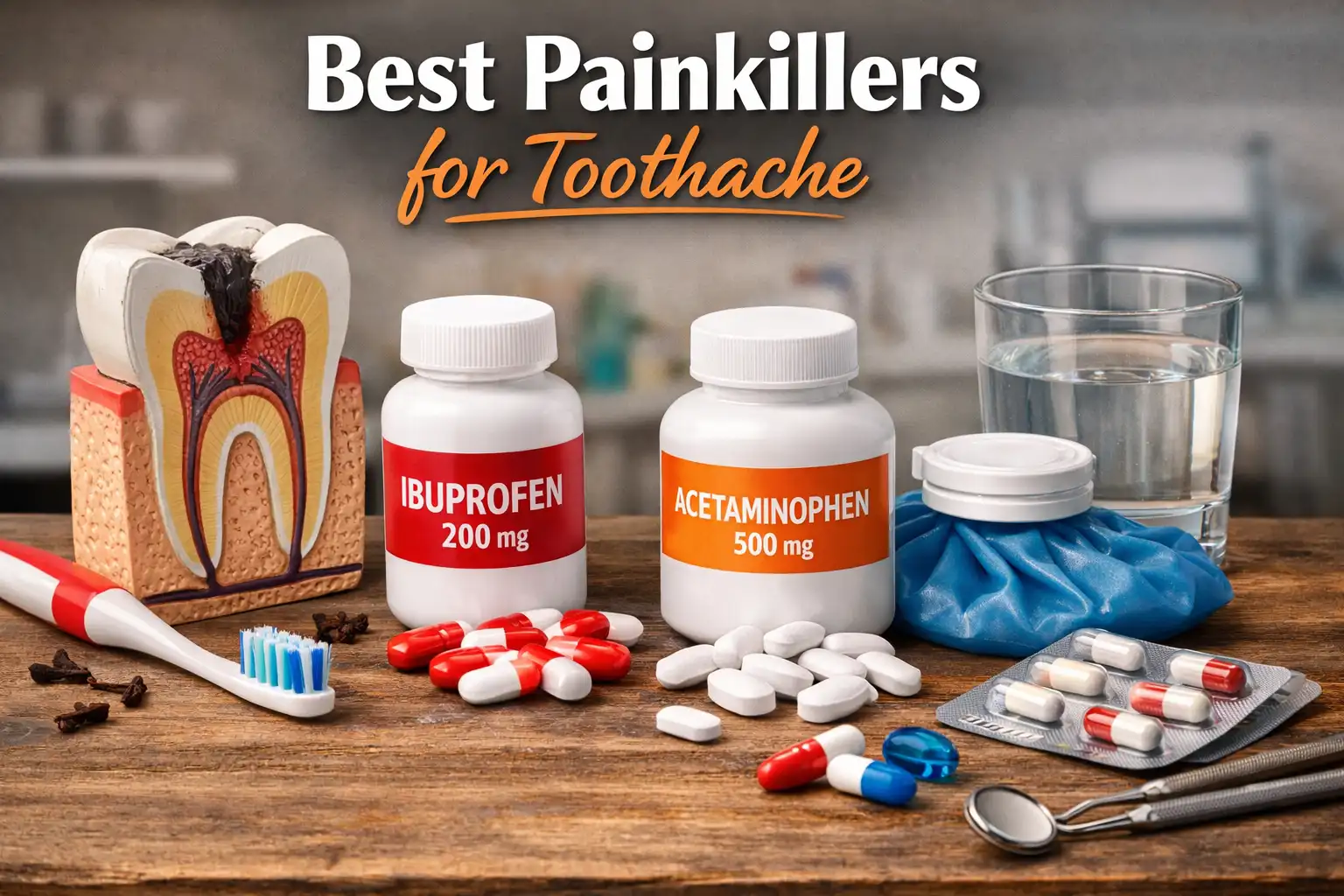
Toothache can range from a dull, persistent ache to sharp, throbbing pain that makes it difficult to eat, sleep, or concentrate. If you are searching for treatment for teeth pain, you are not alone — dental pain is one of the most common reasons people seek urgent healthcare in the United Kingdom. This guide covers the best painkillers for toothache available in the UK, common causes of dental pain, step-by-step home care, and when you should see an emergency dentist.
Common Causes of Toothache
Understanding what may be causing your dental pain can help you describe your symptoms when you see a professional. Common causes of toothache include:
| Cause | Typical Pain Type | Urgency |
|---|---|---|
| Dental decay (cavities) | Sharp pain when eating or drinking | Routine → Urgent |
| Gum disease | Soreness, tenderness, bleeding gums | Routine |
| Cracked or chipped tooth | Sharp pain on biting | Urgent |
| Dental abscess | Intense, throbbing, constant pain | Emergency |
| Wisdom tooth problems | Pressure and inflammation at the back | Urgent |
| Lost or damaged filling/crown | Sensitivity and dull ache | Urgent |
| Teeth grinding (bruxism) | Jaw ache, generalised tooth soreness | Routine |
A dental professional can carry out a thorough examination, including X-rays where appropriate, to identify the specific cause of your pain and recommend suitable dental pain treatment.
Experiencing these symptoms?
Delaying treatment can lead to tooth loss. We have slots available today.
Toothache Pain Relief: 3 Levels
Pain relief for toothache falls into three tiers — home remedies, over-the-counter painkillers, and dentist-prescribed medication. Each level is stronger than the last, and understanding all three helps you manage pain effectively while you wait for or receive professional treatment.
Level 1 — Home Remedies for Toothache
These measures can provide mild relief immediately using items you likely have at home:
Salt water rinse — dissolve half a teaspoon of salt in a glass of warm water and rinse gently for 30 seconds. This can help reduce bacteria and soothe inflamed tissue.
Meet Dr. Yasha Shirazi
Principal Dentist at Emergency Dentist London
"We treat hundreds of dental emergencies every month. The sooner you come in, the easier the fix usually is."
Book an appointment with our team →Cold compress — apply an ice pack wrapped in a cloth to the outside of the cheek for 15 minutes on, 15 minutes off. This can reduce swelling and numb pain.
Avoid trigger foods — stay away from very hot, very cold, or sugary foods and drinks that may aggravate the exposed nerve.
Elevate your head when sleeping — use an extra pillow to reduce blood flow to the area, which can help ease throbbing pain at night.
Clove oil (small amount) — dab a tiny amount of eugenol-based clove oil onto a cotton ball and hold it against the sore area for temporary numbing. Do not overuse, as excess can irritate gum tissue.
Home remedies are useful as a first response but are not strong enough for moderate to severe dental pain. If discomfort continues, move to over-the-counter painkillers.
Level 2 — Over-the-Counter Painkillers (No Prescription Needed)
The two most effective over-the-counter painkillers for toothache available from any UK pharmacy are ibuprofen and paracetamol. The table below compares both options:
| Feature | Ibuprofen | Paracetamol |
|---|---|---|
| Drug type | NSAID (anti-inflammatory) | Analgesic / antipyretic |
| Adult dose (OTC) | 200"–400 mg every 4"–6 hrs (max 1,200 mg/day) | 500 mg"–1 g every 4"–6 hrs (max 4 g/day) |
| Reduces inflammation? | Yes | No |
| Best for toothache with swelling? | Yes — commonly recommended | Less effective for swelling alone |
| Take with food? | Yes — always with or after food | Can be taken on an empty stomach |
| Key cautions | Asthma, stomach ulcers, kidney problems | Liver conditions, alcohol use |
| Can be alternated together? | Yes — on pharmacist advice, as they work differently | |
| Best painkillers for toothache "– A quick guide while you wait to see your emergency dentist |
How to Take OTC Painkillers Safely for Toothache
Follow these steps for the safest and most effective short-term pain relief while you wait for a dental appointment:
Start with ibuprofen — take with or after food, following the dosage instructions on the packaging (the usual adult dose is up to 400 mg). Ibuprofen is commonly recommended by pharmacists for dental pain because it reduces both pain and inflammation.
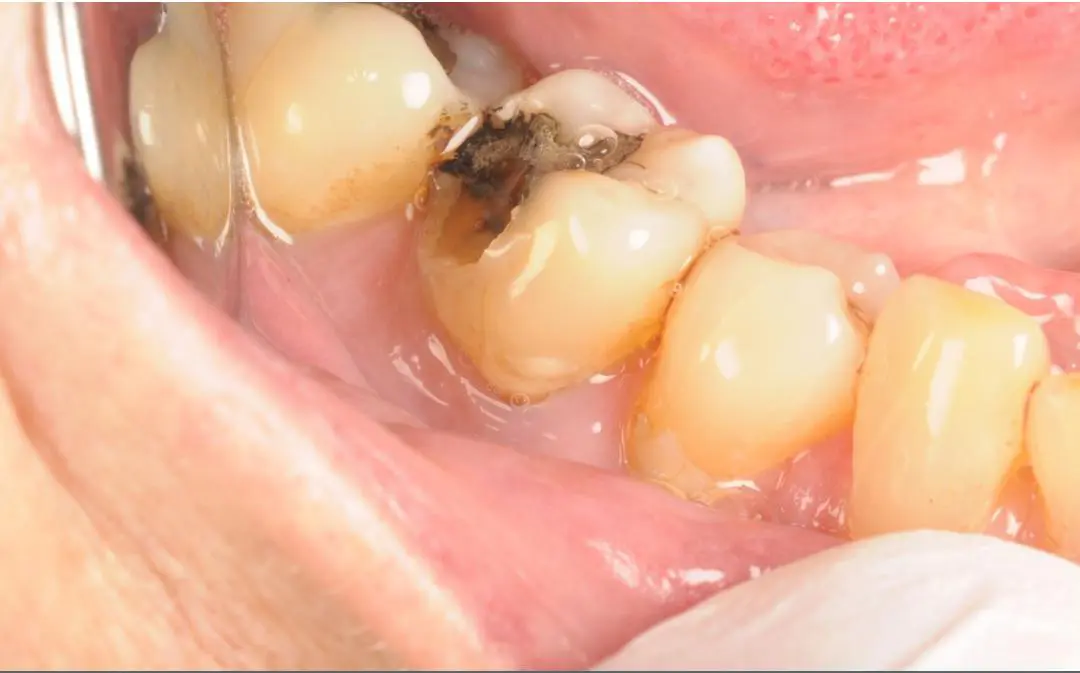
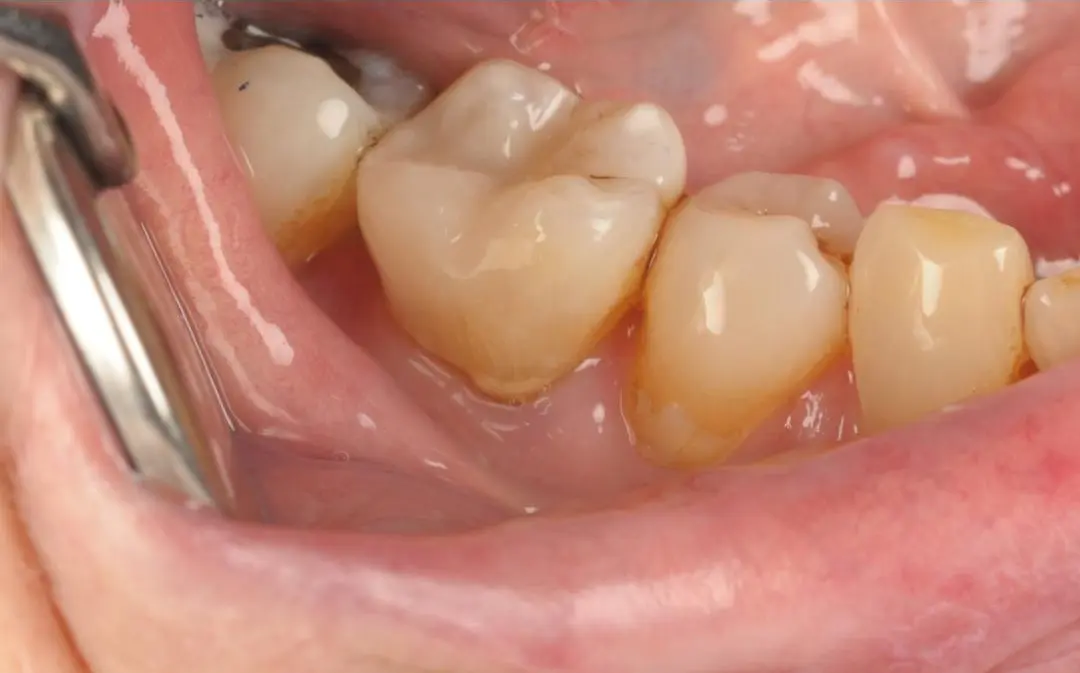
Real Patient Result: Emergency White Filling
Treatment by Dr Kamran
If pain persists, consider adding paracetamol — because paracetamol works through a different mechanism, it can be taken alongside ibuprofen on the advice of your pharmacist. Follow the dosage stated on the packaging.
Stagger between the two drugs — you can alternate between ibuprofen and paracetamol, but always leave at least 4"–6 hours between doses of the same medication. For example, ibuprofen at 8 am, paracetamol at 11 am, ibuprofen at 2 pm. Never exceed the maximum daily dose of either drug.
Set a timer — track when you take each dose to avoid accidentally exceeding the limit.
Book a dental appointment — painkillers are a bridge, not a treatment. Arrange professional care as soon as possible.
Key point: Over-the-counter painkillers provide temporary symptom relief only. They do not treat the underlying cause of your toothache. If pain persists beyond a day or two, or worsens, you should seek a professional dental assessment.
Level 3 — Dentist-Prescribed Medications (Prescription Only)
When over-the-counter medication is not enough to control dental pain, your dentist can prescribe stronger painkillers or other medications. These are not available from pharmacies without a prescription and are only used when clinically appropriate.
| Medication | Type | When Prescribed | Key Cautions |
|---|---|---|---|
| Co-codamol 30/500 | Codeine + paracetamol | Moderate to severe pain not controlled by OTC options | Drowsiness, constipation, short-term use only — risk of dependence |
| Codeine phosphate (30"–60 mg) | Opioid analgesic | Severe acute dental pain not controlled by OTC painkillers | Drowsiness, constipation, nausea — short-term use only, risk of dependence |
| Naproxen | Stronger NSAID | Prolonged inflammation or when ibuprofen is insufficient | Stomach irritation, take with food — same cautions as ibuprofen |
| Amoxicillin / Metronidazole | Antibiotics — not painkillers | Spreading infection, abscess with systemic symptoms (e.g. fever, facial swelling) | Prescribed alongside dental treatment to control infection — never as a standalone cure. Course must be completed as directed. |
Important: Prescription medications are only dispensed by your dentist or GP when clinically necessary. They carry additional side effects and risks — particularly opioid-based drugs such as codeine, which should only be used for short periods due to the risk of dependence. Never take someone else's prescription medication for toothache.
If over-the-counter painkillers are not controlling your toothache, this is a strong sign that you need an urgent dental appointment rather than a stronger painkiller. The pain is telling you the underlying problem needs professional treatment.
What NOT to Do When You Have Toothache
When you are in pain, it can be tempting to try anything for relief. Avoid these six common mistakes that can make toothache worse:
Do not place aspirin directly on the gum. Aspirin is acidic and can cause a chemical burn to the soft tissue, leading to further pain and ulceration.
Do not ignore persistent or worsening pain. Dental problems rarely resolve on their own. Delaying treatment can allow an infection to spread or a small problem to become a larger one.
Do not exceed recommended painkiller doses. Taking more than the stated amount does not provide better relief and can cause serious harm, particularly to the liver (paracetamol) or stomach (ibuprofen).
Do not attempt to drain an abscess yourself. This risks spreading infection and introducing additional bacteria. Professional drainage in a clean clinical setting is the only safe approach.
Do not use clove oil excessively. While small amounts of eugenol-based products may temporarily numb pain, overuse can irritate or damage gum tissue.
Do not rely solely on home remedies as a substitute for professional care. Temporary relief is not the same as treatment.
When to See an Emergency Dentist
Some dental situations require urgent professional attention. You should seek an emergency dentist in London immediately if you experience any of the following warning signs:
Emergency Warning Signs
Facial swelling — swelling around the eye, cheek, or jaw can indicate a spreading infection that needs prompt treatment.
Fever or feeling generally unwell — these symptoms alongside dental pain may suggest a systemic infection.
Difficulty swallowing or breathing — this is a medical emergency. If swelling is affecting your ability to swallow or breathe, call 999 or attend A&E immediately.
Uncontrolled bleeding — bleeding that does not stop after sustained pressure for 20 minutes requires urgent assessment.
Severe pain not controlled by over-the-counter painkillers — if standard toothache pain relief is not managing your discomfort, professional intervention is likely needed.
Trauma to the teeth or jaw — a knocked-out tooth, fractured jaw, or significant dental injury should be assessed as soon as possible.
If you have difficulty breathing or swallowing due to facial swelling, this is a medical emergency. Call 999 immediately.
Not sure if it's an emergency? Call NHS 111 for free urgent care advice 24 hours a day, 7 days a week. They can help you decide whether you need emergency treatment, an urgent dental appointment, or can safely wait for a routine visit.
Professional Dental Treatment Options
Once a dentist has examined you and identified the cause of your pain, a range of treatments may be recommended. The table below shows common treatments matched to each cause:
Dental Treatments by Diagnosis
| Diagnosis | Treatment | What It Involves |
|---|---|---|
| Dental decay | Filling | Removing decayed tissue and placing a composite or amalgam restoration |
| Infected nerve (pulp) | Root canal | Removing infected tissue from inside the tooth and sealing the canals |
| Dental abscess | Drainage + antibiotics | Draining pus in a clinical setting; antibiotics if infection is spreading |
| Unsaveable tooth | Extraction | Removing the tooth to eliminate the source of pain and infection |
| Lost filling or crown | Crown / restoration repair | Replacing the damaged restoration to protect the underlying tooth |
| Gum disease | Gum treatment | Professional cleaning, scaling, or surgical treatment as needed |
Your dentist will discuss the options with you and help you make an informed decision about your care. Treatment plans are always tailored to individual circumstances.
Watch: Your Emergency Dental Appointment Explained
Book an Urgent Dental Appointment in London
If you are experiencing persistent toothache, swelling, or any of the warning signs described above, we would encourage you to seek professional help promptly. At Emergency Dentist in London, we offer urgent dental appointments seven days a week. Our experienced team can assess your symptoms, provide appropriate pain relief, and deliver the treatment you need.
You can book an emergency dental appointment online or call us directly. Early assessment often means simpler, more comfortable treatment — so please do not delay if you are in pain.
Frequently Asked Questions
What is the strongest painkiller I can buy over the counter for toothache in the UK?
According to NHS guidance, ibuprofen and paracetamol are the most commonly recommended over-the-counter painkillers for toothache in the UK. Taking them on a staggered schedule, as advised by your pharmacist, may provide more sustained relief. Some pharmacies also sell low-dose codeine-combination products (e.g. co-codamol 8/500), though these require pharmacist consultation. Always follow the dosing instructions on the packaging.
Can I take ibuprofen and paracetamol together for toothache?
Yes, ibuprofen and paracetamol can usually be taken together or alternated because they work through different mechanisms. However, you should always confirm this with your pharmacist or GP first, as individual health conditions and other medications may affect suitability. Never exceed the maximum daily dose of either drug.
How long should I wait before seeing a dentist for toothache?
If your pain is mild and manageable with over-the-counter relief, booking a routine dental appointment within a few days is generally reasonable. However, if you notice swelling, fever, difficulty swallowing, or pain that is getting worse, you should seek an urgent dental appointment the same day.
Will antibiotics cure my toothache?
No. Antibiotics can help control bacterial infection, but they do not address the underlying dental cause. A tooth with decay or a damaged nerve still needs physical treatment such as a filling, root canal, or extraction. Antibiotics are prescribed by dentists or doctors only when clinically appropriate and always alongside — not instead of — dental treatment.
Is toothache ever a sign of something more serious?
Yes, in some cases. Dental infections can spread to surrounding tissues, causing facial swelling (cellulitis) or, in rare cases, systemic illness. Pain in the lower jaw can occasionally be associated with cardiac conditions. If you have any concerns about the severity of your symptoms, seek professional advice without delay.
What is the fastest way to stop toothache at home?
The fastest way to relieve toothache at home is to take ibuprofen with food (following the dose on the packaging), then apply a cold compress to the outside of the cheek for 15 minutes. If pain persists, you can add paracetamol on the advice of your pharmacist. Rinse gently with warm salt water to reduce bacteria. These measures provide temporary relief only — you should see a dentist as soon as possible for definitive treatment.
Important disclaimer: This article is for general informational purposes only and does not constitute personalised medical or dental advice. Painkillers manage symptoms — they do not treat the underlying dental cause. Always follow the guidance of your pharmacist, dentist, or GP, and never exceed the recommended dose stated on the packaging. If you experience any side effects from medication, you can report them via the MHRA Yellow Card scheme.
Article reviewed: February 2026 · Next review due: February 2027
This article was written by the Emergency Dentist London editorial team and medically reviewed by a GDC-registered dental professional. It is intended for general informational purposes and should not replace individual advice from your dentist, pharmacist, or GP. Emergency Dentist London is a CQC-registered dental practice.
Sources: NHS — Toothache · SDCEP Clinical Guidance · Dental Practitioners' Formulary (BNF)
Disclaimer
This article is for general educational purposes only and does not constitute professional dental advice, diagnosis, or treatment. Every patient's circumstances are unique; dental symptoms and treatment options should always be assessed during a clinical examination by a qualified dental professional. No specific outcomes are guaranteed. This content has been prepared in line with GDC, CQC, ASA CAP Code, and GMC communication standards. If you have concerns about your oral health, please contact a registered dentist.