
If you wear dentures and have recently experienced a fall or facial impact, you may have noticed that something feels different — perhaps your dentures no longer sit as securely, there is unusual soreness along the gum line, or chewing feels uncomfortable. This is a concern that many denture wearers in London search for online, often unsure whether to seek help immediately or wait to see if things settle on their own.
Denture fit following a fall is a genuinely important dental matter. Even if there is no obvious visible damage to the denture itself, an impact to the face, jaw, or mouth can affect the underlying tissues and bone structure that support the appliance. Changes in oral anatomy — even subtle ones — can significantly alter how a denture sits and functions.
This article explains what can happen to denture comfort and fit after a fall, what signs and symptoms are worth paying attention to, and how professional dental adjustments can help restore stability and confidence in your dentures. Understanding when to seek professional guidance is an important step in protecting your oral health.
Experiencing these symptoms?
Delaying treatment can lead to tooth loss. We have slots available today.
What Should You Do If Your Dentures Feel Different After a Fall?
Yes. A fall or facial impact can alter denture comfort and fit by causing physical damage to the appliance, changing the shape of soft tissues, or affecting the underlying jaw structure. Professional denture adjustments carried out by a dentist or clinical dental technician can help restore proper fit and function safely.
How a Fall Can Affect Your Dentures
Dentures are precision-crafted appliances designed to match the exact contours of your gum tissue and underlying jaw. Even minor changes to these structures can have a noticeable effect on how your denture feels and performs throughout the day.
A fall can affect your dentures in several ways:
Meet Dr. Yasha Shirazi
Principal Dentist at Emergency Dentist London
"We treat hundreds of dental emergencies every month. The sooner you come in, the easier the fix usually is."
Book an appointment with our team →- Direct physical impact: The denture itself may sustain cracks, chips, or warping that are not always immediately visible to the naked eye but are felt as discomfort or instability.
- Changes to soft tissue: The gums and soft tissues inside the mouth can become swollen, bruised, or tender following a fall. This temporary change in tissue volume can alter how the denture base makes contact with the mouth.
- Changes to jaw or bone structure: In more significant impacts, there may be changes in the jaw itself — including micro-fractures or altered bone contour — that affect the fit of a well-established denture.
- Dislodged or lost teeth from the denture: Individual prosthetic teeth within the denture may have dislodged during the impact, requiring professional repair.
It is worth noting that even if the denture appears intact visually, a professional assessment is the most reliable way to evaluate whether the appliance still fits correctly and safely.
Recognising the Signs That Your Denture May Need Adjustment
Following a fall, it is helpful to be aware of the changes that may suggest your denture requires professional attention. These signs are not always dramatic — sometimes they present as subtle shifts in comfort that gradually become more noticeable.
Signs that may indicate your denture fit has been affected include:
- Soreness or irritation along the gum ridge, particularly in areas that were previously comfortable
- A sensation of rocking, clicking, or movement when biting and chewing
- Difficulty speaking clearly, especially with sounds that were previously unaffected
- Visible cracks, chips, or fractures in the denture base or artificial teeth
- Food becoming trapped more frequently beneath the denture
- Unusual pressure points that cause discomfort in specific areas of the mouth
- Difficulty keeping the denture in place without adhesive that was not previously required
It is important to remember that experiencing one or more of these signs after a fall does not automatically indicate serious damage, but it does suggest that a dental review would be worthwhile. Continuing to wear a poorly fitting denture without assessment can place unnecessary pressure on the gum tissue and underlying bone.
If you have noticed repeated instability over time, this explainer on how improper fit can contribute to repeated denture fractures may also be useful.
The Dental Science Behind Denture Fit
To understand why a fall can disrupt denture comfort, it helps to appreciate how dentures are designed to work in the first place.
Dentures rely on a precise relationship between the hard and soft tissues of the mouth. Full (complete) dentures depend on a suction-like seal between the denture base and the mucosa — the moist membrane covering the gum ridges and the roof of the mouth. Partial dentures, by contrast, use clasps and rests that engage with remaining natural teeth to maintain stability.
The underlying alveolar bone — the ridge of bone that once held the natural teeth — provides the structural foundation for denture retention. This bone is living tissue that continues to remodel over time. Following tooth loss, the alveolar ridge gradually reduces in volume through a process known as resorption. This is a natural and ongoing process; however, trauma such as a fall can accelerate localised changes or cause acute tissue swelling that temporarily disrupts the fit.
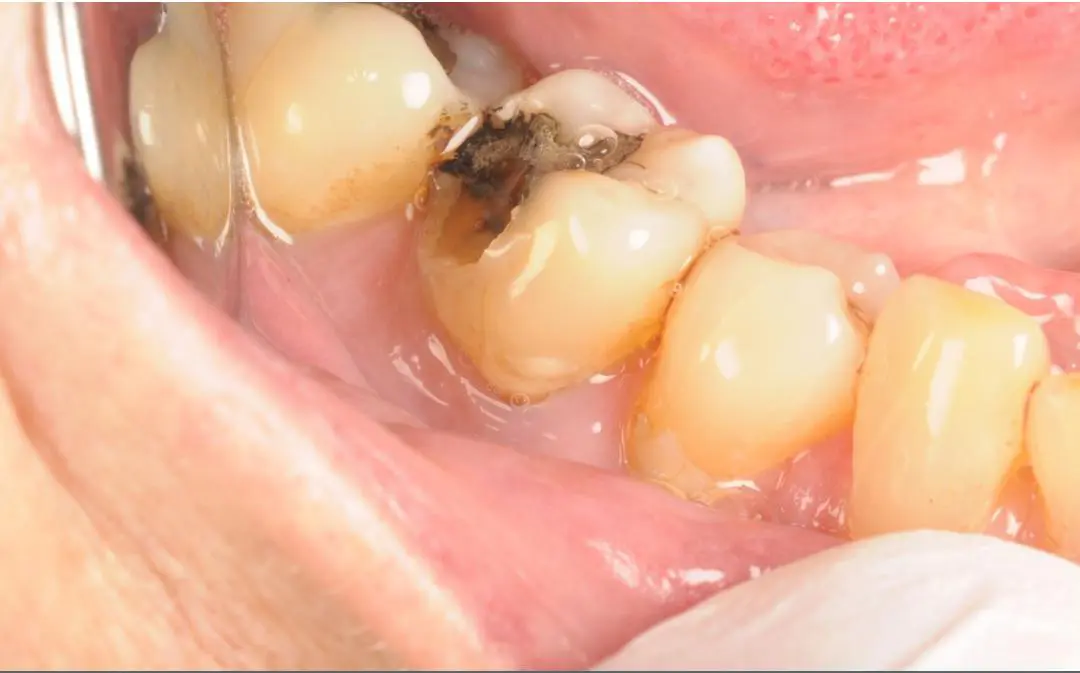
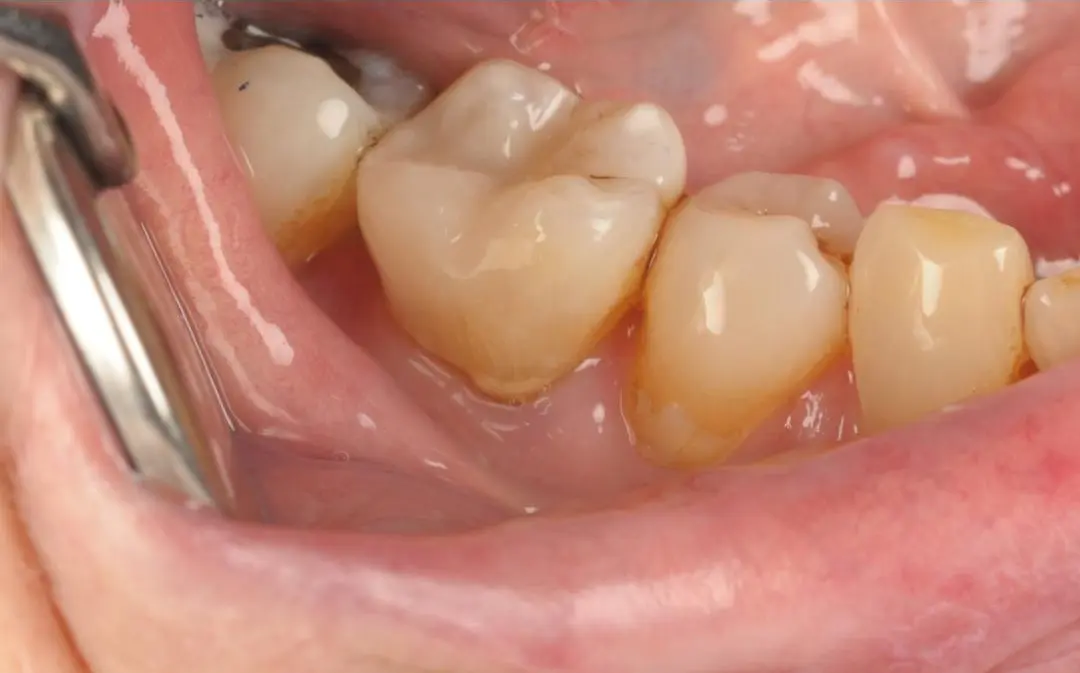
Real Patient Result: Emergency White Filling
Treatment by Dr Kamran
When the soft tissues become inflamed or change shape after an impact, the denture base no longer contacts the underlying tissue in the way it was designed to. This can create pressure points, reduce the suction seal, and make the denture feel loose or uncomfortable. Professional relining or adjustment addresses these changes by restoring accurate contact between the denture and the oral tissues.
Professional Adjustment Options Following Denture Displacement or Damage
One of the most reassuring aspects of denture discomfort following a fall is that there are several clinically appropriate options available to restore comfort and stability. The right approach will depend on the nature and extent of the change identified during a professional assessment.
Common professional denture adjustment approaches include:
Denture Relining
Relining involves adding new material to the fitting surface of the denture base to improve its contact with the gum tissue. This can be carried out in the clinic (chairside reline) for temporary improvement, or through a dental laboratory for a more durable long-term solution. Relining is particularly useful when the fit has been affected by tissue changes rather than damage to the appliance itself.
Denture Repair
If the fall has caused physical fractures, chips, or dislodged teeth within the denture, professional repair using appropriate dental materials can restore structural integrity. Attempting home repairs with non-dental adhesives is not recommended, as this can permanently alter the shape of the appliance and cause further complications.
If you are weighing short-term repair against full replacement, this comparison of denture repair vs new dentures offers a practical overview.
Occlusal Adjustment
Sometimes, the way the upper and lower dentures meet — known as the occlusion — can be subtly altered after a fall. This can cause uneven pressure distribution and discomfort. A dentist can assess the bite relationship and make precise adjustments to restore balanced contact.
Replacement Dentures
In cases where the denture has sustained significant damage or where the underlying tissue changes are substantial, replacement dentures may be the most appropriate long-term solution. Your dentist will discuss all available options based on clinical findings.
If you are looking for experienced support following dental trauma, the team providing emergency denture repair in London can provide timely clinical assessment and guidance.
When Professional Dental Assessment May Be Appropriate
Following a fall involving the face or mouth, there are certain situations where seeking a dental assessment sooner rather than later may be particularly advisable.
Consider contacting your dentist or an emergency dental service if you experience:
- Persistent or worsening pain inside the mouth or along the jaw
- Visible swelling of the gums, cheeks, or jaw that does not begin to reduce after 24–48 hours
- Bleeding gums that do not settle reasonably quickly
- Difficulty opening or closing the mouth normally
- Numbness, tingling, or altered sensation in the lips, gums, or jaw
- A denture that feels significantly loose, painful to wear, or visibly cracked
These symptoms may indicate that a more thorough clinical review — which could include X-rays or assessment of the hard and soft tissues — would be beneficial. Attending an appointment does not mean that something serious has necessarily occurred; it simply means that a clinician can provide a proper evaluation and appropriate reassurance or care.
It is also worth noting that jaw injuries are occasionally associated with more complex dental concerns, including damage to any remaining natural teeth or changes in the jaw joint. A thorough examination allows these possibilities to be assessed and addressed appropriately.
Understanding Denture-Related Pressure Sores
One complication that can arise from a poorly fitting denture — whether the cause is a fall or general wear over time — is the development of pressure sores on the gum tissue. These are areas of localised irritation caused by uneven pressure from the denture base against the soft tissue.
Following a fall, if tissue swelling temporarily changes the contour of the gum ridge, the denture may place concentrated pressure in specific areas. Over time, this can lead to soreness, ulceration, or a condition known as denture stomatitis — a mild inflammation of the mucosa beneath the denture base, sometimes associated with a fungal component.
Pressure sores are generally manageable with professional denture adjustment, appropriate oral hygiene measures, and, where necessary, short-term use of prescribed treatments. They are rarely serious when identified and addressed promptly. However, any sore or ulcerated area in the mouth that does not begin to show improvement within two weeks should always be reviewed by a dental professional, regardless of the apparent cause.
If you are concerned about dental emergency warning signs following a fall, seeking a professional opinion provides the most reliable information about your individual situation.
Watch: Understanding Dental Emergency Costs in London
If you are considering seeking dental help following a fall but are uncertain about costs, the following video provides helpful information about dental emergency consultation fees and membership options at Emergency Dentist in London.
Prevention and Ongoing Oral Health Advice for Denture Wearers
While it may not always be possible to prevent a fall, there are several practical steps that denture wearers can take to maintain the health of their mouth and the condition of their appliances over time.
Practical tips for maintaining denture comfort and oral health:
- Attend regular dental reviews. Dentures change fit over time as the gum tissue and bone naturally remodel. Regular check-ups — typically once a year — allow adjustments to be made before significant discomfort develops.
- Handle dentures carefully. When removing your dentures over a basin, filling it partially with water or placing a folded towel at the base can reduce the risk of damage if they are dropped.
- Maintain good denture hygiene. Clean your dentures daily with a soft denture brush and appropriate non-abrasive cleaner. Avoid hot water, which can warp the appliance.
- Remove dentures at night. Resting the gum tissues overnight helps maintain tissue health and reduces the risk of pressure-related irritation.
- Store dentures safely. When not in use, keep dentures in a protective case with water or a denture-soaking solution to prevent drying and distortion.
- Keep the mouth clean. Even without natural teeth, it is important to gently clean the gums, tongue, and palate daily to maintain healthy tissue.
- Report changes promptly. If your denture begins to feel less comfortable — even without an obvious cause — a professional review is worthwhile rather than tolerating discomfort.
For patients who have experienced a fall and are concerned about both their dentures and any remaining natural teeth, it may be helpful to explore guidance on dental trauma and urgent care pathways in London to understand what support is available.
Key Points to Remember
- A fall or facial impact can affect denture comfort and fit even without visible damage to the appliance.
- Changes to soft tissue swelling and jaw structure following a fall can alter how a denture sits in the mouth.
- Signs such as soreness, rocking, difficulty speaking, or visible cracks are worth having assessed professionally.
- Professional options including relining, repair, and occlusal adjustment can help restore denture fit.
- Pressure sores caused by poorly fitting dentures are manageable when identified and treated early.
- Regular dental reviews are an important part of maintaining denture comfort and oral health over time.
Frequently Asked Questions
Can wearing a damaged denture after a fall cause further harm?
Wearing a denture that no longer fits correctly following a fall can place uneven pressure on the gum tissue and underlying bone. Over time, this may contribute to tissue irritation, sore spots, and accelerated bone resorption beneath the denture. It is generally advisable to seek a professional assessment if your denture feels noticeably different after an impact, rather than continuing to wear it without review.
How quickly should I see a dentist after a fall affecting my dentures?
The timing will depend on the severity of your symptoms. If you are experiencing significant pain, swelling, difficulty opening your mouth, or visible fractures in the denture, it is sensible to seek dental attention promptly. For milder changes in comfort or fit without acute pain, arranging an appointment within a few days is generally appropriate. Your dentist will advise on the best course of action based on a clinical examination.
Will my denture need to be replaced after a fall, or can it be repaired?
This depends on the nature and extent of any damage identified during a professional assessment. Many dentures can be repaired or relined successfully following a fall, restoring comfortable fit and function. Replacement may be recommended in cases of significant structural damage or where the appliance is already ageing and no longer providing optimal support. Your dentist will discuss the most suitable option for your individual circumstances.
Is it normal for dentures to feel loose after a fall even if they appear undamaged?
Yes, this is relatively common. Swelling and bruising of the gum tissue following a fall can temporarily change the shape of the oral tissues, causing a previously well-fitting denture to feel loose or uncomfortable. In most cases, as the tissue inflammation reduces, some degree of improved fit may return. However, a professional assessment is still recommended to rule out any underlying structural changes and to ensure the denture is not causing further irritation during the healing period.
Can I use denture adhesive to manage discomfort after a fall while I wait for an appointment?
Denture adhesive can provide some temporary comfort and stability while awaiting a dental appointment. However, it is not a substitute for professional assessment or adjustment. Relying on adhesive to compensate for a poorly fitting denture long-term is not recommended, as it may mask changes that require clinical attention. If you are using adhesive more than you were before a fall, this is a useful indicator that a professional review would be beneficial.
Are denture repairs covered by private dental plans in London?
The cost of denture repairs and adjustments will vary depending on the clinic and the nature of the work required. Many private dental clinics in London offer transparent pricing, and some offer membership plans that include discounted treatment. It is always worthwhile contacting the practice directly to discuss the likely costs before attending. The video included in this article provides helpful guidance on consultation fees at Emergency Dentist in London.
Conclusion
Experiencing a fall when you wear dentures can be an unsettling event, particularly if it leaves you with discomfort or uncertainty about whether your appliance is still working as it should. The good news is that professional dental assessment and adjustment can address many of the fit-related concerns that arise following facial impacts — often without the need for full denture replacement.
Understanding the signs that your denture may have been affected, and knowing when to seek professional guidance, is an important part of maintaining good oral health as a denture wearer. Whether the issue relates to soft tissue changes, physical damage to the appliance, or altered pressure distribution, a trained dental professional can assess the situation and discuss appropriate options.
If you are in London and have concerns about your denture comfort following a fall, seeking a clinical review sooner rather than later is a practical step towards restoring comfort and confidence.
Dental symptoms and treatment options should always be assessed individually during a clinical examination.
Disclaimer
This article is for educational and informational purposes only.
It does not provide professional dental advice, diagnosis, or a treatment recommendation.
Any dental concern should be assessed during an in-person clinical examination by a registered dental professional; treatment suitability and outcomes vary by individual, and no results are guaranteed.
Prepared in line with General Dental Council (GDC) communication standards, Care Quality Commission (CQC) patient safety principles, and ASA CAP Code healthcare advertising guidance.