
Denture wearers in London and beyond often experience frustration when their prosthetic teeth repeatedly crack or break, leading many to search for answers about why their dentures seem particularly fragile. This concern becomes especially pressing when the same denture experiences multiple fractures within a short period, causing inconvenience and additional costs.
Understanding the relationship between denture fit and structural integrity is crucial for anyone wearing removable prosthetics. An improper fit creates uneven pressure distribution across the denture base, potentially leading to stress concentrations that make the material more susceptible to cracking. This mechanical imbalance can transform routine activities like eating and speaking into situations that place excessive strain on specific areas of the denture.
This article explores how poor denture fit contributes to repeated fractures, examining the biomechanical factors involved and discussing prevention strategies. We'll also cover when professional dental assessment may help address these recurring issues, ensuring your dentures provide reliable function and comfort for daily activities.
Experiencing these symptoms?
Delaying treatment can lead to tooth loss. We have slots available today.
What causes repeated denture fractures due to improper fit?
An improperly fitted denture creates uneven pressure distribution during chewing and speaking, causing stress concentrations in specific areas of the prosthetic material. This mechanical imbalance leads to micro-fractures that gradually develop into complete breaks, particularly affecting the same vulnerable regions repeatedly.
Understanding Denture Mechanics and Fit
The relationship between denture fit and structural durability involves complex biomechanical principles. When dentures fit correctly, biting forces distribute evenly across the entire prosthetic base, allowing the material to handle normal functional stresses effectively. However, poor fit disrupts this balance significantly.
Ill-fitting dentures create contact points where excessive pressure concentrates during function. These areas experience repeated stress cycles that exceed the material's fatigue resistance. The prosthetic base may rock or shift during chewing, creating flexural stresses that weaken specific zones over time.
Meet Dr. Yasha Shirazi
Principal Dentist at Emergency Dentist London
"We treat hundreds of dental emergencies every month. The sooner you come in, the easier the fix usually is."
Book an appointment with our team →Modern denture materials possess excellent strength characteristics when forces apply uniformly. However, localised stress concentrations from poor fit can overwhelm even high-quality acrylic resins. This explains why some patients experience frequent fractures whilst others wear similar dentures for years without issues. The emergency dental services often see patients requiring urgent denture repairs due to these mechanical failures.
Common Areas Affected by Poor Fit
Specific regions of ill-fitting dentures show increased susceptibility to fracture. The midline area often experiences stress from rocking movements when the denture doesn't seat properly on the underlying tissues. This central region bears significant forces during function and becomes vulnerable when fit problems exist.
Posterior regions near the molars also show increased fracture risk with poor fit. These areas handle substantial chewing forces, and improper contact with the supporting tissues can create cantilever effects that stress the denture base beyond its design limits.
The junction between the teeth and denture base represents another vulnerable zone. Poor fit can cause the prosthetic to flex excessively during function, creating stress concentrations where the artificial teeth attach to the acrylic base material.
How Tissue Changes Affect Denture Stability
Natural tissue changes occur continuously after tooth extraction, affecting denture fit over time. The jawbone gradually remodels following tooth loss, causing the supporting ridges to shrink and change shape. This process, called resorption, means dentures that initially fit well may become loose and unstable.
As tissues change, dentures begin moving during function, creating the mechanical problems that lead to fractures. The prosthetic may shift laterally during chewing or lift away from the tissues during speaking, generating stress patterns the original design couldn't accommodate.
These gradual changes often go unnoticed initially, as patients adapt their eating and speaking patterns unconsciously. However, the cumulative effect of repeated stress cycles weakens the denture material, eventually resulting in visible cracks or complete fractures.
Signs That Denture Fit May Need Professional Assessment
Several indicators suggest denture fit problems that could contribute to fractures. Persistent soreness or pressure spots often indicate uneven contact between the prosthetic and supporting tissues. These uncomfortable areas frequently correspond to regions experiencing excessive stress.
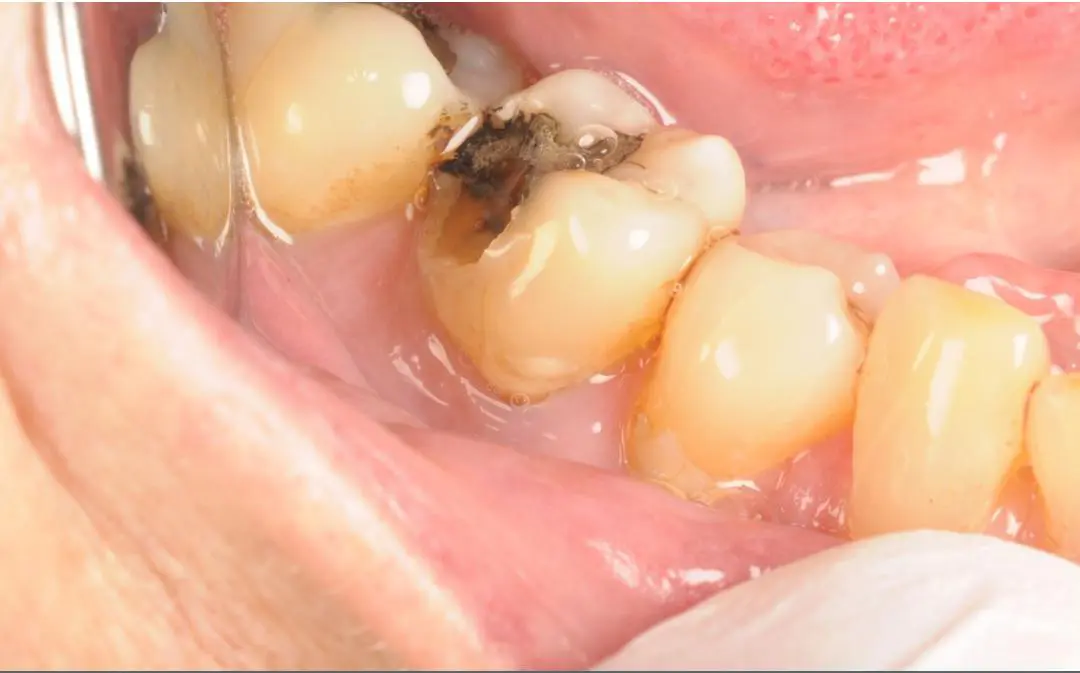
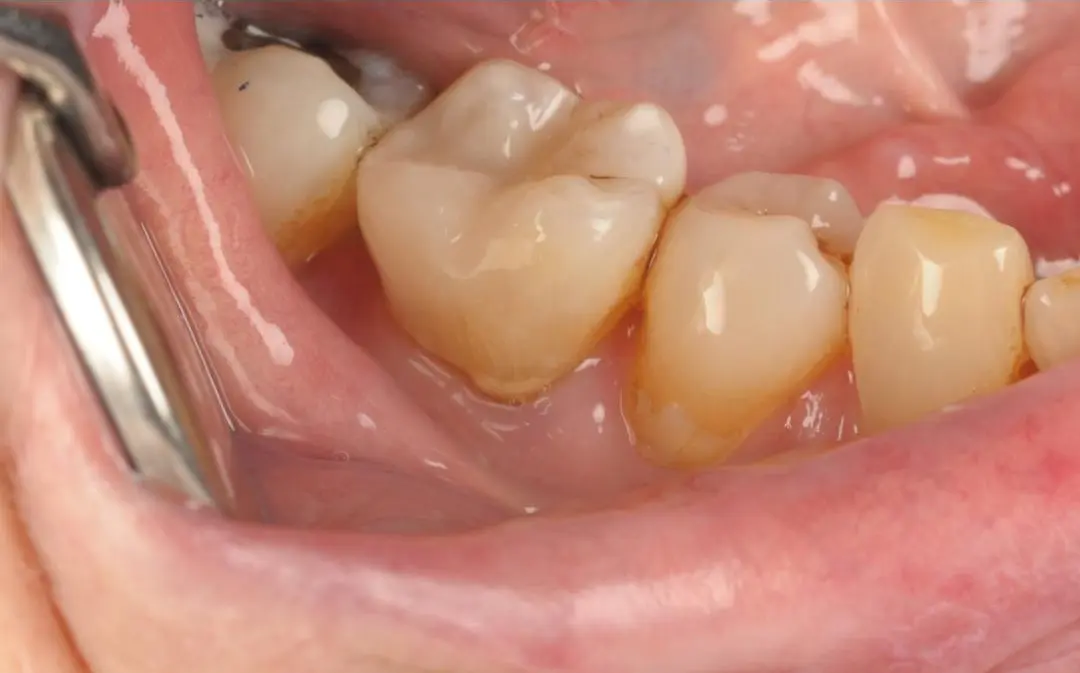
Real Patient Result: Emergency White Filling
Treatment by Dr Kamran
Movement during eating or speaking represents another significant warning sign. Well-fitted dentures should remain stable during normal function, and excessive mobility suggests fit problems that create mechanical stresses leading to fractures.
Clicking sounds during chewing or difficulty with certain foods may indicate that the denture isn't contacting the tissues properly. These functional problems often precede structural failures as the prosthetic experiences abnormal stress patterns.
Prevention Strategies for Denture Longevity
Maintaining proper denture fit requires regular professional monitoring and adjustment. Routine check-ups allow dental professionals to identify fit problems before they contribute to fractures, often through minor adjustments that restore proper contact with the tissues.
Proper cleaning techniques also support denture longevity by preventing plaque accumulation that can affect fit. Clean dentures maintain better contact with the tissues, reducing movement that creates stress concentrations. Using appropriate cleaning products designed specifically for prosthetic materials helps preserve the surface integrity.
Avoiding extremely hard or sticky foods can reduce mechanical stress on dentures, particularly those with marginal fit. This doesn't mean severely restricting diet, but rather being mindful of foods that place exceptional demands on the prosthetic structure.
The dental treatments available today include various options for improving denture fit and preventing repeated fractures through professional adjustment and relining procedures.
Professional Solutions for Fit-Related Fractures
When dentures experience repeated fractures, several professional interventions may help address the underlying fit problems. Relining procedures can restore proper contact between the prosthetic and changed tissues, eliminating movement that creates stress concentrations.
Soft relines involve adding a cushioning material to the tissue-contacting surface, whilst hard relines use rigid materials that precisely match the current tissue contours. The choice depends on individual circumstances and the extent of tissue changes that have occurred.
In some cases, complete denture replacement may provide the most effective solution for severe fit problems. Modern fabrication techniques and materials can create prosthetics that better accommodate individual anatomical features and functional requirements.
The Role of Regular Maintenance
Consistent professional maintenance plays a crucial role in preventing fit-related fractures. Regular adjustments can address minor fit problems before they develop into significant mechanical stresses that compromise denture integrity.
Professional cleaning and inspection during maintenance visits allow early identification of wear patterns or developing cracks that might indicate fit problems. Addressing these issues promptly can prevent complete fractures that require emergency treatment.
The general dentist can provide comprehensive assessment of denture fit and recommend appropriate interventions to prevent repeated fractures whilst maintaining optimal function.
Key Points to Remember
• Improper denture fit creates uneven stress distribution that contributes to repeated fractures
• Tissue changes following tooth extraction gradually affect denture stability over time
• Professional assessment can identify fit problems before they lead to structural failures
• Regular maintenance and adjustments help prevent fractures by maintaining proper contact
• Modern relining techniques can restore proper fit and eliminate stress concentrations
• Complete replacement may be necessary for severely compromised prosthetics
Frequently Asked Questions
How often should dentures be checked for proper fit?
Professional evaluation every 6-12 months helps identify fit changes before they contribute to fractures. However, any discomfort or functional problems warrant immediate assessment, as tissues can change at varying rates depending on individual factors and overall oral health.
Can repeated fractures damage the supporting tissues?
Ill-fitting dentures that cause fractures often create pressure points and irritation on the underlying tissues. Sharp edges from broken prosthetics can cause ulceration or inflammation, making professional repair essential for both comfort and tissue health.
What temporary measures help when a denture fractures?
Avoid attempting repairs with household adhesives, which can damage the material and tissues. Remove loose fragments and contact a dental professional promptly. Temporary denture repair materials from pharmacies may provide short-term relief but require professional follow-up.
How do I know if my fractures result from poor fit versus normal wear?
Fractures occurring repeatedly in similar locations often indicate fit problems rather than normal wear. Professional examination can assess whether stress patterns suggest mechanical imbalances that professional adjustment could address effectively.
Are some denture materials more resistant to fit-related fractures?
Modern acrylic resins offer good fracture resistance when properly fitted, but no material can compensate for significant fit problems. The key lies in maintaining proper contact with tissues rather than relying solely on material properties.
Can improving denture fit prevent all future fractures?
Whilst proper fit significantly reduces fracture risk, dentures remain subject to normal wear and occasional damage from accidents. However, addressing fit problems eliminates a major contributing factor and typically extends prosthetic lifespan considerably.
Conclusion
Understanding how improper fit influences repeated denture fractures empowers patients to recognise warning signs and seek appropriate professional intervention. The mechanical relationship between denture stability and structural integrity demonstrates why regular professional assessment remains essential for long-term prosthetic success.
Addressing fit problems through professional adjustment, relining, or replacement can effectively eliminate the stress concentrations that cause repeated fractures. This proactive approach may help reduce the risk of inconvenient breakages and support the oral health and comfort that well-fitted dentures should provide.
Professional dental guidance becomes particularly important when fractures occur repeatedly, as this pattern often indicates underlying mechanical problems that adjustment can resolve. Early intervention may prove more effective and economical than managing recurring emergency repairs.
Dental symptoms and treatment options should always be assessed individually during a clinical examination.
Disclaimer: This article is provided for general educational purposes only and does not constitute professional dental advice, diagnosis, or treatment. Individual oral health needs vary and all dental concerns should be assessed by a qualified dental professional. Treatment outcomes cannot be guaranteed and this content should not delay seeking appropriate care.