
Dental emergencies can happen at any time, leaving patients feeling anxious and unsure about the severity of their injury. Many people search online immediately after experiencing dental trauma, seeking guidance on whether their situation requires urgent attention or can wait until regular surgery hours. The uncertainty surrounding chipped teeth, knocked-out teeth, or severe dental pain often leads to delayed treatment, which can sometimes complicate recovery.
Understanding how dental trauma is managed by professional urgent care teams in London can help patients make informed decisions about their oral health. This article explores the different types of dental injuries, the immediate steps taken by emergency dental professionals, and how specialised urgent care teams provide comprehensive treatment. We'll examine the clinical approaches used to preserve damaged teeth, prevent complications, and restore dental function.
Knowing what to expect from professional dental trauma management can reduce anxiety during dental emergencies and help patients understand the importance of seeking prompt professional assessment when oral injuries occur.
Experiencing these symptoms?
Delaying treatment can lead to tooth loss. We have slots available today.
What is dental trauma and how is it managed by urgent care teams?
Dental trauma refers to injuries affecting the teeth, gums, or supporting structures, typically requiring immediate professional assessment. London urgent care teams manage dental trauma through systematic clinical evaluation, pain management, and targeted treatment protocols designed to preserve tooth viability and prevent complications.
Common Types of Dental Trauma
Dental injuries occur in various forms, each requiring specific clinical management approaches. Chipped or fractured teeth represent one of the most frequent types of dental trauma, ranging from minor enamel chips to complex fractures involving the tooth's nerve. Crown fractures may expose the underlying dentine or pulp, creating sensitivity and potential infection risks.
Tooth displacement injuries, including luxation and avulsion, require immediate professional intervention. When teeth are partially displaced or completely knocked out, the surrounding periodontal ligament becomes damaged, affecting the tooth's blood supply and long-term viability. Emergency dental teams assess the extent of displacement and determine whether repositioning is possible.
Meet Dr. Yasha Shirazi
Principal Dentist at Emergency Dentist London
"We treat hundreds of dental emergencies every month. The sooner you come in, the easier the fix usually is."
Book an appointment with our team →Soft tissue injuries often accompany dental trauma, involving cuts to the lips, cheeks, tongue, or gums. These injuries may require cleaning, assessment for foreign objects, and sometimes suturing. Professional urgent care teams evaluate both the visible soft tissue damage and potential underlying tooth or bone injuries that may not be immediately apparent.
Immediate Clinical Assessment and Diagnosis
Professional dental trauma management begins with comprehensive clinical examination and diagnostic imaging. Emergency dentists assess tooth vitality through various tests, including thermal sensitivity, percussion testing, and electrical pulp testing. These evaluations help determine whether the tooth's nerve has been damaged and guide treatment decisions.
Radiographic examination forms a crucial part of trauma assessment, revealing fractures, root damage, or displacement that may not be visible during visual examination. Digital X-rays allow urgent care teams to quickly identify the extent of injury and plan appropriate treatment. This diagnostic approach ensures that hidden damage is detected early, preventing complications that could arise from undiagnosed injuries.
Pain management represents an immediate priority during dental trauma assessment. Professional teams use appropriate analgesics and local anaesthetics to ensure patient comfort while conducting thorough examinations. This approach allows for accurate assessment without patient distress interfering with the diagnostic process.
Understanding Tooth Structure and Trauma Response
Dental trauma affects different layers of tooth structure, each responding differently to injury. The outer enamel layer, being the hardest substance in the human body, can chip or fracture under significant force. When enamel damage occurs, the underlying dentine becomes exposed, often causing sensitivity to temperature and pressure changes.
The tooth's pulp contains nerves and blood vessels essential for tooth vitality. Trauma can cause pulp inflammation or death, even without visible external damage. Professional assessment determines pulp health through various clinical tests, as damaged pulp tissue may require root canal treatment to prevent infection and preserve the tooth.
The periodontal ligament connects the tooth root to surrounding bone, providing support and nutrition. Trauma affecting this structure can compromise tooth stability and healing. Emergency dental teams evaluate ligament damage through mobility testing and radiographic assessment, determining whether immediate stabilisation is necessary.
When Professional Dental Assessment May Be Needed
Fees shown in this video are indicative and subject to change. Please contact the practice directly to confirm current pricing and any applicable terms and conditions.
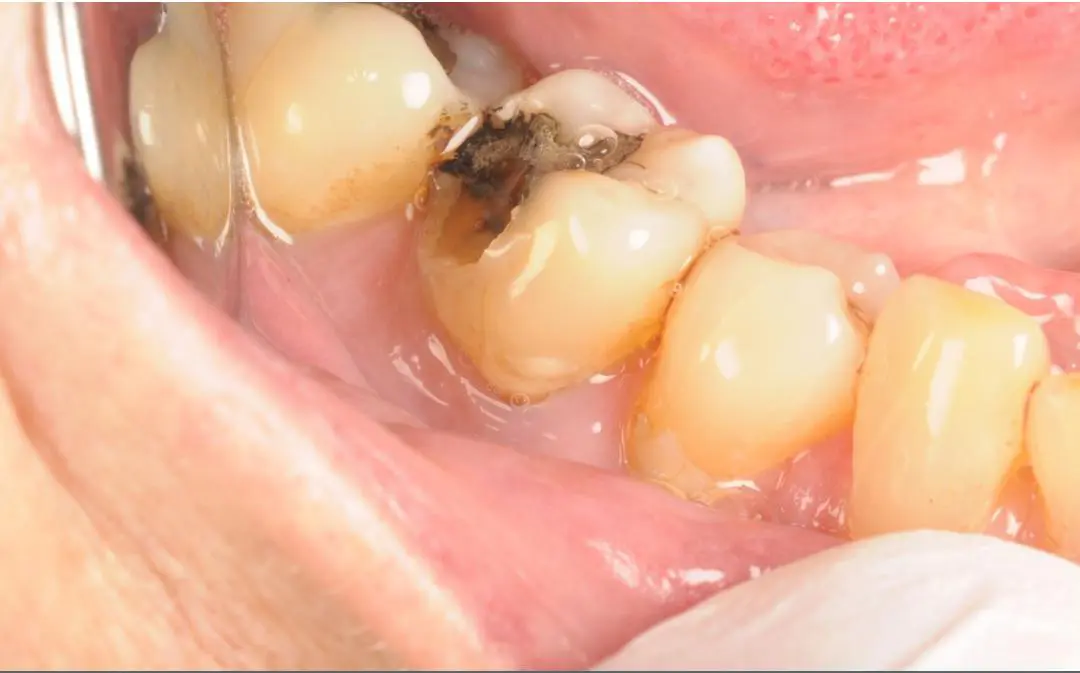
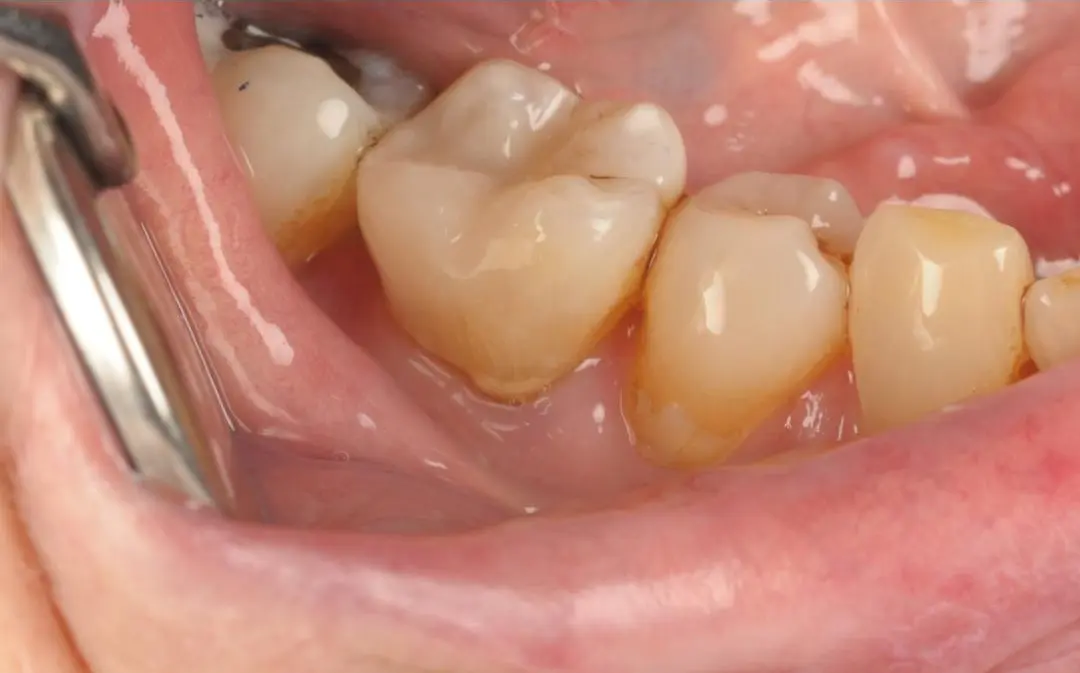
Real Patient Result: Emergency White Filling
Treatment by Dr Kamran
Persistent dental pain following trauma warrants professional evaluation, particularly if pain worsens over time or becomes spontaneous. Throbbing pain, sensitivity to hot temperatures, or pain that disrupts sleep may indicate pulp damage requiring immediate attention. Professional assessment can determine the cause and appropriate treatment approach.
Visible tooth displacement, loose teeth, or changes in bite alignment require urgent professional evaluation. These symptoms may indicate significant trauma affecting tooth-supporting structures. Early intervention can often improve treatment outcomes and prevent complications such as tooth loss or infection.
Swelling around injured teeth, facial swelling, or signs of infection should prompt immediate professional consultation. These symptoms may indicate developing complications that require prompt intervention to prevent spread of infection or further tissue damage.
Treatment Approaches for Different Trauma Types
Emergency dental treatment varies significantly depending on the type and severity of trauma. Simple enamel fractures may require smoothing of sharp edges and protective bonding materials, while complex fractures involving the pulp need more extensive intervention including possible root canal treatment to preserve the tooth.
Displaced teeth often require repositioning and stabilisation using flexible splints that allow natural healing while preventing further displacement. The timing of repositioning is crucial, with better outcomes typically achieved when treatment occurs within hours of injury. Professional urgent care teams have the expertise and materials necessary for appropriate splinting techniques.
Completely avulsed teeth require immediate professional management for any chance of successful reimplantation. The tooth's storage medium, time elapsed since avulsion, and patient's overall health all influence treatment decisions. Professional teams can assess reimplantation viability and provide appropriate emergency dental care in line with clinical best practice.
Prevention and Oral Health Protection
Protecting teeth during sports activities significantly reduces dental trauma risk. Custom-fitted mouthguards provide superior protection compared to generic alternatives, distributing impact forces and cushioning teeth during contact sports. Professional dental teams can create properly fitted protective appliances for various activities.
Avoiding habits that increase trauma risk, such as using teeth as tools or chewing hard objects like ice, helps prevent unnecessary dental injuries. Being mindful of potential hazards during daily activities and maintaining awareness of environmental risks can reduce accident likelihood.
Regular dental check-ups help identify and address factors that may increase trauma susceptibility, such as protruding front teeth or weakened teeth from previous damage. Preventive treatments can strengthen vulnerable teeth and reduce injury severity if accidents occur.
Key Points to Remember
• Dental trauma requires prompt professional assessment to determine appropriate treatment and prevent complications
• Different types of injuries affect various tooth structures, each requiring specific clinical management approaches
• Early intervention often improves treatment outcomes and preserves tooth viability
• Professional urgent care teams use systematic assessment protocols including clinical testing and diagnostic imaging
• Protective measures such as properly fitted mouthguards can significantly reduce dental trauma risk during sports
• Signs such as persistent pain, swelling, or tooth displacement warrant immediate professional evaluation
Frequently Asked Questions
How quickly should I seek treatment after dental trauma?
Dental trauma should be assessed professionally as soon as possible, ideally within hours of injury. Immediate treatment is particularly crucial for displaced or knocked-out teeth, where delays can significantly affect treatment success. Even seemingly minor injuries benefit from prompt evaluation to detect hidden damage and prevent complications.
Can a knocked-out tooth be saved?
Knocked-out teeth can sometimes be successfully reimplanted if handled correctly and treated promptly. The tooth should be kept moist in milk or saliva and professional treatment sought immediately. Success depends on factors including time elapsed, how the tooth was stored, and the patient's age and overall health.
What should I do if a tooth is chipped but doesn't hurt?
Even painless chipped teeth should be professionally evaluated, as damage may be more extensive than initially apparent. Sharp edges can cause soft tissue injury, and exposed dentine may lead to sensitivity or decay. Professional assessment determines whether protective treatment is needed and prevents future complications.
How do dentists determine if trauma has damaged the tooth's nerve?
Dental professionals use various tests to assess nerve health, including temperature testing, percussion testing, and electrical pulp testing. These evaluations, combined with radiographic examination, help determine whether the tooth's nerve has been damaged and requires treatment such as root canal therapy.
Are there long-term complications from dental trauma?
Dental trauma can lead to various long-term complications including pulp death, root resorption, or ankylosis. Regular follow-up appointments allow professional monitoring for these potential issues. Early detection and intervention can often prevent or minimise complications, emphasising the importance of ongoing professional care.
What makes London urgent care teams different from regular dental practices?
London urgent care teams are specifically equipped and trained to handle dental emergencies, often providing extended hours and specialised trauma management protocols. They have immediate access to diagnostic equipment and emergency materials, allowing comprehensive assessment and treatment when regular dental surgeries may be closed.
Conclusion
Managing dental trauma effectively requires prompt professional assessment and appropriate clinical intervention. Understanding the different types of dental injuries and their potential complications helps patients recognise when urgent care is needed. Professional London urgent care teams provide systematic evaluation, immediate pain management, and targeted treatment approaches designed to preserve damaged teeth and prevent long-term complications.
The success of dental trauma treatment often depends on timing, with better outcomes typically achieved when professional care is sought promptly. Modern emergency dental protocols and advanced diagnostic tools enable comprehensive assessment and evidence-based treatment planning, even in urgent situations.
Maintaining awareness of trauma prevention strategies and knowing how to respond appropriately during dental emergencies can significantly impact treatment outcomes. Dental symptoms and treatment options should always be assessed individually during a clinical examination.
Disclaimer
This article is provided for educational purposes only and does not constitute dental or medical advice. Individual dental symptoms, oral health concerns, and treatment requirements vary between patients and must be assessed by a qualified dental professional during a clinical examination. No guarantee is made regarding specific treatment results or outcomes. If you are experiencing dental pain or oral health concerns, please consult a registered dental professional promptly.