
When unexpected dental pain strikes at the weekend or during the evening, many people in London find themselves searching online for immediate relief options. The traditional model of scheduling dental appointments weeks in advance doesn't always align with the urgent nature of dental emergencies. This has led to significant changes in how dental care is delivered, particularly through walk-in dental services.
Walk-in dental visits have become an increasingly important component of modern urgent care, bridging the gap between emergency hospital treatment and routine dental appointments. This approach allows patients to receive timely professional assessment and treatment for acute dental problems without the delays associated with conventional appointment systems. Understanding how these services work, what they can address, and when they might be appropriate can help individuals make informed decisions about their dental care during urgent situations.
What Are Walk-In Dental Visits?
Walk-in dental visits provide immediate access to professional dental assessment without prior appointment scheduling, allowing patients to receive urgent care for acute dental problems on the same day they present symptoms.
Experiencing these symptoms?
Delaying treatment can lead to tooth loss. We have slots available today.
Walk-in dental services operate on a first-come, first-served basis, typically offering extended hours to accommodate patients experiencing dental emergencies outside normal practice times. These services are designed to address urgent dental problems that cannot wait for a routine appointment, such as severe tooth pain, dental trauma, or acute infections.
The Background and Development of Walk-In Dental Care
The concept of walk-in dental care has evolved significantly over the past decade, driven by changing patient expectations and healthcare accessibility needs. Traditional dental practices often struggle to accommodate emergency cases within their structured appointment systems, leaving patients with limited options during urgent situations.
This gap in provision became particularly apparent in urban areas like London, where busy lifestyles and work commitments make it difficult for many people to schedule routine dental care. The development of walk-in services represents a response to these challenges, providing a more flexible approach to urgent dental treatment.
Meet Dr. Yasha Shirazi
Principal Dentist at Emergency Dentist London
"We treat hundreds of dental emergencies every month. The sooner you come in, the easier the fix usually is."
Book an appointment with our team →The integration of walk-in dental services into broader urgent care networks has improved overall healthcare efficiency by reducing inappropriate use of hospital accident and emergency departments for dental problems. This targeted approach ensures patients receive appropriate specialist care whilst reducing pressure on general medical services.
Types of Conditions Addressed in Walk-In Dental Settings
Walk-in dental services typically focus on acute conditions that require immediate professional attention. These commonly include severe toothache, dental abscesses, broken or knocked-out teeth, lost fillings or crowns, and soft tissue injuries affecting the mouth and gums.
Dental trauma represents a significant portion of walk-in cases, particularly sports-related injuries or accidents resulting in fractured teeth or jaw injuries. These situations often require prompt assessment to determine the extent of damage and appropriate treatment options.
Infection-related problems, such as facial swelling or gum abscesses, also frequently present as walk-in cases. These conditions can develop rapidly and may require immediate intervention to prevent complications or spread of infection to surrounding tissues.
Clinical Assessment and Treatment Approaches
When patients present for walk-in dental care, the initial focus involves comprehensive assessment to determine the nature and severity of the problem. This typically includes clinical examination, relevant radiographs where appropriate, and discussion of symptoms and medical history.
Treatment approaches in walk-in settings often emphasise immediate pain relief and stabilisation of urgent conditions. This might involve emergency pain management, temporary restorations, or antibiotic therapy for infections. The goal is to address immediate symptoms whilst allowing time for more comprehensive treatment planning.
The clinical approach recognises that emergency treatment may differ from ideal long-term solutions. Walk-in care often provides essential interim treatment that allows patients to function comfortably until definitive treatment can be arranged through their regular dental provider.
Understanding the Dental Science Behind Urgent Conditions
Many conditions that present as dental emergencies involve rapid changes in tooth structure or surrounding tissues. For example, dental pain often results from inflammation of the tooth's nerve tissue (pulp) due to decay, trauma, or other damage. This inflammation occurs within the rigid structure of the tooth, creating pressure that results in significant discomfort.
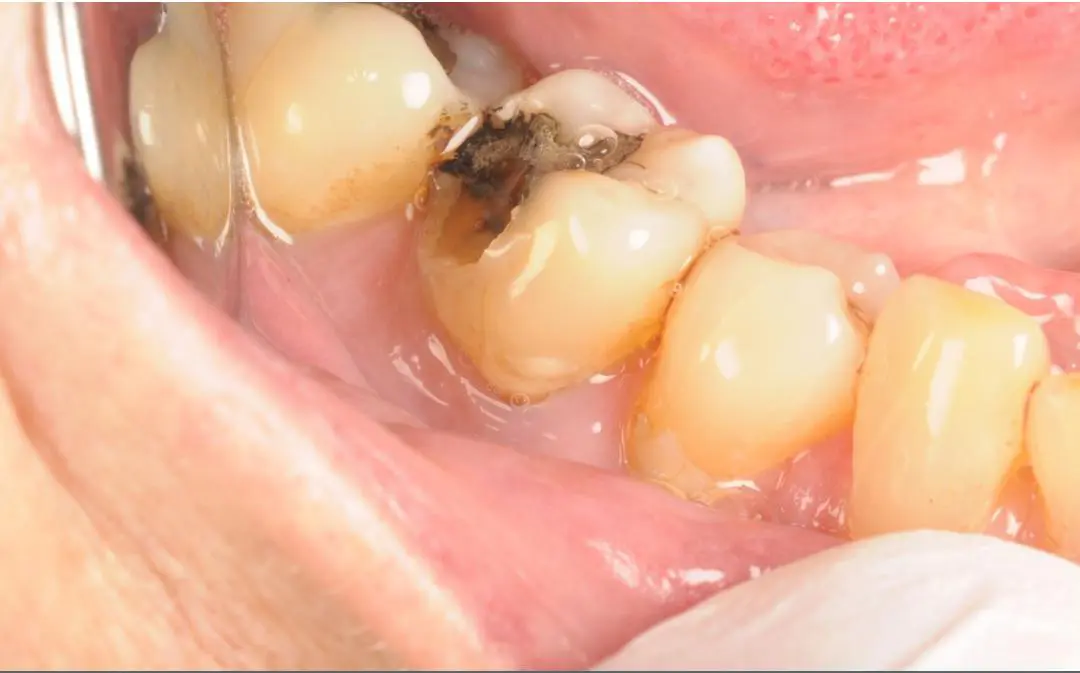
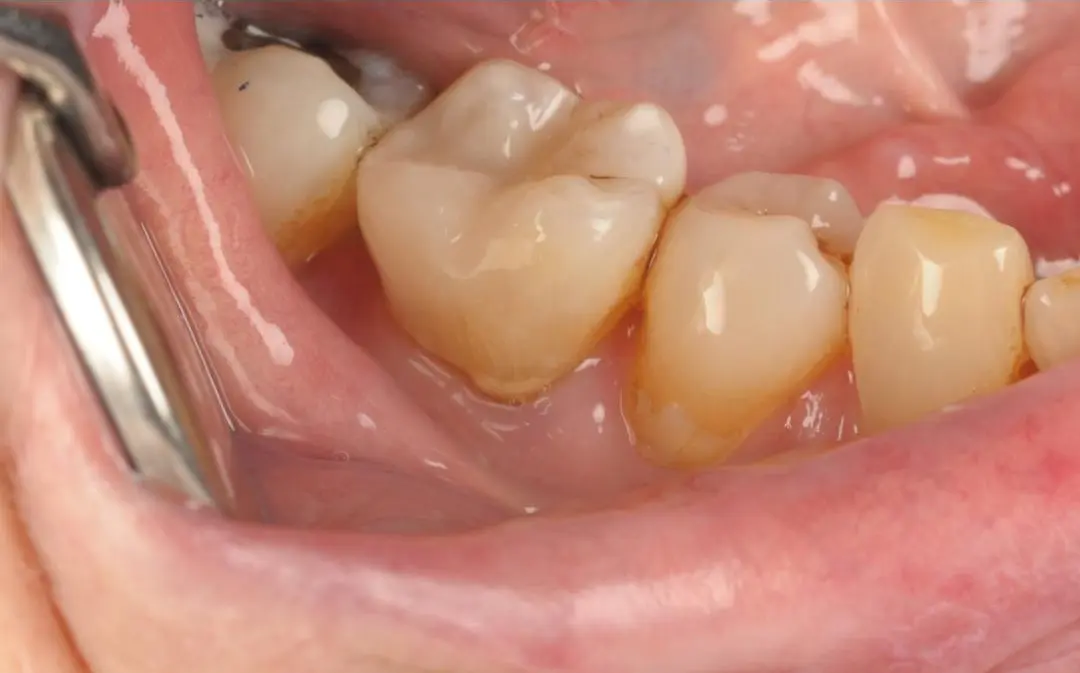
Real Patient Result: Emergency White Filling
Treatment by Dr Kamran
Dental abscesses form when bacteria invade tooth or gum tissues, leading to localised infection and swelling. The body's immune response to this infection can cause rapid tissue changes and pain, particularly as pressure builds in confined spaces around the tooth root or within gum tissues.
Understanding these underlying processes helps explain why some dental conditions require urgent attention. The confined anatomy of teeth and surrounding structures means that inflammatory processes can quickly become severe and may not resolve without professional intervention.
When Professional Dental Assessment May Be Needed
Several symptoms suggest that urgent dental assessment may be appropriate. Severe, persistent tooth pain that interferes with sleep or daily activities often indicates a condition requiring professional attention. Similarly, facial swelling, particularly if it affects the ability to swallow or open the mouth normally, warrants prompt evaluation.
Dental trauma, including knocked-out teeth, significant chips or fractures, or injuries affecting the jaw, typically requires urgent assessment to determine appropriate treatment and prevent complications. Even seemingly minor injuries can sometimes involve damage to tooth nerves or roots that may not be immediately apparent.
Signs of infection, such as persistent bad taste, swelling of gums or face, or fever accompanying dental pain, suggest conditions that may benefit from professional evaluation and treatment.
Fees and membership offers shown in this video are indicative and subject to change. Please contact the practice directly to confirm current pricing and any applicable terms and conditions.
Benefits and Limitations of Walk-In Dental Services
Walk-in dental services offer several advantages, including immediate access to professional care, extended hours that accommodate working schedules, and specialist dental expertise for urgent problems. These services can provide effective pain relief and treatment for many acute dental conditions.
However, walk-in services also have limitations. The focus on urgent care means that comprehensive treatment planning may be limited, and some complex procedures may not be available in emergency settings. Additionally, continuity of care may be affected if ongoing treatment needs to be arranged elsewhere.
The cost structure of urgent dental care may differ from routine treatment, and patients should understand potential financial implications before seeking care. Some walk-in services operate on a private basis, whilst others may accept NHS patients depending on local arrangements.
Prevention and Oral Health Maintenance
Whilst walk-in services provide valuable urgent care, maintaining good oral health remains the most effective approach to preventing dental emergencies. Regular dental check-ups allow early detection and treatment of problems before they become urgent.
Good daily oral hygiene, including thorough brushing with fluoride toothpaste and interdental cleaning, helps prevent many conditions that lead to urgent dental problems. A balanced diet that limits frequent sugar consumption also supports long-term oral health.
Using appropriate protective equipment during sports and avoiding habits that increase injury risk, such as using teeth as tools or chewing hard objects, can help prevent dental trauma that might require urgent care.
Integration with Ongoing Dental Care
Walk-in dental services work most effectively when integrated with regular dental care rather than as a replacement for routine treatment. Emergency treatment often provides temporary solutions that require follow-up care for optimal long-term outcomes.
Patients who receive walk-in dental care should arrange appropriate follow-up with a regular dental provider to ensure comprehensive treatment planning and ongoing oral health maintenance. This continuity helps prevent recurrence of problems and supports overall oral health.
Communication between urgent care providers and regular dental practices can help ensure seamless care transitions and optimal treatment outcomes for patients.
Key Points to Remember
- Walk-in dental services provide valuable access to urgent care without appointment scheduling delays
- These services focus on immediate symptom relief and stabilisation of acute dental conditions
- Emergency treatment may provide temporary solutions requiring follow-up care
- Regular dental maintenance remains the most effective prevention strategy
- Integration with ongoing dental care optimises long-term treatment outcomes
- Professional assessment is recommended for severe pain, swelling, trauma, or signs of infection
Frequently Asked Questions
What types of dental problems can be treated during a walk-in visit?
Walk-in dental services typically address urgent conditions such as severe toothache, dental abscesses, broken teeth, lost fillings, and oral trauma. The focus is on immediate pain relief and treatment of acute problems that cannot wait for routine appointments. However, complex procedures requiring extensive treatment planning may need to be arranged through regular dental care.
How long might I expect to wait for a walk-in dental appointment?
Wait times for walk-in dental services vary depending on demand and the severity of cases being treated. Services typically operate on a first-come, first-served basis, prioritising the most urgent cases. Some clinics offer telephone triage to help estimate wait times and provide initial advice about managing symptoms.
Will I need to arrange follow-up treatment after a walk-in dental visit?
Many conditions treated in walk-in settings require follow-up care for optimal long-term outcomes. Emergency treatment often focuses on immediate symptom relief and temporary solutions. Your treating dentist will advise whether additional treatment is needed and help arrange appropriate follow-up care.
Are walk-in dental services available on weekends and bank holidays?
Many walk-in dental services specifically cater to times when routine dental care is unavailable, including evenings, weekends, and bank holidays. However, availability varies between different providers and locations. It's advisable to check specific opening hours and contact details before attending.
What should I bring to a walk-in dental appointment?
Bring identification, details of any medications you're taking, and information about relevant medical history or allergies. If you have recent dental X-rays or treatment records, these may be helpful. Payment information is also important, as urgent care fees may differ from routine treatment costs.
Can walk-in dental services prescribe antibiotics or strong pain medication?
Qualified dental professionals can prescribe appropriate medications when clinically indicated, including antibiotics for infections and pain relief for acute symptoms. Prescribing decisions are based on clinical assessment and individual patient factors. Always follow prescribed medication instructions and complete antibiotic courses as directed.
Conclusion
The evolving role of walk-in dental visits represents an important development in modern urgent care, providing essential access to professional dental treatment when traditional appointment systems cannot accommodate immediate needs. These services have become particularly valuable in addressing the gap between routine dental care and emergency hospital treatment.
Understanding how walk-in dental services operate, what conditions they can address, and their integration with ongoing dental care helps patients make informed decisions during urgent situations. Whilst these services provide valuable immediate care, they work most effectively as part of a comprehensive approach to oral health that includes regular preventive care.
The continued development of walk-in dental services reflects changing healthcare needs and patient expectations. As these services evolve, they are likely to play an increasingly important role in ensuring timely access to appropriate dental care for urgent conditions.
Dental symptoms and treatment options should always be assessed individually during a clinical examination.
Disclaimer
This article is provided for educational purposes only and does not constitute dental or medical advice. Individual dental symptoms, oral health concerns, and treatment requirements vary between patients and must be assessed by a qualified dental professional during a clinical examination. No guarantee is made regarding specific treatment results or outcomes. If you are experiencing dental pain or oral health concerns, please consult a registered dental professional promptly.