
A sudden toothache can be an unsettling experience at any time — but when it happens while you are away from home, navigating an unfamiliar city, it can feel particularly stressful. Whether you are visiting London for business, tourism, or a short stay, dental pain has a way of arriving without warning and demanding immediate attention.
Many people instinctively turn to an online search when dental discomfort strikes, hoping to understand their symptoms, gauge the severity of the situation, and identify where they can access help quickly. This article is designed to support exactly that need. It explains the common causes of a sudden toothache, what your symptoms might indicate, how to access private emergency dental care in London, and what steps you can take to protect your oral health in the meantime.
Understanding what may be causing your discomfort — and knowing that professional help is available across London, often on the same day — can make an already difficult situation far more manageable.
Experiencing these symptoms?
Delaying treatment can lead to tooth loss. We have slots available today.
What Should You Do If You Have a Sudden Toothache While Visiting London?
If you develop a sudden toothache while visiting London, you should seek an emergency dental appointment as soon as possible. Private emergency dental clinics in London often offer same-day appointments for new patients. Avoid self-diagnosing — only a qualified dentist can assess the underlying cause and recommend appropriate treatment following a clinical examination.
Common Causes of a Sudden Toothache
Dental pain rarely appears without an underlying reason, though the cause is not always immediately obvious. A sudden toothache can arise from several different dental conditions, ranging from minor sensitivity to more complex dental issues that require timely professional assessment.
Some of the most frequently seen causes include:
Meet Dr. Yasha Shirazi
Principal Dentist at Emergency Dentist London
"We treat hundreds of dental emergencies every month. The sooner you come in, the easier the fix usually is."
Book an appointment with our team →- Tooth decay (dental caries): When bacteria erode the enamel and progress deeper into the tooth structure, it can expose the sensitive inner layers, triggering pain — sometimes sharply and without warning.
- Cracked or fractured tooth: A crack can develop gradually due to biting hard foods, tooth grinding, or previous dental work. Cold temperatures or biting pressure may suddenly aggravate it.
- Dental abscess: An abscess is a localised collection of infection at the root of the tooth or in the surrounding gum tissue. It can cause throbbing, persistent pain and may be accompanied by swelling.
- Lost or damaged filling: When a filling becomes dislodged, it exposes vulnerable tooth tissue to pressure and temperature changes.
- Gum disease: Advanced gum disease can cause the gums to recede, exposing tooth roots and resulting in sensitivity or aching discomfort.
It is important to note that only a clinical dental examination can accurately identify the cause of your toothache. Symptoms can overlap between conditions, making self-diagnosis unreliable.
Understanding the Dental Science Behind Toothache
To understand why toothache can feel so intense, it helps to know a little about tooth anatomy. Each tooth contains a central chamber called the pulp, which houses nerves, blood vessels, and connective tissue. This pulp is what allows you to feel temperature, pressure, and pain.
Surrounding the pulp is a layer of dentine — a porous material that is considerably more sensitive than the outer enamel. When the hard protective enamel is compromised through decay, fracture, or wear, the dentine becomes exposed. Dentine contains microscopic tubules that connect to the pulp, allowing external stimuli — such as cold drinks, sweet foods, or biting forces — to travel rapidly to the nerve, triggering pain signals.
If infection reaches the pulp itself, inflammation can build within the enclosed tooth chamber. Because there is limited space for this swelling to expand, the resulting pressure on the nerve tissue can cause significant, often persistent discomfort. This is why a dental abscess, in particular, may produce a throbbing sensation that is difficult to manage without professional intervention.
Understanding this process underscores why early dental assessment is so valuable — addressing the issue before infection progresses can simplify treatment considerably.
How to Access Private Emergency Dental Care in London
One of the significant advantages of London as a city is the availability of private dental care throughout the week, including weekday evenings and, in some cases, weekends. If you are experiencing a sudden toothache as a visitor, registering as a new patient with a private emergency dental clinic is generally straightforward.
Here is a practical guide to accessing care:
- Search online for emergency dental clinics near your location. Use search terms such as "emergency dentist London" or "same-day dental appointment London" to find clinics in your area.
- Call ahead to explain your symptoms. Reception teams at private clinics are experienced in triaging dental emergencies and can often advise on urgency and availability.
- Bring any relevant dental history if available. If you have dental records or know your recent treatment history, sharing this with the clinician may be helpful.
- Be prepared to describe your symptoms clearly. When you call, note when the pain started, where it is located, whether it is constant or triggered by specific actions, and whether you have any associated swelling.
If you are looking for private emergency dental appointments in London, private clinics such as Emergency Dentist in London may be able to see patients at short notice for clinical assessment. Treatment suitability and availability are subject to individual clinical need and clinic capacity at the time of contact.
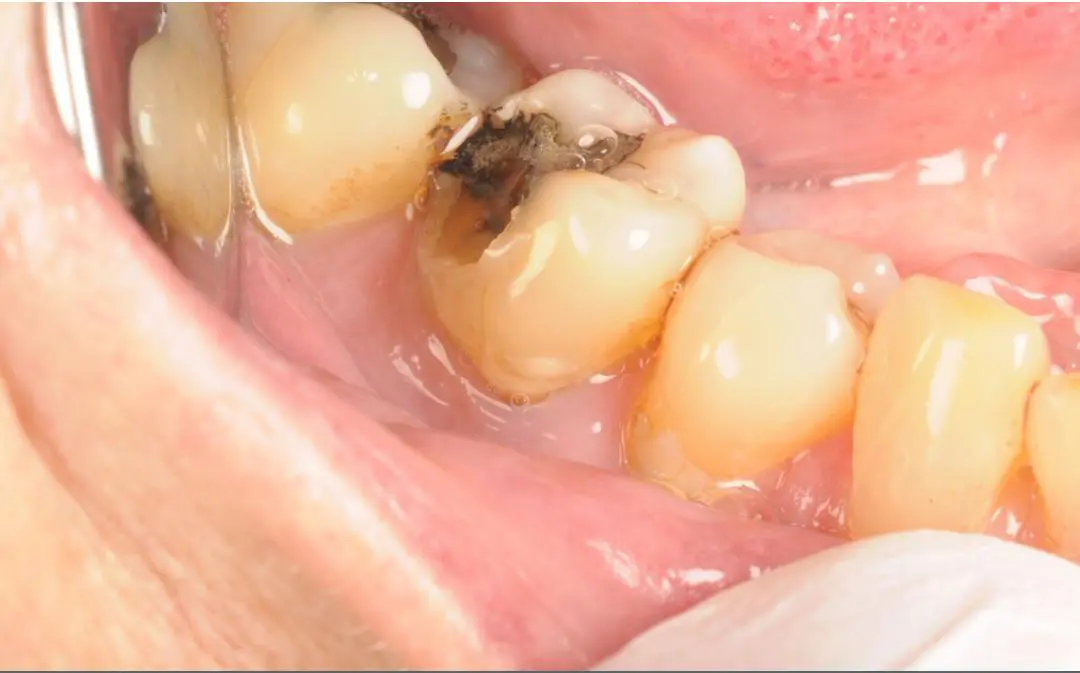
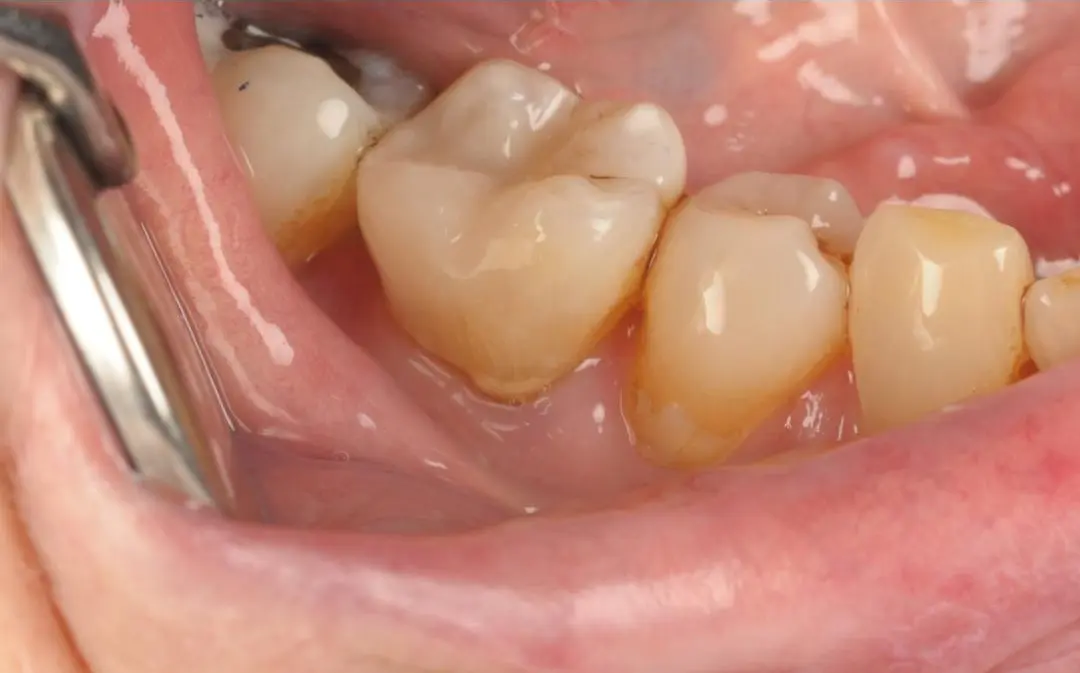
Real Patient Result: Emergency White Filling
Treatment by Dr Kamran
When Professional Dental Assessment May Be Needed
While mild, transient sensitivity may sometimes resolve on its own, certain symptoms suggest that professional dental evaluation should be sought without delay. It is advisable to contact a dentist promptly if you notice any of the following:
- Persistent or worsening pain that does not subside after a few hours
- Swelling of the face, jaw, or gums around the affected area
- A visible abscess or pus near the gum line
- Difficulty opening your mouth or swallowing
- Pain accompanied by fever
- A knocked-out or severely damaged tooth following an accident or fall
- A lost filling or crown leaving a tooth exposed and painful
These symptoms are not presented to cause alarm — they are shared so that you feel informed and empowered to seek timely help. A dentist will conduct a thorough clinical examination, which may include digital X-rays, to identify the cause of your discomfort and discuss appropriate treatment options with you.
If you are experiencing dental trauma, information about emergency dental trauma treatment can help you understand what to expect during your appointment.
Managing Discomfort While You Arrange Dental Care
If you are waiting for a dental appointment and need to manage discomfort in the interim, the following measures may provide some temporary relief — though they are not a substitute for professional treatment:
- Over-the-counter pain relief: Non-prescription analgesics such as ibuprofen or paracetamol, taken as directed on the packaging, may help reduce discomfort. Always follow manufacturer guidelines.
- Avoid very hot, cold, or sweet foods and drinks that may aggravate sensitivity.
- Rinse gently with warm salt water to help keep the area clean and soothe the surrounding gum tissue.
- Do not apply aspirin directly to the gum or tooth, as this can cause tissue irritation.
These measures are intended only as short-term comfort strategies. The underlying cause of a toothache requires professional dental assessment and treatment.
Prevention and Oral Health Advice for Travellers
When travelling, maintaining your usual oral health routine can help reduce the likelihood of dental problems arising. A few practical steps can make a meaningful difference:
- Pack a travel dental kit including a toothbrush, fluoride toothpaste, floss, and any prescribed dental items such as a mouthguard.
- Attend a dental check-up before travelling, particularly if you are aware of existing dental concerns. Addressing known issues before a trip can prevent problems from developing while you are away.
- Be cautious with hard or sticky foods that could crack a tooth or dislodge existing restorations.
- Stay hydrated — a dry mouth can increase the risk of dental decay, as saliva plays an important role in neutralising acids and protecting enamel.
- If you grind your teeth at night, wearing a custom occlusal splint during travel may reduce the risk of a sudden fracture.
Attending a pre-travel dental check-up is a sensible and commonly recommended way to help reduce the risk of dental problems arising whilst abroad. Learning more about moving from emergency care to routine preventive dental visits before your next trip can help you stay ahead of potential dental concerns.
Key Points to Remember
- A sudden toothache while visiting London may be assessed at a private emergency dental clinic at short notice, subject to availability and clinical need.
- Common causes include tooth decay, cracked teeth, dental abscesses, and lost fillings — all of which require professional diagnosis.
- Toothache pain originates from the sensitive pulp and dentine within the tooth, and symptoms can worsen if infection is left untreated.
- Over-the-counter pain relief and salt water rinses may offer temporary comfort, but are not a replacement for dental treatment.
- Private dental clinics in London may accept new patients for emergency appointments without prior registration, subject to availability.
- Attending a pre-travel dental check-up is a sensible and commonly recommended step to help reduce the risk of dental emergencies occurring whilst abroad.
Frequently Asked Questions
Can I see a dentist in London as a visitor without being registered?
Yes. Private dental clinics in London are generally able to see new patients, including visitors and tourists, without prior registration. When calling to book, explain that you are a visitor and describe your symptoms. Many private practices offer same-day emergency appointments and will treat you as a new patient without requiring any previous dental records. It is always worth calling ahead so the clinic can prepare appropriately for your visit.
How quickly can I get a private emergency dental appointment in London?
Many private emergency dental clinics in London offer same-day or next-day appointments, depending on availability and the nature of your symptoms. If you are in significant discomfort or have signs of swelling, it is advisable to phone as early in the day as possible, as urgent slots are often prioritised for patients in pain. Clinics experienced in emergency care are accustomed to accommodating time-sensitive dental needs efficiently.
Is a toothache always a sign of a serious dental problem?
Not necessarily. Toothache can range from mild, transient sensitivity — caused by exposed dentine or gum recession — to more significant issues such as an abscess or pulp infection. Only a clinical examination can determine the underlying cause. While some mild sensitivity may resolve with improved oral hygiene or desensitising products, persistent or worsening pain should always be assessed by a dentist, as early treatment tends to be less complex and more comfortable than delayed intervention.
What happens during an emergency dental appointment?
During an emergency dental appointment, the dentist will take a detailed history of your symptoms and conduct a clinical examination of the affected tooth and surrounding tissues. This may include digital X-rays to assess the internal structures of the tooth and identify any infection or damage not visible to the naked eye. The dentist will then discuss their findings with you and explain the available treatment options, allowing you to make an informed decision. Treatment suitability is always determined on an individual, case-by-case basis.
Can I take painkillers to manage a toothache without seeing a dentist?
Over-the-counter analgesics such as ibuprofen or paracetamol may temporarily reduce toothache discomfort and can be useful while you are arranging an appointment. However, they do not treat the underlying cause of the pain. Relying solely on pain relief without seeking dental assessment is not advisable, particularly if symptoms persist, worsen, or are accompanied by swelling. Always follow the dosage instructions on the packaging and consult a pharmacist if you have any concerns about suitability.
What should I do if I knock out a tooth in an accident?
A knocked-out adult tooth (avulsion) is a time-sensitive dental emergency. If this happens, handle the tooth by the crown (the visible part) rather than the root, rinse it gently with milk or clean water if it is dirty, and try to reinsert it into the socket if possible. If reinsertion is not feasible, store the tooth in milk or saliva and contact an emergency dental clinic immediately. The sooner you receive treatment, the better the clinical prospects may be. Time is a critical factor in these situations, and prompt professional assessment is strongly advised.
Conclusion
Experiencing a sudden toothache while visiting London can be unsettling, but understanding the likely causes, recognising when to seek care, and knowing that accessible private emergency dental services exist across the city can offer genuine reassurance. Whether your discomfort stems from tooth decay, a cracked tooth, an abscess, or a dislodged restoration, the most important step is arranging a professional dental assessment as promptly as possible.
London has many private dental clinics, and some may be able to offer same-day appointments to visitors and new patients, subject to availability. In the meantime, over-the-counter pain relief and simple comfort measures can help you manage while you wait for professional attention.
If you are planning future travel, a preventative dental check-up before you depart is a sensible step to help look after your oral health. Dental symptoms and treatment options should always be assessed individually during a clinical examination.
Disclaimer: This article is intended for general educational purposes only and does not constitute personalised dental advice. Individual diagnosis and treatment recommendations require a clinical examination by a qualified dental professional. No specific outcomes are guaranteed. This content has been prepared in line with GDC, CQC, ASA CAP Code, and GMC communication standards. If you have concerns about your oral health, please contact a registered dentist. If you have difficulty breathing or swallowing, call 999 or attend A&E.
Next Review Due: 11 November 2027