
Many people only think about visiting the dentist when something goes wrong — a sudden toothache, a broken tooth, or swelling that appears without warning. If you have recently sought emergency dental care in London, you are far from alone. Life is busy, dental anxiety is common, and for a great many adults, routine check-ups tend to fall by the wayside until an urgent problem demands attention.
After the immediate issue has been resolved, however, a very important question often arises: what happens next? Transitioning from emergency dental care to routine preventive dental visits is one of the most meaningful steps you can take to protect your long-term oral health. Preventive dentistry focuses on identifying and managing potential problems early — before they become painful, costly, or complex.
This article explains what transitioning from emergency care to preventive dentistry looks like in practice, why it matters, and how a tailored preventive plan can help you feel confident about your dental health going forward.
Experiencing these symptoms?
Delaying treatment can lead to tooth loss. We have slots available today.
Featured Snippet: What Does Transitioning from Emergency Care to Routine Preventive Dental Visits Mean?
Transitioning from emergency dental care to routine preventive dental visits means moving from reactive, crisis-driven treatment to a structured plan of regular check-ups, professional cleaning, and early intervention. After emergency care resolves an acute issue, a preventive dentist will assess your overall oral health and help you establish a personalised maintenance routine.
Why Do So Many Adults Find Themselves Relying on Emergency Dental Care?
It is important to acknowledge that seeking emergency dental treatment does not reflect poor character or carelessness. There are many reasons adults in London and across the UK may find themselves relying on urgent dental appointments rather than routine visits.
Dental anxiety is among the most frequently cited reasons. Research consistently shows that fear of dental treatment — whether related to pain, sounds, smells, or a previous difficult experience — can lead people to postpone appointments until discomfort becomes unbearable. Financial concerns, long NHS waiting lists, a busy work schedule, or simply having lost contact with a regular dentist can all contribute to delayed care.
Meet Dr. Yasha Shirazi
Principal Dentist at Emergency Dentist London
"We treat hundreds of dental emergencies every month. The sooner you come in, the easier the fix usually is."
Book an appointment with our team →Additionally, some dental conditions develop silently. Gum disease, for example, often causes little or no pain in its early stages, meaning it may go unnoticed until symptoms become more pronounced. When pain or visible damage does eventually appear, emergency treatment becomes the only immediate option.
Understanding the reasons behind this pattern is the first step towards changing it. Recognising that emergency care, whilst essential in a crisis, is not a sustainable long-term strategy is equally important for your overall wellbeing.
What Happens During Emergency Dental Treatment?
Emergency dental treatment is focused on one primary goal: relieving acute pain, managing infection, or stabilising damage to prevent further harm. When you visit an emergency dentist in London, the appointment typically begins with a clinical assessment — including relevant X-rays — to establish the source and extent of the problem.
Depending on the situation, treatment may include:
- Temporary or permanent tooth restoration for a chipped, cracked, or broken tooth
- Extraction if a tooth cannot be saved and is causing significant pain or risk of infection
- Drainage of a dental abscess and prescription of antibiotics where clinically appropriate
- Emergency root canal treatment to remove infected tissue and preserve the tooth
It is worth noting that emergency dental appointments are often focused on managing the immediate problem rather than addressing wider oral health concerns. A thorough assessment of your overall dental health — your gums, bone levels, bite, and soft tissues — is generally conducted during a dedicated routine or preventive appointment once the emergency has been resolved.
For same-day emergency dental appointments in London, you can use our same-day booking page for prompt assessment and care when you need it most.
The Clinical Case for Preventive Dentistry
The science behind preventive dentistry is well-established. The majority of common dental conditions — including tooth decay and gum disease — are largely preventable with consistent care and early intervention.
Tooth Decay (Dental Caries)
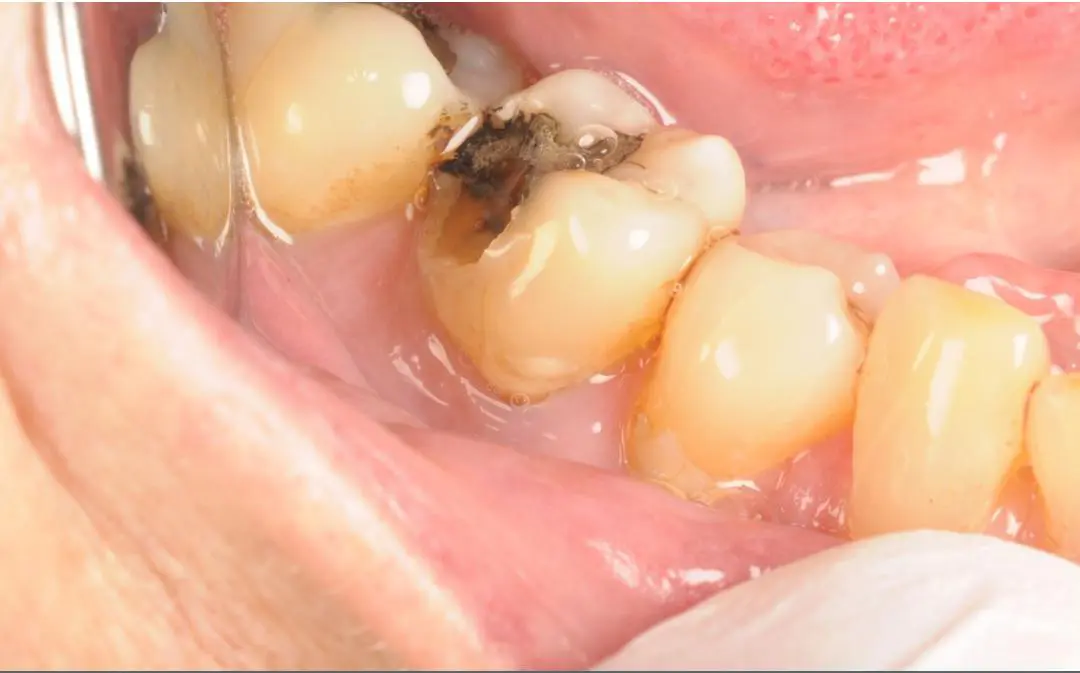
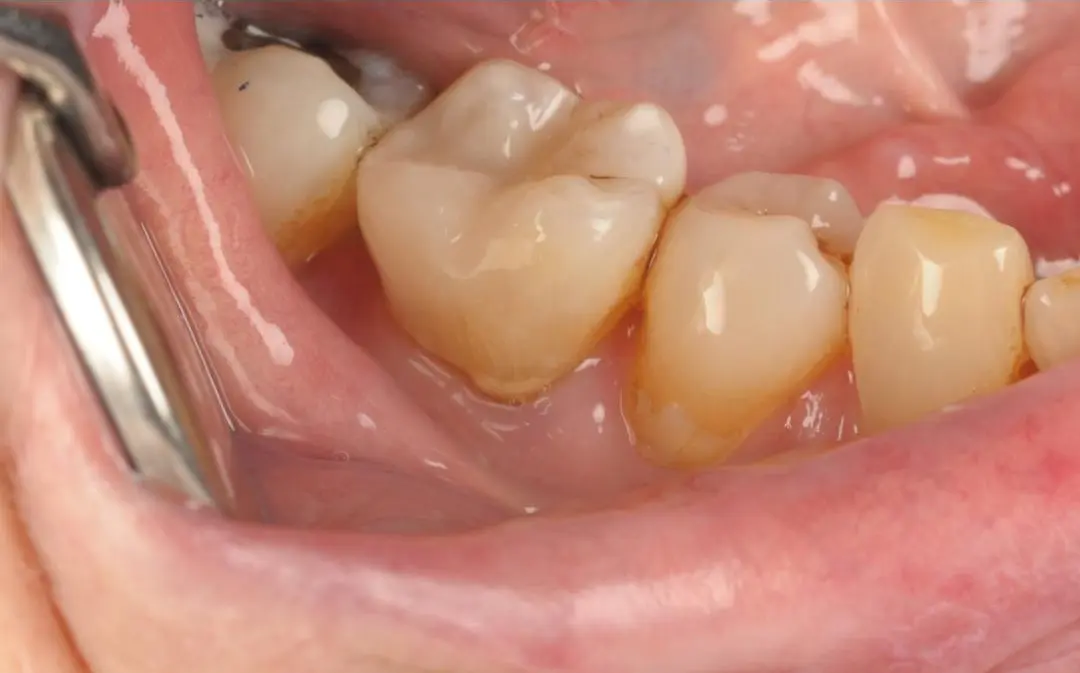
Real Patient Result: Emergency White Filling
Treatment by Dr Kamran
Tooth decay begins when bacteria in the mouth produce acids as a by-product of metabolising sugars. These acids gradually dissolve the mineral structure of tooth enamel — the hard, protective outer layer of each tooth. When enamel erosion progresses unchecked, a cavity forms, which can deepen into the dentine (the softer layer beneath the enamel) and eventually reach the pulp — the innermost part of the tooth containing nerves and blood vessels. This progression is what leads to the severe toothache that often prompts an emergency dental visit.
Gum Disease (Periodontal Disease)
Gum disease begins as gingivitis — inflammation of the gum tissue caused by a build-up of plaque along the gumline. Without professional cleaning and good home care, gingivitis can progress to periodontitis, a more serious condition in which the bone and connective tissue supporting the teeth are gradually affected. In advanced stages, periodontitis is associated with tooth mobility and tooth loss.
Both conditions are far easier and less expensive to manage when identified early, which is precisely why routine preventive visits are so valuable. If infection signs are present, this guide explains when antibiotics are necessary after emergency assessment.
What Does a Routine Preventive Dental Visit Include?
A routine preventive dental visit is a comprehensive, structured appointment that looks at your oral health as a whole — rather than focusing solely on a single problem.
During a typical preventive appointment, your dentist will:
- Conduct a full clinical examination of your teeth, gums, jaw joints, and soft tissues (including the tongue, cheeks, and lips)
- Take or review dental X-rays to assess areas not visible to the naked eye, such as between the teeth and below the gumline
- Screen for early signs of tooth decay, gum disease, and oral cancer
- Discuss your medical history and any medications that may affect your oral health
- Provide a professional scale and polish (or refer you to a dental hygienist for more detailed periodontal treatment if required)
- Offer tailored oral hygiene advice based on your specific needs, diet, and lifestyle
Following your examination, your dentist will discuss any findings with you and — if treatment is needed — explain your options clearly so you can make an informed decision. Treatment suitability always depends on your individual clinical situation and personal circumstances.
Building Your Preventive Dental Plan After an Emergency
After emergency treatment, many patients feel uncertain about what to do next. One of the most helpful things your dental team can do is help you establish a clear, realistic preventive plan tailored to your oral health needs.
This typically begins with a comprehensive new patient or follow-up examination, which gives your dentist the opportunity to review everything that was addressed during the emergency appointment and assess the wider picture.
From there, a preventive plan might include:
- Frequency of check-up appointments — for many adults, this is every six months, though your dentist may recommend more or less frequent visits depending on your risk level
- Hygienist visits — professional cleaning appointments to remove tartar (hardened plaque) that cannot be removed with a toothbrush alone
- Dietary advice — guidance on reducing the frequency of sugar intake, which can play an important role in reducing the risk of tooth decay
- Fluoride treatments or fissure sealants — where clinically appropriate, these preventive measures can strengthen tooth enamel and reduce decay risk in susceptible areas
Your dentist may also discuss restorative options if teeth damaged prior to or during the emergency need further attention, such as a crown following root canal treatment or a bridge or implant to replace a tooth that could not be saved.
When Professional Dental Assessment May Be Needed
Even after a successful emergency dental appointment, there are circumstances in which further dental assessment should be sought without delay. It is always worth contacting your dentist if you experience any of the following after emergency treatment:
- Persistent or worsening pain that does not improve within the expected timeframe
- Swelling of the face, jaw, or neck — particularly if accompanied by difficulty swallowing or breathing
- Signs of ongoing infection, such as a bad taste, discharge, or fever
- Sensitivity to temperature that develops or continues after treatment
- A loose or broken restoration (filling, crown, or temporary dressing) that causes discomfort or exposes the tooth
None of these symptoms should cause alarm in isolation, but they do indicate that a clinical review would be appropriate. Your dental team will be able to assess the situation and advise accordingly.
If you have concerns about a dental problem and are unsure whether it constitutes an emergency, our private emergency dentist page explains how same-day assessment is arranged.
Watch: Emergency Dental Care in London — What to Expect
The Role of Dental Hygiene in Preventive Care
Professional dental hygiene plays a central and often underappreciated role in the transition from emergency care to long-term preventive dentistry. A dental hygienist is a registered dental professional who specialises in the prevention and early management of gum disease, as well as providing targeted education on home oral hygiene techniques.
During a hygiene appointment, the hygienist will use specialist instruments to remove tartar deposits from both above and below the gumline — a process known as scaling. Where gum disease is present, a more detailed cleaning procedure called root surface debridement may be recommended to clean deeper pockets that have formed around the teeth.
Beyond the clinical cleaning, a skilled hygienist will take time to review your brushing and interdental cleaning technique, discuss products that may help (such as appropriate toothbrush types, interdental brushes, or fluoride toothpaste), and advise on dietary habits that may be affecting your gum health. This educational component is particularly valuable for patients who have not attended routine appointments for some time and may need to rebuild effective home care habits.
To learn more about professional dental hygiene services and how they support your oral health, visit this companion guide on long-term tooth protection after urgent care.
Prevention and Oral Health: Practical Advice for Daily Life
Alongside professional dental care, what you do at home each day has a significant bearing on your oral health. The following evidence-based guidance can help you maintain the results of your treatment and reduce the likelihood of future dental emergencies:
Brushing
Brush your teeth twice daily — last thing at night and at one other time during the day — using a fluoride toothpaste. Use a small-headed toothbrush with soft or medium bristles, or an electric toothbrush, and spend at least two minutes cleaning all surfaces of your teeth. Avoid rinsing your mouth with water immediately after brushing, as this washes away the protective fluoride.
Interdental Cleaning
Brushing alone does not adequately clean the spaces between your teeth, where plaque and food debris accumulate. Interdental brushes, floss, or water flossers used once daily can significantly reduce the risk of both decay and gum disease in these areas.
Diet
Reducing the frequency of sugary foods and drinks — rather than necessarily the quantity — is considered one of the most beneficial dietary changes for reducing decay risk. Acidic drinks, including fruit juices, fizzy drinks, and some herbal teas, can also contribute to enamel erosion over time.
Smoking and Alcohol
Tobacco use is one of the most significant risk factors for gum disease and oral cancer. Alcohol, particularly in combination with tobacco, also increases oral cancer risk. Your dental team can offer guidance and signpost appropriate support services if you are considering making changes.
Mouthguards
If you grind or clench your teeth (a condition known as bruxism), your dentist may recommend a custom-fitted mouthguard to protect your teeth from wear and reduce associated symptoms such as jaw pain or headaches.
Key Points to Remember
- Transitioning from emergency dental care to routine preventive dental visits is one of the most effective steps you can take to protect your long-term oral health.
- Emergency treatment addresses the immediate problem — but a comprehensive preventive plan helps prevent future crises from developing.
- Most common dental conditions, including tooth decay and gum disease, are largely preventable with regular professional care and effective home hygiene habits.
- A preventive dental plan is tailored to your individual needs, risk level, and lifestyle — and will be agreed with you following a thorough clinical assessment.
- Regular dental hygiene appointments complement check-ups by removing tartar, managing gum health, and reinforcing effective home care techniques.
- If any new or worsening symptoms arise after emergency treatment, contact your dental team promptly so they can review your situation.
Frequently Asked Questions
How soon after emergency dental treatment should I book a routine check-up?
It is generally advisable to book a routine check-up appointment as soon as possible after your emergency treatment has been completed — ideally within four to eight weeks, unless your dentist advises otherwise. This allows your dental team to conduct a full assessment of your overall oral health, review the outcome of the emergency treatment, and discuss any further care that may be beneficial. Early follow-up also provides an opportunity to establish a longer-term preventive plan tailored to your needs.
Will my teeth be more vulnerable after emergency dental work?
This depends on the type of treatment you received. In some cases — for example, following a temporary restoration or root canal treatment — a follow-up appointment will be needed to complete the work and ensure the tooth is protected long-term. Your dentist will advise you on any specific aftercare instructions and what to avoid in the interim. In general, maintaining good oral hygiene and attending follow-up appointments as recommended will support the best possible outcome.
How often should I visit the dentist for routine preventive care?
The frequency of routine dental appointments varies from person to person and depends on factors including your current oral health, your risk of tooth decay and gum disease, your medical history, and your home care habits. For many adults, an appointment every six months is appropriate. However, some patients may benefit from more frequent visits — particularly those with a history of gum disease or a higher decay risk — whilst others with excellent oral health and low risk may be assessed less frequently. Your dentist will recommend an appropriate interval based on your individual clinical needs.
I have dental anxiety — how can I make routine visits feel less daunting?
Dental anxiety is extremely common and is something dental teams encounter regularly. If anxiety has contributed to a gap in your routine dental care, it is very much worth discussing this openly with your dental team. Many practices offer a range of measures to support anxious patients, including taking time to explain each step of the appointment before it begins, using a hand signal to pause treatment at any point, or scheduling appointments at quieter times of day. For patients with more significant anxiety, options such as inhalation sedation (sometimes referred to as "happy gas") or intravenous sedation may be available — your dentist can discuss whether these are appropriate for your circumstances.
What is the difference between a check-up and a hygiene appointment?
A dental check-up is conducted by your dentist and involves a clinical examination of your teeth, gums, and soft tissues, along with a review of any X-rays. The purpose is to assess your overall oral health and identify any areas of concern. A hygiene appointment is carried out by a dental hygienist and focuses primarily on professional cleaning — removing tartar and plaque deposits — as well as providing tailored oral hygiene instruction and gum disease prevention advice. The two appointments serve complementary purposes and are often recommended together as part of a comprehensive preventive routine.
Can I prevent needing emergency dental treatment in the future?
Whilst it is not possible to guarantee that dental emergencies will never occur — accidents and unforeseen circumstances do happen — a consistent approach to preventive dental care significantly reduces the risk of many common urgent dental problems. Regular check-ups allow your dentist to identify and address areas of concern before they become acutely painful or require complex treatment. Good home care habits, a tooth-friendly diet, and prompt attention to any new dental symptoms all contribute to a reduced likelihood of emergency situations arising.
Conclusion
Experiencing a dental emergency can be unsettling, but it also presents a genuine opportunity — the chance to take stock of your oral health and build a more proactive, preventive approach going forward. Transitioning from emergency dental care to routine preventive dental visits is not simply about keeping your teeth clean; it is about protecting your overall wellbeing, avoiding future pain, and feeling confident in your smile.
A structured preventive plan, developed in partnership with your dental team, provides a clear and manageable pathway towards long-term oral health. Whether you have not attended a routine appointment for a year or for a decade, it is never too late to make that change.
If you have recently undergone emergency treatment and are ready to take the next step, or if you have any questions about establishing a preventive dental routine in London, our emergency dentists team would be happy to help.
Dental symptoms and treatment options should always be assessed individually during a clinical examination.
Disclaimer
Educational information only; this article is not a diagnosis or treatment plan.
Dental symptoms and treatment suitability can only be confirmed after an in-person clinical examination.
Content follows GDC, CQC, and ASA CAP guidance, and does not promise outcomes.
If you have symptoms or concerns, seek assessment from a GDC-registered dental professional.