
Experiencing a sudden and severe dental pain episode can be an unsettling and disruptive experience. Whether caused by a dental abscess, a cracked tooth, exposed pulp, or advanced gum disease, urgent dental pain often signals that something significant has occurred within the mouth that requires professional attention. Many people breathe a sigh of relief once the immediate pain has been treated — but the period following a dental emergency is equally important for your oral health.
Long-term tooth protection after a dental pain crisis is a topic that many patients search for once they have received initial treatment. Questions such as "what do I do after a dental abscess?" or "how do I stop my teeth from getting worse?" are extremely common. Understanding how to safeguard your teeth in the weeks, months, and years following a crisis is essential for avoiding recurrence and maintaining a healthy mouth.
This article explains what happens to your teeth during a dental emergency, why follow-up care matters, and how you can take practical steps to protect your oral health for the long term.
Experiencing these symptoms?
Delaying treatment can lead to tooth loss. We have slots available today.
Featured Snippet: How Do You Protect Your Teeth Long-Term After a Dental Pain Crisis?
Protecting your teeth long-term after a dental pain crisis involves attending follow-up dental appointments, maintaining consistent oral hygiene, addressing underlying causes such as tooth decay or gum disease, and making dietary adjustments. A dentist can provide a personalised care plan to reduce the risk of future dental emergencies.
Understanding What Happens to Your Teeth During a Dental Emergency
To understand why long-term protection is so important, it helps to appreciate what happens inside the tooth and surrounding structures during an urgent dental crisis.
Most dental emergencies involve some degree of structural or biological compromise. A severe toothache, for instance, often indicates that decay has progressed deep enough to reach the dental pulp — the soft inner tissue containing nerves and blood vessels. When bacteria penetrate this area, it triggers inflammation and infection, which is the source of the intense pain many patients experience.
Meet Dr. Yasha Shirazi
Principal Dentist at Emergency Dentist London
"We treat hundreds of dental emergencies every month. The sooner you come in, the easier the fix usually is."
Book an appointment with our team →Similarly, a dental abscess forms when infection spreads beyond the tooth root into the surrounding bone or soft tissue. This can occur rapidly and, in some cases, may spread further if left without treatment. A cracked or fractured tooth exposes the inner dentine layers, which are considerably more vulnerable to bacterial invasion and temperature sensitivity than the outer enamel.
In all these scenarios, the natural protective architecture of the tooth has been disrupted. Even after emergency treatment — whether that involves a root canal procedure, an extraction, or a course of antibiotics — the surrounding teeth and gum structures may have been affected in ways that require ongoing monitoring and care.
Understanding this is the first step in recognising that emergency dental treatment is often the beginning of a care journey, not the end of one.
Why Follow-Up Dental Care Is Essential After an Emergency
One of the most important steps in long-term tooth protection after a dental pain crisis is ensuring that follow-up appointments are attended and not overlooked. It is a common pattern for patients to feel so relieved after their acute pain has resolved that they delay or avoid further dental visits. This can be counterproductive.
Follow-up care serves several important purposes:
- Monitoring the treated tooth or area: Following a root canal treatment, for example, a dentist will typically want to check that the infection has fully resolved and that the tooth has been restored correctly with a crown or appropriate filling.
- Assessing adjacent teeth: During a dental emergency, the focus is naturally on the affected tooth. A follow-up appointment allows a clinician to assess whether neighbouring teeth or gum tissue have been affected.
- Reviewing overall oral health: An emergency can sometimes reveal wider patterns, such as generalised tooth wear, inadequate brushing technique, or dietary habits that increase acid exposure.
- Planning any further restorative work: Depending on the extent of damage, additional treatment such as a bridge, implant, or partial denture may be discussed as a longer-term restorative option.
If you have recently received emergency dental treatment in London and are unsure about next steps, speaking with a dentist about moving into routine preventive follow-up care can help you create a clear, manageable care plan.
The Clinical Science Behind Dental Emergency Damage
Understanding the underlying dental science can help patients appreciate why long-term care is necessary after a crisis.
Tooth structure and vulnerability
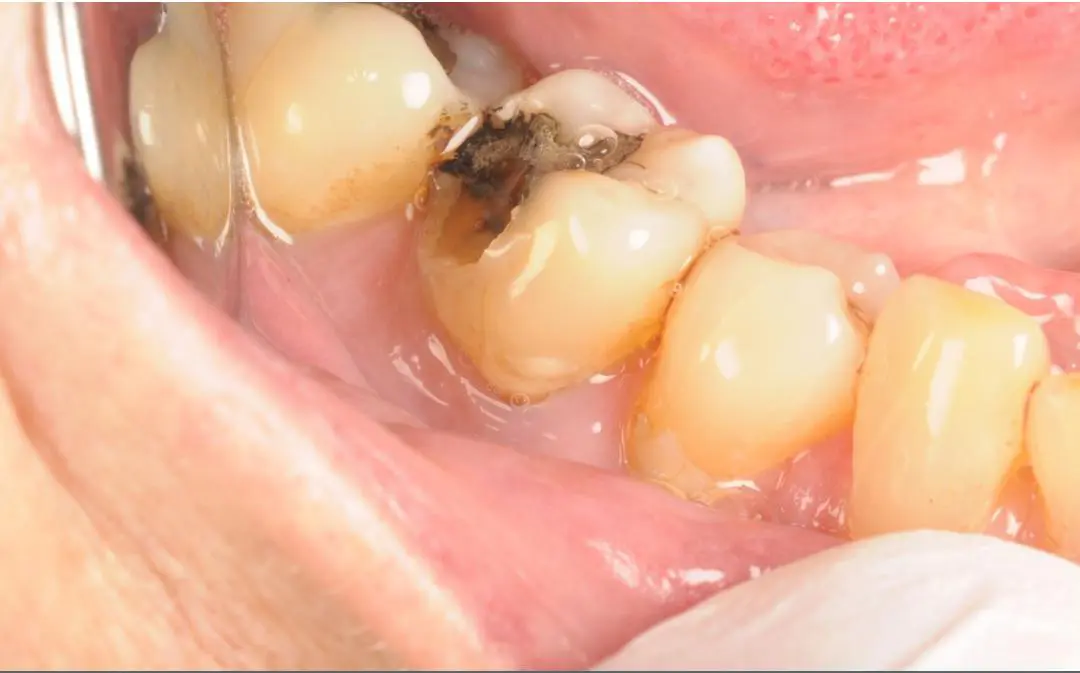
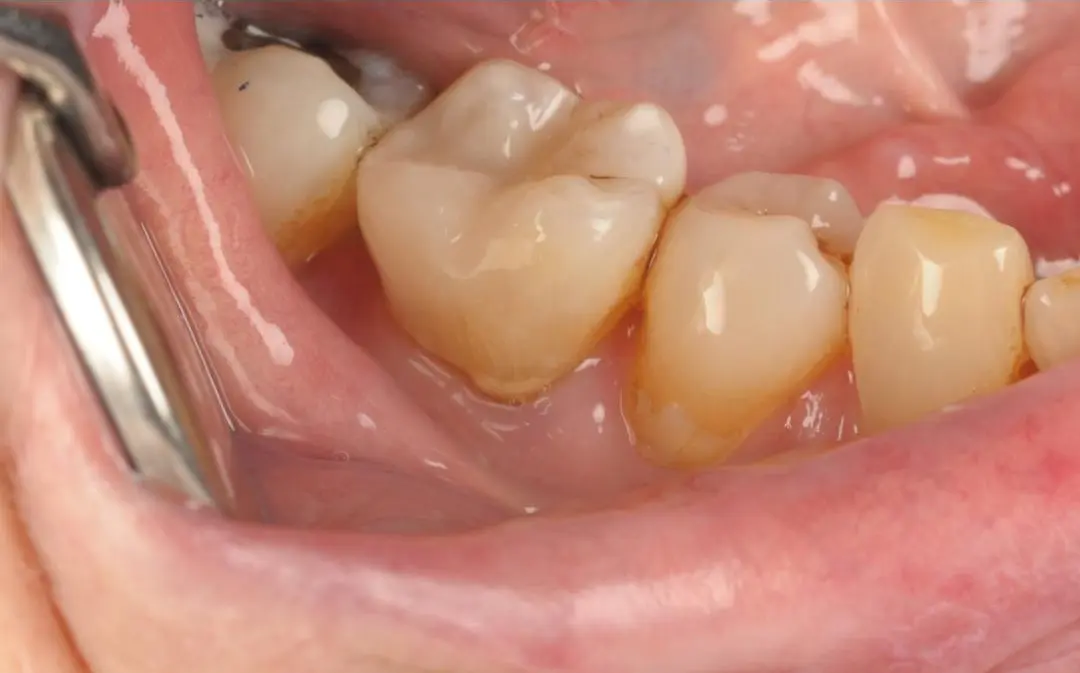
Real Patient Result: Emergency White Filling
Treatment by Dr Kamran
Each tooth is composed of several distinct layers. The outermost layer — enamel — is the hardest substance in the human body, but it is not living tissue and cannot regenerate once lost. Beneath the enamel lies dentine, a porous, sensitive layer that connects through microscopic tubules to the dental pulp. The pulp contains the nerve and blood supply of the tooth.
When decay, fracture, or infection penetrates through the enamel and into the dentine or pulp, the body's normal defence mechanisms within the tooth are overwhelmed. Once the pulp becomes infected, the infection can travel down the root canals toward the tip of the root, potentially affecting the bone surrounding the tooth.
Bone and gum tissue changes
An infection around the root apex — the very tip of the root — can cause localised bone loss. This is known as periapical disease. Even after successful root canal treatment, the bone requires time to heal and regenerate. Monitoring this process through dental X-rays over time is an important part of follow-up care.
Similarly, advanced gum disease (periodontitis) can result in irreversible bone loss around multiple teeth. If gum disease played a role in your dental emergency, a structured periodontal care programme may be required to stabilise the condition.
Structural weakness following treatment
A tooth that has undergone root canal treatment loses its internal blood supply. Over time, this can make the tooth more brittle and susceptible to fracture. This is one reason why dentists often recommend placing a dental crown over a root-treated tooth — particularly a molar, which is subject to significant chewing forces.
Practical Steps for Long-Term Tooth Protection After a Dental Pain Crisis
Once emergency treatment has been completed, there are several practical and evidence-informed steps you can take to protect your oral health going forward.
1. Maintain a consistent oral hygiene routine
Brushing twice daily with a fluoride toothpaste and cleaning between teeth daily with interdental brushes or floss remains the foundation of oral health. Using a toothbrush with soft or medium bristles and replacing it every three months helps ensure effective cleaning without causing gum recession.
2. Attend regular dental check-ups
Routine dental examinations — typically every six to twelve months depending on your clinician's recommendation — allow potential problems to be identified early before they escalate into painful emergencies. X-rays taken at appropriate intervals can detect decay or bone changes that are not visible to the naked eye.
3. Use fluoride appropriately
Fluoride strengthens tooth enamel and can help reduce the risk of new decay forming. Your dentist may recommend a higher-strength fluoride toothpaste or a fluoride varnish application if you have a history of recurrent decay.
4. Wear a mouthguard if recommended
If tooth grinding (bruxism) contributed to your dental emergency, wearing a custom-fitted night guard can help protect your remaining teeth from further wear and fracture. This is an especially valuable preventative measure.
5. Address any dry mouth concerns
Certain medications and medical conditions reduce saliva flow. Saliva plays a crucial role in neutralising acids and washing away bacteria. If you experience persistent dry mouth, a dentist or doctor can advise on appropriate management.
Dietary Choices That Support Oral Health Recovery
Diet plays a significant role in oral health and in recovering well after a dental emergency. The foods and drinks you consume directly affect the pH balance within your mouth and the integrity of your tooth enamel. For practical food-specific guidance after restorative treatment, see protecting fresh bonding and crowns with diet choices.
Reducing sugar and acid intake
Frequent consumption of sugary foods and acidic drinks — including fizzy beverages, fruit juices, and citrus fruits — creates an environment in the mouth that favours bacterial growth and enamel erosion. This does not mean these foods must be entirely eliminated, but reducing their frequency and rinsing with water after consumption can make a meaningful difference.
Staying well hydrated
Drinking sufficient water throughout the day supports saliva production, which is the mouth's natural defence system. Water also helps rinse food particles from the teeth between brushing.
Tooth-friendly nutritional choices
Dairy products such as cheese and plain yoghurt contain calcium and phosphate, which support enamel remineralisation. Crunchy vegetables like carrots and celery can help stimulate saliva production. A balanced diet that includes vitamins A, C, and D also supports healthy gum tissue and immune function, which is important during recovery from infection.
Recognising Signs That May Warrant Further Dental Assessment
Even after a dental emergency has been treated, it is important to remain attentive to how your mouth feels and functions. Certain signs may indicate that further clinical review would be beneficial.
It is worth seeking a dental appointment if you notice:
- Persistent or returning pain in a previously treated tooth or in a new area of the mouth
- Swelling of the gum, cheek, or jaw that does not subside
- Increased sensitivity to hot, cold, or sweet substances that was not previously present
- Loosening of a filling or crown that was placed as part of your emergency treatment
- A bad taste or smell in the mouth, which may suggest residual infection
- Difficulty biting or chewing that affects your normal eating pattern
These signs do not always indicate a serious problem, but they are worth discussing with a dentist who can assess the situation clinically. To understand what to expect during follow-up visits, you may find it helpful to read about private emergency dental assessment in London.
The Role of Restorative Dentistry in Long-Term Protection
For many patients, long-term tooth protection after a dental pain crisis involves some degree of restorative dentistry. The goal of restorative treatment is not simply cosmetic — it is to restore the function, strength, and integrity of teeth that have been compromised.
Dental crowns
A crown may be recommended to protect a tooth that has been significantly weakened by decay, fracture, or root canal treatment. Crowns are custom-fabricated restorations that fit over the entire visible portion of the tooth, distributing chewing forces evenly and reducing the risk of further breakage.
Dental bridges and implants
Where a tooth has been extracted as part of emergency treatment, replacing it is an important consideration. Gaps in the dental arch can cause neighbouring teeth to drift, alter the bite, and make cleaning more difficult. Depending on individual clinical suitability, options may include a dental bridge or a dental implant. A dentist can advise on which approach may be appropriate following a thorough assessment.
Composite or porcelain fillings
Where moderate damage has occurred, a well-placed filling using composite resin or porcelain can restore tooth shape and function. Modern restorative materials are both durable and natural-looking. If deeper pulpal involvement is suspected, this guide to root canal treatment in London explains the treatment pathway.
Mental Wellbeing and Dental Anxiety After an Emergency
It is worth acknowledging that dental emergencies can sometimes affect a patient's emotional relationship with dental care. A painful experience may leave some individuals feeling anxious about future appointments, even when those appointments are routine.
Dental anxiety is a recognised and common phenomenon. If you find that worry about dental visits is causing you to delay necessary check-ups, it is worth speaking honestly with your dentist. Many practices are experienced in helping anxious patients feel comfortable and in control. Techniques such as clear communication about what to expect, short appointment increments, and in some cases conscious sedation can all make a meaningful difference.
Prioritising your oral health after a crisis is genuinely important, and the aim of any good dental team is to make that process feel supportive rather than stressful.
Prevention and Oral Health: Reducing the Risk of Future Dental Emergencies
Prevention is at the heart of sustainable oral health. While not all dental emergencies can be predicted or avoided, many of the risk factors that contribute to them can be managed with professional guidance and consistent home care. If your original episode involved infection, it may also help to review when antibiotics are clinically necessary after emergency assessment.
Key preventative measures include:
- Attending routine dental examinations and hygiene appointments as recommended by your dental team
- Brushing thoroughly twice daily using a fluoride toothpaste, paying attention to the gumline
- Cleaning between teeth daily to remove plaque from areas that a toothbrush cannot reach
- Reducing the frequency of sugary and acidic food and drink consumption
- Wearing a custom mouthguard during contact sports to protect against dental trauma
- Wearing a night guard if you grind your teeth during sleep
- Informing your dentist of any changes in your oral health or general wellbeing, as some medical conditions and medications affect oral health
The relationship between dental health and overall systemic health is increasingly well documented. Conditions such as gum disease have been associated in research with wider health considerations, reinforcing the value of consistent preventative dental care.
Key Points to Remember
- A dental emergency is often the beginning of a care journey — attending follow-up appointments is an essential step in long-term recovery.
- Teeth that have undergone emergency treatment, such as root canal therapy, may require additional restorative work to ensure they remain functional and protected.
- Consistent oral hygiene habits, including twice-daily brushing and daily interdental cleaning, form the foundation of long-term tooth protection after a dental pain crisis.
- Dietary choices, particularly reducing sugar and acid frequency, can meaningfully reduce the risk of recurrent dental problems.
- Dental anxiety following an emergency is common and worth discussing openly with your dental team.
- Regular dental check-ups allow early identification of new issues before they develop into painful emergencies.
Frequently Asked Questions
How soon should I see a dentist after my dental emergency has been treated?
The timing of follow-up appointments will depend on the nature of the treatment you received. In many cases, a dentist will schedule a review within a few weeks to assess healing and determine whether any further restorative treatment is required. As a general principle, returning for a follow-up within the timeframe your treating dentist recommends is always advisable. If you experience any new symptoms before your scheduled appointment, contact your dental practice for guidance rather than waiting.
Can a tooth that caused a dental emergency be saved long-term?
In many cases, yes — though this depends on the extent of the damage and the individual clinical circumstances. Root canal treatment, for example, can allow a tooth to remain functional for many years when followed by appropriate restoration and ongoing care. However, there are situations where extraction is the most clinically appropriate option. Treatment suitability is always determined through a thorough clinical examination and, where necessary, dental X-rays. A dentist can discuss likely outcomes based on your specific situation.
Is it normal to experience some sensitivity after emergency dental treatment?
Some degree of sensitivity or mild discomfort following emergency dental treatment can be normal in the days immediately after a procedure. This is often related to post-procedural healing of the surrounding tissues. However, if sensitivity is severe, persistent, or worsening after the first week, it is worth contacting your dentist for a review. Persistent sensitivity can sometimes indicate that further treatment is needed or that the initial cause of the problem has not fully resolved.
How can I tell if I am grinding my teeth, and could it have contributed to my dental emergency?
Tooth grinding (bruxism) can sometimes go unnoticed because it often occurs during sleep. Signs that you may be grinding your teeth include waking with jaw ache or facial tenderness, noticeably flattened or worn tooth surfaces, and increased tooth sensitivity. A dentist can identify signs of bruxism during an examination. If grinding is identified as a contributing factor to your dental emergency, a custom-fitted night guard may be recommended as a protective measure going forward.
What role does diet play in preventing future dental emergencies?
Diet plays a significant role in oral health maintenance. Frequent exposure to sugary or acidic foods and drinks creates conditions that favour enamel erosion and bacterial activity, increasing the likelihood of decay and subsequent dental pain. Adopting a diet that limits sugary snacks between meals, reduces acidic beverage consumption, and includes calcium-rich foods can support enamel health and reduce the risk of future problems. A dental professional or hygienist can provide tailored dietary advice based on your individual oral health history.
Should I be concerned if the tooth treated during the emergency feels different when I bite down?
A slight alteration in bite sensation immediately after treatment can be relatively common, particularly after fillings or other restorations. However, if your bite feels notably raised, uneven, or uncomfortable for more than a few days, it is worth contacting your dentist. An incorrectly positioned restoration can place undue stress on a tooth and should be adjusted. It is always preferable to mention this promptly rather than waiting, as an uneven bite can contribute to further complications over time.
Conclusion
Recovering from a dental pain crisis involves more than simply waiting for the immediate discomfort to subside. Long-term tooth protection after a dental pain crisis requires a considered and consistent approach — one that combines professional follow-up care, diligent home hygiene, sensible dietary habits, and an awareness of the signs that may indicate further assessment is needed.
The teeth and structures affected during a dental emergency often require ongoing monitoring to ensure they heal well and remain functional. Restorative treatments, where appropriate, can significantly strengthen a compromised tooth and reduce the risk of recurrence. Preventative measures, when implemented consistently, can meaningfully reduce the likelihood of future emergencies.
If you have recently experienced a dental emergency in London, or if you have concerns about the long-term health of your teeth, a dental consultation can provide the clarity and personalised guidance that online information alone cannot offer.
Dental symptoms and treatment options should always be assessed individually during a clinical examination.
Disclaimer
Educational information only; this article is not a diagnosis or treatment plan.
Dental symptoms and treatment suitability can only be confirmed after an in-person clinical examination.
Content follows GDC, CQC, and ASA CAP guidance, and does not promise outcomes.
If you have symptoms or concerns, seek assessment from a GDC-registered dental professional.