
Experiencing sudden dental pain or an unexpected dental problem can feel unsettling, particularly when you are unsure where to turn or what to expect from urgent care. Many adults across London search online for answers about emergency dental appointments — often in the middle of the night or during a busy working day — hoping to understand their options before making a call.
A same-day emergency dental consultation in London is designed to offer prompt clinical assessment and appropriate care for patients experiencing urgent dental concerns. Whether you are dealing with severe tooth pain, a knocked-out tooth, a broken restoration, or signs of an oral infection, understanding what to expect from that first appointment can help reduce anxiety and encourage you to seek care without delay.
This article explains what typically happens during a same-day emergency dental consultation, what your dentist will assess, and how treatment decisions are generally approached. It also covers when it may be important to seek professional dental advice promptly.
Experiencing these symptoms?
Delaying treatment can lead to tooth loss. We have slots available today.
Featured Snippet: What Happens During a Same-Day Emergency Dental Consultation?
During a same-day emergency dental consultation, a qualified dentist will conduct a thorough clinical examination, review your symptoms, and may take diagnostic X-rays if required. Based on individual findings, they will discuss appropriate treatment options with you. The aim is to relieve discomfort and address the immediate dental concern safely and effectively.
What Is a Same-Day Emergency Dental Consultation?
A same-day emergency dental consultation is an urgent appointment arranged for patients experiencing acute dental symptoms that require prompt professional attention. Unlike a routine check-up, the focus is on rapidly assessing the presenting concern, managing any immediate discomfort, and forming a clear clinical picture of what is happening.
Emergency dental clinics in London are typically structured to accommodate urgent cases outside of standard appointment schedules. When you contact the clinic, a member of the dental team will usually ask you a few brief questions to help triage your concern and ensure the right level of care is prepared for your arrival.
Meet Dr. Yasha Shirazi
Principal Dentist at Emergency Dentist London
"We treat hundreds of dental emergencies every month. The sooner you come in, the easier the fix usually is."
Book an appointment with our team →It is worth knowing that same-day dental appointments are not exclusively for the most severe cases. If you are experiencing persistent sensitivity, a loose crown, a chipped tooth causing discomfort, or early signs of swelling, an emergency consultation provides an appropriate and timely setting to have these concerns professionally evaluated.
What to Expect When You Arrive
When you arrive for your same-day emergency consultation, you will typically be welcomed by a reception team and asked to complete a brief medical and dental history form if you are a new patient. This information helps the dentist understand your general health, any relevant medications you may be taking, and any known allergies — all of which are important for safe and appropriate care.
You will then be seen by a qualified dentist who will listen carefully to your concerns and ask questions about:
- The nature of your symptoms — such as the location, type, and duration of pain
- When the problem started — and whether anything makes it better or worse
- Any recent dental treatment or trauma — that may be relevant to your current presentation
- Your general medical history — including medications and any known conditions
This initial conversation is an important part of the consultation and helps the dentist form a comprehensive clinical picture before carrying out an examination.
The Clinical Examination Process
Following your initial discussion, the dentist will carry out a thorough clinical examination of the affected area. This typically involves:
- Visual inspection of the tooth, surrounding gum tissue, and oral soft tissues
- Percussion testing — gently tapping the tooth to help assess sensitivity
- Pulp vitality testing — to evaluate the health of the tooth's nerve, where appropriate
- Periodontal assessment — checking for signs of gum involvement if relevant
Depending on your symptoms and what the dentist observes clinically, they may also recommend dental X-rays. Radiographs provide important diagnostic information that cannot always be identified through visual examination alone — for instance, identifying the extent of decay, assessing bone levels, or evaluating the position of a tooth's root.
All examination findings will be explained to you clearly, and your dentist will take time to answer any questions you may have. If you would like to understand the emergency dental assessment process in more detail, the clinic website provides helpful guidance on what to expect.
Understanding the Dental Science Behind Emergency Presentations
Many dental emergencies stem from underlying conditions that have developed gradually over time. Understanding the basics of what may be happening clinically can help patients make sense of their symptoms.
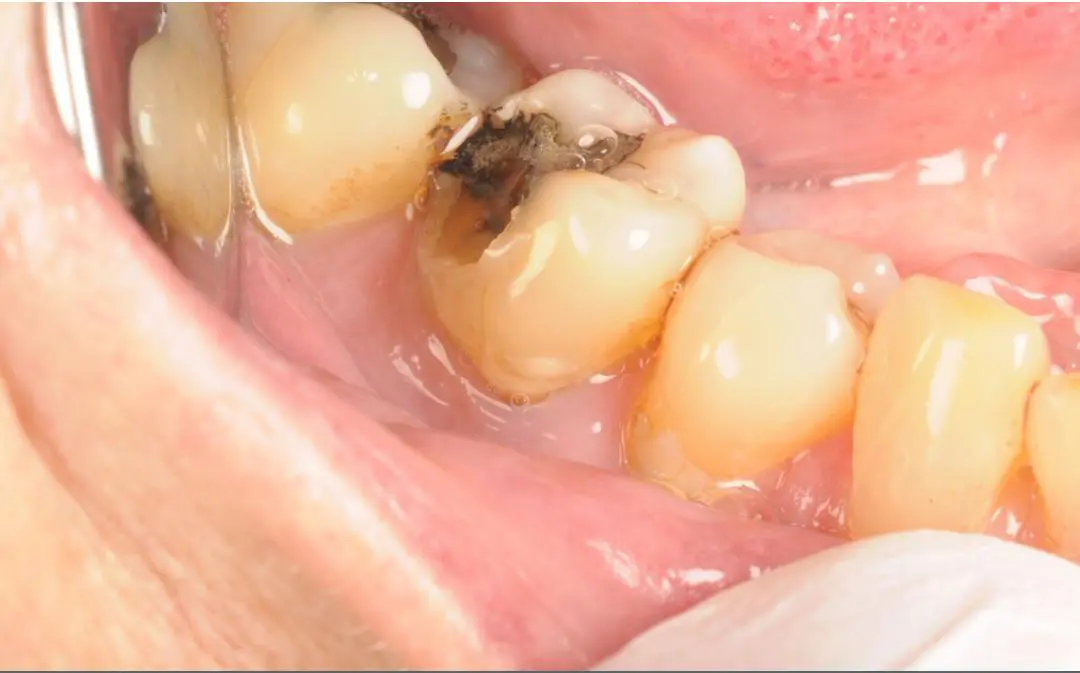
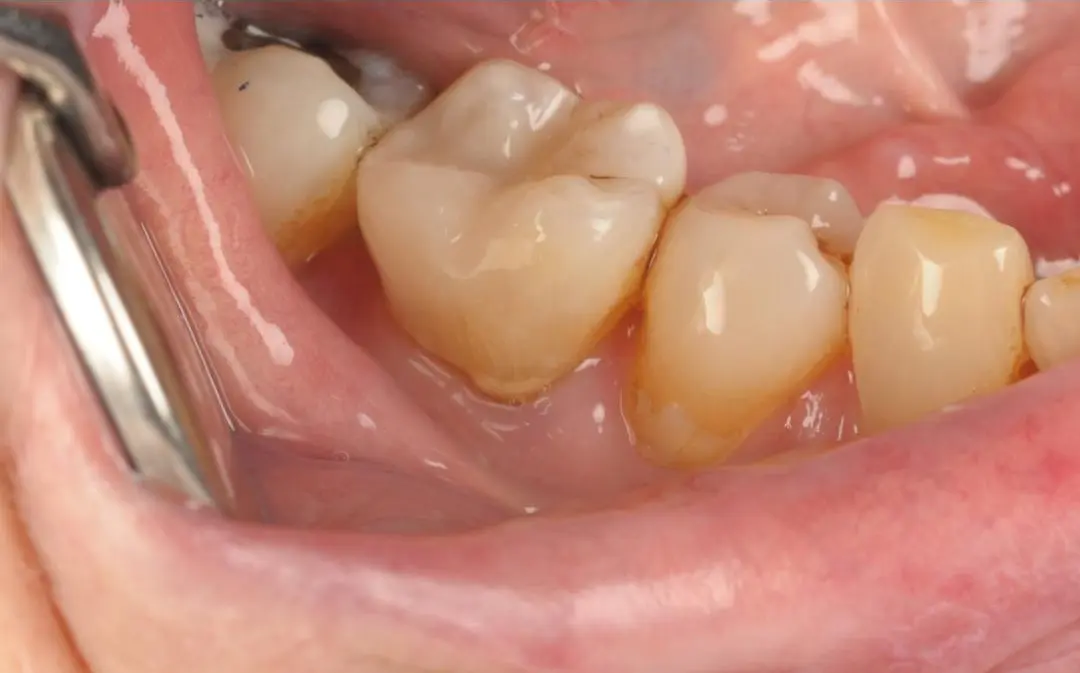
Real Patient Result: Emergency White Filling
Treatment by Dr Kamran
Tooth pain is frequently associated with pulpitis — inflammation of the dental pulp, which is the soft tissue inside the tooth containing nerves and blood vessels. This can occur as a result of deep decay, a crack in the tooth, or trauma. The pulp has limited ability to recover once significantly inflamed, which is why prompt assessment is clinically important.
Dental infections often develop when bacteria penetrate beyond the outer layers of a tooth, potentially spreading into the surrounding bone or soft tissues. Early clinical signs may include swelling, persistent throbbing pain, or tenderness when biting. Left unaddressed, dental infections can progress and may require more complex management.
Broken or lost restorations, such as fillings or crowns, can expose vulnerable areas of a tooth to temperature changes, bacteria, and further structural damage. Even if pain is mild initially, early clinical evaluation is advisable to prevent the situation from worsening.
When Professional Dental Assessment May Be Needed
Certain symptoms suggest that professional dental evaluation should be sought promptly. These include:
- Persistent or severe toothache that does not settle with over-the-counter pain relief
- Visible swelling of the face, jaw, or gum area
- A tooth that has been knocked out or displaced following an injury
- A broken tooth with sharp edges or exposed inner structure
- Bleeding that does not resolve following a tooth extraction or injury
- Difficulty opening the mouth or swallowing alongside dental pain
It is important to emphasise that these symptoms should always be assessed by a qualified dental professional. They cannot be reliably self-diagnosed, and appropriate management will depend on what the clinical examination and any diagnostic imaging reveal. If you are concerned about dental pain and swelling, seeking a professional assessment promptly is always the most sensible approach.
Treatment Discussions and Options
Following examination and diagnosis, your dentist will discuss the clinical findings with you and explain the available treatment options. This conversation will typically cover:
- What the dentist believes is causing your symptoms
- The treatment options that may be appropriate, based on clinical findings
- The likely steps involved in any recommended treatment
- Any alternatives that exist
- What may happen if the concern is left unaddressed
It is important to understand that treatment recommendations are always tailored to the individual. What is clinically appropriate for one patient may not be right for another, even if the presenting symptoms appear similar. Suitability for any treatment depends entirely on the outcome of the clinical examination.
Where possible, your dentist may aim to address the immediate concern at the same appointment — for example, providing temporary or definitive pain relief, re-cementing a lost crown, or commencing treatment for an infection. In other cases, a follow-up appointment may be arranged once a full treatment plan has been discussed. Patients interested in same-day dental treatment options can speak directly with the clinical team about what may be possible.
Prevention and Maintaining Oral Health
Whilst dental emergencies are not always entirely preventable, there are steps that can help reduce the likelihood of some urgent dental situations arising:
- Attending regular dental check-ups allows your dentist to identify and address developing concerns before they become more complex
- Maintaining a consistent oral hygiene routine — brushing twice daily with fluoride toothpaste and cleaning between teeth — helps protect the teeth and gums
- Wearing a custom mouthguard during contact sports can reduce the risk of dental trauma
- Avoiding using teeth as tools — such as opening packaging or biting hard objects — can help prevent cracks and fractures
- Addressing dental sensitivity or minor symptoms promptly rather than waiting for them to worsen is a sensible habit to develop
Preventative dental care remains one of the most effective approaches to long-term oral health, and routine professional assessments play an important role in that process.
Key Points to Remember
- A same-day emergency dental consultation in London involves a clinical examination, symptom assessment, and discussion of appropriate treatment options
- Your dentist will take a full medical and dental history before examining the affected area
- Diagnostic X-rays may be recommended to support accurate assessment
- Treatment suitability is always determined by individual clinical findings — not symptoms alone
- Prompt professional assessment is advisable for persistent pain, swelling, dental trauma, or lost restorations
- Regular dental attendance and good oral hygiene habits can help reduce the risk of some emergency dental situations
Frequently Asked Questions
How quickly can I be seen for a dental emergency in London?
Many emergency dental clinics in London aim to offer same-day appointments for urgent dental concerns. It is advisable to contact the clinic as early in the day as possible to maximise the chance of being seen promptly. When you call, the dental team will ask a few brief questions to understand the nature of your concern and advise accordingly. Availability may vary, so contacting the clinic directly is always the best first step.
Will I always need an X-ray at an emergency dental appointment?
Not necessarily. Whether an X-ray is recommended will depend on your individual symptoms and what the clinical examination reveals. In many cases, dental radiographs provide valuable diagnostic information that assists in forming an accurate picture of the problem — for example, identifying the extent of an infection or assessing bone levels around a tooth. Your dentist will explain if they feel an X-ray would be helpful and why.
What should I bring to a same-day emergency dental consultation?
If possible, it is helpful to bring a list of any current medications you are taking, details of any known allergies, and information about any recent dental treatment. If you have a dental record or have been seen by another dentist recently, details of that treatment may also be useful. If you have a lost crown, broken tooth fragment, or knocked-out tooth, bringing this with you to the appointment is recommended.
Can a same-day emergency appointment treat dental infections?
A dentist can assess a dental infection during a same-day consultation and discuss appropriate management options based on the clinical findings. Treatment for a dental infection may include antibiotic therapy, drainage of a dental abscess, or root canal treatment, depending on the severity and nature of the infection. Treatment suitability depends entirely on what the examination and any diagnostic imaging reveal.
What if I am nervous about attending an emergency dental appointment?
It is entirely understandable to feel anxious about seeking dental care, particularly in an urgent situation. Emergency dental clinics in London are experienced in supporting nervous patients and will typically take a calm, patient-centred approach to your care. It can be helpful to let the dental team know about any dental anxiety when you call to book your appointment, so that appropriate support can be arranged.
Is a same-day consultation different from a standard dental check-up?
Yes. A routine dental check-up focuses on overall oral health monitoring, preventative advice, and identifying emerging concerns. A same-day emergency consultation is focused specifically on assessing and managing an urgent dental concern that is causing immediate symptoms or discomfort. The examination will be tailored to the presenting problem, and treatment decisions will be based on the individual clinical findings at that appointment.
Conclusion
Understanding what to expect from a same-day emergency dental consultation in London can help remove uncertainty and encourage patients to seek professional care when it is most needed. From the initial medical history review through to clinical examination, diagnostic imaging, and treatment discussion, each stage of the consultation is designed to support accurate assessment and appropriate, individualised care.
Whether your concern involves dental pain, a traumatic injury, a lost restoration, or signs of infection, attending a prompt dental appointment remains the most effective way to address urgent dental concerns safely. Early professional assessment often leads to simpler and more straightforward management.
Dental symptoms and treatment options should always be assessed individually during a clinical examination. If you are experiencing a dental concern that is causing you discomfort or worry, contacting an emergency dental clinic in London to arrange a prompt assessment is always a sensible course of action.
Disclaimer: This article is intended for general educational purposes only and does not constitute personalised dental advice. Individual diagnosis and treatment recommendations require a clinical examination by a qualified dental professional.
Next Review Due: 09 November 2027