
For many adults, the thought of visiting a dentist can feel unsettling — but when that appointment involves an urgent tooth removal, anxiety can become genuinely overwhelming. It is entirely understandable. Dental anxiety is one of the most commonly reported barriers to seeking timely dental care across the UK, and it affects people of all ages and backgrounds.
When dental pain becomes severe or a tooth becomes irreparably damaged, many people find themselves searching online for reassurance, guidance, and practical advice before making that call. If you are currently in that position, you are not alone, and your concerns are valid.
This article aims to help you understand what dental anxiety is, why it is so common in emergency situations, what to realistically expect during an urgent tooth extraction, and how to communicate with your dental team so that your appointment feels as manageable as possible. Overcoming dental anxiety when you need urgent tooth removal starts with accurate information and open conversation.
Experiencing these symptoms?
Delaying treatment can lead to tooth loss. We have slots available today.
What Should You Do If Dental Anxiety Is Stopping You From Getting an Urgent Tooth Removal?
Yes. Overcoming dental anxiety during urgent tooth removal is achievable with the right support. Modern dental practices offer a range of comfort measures, including local anaesthesia, clear communication, and sedation options where clinically appropriate. Discussing your concerns openly with your dentist before treatment can significantly reduce worry and improve your experience.
Understanding Dental Anxiety: Why It Feels Worse in Emergencies
Dental anxiety exists on a broad spectrum. Some people feel mild nervousness before appointments, while others experience significant distress that may delay or prevent them from seeking care. When an urgent situation arises — such as a severely infected tooth or acute dental pain — that anxiety can intensify because the pressure to act quickly conflicts with the instinct to avoid.
Several factors contribute to dental anxiety in emergency scenarios:
Meet Dr. Yasha Shirazi
Principal Dentist at Emergency Dentist London
"We treat hundreds of dental emergencies every month. The sooner you come in, the easier the fix usually is."
Book an appointment with our team →- Previous negative experiences at a dental practice
- Fear of pain or the unknown aspects of a procedure
- Loss of control when lying in a dental chair
- Embarrassment about the condition of one's teeth
- Fear of needles, particularly local anaesthetic injections
Recognising that these feelings are common and valid is an important first step. Published research suggests that avoidance due to anxiety can lead to worsened dental conditions, which in turn can create more complex treatment needs. Seeking timely care — even when anxious — is generally in a patient's best interest.
What Does an Urgent Tooth Removal Actually Involve?
Understanding the clinical process can help reduce fear of the unknown. An urgent tooth removal, also called an emergency tooth extraction, is typically recommended when a tooth is too damaged or infected to be saved through other means such as root canal treatment or restoration.
Before the procedure begins, your dentist will administer a local anaesthetic to numb the area thoroughly. Many patients report feeling pressure rather than sharp pain during the procedure. The dentist will then carefully loosen and remove the tooth using specialist instruments.
In straightforward cases, the procedure may be completed within around 20 to 40 minutes, though timing varies depending on case complexity and clinical findings. Your dentist will explain each step and check your comfort throughout. If you feel distressed at any point, you are always able to signal for a pause.
Aftercare advice will be provided to support healing and reduce the risk of complications such as dry socket or infection. Your dentist will explain what to expect from emergency dental treatment during your consultation.
The Clinical Science Behind Tooth Extraction
A tooth is held in place within the jawbone by the periodontal ligament — a network of fibres that anchor the tooth root to the surrounding bone. During an extraction, the dentist applies controlled movement to the tooth to gradually stretch and release these fibres, allowing the tooth to be safely removed from its socket.
Local anaesthesia works by temporarily blocking nerve signals in the targeted area. The nerves that transmit pain sensations from the tooth and surrounding tissue are effectively paused, which is why patients feel little to no pain during the procedure itself. Any discomfort experienced after the anaesthetic wears off is typically manageable with over-the-counter pain relief, as advised by your dental team.
Understanding this process can be genuinely reassuring. The sensation of pressure is entirely normal and is not a sign that anything is going wrong.
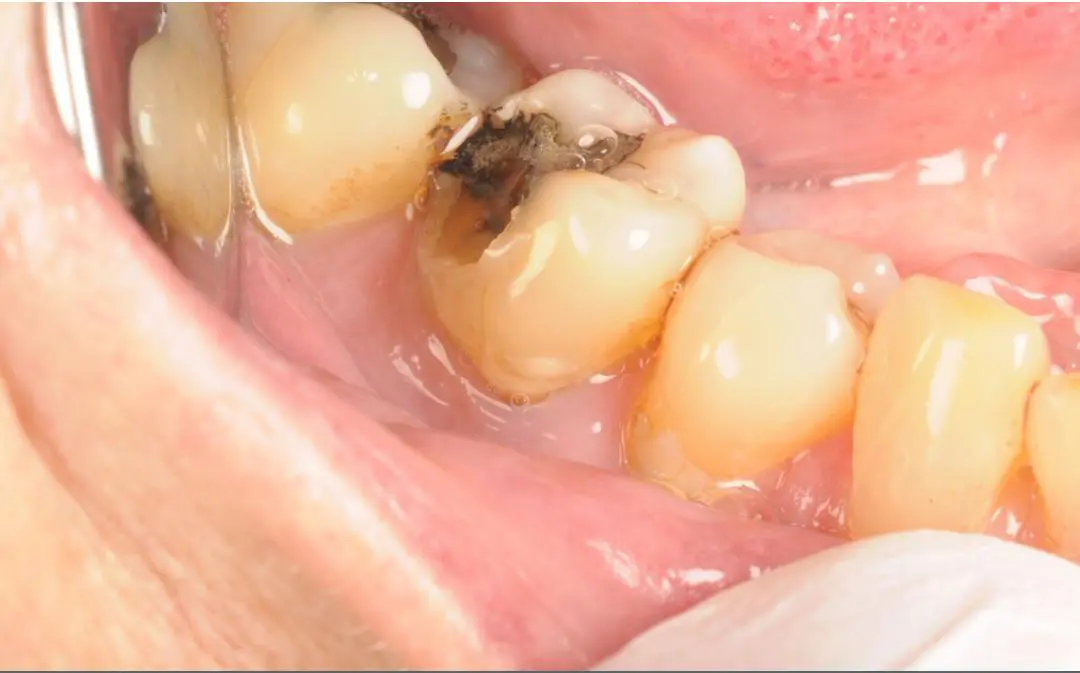
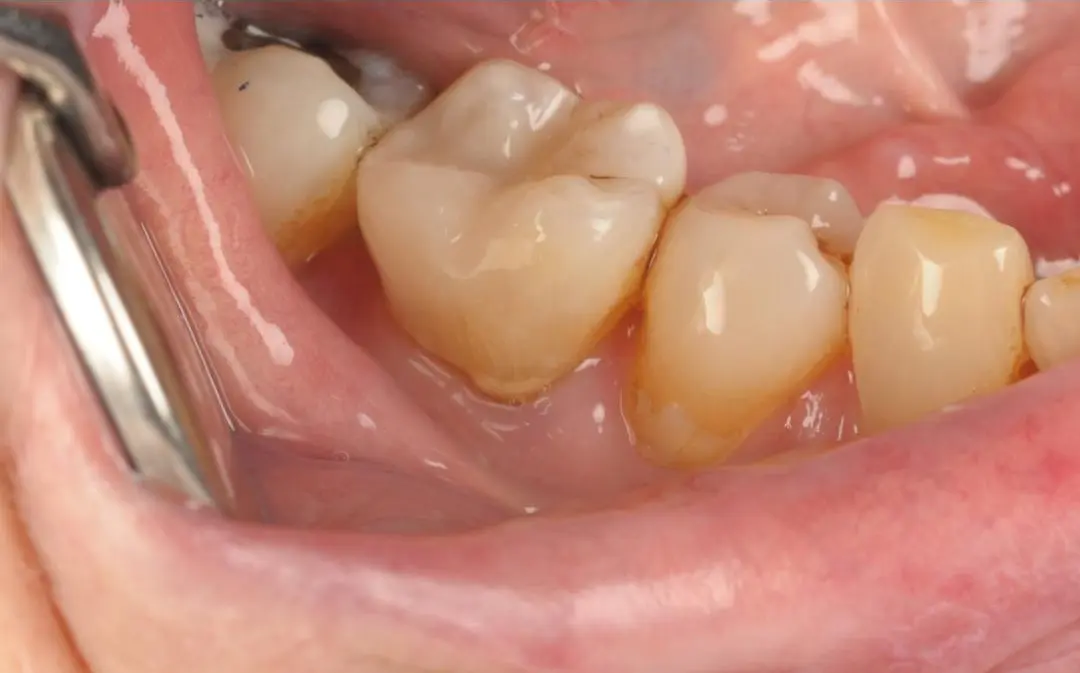
Real Patient Result: Emergency White Filling
Treatment by Dr Kamran
Communicating Your Anxiety to Your Dental Team
One of the most effective strategies for managing dental anxiety is honest communication. Your dental team is trained to support anxious patients, and they cannot adapt their approach unless they know how you are feeling.
Before your appointment, consider:
- Calling ahead to explain your anxiety so the team can prepare
- Asking questions about what will happen at each stage
- Requesting a signal (such as raising your hand) to pause the procedure if needed
- Discussing sedation options if your anxiety is severe — your dentist can advise on what may be clinically appropriate for your situation
Many patients find that simply having an agreed signal to pause gives them a greater sense of control, which in itself reduces anxiety considerably.
When Professional Dental Assessment Is Particularly Important
If you are experiencing any of the following, it is advisable to seek a professional dental assessment promptly:
- Persistent or worsening tooth pain that is not responding to over-the-counter pain relief
- Visible swelling around the tooth, jaw, or face
- Signs of infection such as a bad taste, discharge, or fever
- A broken or fractured tooth causing sharp pain or sensitivity
- Difficulty opening your mouth or swallowing
These symptoms do not necessarily mean the worst, but they do indicate that professional evaluation is warranted. Delaying care due to anxiety when signs of infection are present can carry additional health risks. If you are experiencing any of these symptoms, consider contacting an emergency dentist in London for prompt assessment.
Prevention and Oral Health: Reducing the Risk of Emergency Situations
While not every dental emergency can be prevented, maintaining good oral health can significantly reduce the likelihood of reaching a point where urgent tooth removal becomes necessary.
Practical preventative steps include:
- Brushing twice daily with fluoride toothpaste
- Flossing or using interdental brushes to remove plaque between teeth
- Attending regular dental check-ups — typically every six to twelve months, depending on your dentist's recommendation
- Addressing dental pain early rather than waiting for it to escalate
- Wearing a mouthguard during contact sports to protect against trauma
Regular dental visits also allow your dentist to identify potential problems — such as deep decay or a cracked tooth — before they develop into emergencies. Learning more about routine dental care and preventive visits can help you stay on top of your oral health between urgent episodes.
For broader same-day reassurance strategies, this companion guide on pain relief for nervous dental patients can be useful before you book.
Key Points to Remember
- Dental anxiety is extremely common, particularly in emergency situations, and it is nothing to be ashamed of
- Local anaesthesia means that urgent tooth removal is intended to minimise discomfort — pressure is normal, but any pain should be communicated to your dentist immediately
- Open communication with your dental team before and during treatment is one of the most effective ways to manage anxiety
- Sedation options may be available for patients with significant anxiety — suitability depends on individual clinical assessment
- Delaying urgent dental care due to anxiety can sometimes allow conditions to worsen
- Preventative oral hygiene and regular check-ups can help reduce the risk of future dental emergencies
Frequently Asked Questions
Will I feel pain during an urgent tooth removal?
Many patients report feeling pressure rather than sharp pain during a tooth extraction, as the area is numbed with local anaesthesia beforehand. If you feel pain at any point during the procedure, you should let your dentist know immediately so they can administer additional anaesthetic. Everyone's experience is slightly different, and your dental team will work to ensure you are as comfortable as possible throughout.
Are there sedation options available for anxious patients?
Some dental practices do offer sedation options — such as intravenous (IV) sedation or inhalation sedation (also known as "happy gas" or relative analgesia) — for patients with significant anxiety. Whether sedation is appropriate depends on your overall health, medical history, and the clinical complexity of the procedure. It is best to discuss this with your dentist in advance so they can advise on what may be suitable for you.
How long does recovery from a tooth extraction take?
Recovery time varies depending on factors such as the complexity of the extraction, your general health, and how well post-operative instructions are followed. Most patients find that initial soreness improves significantly within two to three days. Your dentist will provide tailored aftercare advice, including guidance on eating, oral hygiene, and any signs to monitor that may warrant a follow-up call.
What if my anxiety is so severe I cannot attend the appointment?
If anxiety is a significant barrier to dental care, it may be worth speaking to your GP as well as your dentist. Some patients benefit from cognitive behavioural therapy (CBT) techniques or relaxation strategies. For genuinely severe dental phobia, referral to a specialist service may be possible. It is important to remember that avoiding dental care altogether carries its own health risks, so finding a way forward — however gradual — is always worthwhile.
Is tooth removal always the only option in an emergency?
Not always. Emergency dental assessment will determine the most appropriate treatment based on your individual circumstances. In some cases, root canal treatment or other restorative approaches may be possible alternatives to extraction. Treatment recommendations can only be made following a thorough clinical examination, as there is no one-size-fits-all approach to dental care.
What should I do immediately before an emergency dental appointment if I am very anxious?
There are several things that may help in the hours before your appointment: avoiding caffeine, practising slow and deep breathing, bringing a trusted friend or family member for support, listening to calming music before you arrive, and reminding yourself that the dental team is there to help you. Communicating your anxiety as early as possible — even when booking — allows the team to prepare appropriately.
Conclusion
Dental anxiety is a real and widely experienced challenge, and it can feel especially acute when you are faced with the prospect of an urgent tooth removal. The good news is that modern dental care is designed with patient comfort in mind, and there are effective strategies to help you manage anxiety and proceed with the treatment you need.
By understanding what the procedure involves, communicating openly with your dental team, and knowing that comfort measures are available, overcoming dental anxiety when you need urgent tooth removal becomes a much more achievable goal. Taking action — even when anxious — is a genuinely positive step for your long-term oral and general health.
Dental symptoms and treatment options should always be assessed individually during a clinical examination.
If you are concerned about dental pain, swelling, or the condition of a tooth, please do not delay in seeking professional guidance. The sooner an issue is assessed, the more options are typically available.
Disclaimer: This article is for general educational information only.
It is not personalised dental advice.
Diagnosis and treatment recommendations require a clinical examination by a qualified dental professional.
Next Review Due: 18 November 2027