
For many people in London, dental pain can be both physically distressing and emotionally overwhelming — particularly for those who already experience dental anxiety. It is very common for nervous patients to delay seeking help, hoping that discomfort will pass on its own. Unfortunately, untreated dental pain rarely resolves without professional care and may become more complex over time.
If you have been searching for ways to manage dental pain whilst feeling reassured about the experience ahead of you, this article is designed to help. This guide for nervous patients explores how same-day dental pain relief is often achievable, what to expect during an emergency dental visit, and how modern dental practices in London work to create a calm, supportive environment for anxious individuals.
Understanding your options before you arrive can make an enormous difference. Knowing what may happen, how pain is typically managed, and how dental teams support nervous patients can help reduce worry and encourage you to seek the timely care you may need.
Experiencing these symptoms?
Delaying treatment can lead to tooth loss. We have slots available today.
Can Nervous Patients Receive Same-Day Dental Pain Relief?
Yes. Some dental practices in London offer same-day appointments for patients experiencing acute dental pain, including nervous patients. A calm, supportive environment combined with appropriate clinical assessment and pain management techniques means that relief is often achievable on the same day, subject to individual clinical evaluation.
Why Dental Anxiety Prevents People From Seeking Help
Dental anxiety affects a significant proportion of the adult population in the UK. Published research indicates that fear of pain, fear of needles, and concern about being judged are among the most commonly cited barriers to attending a dental appointment. For some individuals, this anxiety can become so pronounced that routine check-ups are avoided for years.
The challenge is that dental pain — whether from an infection, a broken tooth, or an exposed nerve — does not simply disappear on its own. When left unaddressed, underlying conditions can worsen, potentially making treatment more involved than it might otherwise have been.
Meet Dr. Yasha Shirazi
Principal Dentist at Emergency Dentist London
"We treat hundreds of dental emergencies every month. The sooner you come in, the easier the fix usually is."
Book an appointment with our team →Recognising dental anxiety as a genuine and valid response is an important first step. Reputable dental practices understand that nervous patients require a different approach: one that prioritises clear communication, patience, and an unhurried clinical environment. If you are searching for dedicated support for anxious patients, this guide to urgent dental care for anxious patients explains what to expect.
Understanding Dental Pain: What May Be Causing Your Discomfort
Dental pain can arise from a variety of underlying causes, each of which requires a clinical assessment to properly identify and address. Common sources include:
- Tooth decay reaching the pulp: When bacterial decay progresses through the outer enamel and dentine layers and reaches the inner pulp (the soft tissue containing nerves and blood vessels), significant pain can result. This may feel like a persistent, throbbing ache.
- Dental abscess: An abscess is a localised collection of infection, often causing intense, continuous pain. Swelling around the gum or face may also be present.
- Cracked or fractured teeth: A crack in the tooth structure can expose the dentine or pulp, causing sharp pain, particularly when biting or when exposed to temperature changes.
- Gum-related pain: Inflammation or infection of the gum tissue can cause aching, sensitivity, and tenderness.
- Lost fillings or crowns: When a restoration is lost, the underlying tooth structure becomes exposed and vulnerable to sensitivity and pain.
None of these conditions can be diagnosed without a clinical examination. If you are experiencing dental pain, a professional assessment is the appropriate first step.
If swelling, pressure, or a bad taste suggests infection, this page on dental abscess treatment outlines when same-day care may be needed.
The Clinical Science Behind Dental Pain
To understand why dental pain can feel so intense, it helps to know a little about tooth anatomy. Each tooth comprises an outer layer of enamel — the hardest substance in the human body — followed by dentine, a porous tissue containing microscopic tubules. Beneath the dentine lies the pulp chamber, housing the tooth's nerve and blood supply.
When decay, trauma, or infection disrupts the enamel barrier, external stimuli — such as temperature, pressure, or bacterial toxins — can reach the dentine tubules and ultimately stimulate the pulpal nerve. This is why toothache can range from a mild, fleeting sensitivity to a severe, constant pain. The trigeminal nerve, which supplies sensation to the teeth and surrounding structures, is one of the most sensitive nerve pathways in the body, which explains why dental pain is often described as particularly difficult to endure.
Understanding this helps patients appreciate why timely intervention is clinically beneficial — addressing the source of pain is the most effective way to achieve lasting relief.
How Dental Teams Support Nervous Patients
Modern dental practices in London increasingly recognise the importance of creating a calm and accommodating environment for anxious patients. Approaches commonly used to support nervous patients include:
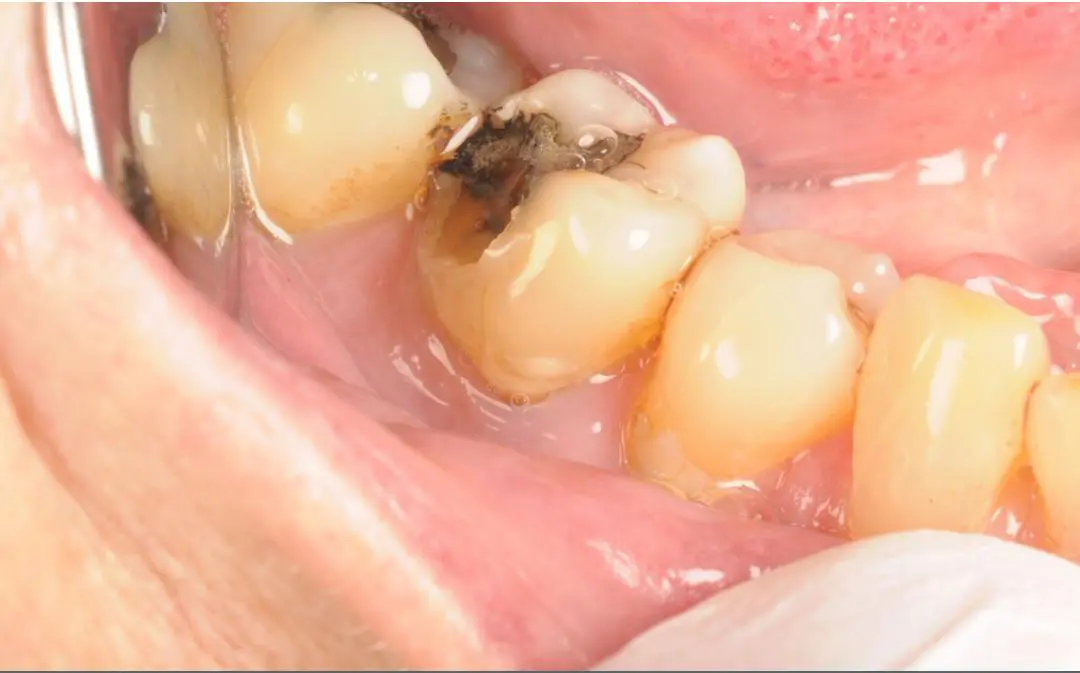
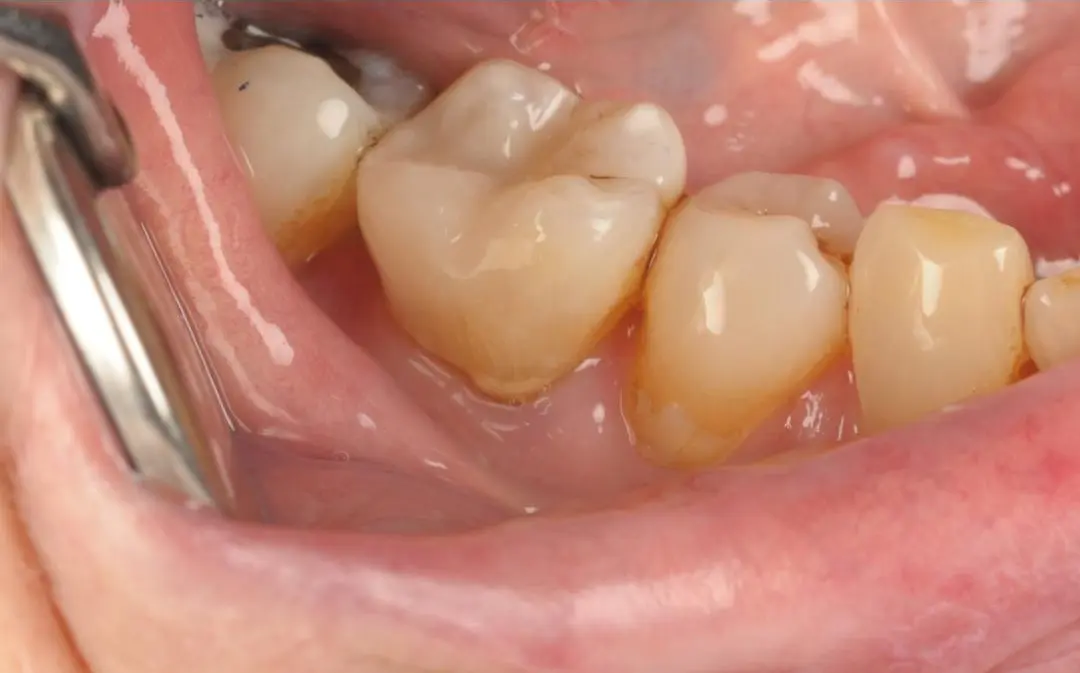
Real Patient Result: Emergency White Filling
Treatment by Dr Kamran
- Clear communication: Explaining each step of the appointment before it happens reduces uncertainty, which is a significant contributor to dental anxiety.
- Agreed signals: Many dental professionals establish a simple hand signal with patients, allowing them to pause treatment at any point if they feel uncomfortable.
- Unhurried appointments: Nervous patients often benefit from being given more time, without feeling rushed.
- Compassionate clinical staff: A non-judgemental, patient-centred approach from the entire dental team makes a meaningful difference to the overall experience.
- Local anaesthesia: Effective local anaesthetic is the primary clinical tool for supporting a comfortable treatment experience with minimal pain. Modern techniques and fine needles have made injection procedures considerably more comfortable than many patients anticipate.
If you are concerned about a specific aspect of dental treatment, speaking with the dental team beforehand allows them to tailor your appointment to your individual needs.
When Professional Dental Assessment May Be Needed
Certain symptoms suggest that a dental assessment should be sought promptly rather than delayed. These include:
- Persistent or worsening tooth pain that does not resolve after a day or two
- Swelling around the jaw, cheek, or gum
- A bad taste in the mouth, which may indicate an abscess
- Sensitivity to hot or cold that lingers after the stimulus is removed
- Difficulty opening the mouth or swallowing
- A tooth that has been knocked loose or displaced
None of these symptoms should cause alarm, but they do indicate that professional evaluation is appropriate. Early assessment allows a clinician to identify the cause and discuss suitable management options with you. You can find guidance on emergency dental appointments to understand what to expect when seeking same-day care.
Prevention and Oral Health Advice for Anxious Patients
Maintaining good oral health between dental visits is one of the most effective ways to reduce the likelihood of acute dental pain arising. Practical steps include:
- Brushing twice daily with a fluoride toothpaste, using a soft-bristled toothbrush
- Cleaning between teeth with interdental brushes or floss once a day
- Limiting sugary foods and drinks, particularly between meals
- Attending regular dental check-ups, even if you feel no pain — routine examinations allow problems to be identified at an early, more manageable stage
- Informing your dentist about your anxiety so appointments can be adapted accordingly
For those who have avoided dental care for some time due to anxiety, taking the step of arranging a low-pressure, introductory consultation — without committing to treatment on that visit — can be a helpful way to rebuild confidence gradually. Reading about routine dental care and preventive visits can be a practical first step.
If anxiety is strongest around extractions, this related article on overcoming dental anxiety before urgent tooth removal may also help.
Key Points to Remember
- Dental anxiety is a recognised and common experience — dental teams in London are trained to support nervous patients.
- Same-day dental pain relief is often achievable, subject to individual clinical assessment and the nature of the presenting condition.
- Dental pain frequently has an underlying cause that requires professional treatment — it rarely resolves without clinical intervention.
- Effective local anaesthesia, clear communication, and a calm environment are standard tools used to support anxious patients during treatment.
- Attending regular check-ups and maintaining good oral hygiene at home can significantly reduce the likelihood of acute dental emergencies.
- Always seek professional guidance if you experience persistent pain, swelling, or other concerning oral symptoms.
Frequently Asked Questions
Will the dental team judge me for avoiding the dentist due to anxiety?
Reputable dental professionals understand that dental anxiety is a genuine and common experience. The role of a dental team is to provide clinical care in a supportive, non-judgemental manner. It is entirely appropriate to inform the reception team and your clinician about your anxiety before your appointment, as this allows them to tailor their approach to your needs. Many patients find that honest communication with their dental team significantly improves their experience from the first visit onwards.
What can I realistically expect during a same-day emergency dental appointment?
A same-day dental appointment for pain will typically begin with a clinical assessment, which may include a visual examination and dental X-rays where appropriate. The clinician will discuss their findings with you and explain the available options. Treatment on the day may involve pain relief, addressing an infection, or stabilising a damaged tooth, depending on your individual circumstances. Treatment suitability is always determined by clinical assessment.
How is dental pain managed during treatment for a nervous patient?
Local anaesthesia is the primary method used to ensure comfort during dental procedures. Modern anaesthetic techniques are considerably more refined than many patients expect, and dental professionals take care to administer anaesthetic gently and effectively. For highly anxious patients, additional supportive measures — such as the use of agreed pause signals and a calm, unhurried approach — are commonly employed. In some cases, further anxiety management options may be discussed following a clinical consultation.
Is it safe to take over-the-counter painkillers whilst waiting for a dental appointment?
Over-the-counter pain relief, such as paracetamol or ibuprofen (if suitable for you based on your medical history), may help to temporarily manage dental discomfort whilst awaiting an appointment. However, pain relief medication does not address the underlying cause of dental pain. Always follow the manufacturer's dosage guidance and consult a pharmacist or GP if you are unsure whether a particular medication is appropriate for you. A dental appointment remains necessary to properly assess and address the source of pain.
Can children who are nervous about dental visits also receive same-day care?
Many dental practices are able to accommodate children requiring urgent dental care, including those who are anxious. Paediatric dental anxiety is managed with age-appropriate communication, a child-friendly environment, and a gentle clinical approach. Parents or guardians are encouraged to discuss their child's anxiety with the dental team prior to the appointment so that suitable adjustments can be made. Clinical suitability for specific treatments will always be determined on an individual basis following examination.
How long does dental pain relief typically last after a same-day appointment?
The duration of pain relief following a same-day dental appointment depends entirely on the nature of the treatment provided and the underlying cause of the pain. Some treatments, such as drainage of an abscess or placement of a temporary restoration, provide significant immediate relief. Others may require a course of treatment over subsequent appointments to fully resolve the problem. Your clinician will discuss the anticipated treatment plan and expected outcomes with you during your appointment.
Conclusion
Dental pain is a significant concern for many adults in London, and when combined with dental anxiety, it can feel like a difficult situation to navigate. However, same-day dental pain relief is a realistic possibility for nervous patients, and modern dental practices are well equipped to provide care in a calm, supportive setting that places patient comfort at the centre of the experience.
This guide has outlined the common causes of dental pain, explained the clinical science behind why toothache can feel so severe, and described the approaches dental teams use to support anxious individuals. It has also highlighted the oral health habits that can help reduce the risk of acute dental emergencies over time.
If you are experiencing dental pain, the most important step you can take is to seek a professional assessment. Dental symptoms and treatment options should always be assessed individually during a clinical examination. Early professional evaluation allows the most appropriate management to be identified and discussed with you, in a manner that takes your individual circumstances and concerns into account.
Disclaimer: This article is for general educational information only.
It is not personalised dental advice.
Diagnosis and treatment recommendations require a clinical examination by a qualified dental professional.
Next Review Due: 18 November 2027