
Many patients visit their dentist concerned about persistent dry mouth symptoms that develop whilst taking cold and flu medications. During winter months particularly, individuals often notice their mouth feeling unusually dry, sticky, or uncomfortable after starting decongestants, antihistamines, or cough suppressants. This common side effect can leave people wondering whether their medication is affecting their oral health and what steps they can take to manage the discomfort.
Understanding the relationship between cold and flu medications and dry mouth is important because reduced saliva production can impact your oral health in several ways. Saliva plays a crucial protective role in neutralising acids, washing away food particles, and maintaining the natural bacterial balance in your mouth. When medication-induced dry mouth persists, it may increase the risk of tooth decay, gum irritation, and oral discomfort.
This article explains why certain medications cause dry mouth, how to recognise the symptoms, and practical strategies for managing this temporary but potentially troublesome side effect whilst maintaining good oral health.
Experiencing these symptoms?
Delaying treatment can lead to tooth loss. We have slots available today.
What causes medication-induced dry mouth?
Medication-induced dry mouth, known clinically as xerostomia, occurs when certain active ingredients interfere with normal saliva production. Many common cold and flu medications contain antihistamines, decongestants, or anticholinergic compounds that can reduce the activity of salivary glands as an unintended side effect.
Antihistamines such as diphenhydramine, chlorphenamine, and cetirizine work by blocking histamine receptors to reduce allergy symptoms and runny nose. However, these medications can also affect the nervous system signals that stimulate saliva production. Similarly, decongestants like pseudoephedrine and phenylephrine can cause dry mouth by affecting the autonomic nervous system.
The severity of dry mouth symptoms often depends on the dosage, duration of medication use, and individual sensitivity. Some people notice mild dryness within hours of taking medication, whilst others may develop more pronounced symptoms after several days of treatment. Understanding this connection helps patients recognise that their dry mouth is likely temporary and related to their medication rather than an underlying oral health problem.
Meet Dr. Yasha Shirazi
Principal Dentist at Emergency Dentist London
"We treat hundreds of dental emergencies every month. The sooner you come in, the easier the fix usually is."
Book an appointment with our team →How do cold and flu medications affect saliva production?
Cold and flu medications can affect saliva production through several biological mechanisms. The salivary glands are controlled by the autonomic nervous system, which regulates many involuntary bodily functions including saliva secretion. When medications block certain nerve receptors or interfere with neurotransmitter signals, the normal stimulation of salivary glands can be reduced.
Antihistamines particularly affect muscarinic receptors, which play a key role in stimulating saliva production. When these receptors are blocked, the parotid, submandibular, and sublingual salivary glands produce less saliva, leading to the characteristic dry, sticky feeling in the mouth. Decongestants can have similar effects by altering sympathetic nervous system activity.
The reduction in saliva flow affects more than just comfort. Saliva contains important enzymes, proteins, and minerals that help protect teeth from acid erosion and bacterial overgrowth. It also contains natural antibacterial compounds that help maintain oral health. When saliva production decreases, the mouth's natural defence mechanisms are temporarily compromised, which is why managing dry mouth during illness is important for maintaining oral health.
Recognising the symptoms of medication-related dry mouth
Medication-related dry mouth typically develops gradually and may initially feel like mild thirst or mouth discomfort. Early symptoms often include a sticky or cotton-like feeling in the mouth, difficulty swallowing dry foods, and increased thirst. Some people notice that their tongue feels rough or that they need to drink water more frequently, particularly when speaking for extended periods.
As dry mouth symptoms progress, you might experience difficulty chewing or swallowing certain foods, particularly dry or crumbly items like biscuits or crackers. Speech may feel slightly different, with some people noticing that their tongue tends to stick to the roof of their mouth or that their voice sounds slightly hoarse. Bad breath can also develop more readily when saliva flow is reduced.
More pronounced symptoms may include a burning or tingling sensation on the tongue or inside the cheeks, increased tooth sensitivity, and general oral discomfort. Some patients notice that their lips feel dry or that they wake up with a particularly dry mouth after sleeping. These symptoms usually improve gradually as the medication is discontinued, but understanding how to manage them can prevent complications and maintain comfort during treatment.
The oral health implications of reduced saliva flow
Reduced saliva flow during medication use can have several important implications for oral health, even when the dry mouth is temporary. Saliva serves as the mouth's natural cleansing system, continuously washing away food particles, bacteria, and acids that can contribute to tooth decay and gum problems. When this protective mechanism is compromised, the risk of oral health issues may temporarily increase.
The pH buffering capacity of saliva is particularly important for protecting tooth enamel. Normally, saliva helps neutralise acids produced by oral bacteria after eating or drinking. With reduced saliva flow, these acids may linger longer on tooth surfaces, potentially contributing to enamel softening and increased cavity risk. This is especially relevant if you're consuming sugary cough drops or throat lozenges to soothe cold symptoms.
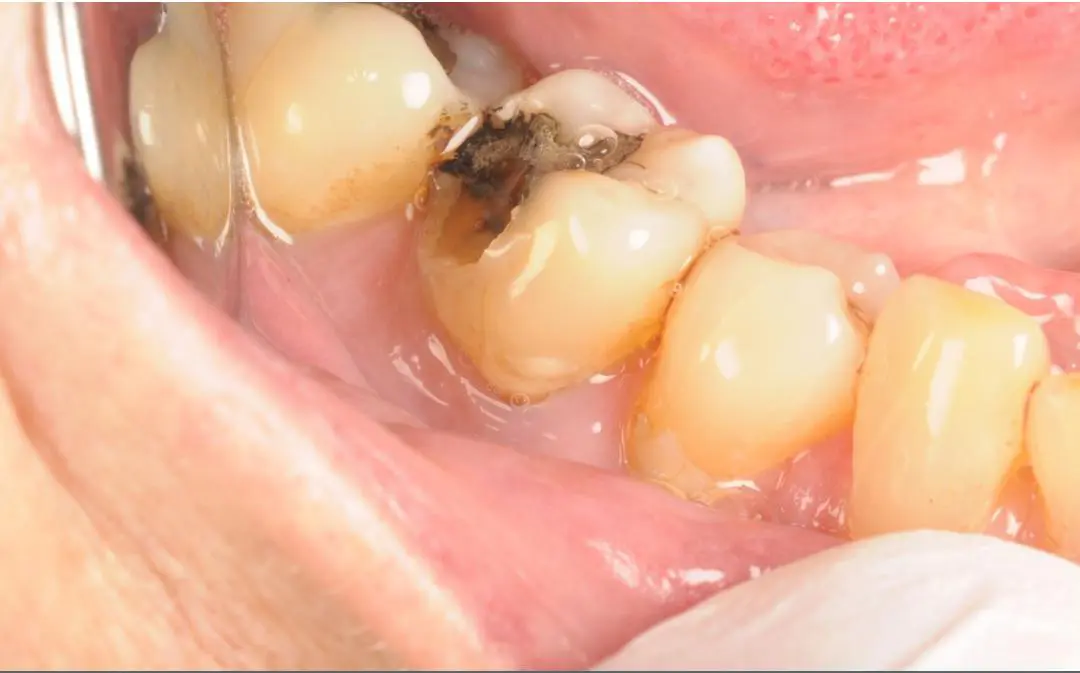
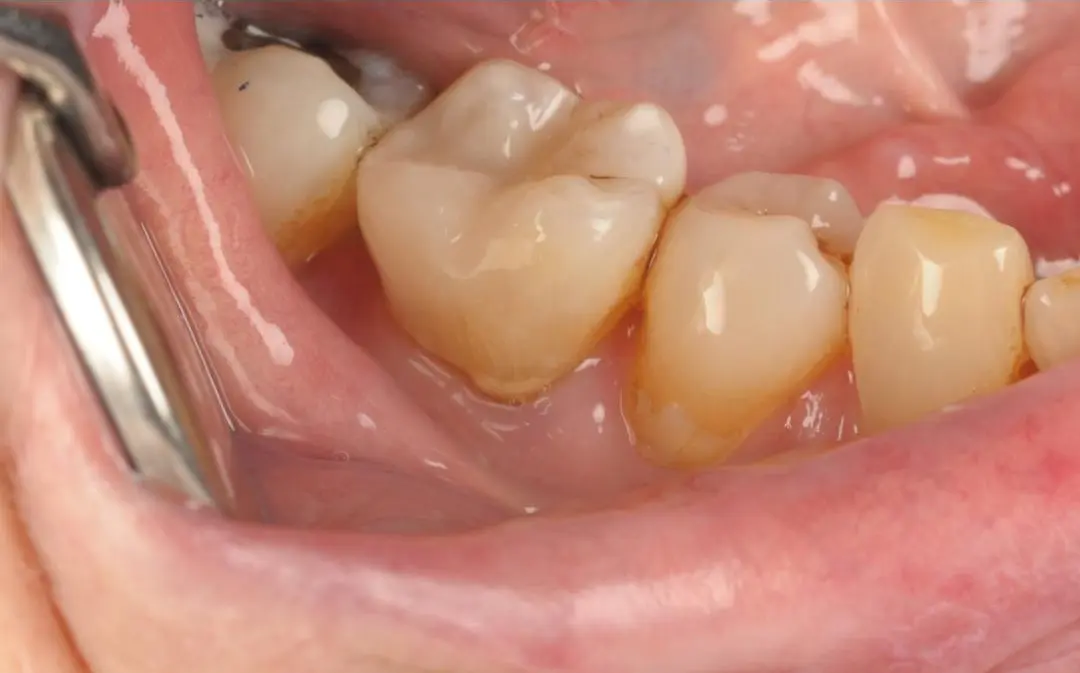
Real Patient Result: Emergency White Filling
Treatment by Dr Kamran
Reduced saliva also affects the mouth's natural bacterial balance. Beneficial bacteria that help maintain oral health may be affected, whilst harmful bacteria that contribute to tooth decay and gum inflammation may have more opportunity to multiply. Additionally, the mechanical cleansing action of saliva is reduced, meaning food particles and plaque may accumulate more readily around the gumline and between teeth, emphasising the importance of maintaining good oral hygiene during periods of medication-induced dry mouth.
Practical strategies for managing medication-induced dry mouth
Managing medication-induced dry mouth involves both immediate comfort measures and protective strategies for maintaining oral health. Staying well-hydrated is fundamental, but sipping water frequently throughout the day tends to be more effective than drinking large amounts at once. Room-temperature water is often more comfortable than very cold water, and avoiding beverages with caffeine, alcohol, or high sugar content helps prevent further dehydration or oral health complications.
Sugar-free gum or lozenges can help stimulate natural saliva production through the chewing action and taste stimulation. Look for products containing xylitol, which not only encourages saliva flow but also has protective properties for tooth enamel. Avoiding overly dry, salty, or spicy foods can reduce mouth irritation, whilst choosing softer, moist foods can make eating more comfortable during treatment.
Using a humidifier in your bedroom can help prevent overnight mouth drying, which is often when dry mouth symptoms feel most pronounced. Breathing through your nose rather than your mouth when possible also helps maintain oral moisture. Some people find that gently swishing with water or using an alcohol-free mouthwash designed for dry mouth provides temporary relief, though these measures work best as part of a comprehensive approach to managing symptoms.
When to seek professional dental guidance
Most medication-related dry mouth resolves gradually as cold and flu medications are discontinued, but certain situations may warrant professional dental assessment. If dry mouth symptoms persist for more than a week after stopping medication, or if you develop significant oral discomfort, tooth sensitivity, or signs of oral irritation, consulting your dentist can help determine whether additional measures are needed.
Persistent bad breath, unusual taste changes, or difficulty eating and swallowing that doesn't improve as medication use decreases may indicate that professional evaluation would be beneficial. Similarly, if you notice increased tooth sensitivity, gum tenderness, or any changes in your oral tissues during or after medication use, dental assessment can help identify whether these symptoms require specific treatment.
People with existing oral health conditions, such as gum disease or a history of frequent cavities, may benefit from discussing dry mouth management strategies with their dental team, particularly if they need to take cold and flu medications regularly. Professional guidance can help develop personalised approaches for maintaining oral health during periods when medication-induced dry mouth is unavoidable.
Maintaining oral hygiene during medication use
Maintaining excellent oral hygiene becomes particularly important when taking medications that cause dry mouth. Regular brushing with fluoride toothpaste helps protect tooth enamel when the natural protective effects of saliva are reduced. Consider brushing more gently if your mouth feels sensitive, and ensure you're cleaning all tooth surfaces thoroughly, paying particular attention to the gumline where plaque can accumulate more readily.
Flossing remains crucial during periods of dry mouth, as reduced saliva flow means food particles and bacteria between teeth are less likely to be naturally cleared away. If traditional flossing feels uncomfortable due to mouth dryness, using a water flosser or interdental brushes with a small amount of water can provide effective cleaning whilst being gentler on sensitive oral tissues.
Using an alcohol-free mouthwash can help maintain oral freshness without causing additional drying. Some therapeutic mouthwashes are specifically formulated for dry mouth conditions and contain ingredients that help maintain oral moisture. Timing oral hygiene routines can also help - some people find that cleaning their teeth before taking medication provides better comfort, whilst others prefer to rinse their mouth after medication to remove any residual taste or dryness.
Nutritional considerations and oral health protection
Diet choices during cold and flu treatment can significantly impact both medication-induced dry mouth and overall oral health. Staying hydrated with water is essential, but the foods you choose can either help manage dry mouth symptoms or potentially worsen them. Foods with high water content, such as soups, smoothies, and fresh fruits, can provide both nutrition and additional hydration whilst being easier to consume when your mouth feels dry.
Many people increase their intake of throat lozenges and cough drops during illness, but sugar-containing varieties can increase cavity risk when saliva protection is reduced. Choosing sugar-free alternatives or limiting the frequency of sugary throat remedies helps protect tooth enamel. Similarly, if you're drinking more fruit juices or hot drinks with honey for symptom relief, rinsing with water afterwards can help clear sugary residues.
Avoiding very dry, salty, or acidic foods and drinks can prevent additional mouth irritation whilst medication-induced dry mouth persists. Citrus juices, whilst providing vitamin C, can feel particularly harsh on a dry mouth and may contribute to enamel erosion when protective saliva is reduced. Choosing gentler alternatives like diluted juices or vitamin C from other sources can provide nutritional benefits without exacerbating oral discomfort.
Recovery and long-term oral health considerations
Most people notice gradual improvement in dry mouth symptoms within 24-48 hours after discontinuing cold and flu medications, though complete recovery of normal saliva flow may take several days. During this recovery period, continuing protective oral health measures helps ensure that any temporary increase in cavity or gum disease risk doesn't lead to lasting problems.
If you find that you frequently experience medication-induced dry mouth due to recurring seasonal allergies or regular cold and flu episodes, discussing prevention strategies with your dental team can be valuable. Some people benefit from using fluoride treatments or protective mouth rinses during medication periods, whilst others may need more frequent professional cleanings to maintain optimal oral health.
Understanding your individual response to different medications can also help with future management. Some people find that certain antihistamines or decongestants cause less dry mouth than others, and discussing these observations with your pharmacist or GP may help identify alternatives that provide effective symptom relief with fewer oral side effects when medication choices are available.
Key Points to Remember
• Dry mouth from cold and flu medications is a common, temporary side effect that usually resolves after stopping treatment
• Antihistamines and decongestants can reduce saliva production by affecting nervous system signals to salivary glands
• Frequent water sipping, sugar-free gum, and avoiding alcohol-containing products help manage symptoms effectively
• Maintaining excellent oral hygiene becomes particularly important when natural saliva protection is reduced
• Professional dental guidance may be beneficial if symptoms persist or if you have existing oral health concerns
• Recovery typically begins within 24-48 hours of discontinuing medication, with full improvement over several days
Frequently Asked Questions
How long does medication-induced dry mouth typically last?
Medication-induced dry mouth usually begins to improve within 24-48 hours after discontinuing the medication, with most people experiencing full recovery of normal saliva flow within 3-5 days. The duration can vary depending on the specific medication, dosage, and individual factors. If dry mouth persists beyond a week after stopping medication, professional assessment may be helpful to rule out other causes.
Can I prevent dry mouth when taking cold and flu medications?
Whilst it's difficult to completely prevent medication-induced dry mouth, you can minimise its impact through proactive hydration, using sugar-free gum to stimulate saliva, and maintaining excellent oral hygiene. Starting these measures when you begin medication rather than waiting for symptoms to develop tends to be more effective. Some people find that taking medications with food or adjusting timing can help reduce severity.
Are some cold and flu medications less likely to cause dry mouth?
Different medications can have varying effects on saliva production. Generally, newer antihistamines like cetirizine or loratadine may cause less dry mouth than older varieties like diphenhydramine. Nasal sprays sometimes cause fewer oral side effects than oral medications. Discussing alternatives with your pharmacist or GP can help identify options that provide effective symptom relief with minimal oral side effects for your specific situation.
Should I be concerned about tooth damage from temporary dry mouth?
Short-term dry mouth from medication rarely causes permanent tooth damage, especially with proper oral hygiene and protective measures. However, reduced saliva does temporarily increase cavity risk, particularly if you're consuming sugary cough drops or throat lozenges. Maintaining good oral hygiene, choosing sugar-free products, and staying hydrated help minimise any potential impact on your teeth during treatment.
Can medication-induced dry mouth affect existing dental work?
Existing dental work like fillings, crowns, or restorations isn't typically damaged by temporary dry mouth, though you might notice increased sensitivity around restoration margins where natural tooth structure meets dental work. The reduced protective effect of saliva can make these areas temporarily more susceptible to plaque accumulation, making thorough oral hygiene particularly important during medication use.
When should I contact my dentist about medication-related dry mouth?
Consider contacting your dentist if dry mouth symptoms persist more than a week after stopping medication, if you develop significant oral pain or sensitivity, or if you notice changes in your gums or oral tissues. People with existing gum disease or frequent cavity history may benefit from professional guidance about managing preventive oral care during periods when dry mouth-causing medications are necessary.
Conclusion
Managing dry mouth associated with cold and flu medications requires understanding both the temporary nature of this side effect and the importance of maintaining oral health during treatment. Whilst medication-induced dry mouth can feel uncomfortable and concerning, implementing practical management strategies such as frequent hydration, sugar-free saliva stimulation, and meticulous oral hygiene can effectively minimise symptoms and protect your oral health during recovery from illness.
The key to successful management lies in early intervention and consistent protective measures rather than waiting for symptoms to become problematic. By understanding why certain medications affect saliva production and taking proactive steps to support your oral health, you can manage cold and flu symptoms effectively whilst maintaining oral comfort and health.
Remember that medication-induced dry mouth is typically temporary and will improve as your body recovers from illness and medication use decreases. However, if symptoms persist or if you have concerns about your oral health during medication use, professional dental guidance can provide personalised advice and ensure that temporary dry mouth doesn't impact your long-term oral health. Dental symptoms and treatment options should always be assessed individually during a clinical examination.
Disclaimer
This article is for general educational purposes only and does not constitute dental advice, diagnosis, or treatment. Every patient is different, so symptoms and treatment options should always be assessed by a qualified dental professional during a clinical examination. No specific outcomes are guaranteed.