
When experiencing dental discomfort, many people find themselves reaching for soft, sugary foods that seem easier to consume. This common response, whilst understandable, can inadvertently worsen dental symptoms and delay healing. Patients often search online for guidance on what to eat during dental pain, seeking alternatives that won't aggravate their condition whilst still providing necessary nutrition.
Understanding how to manage your diet effectively during periods of dental discomfort is crucial for both symptom management and oral health recovery. The relationship between sugar intake and dental health becomes particularly important when teeth are already compromised or sensitive. Poor nutritional choices during dental discomfort can lead to increased bacterial activity, prolonged inflammation, and potential complications.
This article explores evidence-based strategies for managing sugary food intake during dental discomfort, examining suitable alternatives, understanding the impact of dietary choices on oral health, and recognising when professional dental assessment may be beneficial for ongoing symptoms.
Experiencing these symptoms?
Delaying treatment can lead to tooth loss. We have slots available today.
How Should You Manage Sugar Intake During Dental Pain?
Limit sugary foods during dental discomfort and choose nutrient-dense, soft alternatives like yoghurt, smoothies with vegetables, and whole grains. Managing sugary food intake helps reduce bacterial activity around sensitive teeth whilst supporting healing and maintaining proper nutrition during recovery periods.
Understanding the Impact of Sugar on Dental Health During Discomfort
When experiencing dental discomfort, your mouth's natural defence mechanisms may already be compromised. Sugar consumption during this vulnerable period can significantly impact recovery and symptom severity. Bacteria in the mouth feed on sugars and starches, producing acids that can further irritate sensitive tooth structures and inflamed gum tissues.
The process becomes particularly problematic when dental pain affects your ability to maintain normal oral hygiene routines. Reduced brushing effectiveness or frequency, combined with increased sugar intake, creates an environment where harmful bacteria can thrive. This bacterial activity produces additional acids that may worsen existing sensitivity and prolong discomfort.
Meet Dr. Yasha Shirazi
Principal Dentist at Emergency Dentist London
"We treat hundreds of dental emergencies every month. The sooner you come in, the easier the fix usually is."
Book an appointment with our team →During periods of dental discomfort, tooth enamel may be temporarily weakened or compromised. Exposure to sugars and acids from both dietary sources and bacterial by-products can interfere with the natural remineralisation process that helps strengthen teeth. Understanding this relationship helps explain why dietary modifications can play a supportive role in managing dental symptoms and promoting oral health recovery.
Suitable Nutritional Alternatives During Dental Discomfort
Selecting appropriate foods during dental discomfort requires balancing nutritional needs with gentle texture and minimal sugar content. Protein-rich options such as plain Greek yoghurt, soft-cooked eggs, and well-blended smoothies containing leafy greens provide essential nutrients without aggravating sensitive teeth. These alternatives support healing whilst minimising bacterial feeding opportunities.
Complex carbohydrates offer sustained energy without the rapid sugar spikes associated with refined alternatives. Soft-cooked quinoa, mashed sweet potato, and oatmeal prepared with milk provide valuable nutrients and can be easily modified to suit comfort levels. Adding anti-inflammatory ingredients such as turmeric or ginger may provide additional benefits for managing discomfort.
Calcium-rich foods become particularly important during dental recovery periods. Soft cheeses, milk-based smoothies, and calcium-fortified plant alternatives support tooth remineralisation processes. When preparing these options, consider temperature sensitivity and opt for room temperature or slightly warm preparations rather than very hot or cold alternatives that might trigger additional discomfort.
The Science Behind Sugar's Effect on Oral Health
The relationship between sugar consumption and oral health involves complex biochemical processes that become more significant during periods of dental vulnerability. When sugars enter the mouth, resident bacteria, particularly Streptococcus mutans, metabolise these substrates and produce lactic acid as a by-product. This acid production lowers the oral pH, creating an acidic environment that can demineralise tooth enamel.
During dental discomfort, existing inflammation or damage may compromise the mouth's natural buffering systems. Saliva production might be reduced due to pain medications or altered eating patterns, limiting the natural neutralisation of acids. This reduced buffering capacity means that even modest sugar consumption can have more pronounced effects on oral pH levels and bacterial activity.
The demineralisation process becomes particularly concerning when tooth structures are already compromised. Existing cavities, exposed dentine, or inflamed gum tissues provide additional pathways for acid penetration, potentially worsening sensitivity and prolonging recovery times. Understanding these mechanisms highlights why emergency dental care often includes dietary guidance as part of comprehensive symptom management approaches.
When Professional Dental Assessment May Be Needed
Persistent dental discomfort lasting more than 48 hours may indicate underlying issues requiring professional evaluation. Symptoms such as throbbing pain, sensitivity to temperature changes, or discomfort when biting down could suggest conditions that benefit from clinical assessment and targeted treatment approaches.
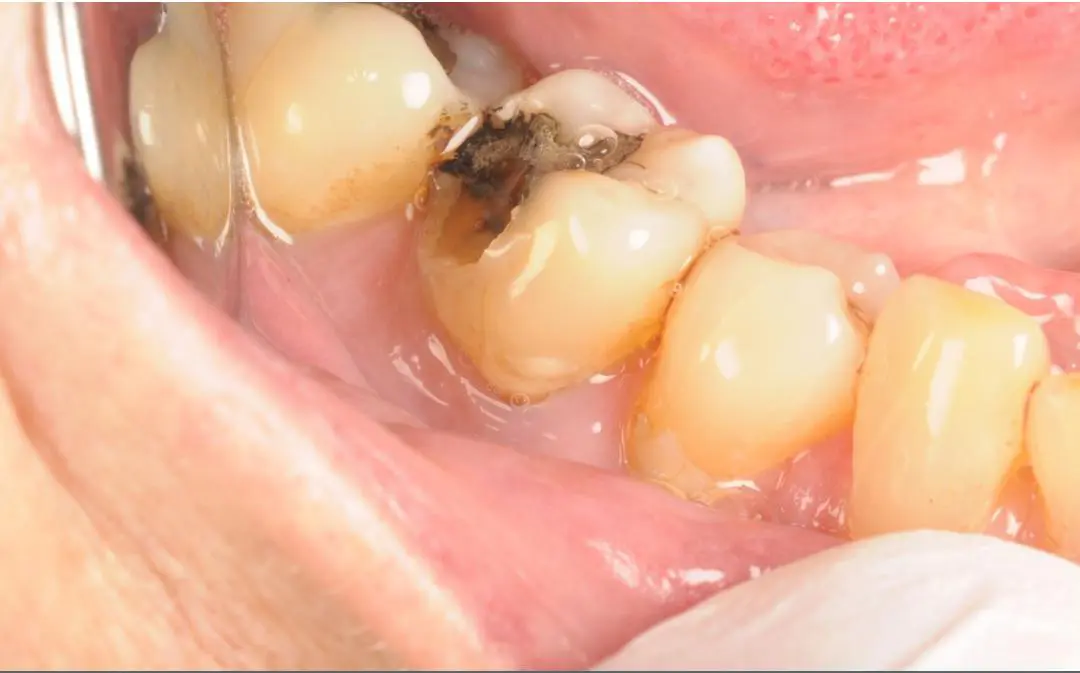
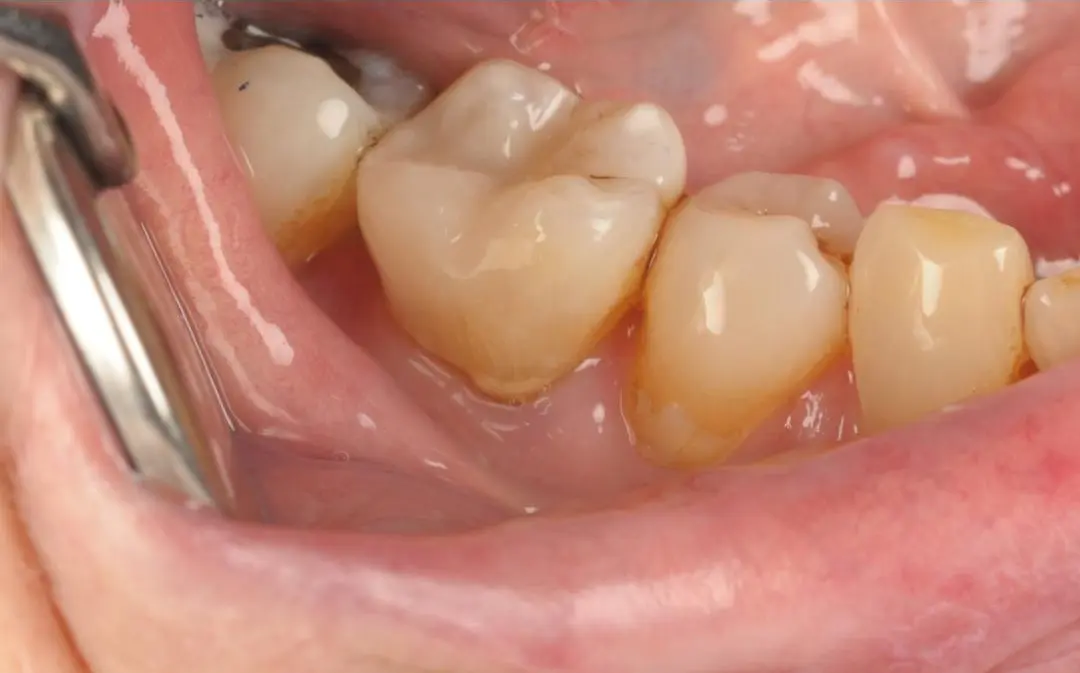
Real Patient Result: Emergency White Filling
Treatment by Dr Kamran
Swelling around the affected area, particularly if accompanied by facial swelling or difficulty swallowing, may indicate infection or abscess formation. These symptoms require prompt professional attention, as dietary modifications alone may not address the underlying pathology. Changes in taste, persistent bad breath, or visible damage to teeth or gums also warrant professional evaluation.
If dietary modifications and over-the-counter pain management strategies fail to provide adequate relief within a reasonable timeframe, professional assessment can help identify specific causes and appropriate treatment options. Early intervention often leads to more conservative treatment approaches and better outcomes.
Prevention Strategies and Long-Term Oral Health
Developing sustainable dietary habits that support oral health extends beyond managing acute discomfort periods. Regular consumption of calcium-rich foods, vitamin D sources, and foods containing natural fluoride helps maintain strong tooth structures and reduces susceptibility to future dental problems. Planning balanced meals that minimise processed sugars whilst maximising nutritional density supports overall oral health resilience.
Timing of food consumption also plays a role in oral health maintenance. Limiting snacking frequency reduces the number of acid attacks on teeth throughout the day, allowing natural remineralisation processes to occur. When sweet foods are consumed, having them as part of larger meals rather than isolated snacks can help minimise their impact on oral pH levels.
Staying adequately hydrated supports saliva production, which serves as the mouth's natural defence system against harmful bacteria and acids. Water consumption also helps rinse away food particles and bacteria, reducing their contact time with tooth surfaces. These prevention strategies become particularly valuable for individuals who experience recurrent dental discomfort.
Managing Cravings and Emotional Eating During Dental Pain
Dental discomfort often triggers cravings for comforting foods, many of which tend to be high in sugar or refined carbohydrates. Understanding this psychological response helps in developing strategies to manage these cravings without compromising oral health recovery. Identifying trigger emotions and developing alternative comfort strategies can support both dental healing and overall wellbeing.
Meal preparation and planning become especially important when dealing with dental discomfort. Having nutritious, soft-textured options readily available reduces the likelihood of reaching for convenient but potentially harmful sugary alternatives. Preparing smoothie ingredients in advance, cooking grains and proteins in suitable textures, and keeping calcium-rich options accessible supports consistent healthy choices.
Seeking support from family members or friends during recovery periods can help maintain dietary modifications. Having others understand your temporary dietary needs and assist with meal preparation can reduce stress and improve adherence to oral health-supporting nutritional choices. Professional guidance from dental practitioners may also include specific dietary recommendations based on individual circumstances and treatment approaches.
Key Points to Remember
• Limiting sugar intake during dental discomfort reduces bacterial activity and supports healing processes
• Soft, nutrient-dense alternatives such as Greek yoghurt and vegetable smoothies provide essential nutrition without aggravating sensitive teeth
• Temperature considerations matter - room temperature or slightly warm foods often cause less discomfort than very hot or cold options
• Adequate hydration supports natural oral defence mechanisms and helps rinse away harmful bacteria
• Persistent symptoms lasting more than 48 hours may benefit from professional dental assessment
• Long-term prevention strategies focusing on balanced nutrition support overall oral health resilience
Frequently Asked Questions
Can I eat fruit during dental discomfort?
Yes, but choose softer fruits with lower acidity levels such as bananas, ripe pears, or melons. Consider blending fruits into smoothies and adding protein sources like yoghurt to balance sugar content. Avoid citrus fruits or very acidic options that might increase sensitivity. Rinsing with water after consuming fruit can help neutralise acids and reduce their contact time with sensitive teeth.
How long should I avoid sugary foods during dental pain?
The duration depends on the underlying cause and severity of symptoms. Generally, limiting sugary foods until discomfort subsides helps support healing. If pain persists beyond 48-72 hours, professional assessment may be needed to determine appropriate dietary modifications. Focus on nutrient-dense alternatives throughout the recovery period to support both oral health and overall healing processes.
Are sugar-free alternatives safe during dental discomfort?
Sugar-free options can be beneficial, but some artificial sweeteners may cause digestive sensitivity in certain individuals. Xylitol-containing products may actually support oral health by reducing harmful bacterial activity. However, focus on whole food alternatives rather than processed sugar-free products when possible. Natural options like plain yoghurt with added protein provide better nutritional support during recovery periods.
What drinks should I avoid during dental pain?
Limit sugary beverages, acidic drinks like fruit juices or fizzy drinks, and very hot or cold liquids that might trigger sensitivity. Alcohol can interfere with healing and may interact with pain medications. Instead, choose room temperature water, herbal teas, or milk-based drinks. If consuming acidic beverages, use a straw to minimise contact with sensitive teeth.
Can dietary changes help prevent future dental discomfort?
Yes, maintaining a balanced diet rich in calcium, vitamin D, and phosphorus supports strong tooth structures. Limiting frequent sugar exposure, staying well-hydrated, and choosing nutrient-dense foods over processed alternatives contributes to better oral health resilience. However, dietary modifications work best alongside proper oral hygiene and regular preventive dental care rather than as standalone prevention strategies.
Should I take supplements during dental recovery?
While a balanced diet typically provides necessary nutrients, some individuals may benefit from specific supplements during recovery periods. Vitamin D and calcium support tooth remineralisation, whilst vitamin C aids healing processes. However, consult with healthcare providers before starting new supplements, especially if taking medications for pain management. Focus on obtaining nutrients from whole food sources when possible, as these are generally better absorbed and utilised by the body.
Conclusion
Managing sugary food intake during dental discomfort represents an important aspect of supporting oral health recovery and preventing symptom aggravation. By understanding the relationship between dietary choices and dental health, individuals can make informed decisions that promote healing whilst maintaining adequate nutrition. The key lies in selecting soft, nutrient-dense alternatives that minimise bacterial feeding opportunities whilst providing essential nutrients for recovery.
Successful management combines immediate symptom relief strategies with longer-term prevention approaches. Temperature considerations, timing of food consumption, and maintaining adequate hydration all contribute to creating an oral environment conducive to healing. When dietary modifications fail to provide adequate relief or when symptoms persist, professional dental guidance can provide targeted approaches based on individual circumstances.
Ultimately, the goal extends beyond managing acute discomfort to establishing sustainable dietary habits that support long-term oral health resilience. By incorporating these evidence-based nutritional strategies, individuals can better navigate periods of dental discomfort whilst maintaining their commitment to overall health and wellbeing.
Dental symptoms and treatment options should always be assessed individually during a clinical examination.
Disclaimer
This article is provided for educational and informational purposes only and should not be considered as medical or dental advice. The content presented does not replace professional dental consultation, diagnosis, or treatment recommendations. Individual dental symptoms, oral health concerns, and treatment requirements vary significantly between patients and must be assessed through proper clinical examination by qualified dental practitioners.
Readers should not rely solely on this information to make decisions about their dental care or treatment options. If you are experiencing dental discomfort, pain, or other oral health symptoms, please consult with a registered dental practitioner for personalised assessment and appropriate care recommendations. This content does not guarantee specific outcomes or results from any suggested approaches or dietary modifications mentioned.
The information provided reflects general educational guidance and may not be suitable for all individuals or circumstances. Professional dental advice should always be sought for persistent symptoms, emergency situations, or when considering treatment options.