
Many asthma patients in London have expressed concerns about whether their daily inhaler use might be affecting their dental health. This worry is particularly common amongst those who notice increased tooth sensitivity, dry mouth, or dental decay despite maintaining good oral hygiene routines. Understanding the relationship between asthma inhalers and dental enamel is crucial for managing both respiratory and oral health effectively.
Asthma affects over 5.4 million people in the UK, with many relying on inhalers for daily symptom management. Whilst these medications are essential for respiratory health, some patients wonder whether long-term use could impact their teeth and gums. This article explores the potential effects of asthma inhalers on dental enamel, explains the underlying mechanisms, and provides practical advice for maintaining optimal oral health whilst managing asthma. Professional dental assessment can help identify any early changes and develop appropriate preventative strategies tailored to individual needs.
Do Asthma Inhalers Damage Tooth Enamel?
Asthma inhalers can potentially affect dental enamel through several mechanisms, including reducing saliva production and altering oral pH levels. However, with proper oral hygiene and preventative measures, these effects can be minimised whilst maintaining essential asthma management.
Experiencing these symptoms?
Delaying treatment can lead to tooth loss. We have slots available today.
How Asthma Inhalers May Affect Oral Health
Asthma medications, particularly inhaled corticosteroids and beta-agonists, can influence oral health in several ways. The primary concern relates to reduced saliva production, which naturally protects teeth by neutralising acids and washing away bacteria. When saliva flow decreases, the mouth becomes more susceptible to acid erosion and bacterial growth.
Inhaled medications may also temporarily alter the pH balance in the mouth, creating conditions that favour enamel demineralisation. Some inhalers contain propellants and preservatives that can contribute to oral dryness. Additionally, the direct contact of medication particles with teeth and gums, particularly with improper inhaler technique, may create localised areas of concern.
The powder or aerosol particles from inhalers can accumulate in the mouth, and if not properly cleared through rinsing, may contribute to plaque formation. This is particularly relevant for patients using multiple inhalers throughout the day or those with severe asthma requiring frequent medication use.
Meet Dr. Yasha Shirazi
Principal Dentist at Emergency Dentist London
"We treat hundreds of dental emergencies every month. The sooner you come in, the easier the fix usually is."
Book an appointment with our team →The Science Behind Enamel Protection and Saliva
Tooth enamel is the hardest substance in the human body, composed primarily of hydroxyapatite crystals. This protective outer layer relies heavily on saliva for maintenance and repair through a process called remineralisation. Saliva contains essential minerals including calcium, phosphate, and fluoride that continuously strengthen enamel throughout the day.
When saliva production decreases due to medication effects, this natural protective mechanism becomes compromised. The mouth's ability to buffer acids produced by bacteria diminishes, potentially leading to enamel softening and increased cavity risk. Normal saliva flow also helps maintain optimal oral pH levels between 6.7 and 7.3, which supports enamel stability.
The remineralisation process requires adequate saliva contact with tooth surfaces. Reduced flow means less mineral replacement and decreased natural cleansing action. This explains why some asthma patients may notice increased sensitivity or dental issues despite maintaining regular brushing and flossing routines. Understanding this mechanism helps explain why additional preventative measures may be beneficial for inhaler users.
Recognising Early Signs of Dental Changes
Patients using asthma inhalers should be aware of early indicators that may suggest dental health changes. Increased tooth sensitivity, particularly to cold or sweet foods, can signal early enamel changes. A persistent dry mouth sensation, especially noticeable after inhaler use, may indicate reduced saliva production.
White spot lesions on teeth, which appear as chalky or opaque areas, can represent early stages of enamel demineralisation. Some patients notice increased plaque accumulation despite regular cleaning, or experience more frequent episodes of bad breath. Changes in taste sensation or a persistent metallic taste may also occur.
Gum irritation, particularly in areas where inhaler particles commonly settle, such as the roof of the mouth or back teeth areas, should be noted. If you experience any of these symptoms alongside inhaler use, professional dental evaluation can help determine appropriate preventative strategies and identify whether early intervention may be beneficial.
Practical Prevention Strategies for Inhaler Users
Several evidence-based strategies can help minimise potential dental effects whilst maintaining effective asthma management. Rinsing the mouth with water immediately after inhaler use helps remove medication particles and restore normal pH levels. Using a spacer device with metered-dose inhalers reduces direct medication contact with teeth and improves drug delivery to the lungs.
Timing can be important - using inhalers before meals allows natural saliva stimulation from eating to help clear any residual particles. Maintaining excellent oral hygiene becomes particularly crucial, with twice-daily fluoride toothpaste use and daily interdental cleaning recommended. Some patients benefit from using sugar-free gum or lozenges to stimulate saliva production.
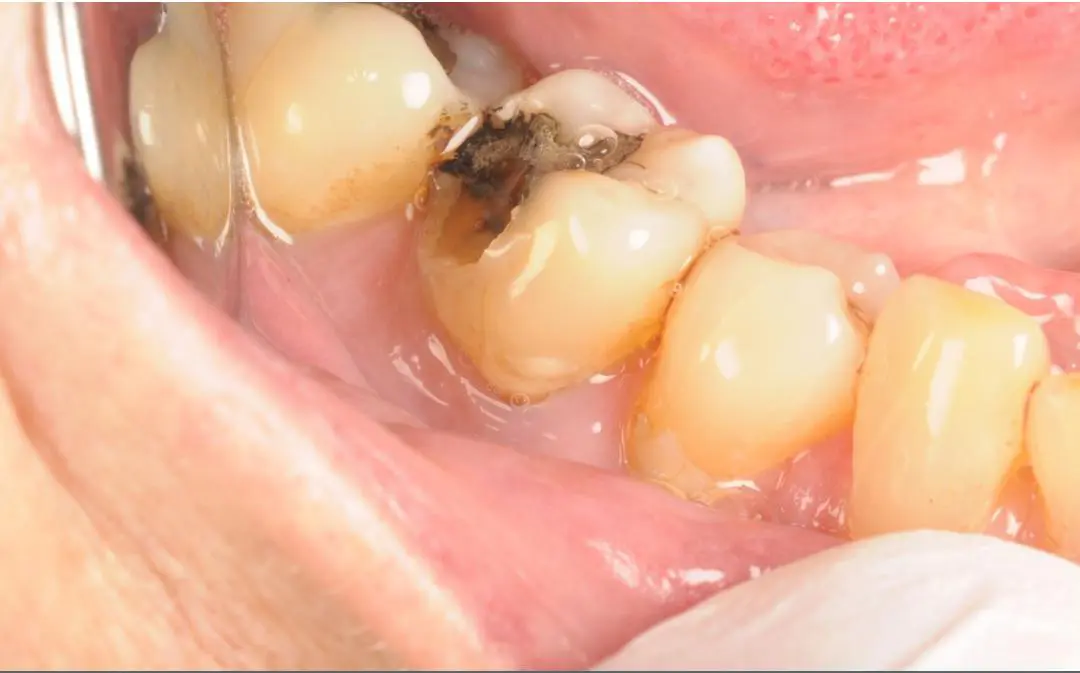
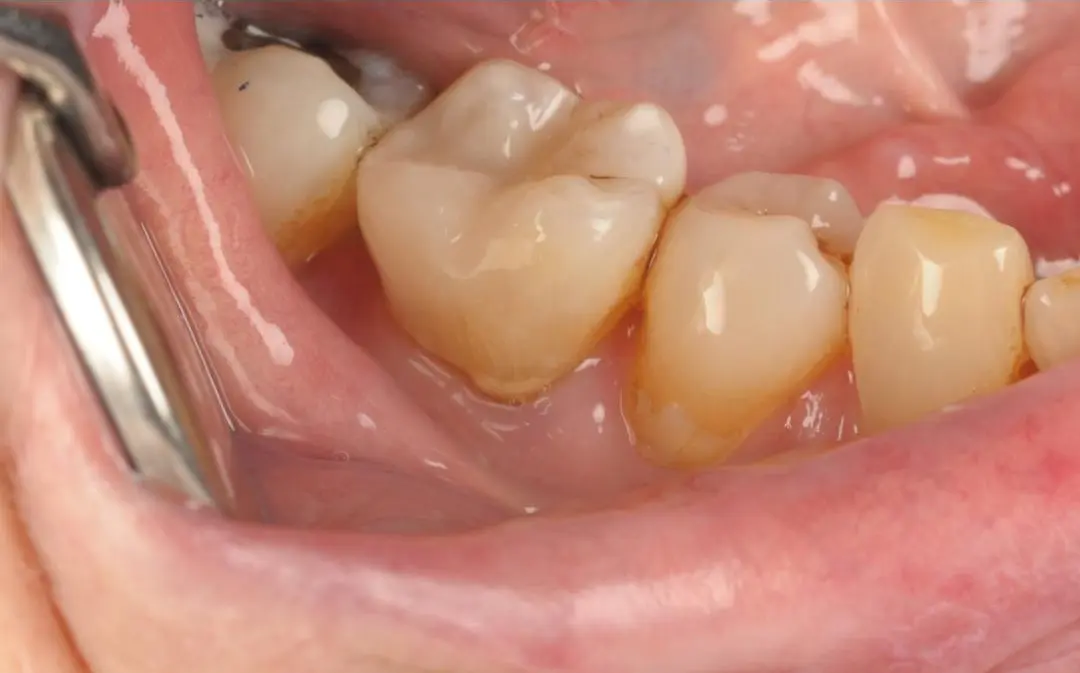
Real Patient Result: Emergency White Filling
Treatment by Dr Kamran
Regular dental hygienist appointments can provide professional cleaning and fluoride applications that offer additional enamel protection. Staying well-hydrated supports overall saliva production, whilst avoiding sugary or acidic foods immediately after inhaler use reduces additional enamel stress. These simple modifications can significantly reduce potential oral health impacts.
The Importance of Regular Dental Monitoring
Asthma patients benefit from regular dental assessments to monitor any changes in oral health over time. Professional examinations can detect early signs of enamel changes before symptoms develop, allowing for prompt preventative intervention. Dental professionals can provide personalised advice based on inhaler types, usage frequency, and individual risk factors.
During dental visits, specific attention to areas commonly affected by inhaler use ensures comprehensive monitoring. Professional fluoride applications may be recommended more frequently for some patients, whilst others might benefit from prescription-strength fluoride products for home use. Preventative dental care approaches can be tailored to complement asthma management routines.
Regular dental care also provides opportunities to discuss any concerns about oral health changes and review prevention strategies. Early detection and intervention can prevent minor issues from developing into more significant problems, maintaining both oral health and quality of life for asthma patients.
Maintaining Oral Health Without Compromising Asthma Management
Effective oral health maintenance for asthma patients requires balancing dental protection with essential respiratory care. Never discontinue or reduce prescribed asthma medications due to dental concerns - respiratory health remains the priority. Instead, focus on optimising preventative dental strategies whilst maintaining consistent asthma management.
Communication between healthcare providers can be valuable, particularly for patients with complex medical histories or multiple medications. Some patients may benefit from alternative inhaler formulations or delivery methods that minimise oral health impacts whilst maintaining therapeutic effectiveness.
The goal is achieving optimal health in both areas through informed prevention strategies. With appropriate precautions and regular professional monitoring, most asthma patients can maintain excellent oral health whilst effectively managing their respiratory condition. Regular dental check-ups provide the foundation for early detection and prevention of any potential issues.
Key Points to Remember
• Asthma inhalers can potentially affect dental enamel through reduced saliva production and pH changes
• Simple prevention strategies like mouth rinsing after inhaler use significantly reduce risks
• Early signs include increased sensitivity, dry mouth, and white spot lesions on teeth
• Regular dental monitoring helps detect changes before symptoms develop
• Never discontinue asthma medications due to dental concerns - prevention strategies can minimise risks
• Professional dental care can be tailored to complement asthma management routines
Frequently Asked Questions
Should I rinse my mouth after every inhaler use?
Yes, rinsing with water immediately after using any inhaler helps remove medication particles and restore normal oral pH levels. This simple step significantly reduces potential impacts on dental enamel whilst ensuring effective asthma management. Gargling and spitting out the water is sufficient - no special mouth rinses are typically necessary for routine prevention.
Can using a spacer device help protect my teeth?
Spacer devices with metered-dose inhalers offer dual benefits - they improve medication delivery to the lungs whilst reducing direct contact with teeth and oral tissues. This helps minimise local medication effects in the mouth while ensuring optimal respiratory treatment. Most respiratory specialists recommend spacers for improved inhaler technique regardless of dental considerations.
How often should asthma patients visit the dentist?
Many asthma patients benefit from dental check-ups every six months, though individual needs may vary based on inhaler types, usage frequency, and overall oral health. Regular monitoring allows early detection of any changes and personalised prevention advice. Your dental team can recommend appropriate intervals based on your specific circumstances and risk factors.
Are certain types of inhalers worse for dental health?
Different inhaler formulations may have varying effects on oral health, but all essential asthma medications should be used as prescribed. Dry powder inhalers, metered-dose inhalers, and nebulisers each have different characteristics. The key is using proper technique and prevention strategies rather than avoiding necessary respiratory treatment.
What should I do if I notice increased tooth sensitivity?
Increased sensitivity in asthma patients warrants dental assessment to determine the cause and appropriate management. This might include professional fluoride applications, desensitising treatments, or adjustments to oral hygiene routines. Early intervention often provides effective relief and prevents progression to more significant problems.
Can I use fluoride mouthwash if I have asthma?
Most fluoride mouth rinses are suitable for asthma patients and may provide additional enamel protection. However, some people with respiratory conditions may be sensitive to certain ingredients or find that alcohol-containing products increase oral dryness. Discuss options with your dental team to identify the most appropriate products for your individual needs.
Conclusion
Understanding the relationship between asthma inhalers and dental enamel empowers patients to maintain excellent oral health whilst effectively managing their respiratory condition. Whilst inhalers can potentially affect dental health through mechanisms such as reduced saliva production and pH changes, simple prevention strategies can significantly minimise these risks.
The key lies in implementing practical measures like mouth rinsing after inhaler use, maintaining excellent oral hygiene, and attending regular dental check-ups for professional monitoring. With appropriate preventative care, the vast majority of asthma patients can avoid dental complications whilst continuing essential respiratory treatment.
Professional dental guidance provides personalised strategies tailored to individual inhaler use patterns and risk factors. Early detection and intervention ensure that minor concerns don't develop into significant problems, supporting both oral and respiratory health long-term. Dental symptoms and treatment options should always be assessed individually during a clinical examination.
Disclaimer
This article is for general educational purposes only and does not constitute dental advice, diagnosis, or treatment. Every patient is different, so symptoms and treatment options should always be assessed by a qualified dental professional during a clinical examination. No specific outcomes are guaranteed.