
Many patients facing the prospect of root canal treatment on their front teeth often feel concerned about the complexity and duration of the procedure. It's natural to search for information about what to expect, particularly when it involves teeth that are so visible when you smile or speak. Understanding why front tooth root canal procedures tend to be more straightforward than those on back teeth can help alleviate anxiety and provide realistic expectations.
Front tooth root canal treatment is often more efficient due to the simpler anatomy of these teeth compared to molars. The incisors and canines at the front of your mouth typically have fewer roots and more accessible root canals, making the cleaning and shaping process more direct. This anatomical advantage often translates to shorter treatment times and potentially fewer appointments.
This article will explore the reasons behind the clinical efficiency of front tooth root canal procedures, examining the anatomical factors, treatment considerations, and what patients can typically expect during the process. We'll also discuss when professional dental assessment becomes necessary and how to maintain optimal oral health following treatment.
Experiencing these symptoms?
Delaying treatment can lead to tooth loss. We have slots available today.
Why Are Front Tooth Root Canals More Straightforward?
Front tooth root canal procedures are often more direct due to the simpler root anatomy of incisors and canines. These teeth typically have single, straight roots with one main canal, unlike back teeth which may have multiple roots and complex canal systems that can branch and curve in various directions.
Understanding Front Tooth Anatomy
The anatomy of front teeth plays a crucial role in determining the efficiency of root canal treatment. Incisors and canines have evolved primarily for cutting and tearing food, which has resulted in a relatively simple internal structure. Each front tooth typically contains a single root with one main pulp chamber and root canal.
This straightforward anatomy contrasts significantly with the complex root systems found in premolars and molars. Back teeth often feature multiple roots, with molars potentially having three or four separate roots, each containing one or more canals. These canals can curve, split, or rejoin, creating a labyrinth that requires careful navigation during treatment.
Meet Dr. Yasha Shirazi
Principal Dentist at Emergency Dentist London
"We treat hundreds of dental emergencies every month. The sooner you come in, the easier the fix usually is."
Book an appointment with our team →The accessibility of front teeth also contributes to treatment efficiency. Their position at the front of the mouth provides dental professionals with better visibility and easier access during the procedure. This improved access allows for more precise instrumentation and thorough cleaning of the canal system.
The Root Canal Treatment Process for Front Teeth
Root canal treatment for front teeth typically follows a systematic approach that takes advantage of their simpler anatomy. The procedure begins with the creation of an access cavity, usually made from the back surface of the tooth to preserve the visible front surface. This approach helps maintain the tooth's natural appearance whilst providing direct access to the pulp chamber.
The single canal system in most front teeth allows for more straightforward cleaning and shaping procedures. Dental professionals can more easily locate and navigate the canal, removing infected or damaged tissue efficiently. The straight, predictable path of front tooth canals reduces the risk of complications such as instrument separation or incomplete cleaning.
Following thorough cleaning and disinfection, the canal is filled with a biocompatible material to seal the space and prevent future infection. The access cavity is then restored, often requiring a filling or crown depending on the extent of the original damage and the amount of remaining tooth structure.
Factors That Influence Treatment Complexity
Whilst front tooth root canals are generally more straightforward, several factors can influence the complexity of individual cases. The extent of infection or damage within the tooth affects treatment duration and complexity. Teeth with extensive decay or those that have been damaged by trauma may require additional steps or multiple appointments.
Previous dental work can also impact treatment efficiency. Front teeth that have had large fillings or crowns may have altered anatomy that requires careful assessment. Additionally, calcification of the root canal, which can occur with age or following trauma, may make the canal more difficult to locate and clean effectively.
Patient-specific factors such as jaw opening limitations or anxiety levels can also influence treatment duration. Some patients may require additional time or sedation options to ensure their comfort throughout the procedure.
Clinical Advantages of Front Tooth Treatment
The clinical advantages of treating front teeth extend beyond simple anatomical considerations. The reduced treatment time often means fewer appointments, which can be beneficial for patients with busy schedules or dental anxiety. The predictable nature of front tooth anatomy also typically results in higher success rates compared to more complex back tooth cases.
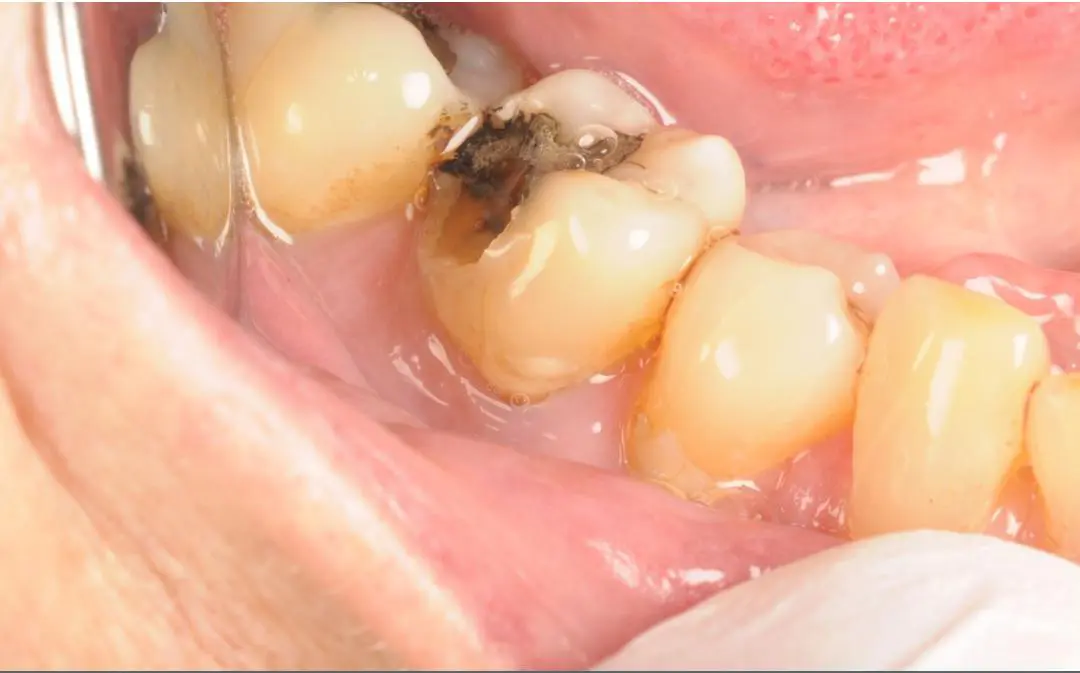
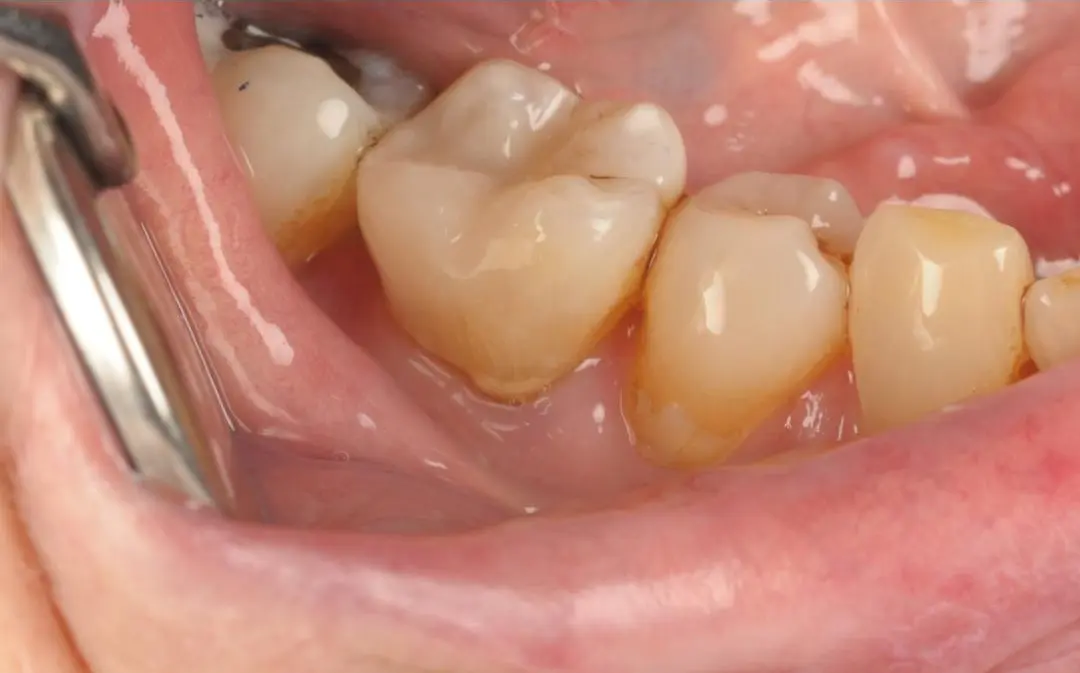
Real Patient Result: Emergency White Filling
Treatment by Dr Kamran
From a restorative perspective, front teeth often respond well to conservative treatment approaches. Many front teeth can be successfully restored with bonded fillings rather than crowns, preserving more natural tooth structure and maintaining better aesthetics.
The visibility of front teeth also means that patients are often highly motivated to maintain good oral hygiene following treatment, which contributes to long-term success. Regular brushing, flossing, and professional cleaning help ensure the longevity of the restored tooth.
When to Seek Professional Dental Assessment
Several symptoms may indicate that a front tooth requires professional evaluation. Persistent pain, particularly when biting or applying pressure to the tooth, can signal problems with the tooth's pulp. Sensitivity to hot or cold temperatures that lingers after the stimulus is removed may also indicate pulp damage.
Visible changes to the tooth, such as darkening or discolouration, can suggest internal damage that requires attention. Swelling in the gums around the tooth or the development of a small bump on the gums may indicate infection that has spread beyond the tooth itself.
Trauma to front teeth, whether from accidents, sports injuries, or biting on hard objects, should always be evaluated promptly. Even if pain is not immediately present, damage to the tooth's pulp can occur and may require treatment to prevent future complications.
Preserving Front Teeth Health
Maintaining the health of front teeth involves consistent oral hygiene practices and protective measures. Regular brushing with fluoride toothpaste and daily flossing help prevent decay that could lead to pulp damage. Using a soft-bristled toothbrush and gentle techniques protects the enamel and gum tissue around these visible teeth.
Protective measures during sports or physical activities can prevent traumatic injuries that might necessitate root canal treatment. Custom-fitted mouthguards provide excellent protection for front teeth during contact sports or activities with fall risks.
Dietary considerations also play a role in front tooth health. Limiting sugary and acidic foods and beverages helps prevent decay, whilst avoiding habits such as ice chewing, nail biting, or using teeth as tools protects against trauma and excessive wear.
Post-Treatment Care and Expectations
Following front tooth root canal treatment, proper care supports healing and long-term success. Some mild discomfort is normal for a few days after treatment and typically responds well to over-the-counter pain medications. Avoiding hard or chewy foods immediately after treatment protects the temporary restoration and allows the tooth to settle.
The final restoration, whether a filling or crown, requires the same care as natural teeth. Regular dental check-ups allow for monitoring of the treated tooth and early detection of any potential issues. Most successfully treated front teeth can function normally for many years with proper care.
Some patients notice slight changes in tooth colour following root canal treatment. Modern restorative techniques and materials can often address these aesthetic concerns effectively, ensuring that treated front teeth blend naturally with the surrounding teeth.
Alternative Treatment Considerations
In some cases, alternative treatments to root canal therapy may be considered for front teeth. Dental implants represent one option when a tooth cannot be saved or when root canal treatment is not suitable. The decision between preservation through root canal treatment and replacement requires careful consideration of various factors.
Factors influencing treatment choice include the amount of remaining healthy tooth structure, the patient's age and overall health, and long-term prognosis. Young patients with plenty of healthy tooth structure often benefit most from root canal treatment, as preserving the natural tooth maintains proper facial development and support.
Cost considerations and treatment timeline also influence decision-making. Root canal treatment often represents a more immediate and cost-effective solution, whilst tooth replacement options may involve longer treatment periods and higher initial costs.
Long-Term Success and Maintenance
The long-term success of front tooth root canal treatment depends largely on the quality of the final restoration and ongoing oral care. Properly treated and restored front teeth can last decades with appropriate maintenance. Regular dental examinations allow for early detection of any complications and ensure that the restoration remains intact.
Signs that may indicate problems with a previously treated tooth include renewed pain, swelling, or changes in tooth colour. Any concerning symptoms should be evaluated promptly to address potential issues before they become more complex.
Maintaining excellent oral hygiene around treated teeth supports overall oral health and helps prevent problems in adjacent teeth. Professional cleanings remove plaque and tartar that regular brushing might miss, particularly in areas that are difficult to reach.
Key Points to Remember
• Front tooth root canal procedures are often more efficient due to simpler anatomy with typically single, straight roots
• The accessible location of front teeth provides better visibility and easier instrumentation during treatment
• Most front teeth can be successfully restored with conservative approaches, preserving natural tooth structure
• Early professional assessment of symptoms can prevent more complex problems and improve treatment outcomes
• Proper post-treatment care and regular dental monitoring support long-term success
• Protective measures and good oral hygiene help prevent future problems requiring root canal treatment
Frequently Asked Questions
How long does a front tooth root canal typically take?
Front tooth root canal treatment often takes between 30-60 minutes, though this can vary depending on the complexity of the individual case. The simpler anatomy of front teeth generally allows for more efficient treatment compared to back teeth, which may require longer appointments or multiple visits.
Will my front tooth look different after root canal treatment?
Modern root canal techniques and restorative materials are designed to maintain the natural appearance of front teeth. The access hole is typically made from the back of the tooth, preserving the visible front surface. Some slight colour changes may occur over time, but these can often be addressed with cosmetic treatments if needed.
Is root canal treatment on front teeth more painful than back teeth?
Pain levels during root canal treatment are generally similar regardless of tooth location, as effective local anaesthesia is used throughout the procedure. Front teeth may actually cause less post-treatment discomfort due to their simpler anatomy and typically shorter treatment times.
Can I eat normally after front tooth root canal treatment?
You should avoid hard or chewy foods for a few days following treatment to protect the temporary restoration and allow healing. Once the permanent restoration is placed and any initial sensitivity has resolved, you can typically return to normal eating habits whilst being mindful of protecting your teeth from trauma.
How successful are front tooth root canal treatments?
Front tooth root canal treatments generally have high success rates when performed appropriately. The simpler anatomy of front teeth contributes to these favourable outcomes, and most treated teeth can function normally for many years with appropriate care and maintenance. Individual outcomes depend on clinical factors assessed at the time of treatment.
What happens if a front tooth root canal fails?
If a front tooth root canal treatment is unsuccessful, options may include retreatment, endodontic surgery, or tooth replacement. The most appropriate approach depends on the specific circumstances of the failure and the amount of healthy tooth structure remaining. Your dentist can discuss the most appropriate options for your individual situation.
Conclusion
Front tooth root canal procedures offer several clinical advantages that often result in more efficient and predictable treatment outcomes. The simpler anatomy, better accessibility, and typically straightforward canal systems of incisors and canines contribute to shorter treatment times and potentially fewer appointments compared to more complex back tooth cases.
Understanding these factors can help patients approach front tooth root canal treatment with realistic expectations and reduced anxiety. The preservation of natural front teeth through successful endodontic treatment maintains both function and aesthetics whilst avoiding the need for more complex tooth replacement procedures.
Maintaining excellent oral hygiene, protecting teeth from trauma, and seeking prompt professional assessment of concerning symptoms all contribute to the long-term success of treated teeth. Regular dental monitoring ensures that any potential issues are identified and addressed early, supporting the longevity of root canal treatment.
Dental symptoms and treatment options should always be assessed individually during a clinical examination.
Disclaimer
This article is provided for educational and informational purposes only and should not be considered as medical or dental advice. Individual dental conditions vary significantly and can only be properly assessed through clinical examination by a qualified dental professional. The information presented should not be used for self-diagnosis or treatment decisions. Treatment outcomes depend on numerous factors evaluated during a comprehensive dental examination. If you have dental concerns, please consult a registered dental professional for personalised advice.