
Many patients feel concerned when told they need root canal treatment on a molar tooth, often wondering why these procedures can be more complex than treatments on front teeth. It's common for people to search online for information about what makes molar root canal procedures different and what factors might influence their treatment.
Understanding the anatomical complexity of molar teeth helps patients appreciate why these procedures require careful planning and specialist expertise. Molars have intricate internal structures with multiple roots and canals, making root canal treatment more detailed than procedures on single-rooted teeth. The back teeth play a crucial role in chewing and grinding food, which means their internal anatomy has evolved to be more complex to support these functions.
This article will explain the anatomical factors that influence molar root canal procedures, helping you understand what makes these treatments unique. We'll explore the structural differences in molar teeth, discuss treatment considerations, and explain when professional dental assessment might be appropriate for symptoms that could indicate root canal issues. For patients comparing timelines, this overview of how long root canal treatment can take offers additional practical context.
Experiencing these symptoms?
Delaying treatment can lead to tooth loss. We have slots available today.
What Makes Molar Root Canal Procedures More Complex?
Molar root canal procedures involve treating infected or damaged tissue within teeth that have multiple roots and intricate canal systems. The complex anatomy of molars, including curved canals, additional root branches, and interconnected pathways, requires specialist techniques and extended treatment time compared to single-rooted teeth.
The Anatomical Structure of Molar Teeth
Molar teeth differ significantly from front teeth in their internal structure. Upper molars typically have three roots, whilst lower molars usually have two roots, though variations can occur. Each root contains one or more canals that house the tooth's nerve and blood supply, known as the dental pulp.
The root canal system in molars can include main canals, accessory canals, and interconnecting channels between roots. These pathways can curve, branch, or merge in ways that make complete cleaning and shaping more challenging. The additional anatomy means that thorough treatment requires careful navigation of each canal system to ensure all infected tissue is removed.
Meet Dr. Yasha Shirazi
Principal Dentist at Emergency Dentist London
"We treat hundreds of dental emergencies every month. The sooner you come in, the easier the fix usually is."
Book an appointment with our team →Upper first molars often present particular complexity, as they may have four separate canals within three roots. The anatomy can vary between individuals, which is why detailed imaging and clinical assessment are essential before beginning treatment.
Root Canal Curvature and Accessibility
The curvature of molar roots presents specific challenges during root canal treatment. Unlike the relatively straight canals of front teeth, molar canals often curve as they extend towards the tooth apex. These curves can make it more difficult to clean the entire length of the canal effectively.
Accessibility also influences treatment complexity. Molars are located at the back of the mouth, making it more challenging to achieve optimal visual access and instrument placement. The opening of the tooth needs to be carefully designed to provide straight-line access to all canal systems whilst preserving as much healthy tooth structure as possible.
Some molar canals may be particularly narrow or calcified, especially in older patients or teeth that have been responding to long-term irritation. These factors can require additional time and specialist techniques to ensure thorough treatment.
Additional Anatomical Variations in Molars
Individual variations in molar anatomy can influence treatment planning and procedure complexity. Some patients may have additional roots or canals that don't follow typical anatomical patterns. Lower molars occasionally have a third root, whilst upper molars might have fused or separated roots that affect the canal configuration.
The age of the patient can also influence the internal anatomy. Over time, the pulp chamber and canals may become smaller due to natural secondary dentine formation. This process can make canal location and treatment more technically demanding, particularly in older patients.
Modern dental imaging techniques help identify these anatomical variations before treatment begins, allowing for appropriate planning and technique selection. Understanding individual anatomy helps ensure that all canal systems are properly treated, and this is closely linked to outcomes discussed in emergency molar root canal treatment scenarios.
When Professional Dental Assessment May Be Needed
Several symptoms might indicate that molar root canal treatment could be necessary. Persistent or severe toothache, particularly when biting down or applying pressure to a back tooth, may suggest pulp inflammation or infection. Sensitivity to hot or cold temperatures that lingers after the stimulus is removed can also indicate pulp problems.
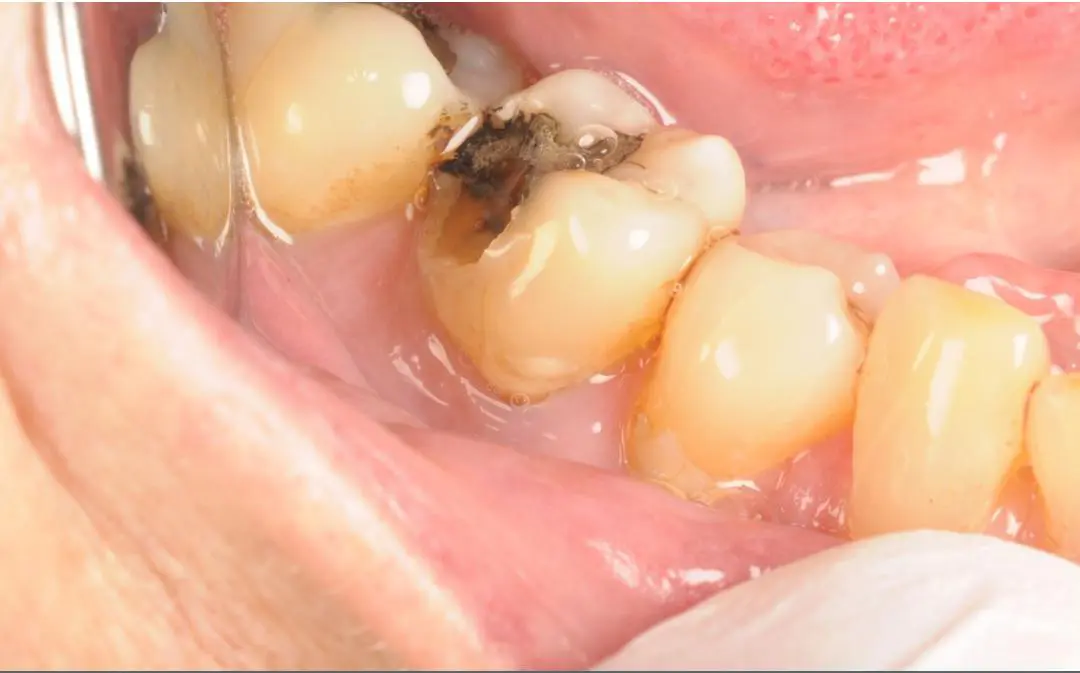
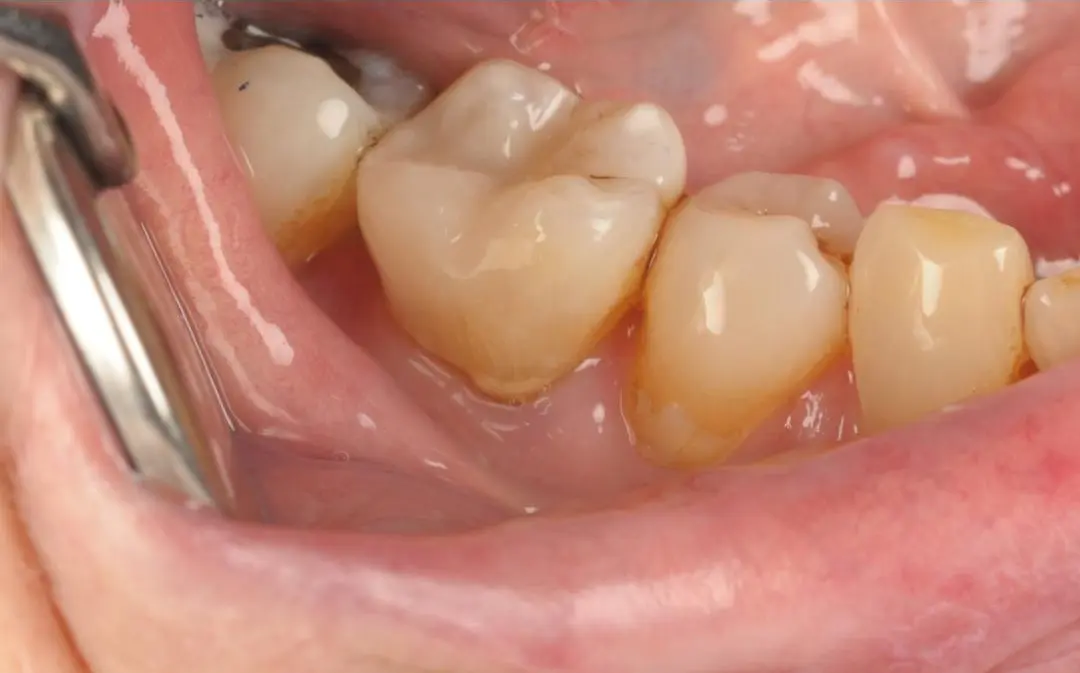
Real Patient Result: Emergency White Filling
Treatment by Dr Kamran
Swelling in the gums near a molar, especially if accompanied by tenderness or a metallic taste, might suggest an infection that has spread beyond the tooth root. Some patients notice that a previously treated molar has developed new symptoms, which could indicate that additional treatment is needed.
Changes in tooth colour, particularly darkening of a molar, can sometimes indicate that the internal pulp has been compromised. Any trauma to a back tooth, even if it initially seems minor, should be assessed promptly as damage to the internal structures may not be immediately apparent.
Treatment Approaches for Complex Molar Anatomy
Modern root canal treatment uses advanced techniques to address the complexity of molar anatomy. Microscopic magnification allows practitioners to better visualise the internal structures and identify all canal systems. Digital imaging provides detailed views of root configuration before and during treatment.
Specialist instruments designed for curved canals help ensure thorough cleaning and shaping whilst maintaining the natural canal anatomy. Flexible files can navigate curved pathways more safely than rigid instruments, reducing the risk of complications during treatment.
The treatment process typically involves multiple appointments for complex molars, allowing time for thorough disinfection between visits. This staged approach helps ensure that all areas of infection are properly addressed before the tooth is permanently sealed, after which decisions about final fillings versus crowns become important.
Prevention and Oral Health Maintenance
Maintaining good oral hygiene helps prevent the conditions that might lead to molar root canal problems. Regular brushing with fluoride toothpaste and daily flossing are particularly important for back teeth, where food particles and bacteria can accumulate more easily.
Avoiding hard foods that could crack or damage molars helps protect these structurally important teeth. Using a night guard if you grind your teeth can prevent excessive wear and potential damage to the internal structures.
Regular dental check-ups allow for early detection of problems that might affect molar health. Professional cleaning helps remove plaque and tartar buildup that could contribute to decay or gum disease around these complex teeth.
Key Points to Remember
• Molar teeth have complex internal anatomy with multiple roots and canals that influence treatment complexity
• Root curvature and accessibility factors make molar root canal procedures more technically demanding
• Individual anatomical variations require careful assessment and planning before treatment
• Modern techniques and instruments help address the challenges of complex molar anatomy
• Early detection and prevention through good oral hygiene help maintain molar health
• Professional assessment is important for persistent pain or sensitivity in back teeth
Frequently Asked Questions
How long does a molar root canal procedure typically take?
Molar root canal treatment often requires multiple appointments due to the complex anatomy. Each appointment may take 60-90 minutes, with most cases requiring 2-3 visits to complete thoroughly. The exact timeframe depends on individual anatomy and the extent of infection or damage present.
Is molar root canal treatment more uncomfortable than treatment on front teeth?
Modern anaesthetic techniques ensure that molar root canal procedures are comfortable during treatment. Some patients may experience mild discomfort afterwards due to the longer procedure time and complex anatomy, but this typically resolves within a few days with appropriate pain management.
Can all molars be saved with root canal treatment?
The success of molar root canal treatment depends on factors including the extent of damage, bone support, and individual anatomy. Most molars can be successfully treated when infection is detected early and sufficient tooth structure remains to support restoration.
Cost and restoration planning also influence treatment choices, so patients may find it useful to review both transparent root canal pricing in London and guidance on whether a crown is needed after root canal treatment.
What happens if a molar root canal fails?
If initial treatment is unsuccessful, retreatment may be possible depending on the specific circumstances. Some cases might benefit from surgical approaches or alternative treatments. The best option depends on individual assessment of the tooth's condition and surrounding structures.
How can I tell if my molar might need root canal treatment?
Common signs include persistent pain when biting, prolonged sensitivity to temperature, spontaneous pain, or swelling near the tooth. However, some cases develop without obvious symptoms, which is why regular dental examinations are important for early detection.
Are there alternatives to molar root canal treatment?
Depending on the condition of the tooth, alternatives might include extraction followed by replacement with a dental implant, bridge, or partial denture. The most appropriate option depends on individual circumstances, bone condition, and overall oral health factors.
Conclusion
Understanding the anatomical complexity of molar teeth helps patients appreciate why root canal procedures on these teeth require specialist expertise and careful planning. The multiple roots, curved canals, and individual variations that characterise molar anatomy influence both treatment approach and success rates.
Modern dental techniques and technology have significantly improved outcomes for complex molar root canal procedures. Microscopic visualisation, advanced imaging, and flexible instruments allow practitioners to navigate intricate canal systems more effectively than ever before.
Maintaining good oral hygiene and seeking prompt dental assessment for symptoms affecting back teeth helps preserve these important structures. Early intervention often leads to more straightforward treatment and better long-term outcomes.
Dental symptoms and treatment options should always be assessed individually during a clinical examination.
Disclaimer
This article is for general educational purposes only and does not constitute dental advice, diagnosis, or treatment. Every patient is different, so symptoms and treatment options should be assessed by a qualified dental professional during a clinical examination. No specific outcomes are guaranteed.