
Following root canal treatment, many patients find themselves wondering about the next steps for restoring their tooth. The choice between a final filling and a crown represents an important decision that affects both the function and longevity of the treated tooth. Understanding these post-root canal restoration options helps patients make informed decisions about their ongoing dental care.
Root canal therapy removes infected or damaged tissue from inside the tooth, leaving the remaining tooth structure requiring protection and restoration. The selection of appropriate restoration depends on various factors including the amount of remaining tooth structure, the tooth's position, and its role in chewing function. Both final fillings and crowns serve as effective restoration methods, each offering distinct advantages depending on individual circumstances.
This article explains the key differences between post-root canal restoration options, helping patients understand when each treatment approach may be suitable. Professional dental assessment remains essential for determining the most appropriate restoration choice for individual clinical situations.
Experiencing these symptoms?
Delaying treatment can lead to tooth loss. We have slots available today.
What's the difference between final fillings and crowns after root canal treatment?
Final fillings restore teeth with adequate remaining structure using composite or amalgam materials, whilst crowns provide comprehensive protection by covering the entire visible tooth surface. The choice between post-root canal restoration options depends on the amount of remaining tooth structure and the tooth's functional requirements.
Understanding Post-Root Canal Tooth Structure
After root canal treatment, the affected tooth undergoes significant structural changes that influence restoration choices. The removal of infected pulp tissue, along with the access cavity created during treatment, reduces the tooth's overall strength and integrity. This structural alteration means the tooth requires appropriate protection to withstand normal chewing forces and prevent future complications.
The remaining tooth structure varies considerably between cases. Some teeth retain substantial healthy tooth material, particularly when root canal treatment addresses infection in its early stages. Others may have extensive decay or previous large fillings, leaving minimal sound tooth structure. Understanding these structural considerations helps explain why different restoration approaches suit different clinical situations.
Meet Dr. Yasha Shirazi
Principal Dentist at Emergency Dentist London
"We treat hundreds of dental emergencies every month. The sooner you come in, the easier the fix usually is."
Book an appointment with our team →Teeth that have undergone root canal treatment also lose their natural moisture content over time, potentially making them more brittle than vital teeth. This change emphasises the importance of selecting appropriate restoration that provides adequate protection whilst maintaining natural function and appearance.
Final Filling Restoration Options
Final fillings represent a conservative restoration approach suitable for teeth with adequate remaining structure after root canal treatment. These restorations typically use composite resin or amalgam materials to seal the access cavity and restore the tooth's original shape and function. Composite fillings offer excellent aesthetics and bond directly to tooth structure, making them particularly suitable for front teeth.
The placement process involves careful cleaning and preparation of the cavity, followed by incremental filling placement to ensure optimal adaptation and strength. Modern composite materials provide durability and natural appearance whilst preserving maximum healthy tooth structure. This approach works well when the remaining tooth walls are thick enough to withstand normal chewing forces.
Final fillings offer the advantage of being less invasive than crown preparation, requiring minimal removal of additional tooth structure. They also typically cost less than crown restorations and can often be completed in a single appointment. However, their suitability depends on having sufficient remaining tooth structure to support the restoration long-term.
Crown Restoration for Maximum Protection
Dental crowns provide comprehensive protection by covering the entire visible portion of the tooth above the gum line. This restoration approach proves particularly beneficial for teeth with extensive structural loss or those subjected to heavy chewing forces. Crowns distribute biting forces more evenly across the remaining tooth structure, reducing the risk of fracture.
The crown preparation process involves reshaping the tooth to accommodate the crown material, whether porcelain, metal, or a combination of both. Modern crown materials offer excellent strength and natural appearance, with porcelain crowns providing superior aesthetics for visible teeth. The fabrication process typically requires multiple appointments to ensure proper fit and function.
Crowns excel at protecting weakened tooth structure whilst restoring full chewing function. They prove particularly suitable for back teeth that endure significant biting forces or teeth with large existing restorations. The comprehensive coverage helps prevent future decay around the restoration margins when proper oral hygiene is maintained.
Clinical Factors Influencing Restoration Choice
Several clinical factors guide the selection between final fillings and crowns for post-root canal restoration. The amount and quality of remaining tooth structure represents the primary consideration, with extensive structural loss favouring crown restoration. Teeth with intact buccal and lingual walls may be suitable for filling restoration, whilst those with significant cusp involvement typically benefit from crown protection.
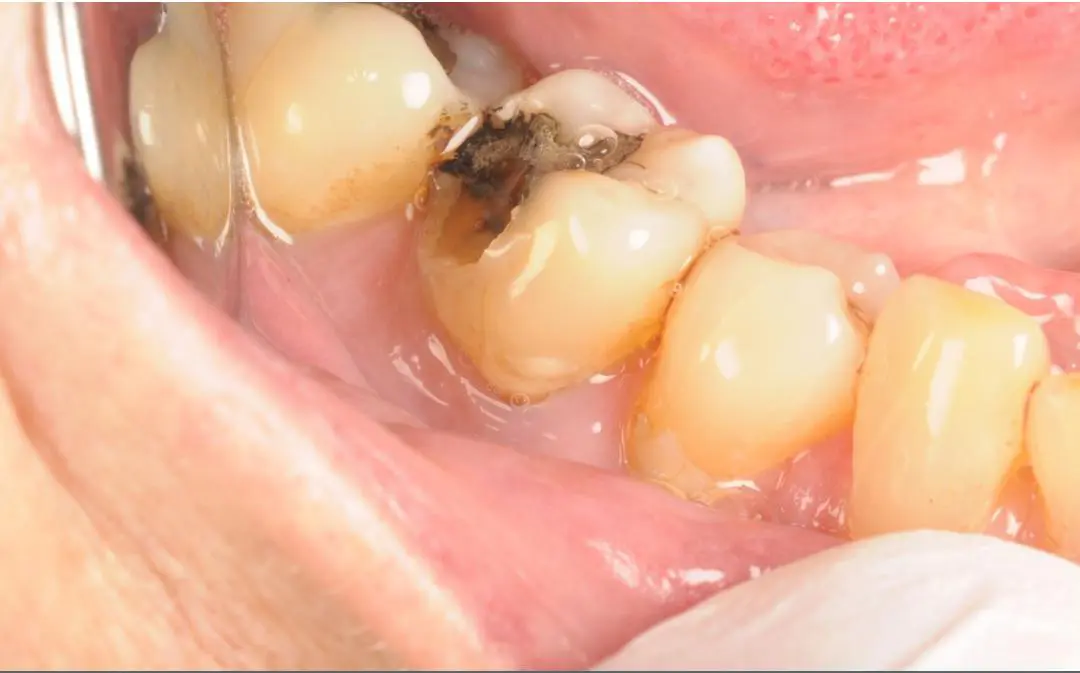
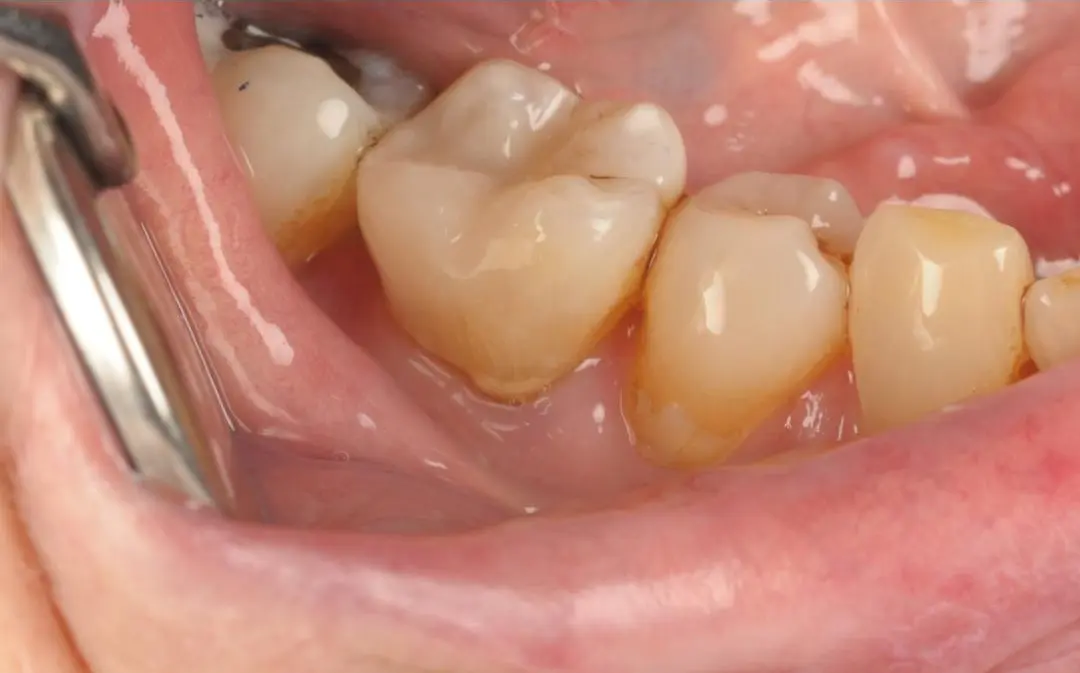
Real Patient Result: Emergency White Filling
Treatment by Dr Kamran
The tooth's position and function within the dental arch also influences restoration choice. Molars and premolars that bear substantial chewing forces often require crown protection, regardless of remaining structure. Front teeth with adequate remaining structure may be successfully restored with composite fillings, particularly when aesthetics is a primary concern.
Existing restorations and decay patterns also impact decision-making. Teeth with large existing fillings or recurrent decay typically benefit from crown restoration, which provides better long-term protection. The patient's oral hygiene levels and caries risk may also influence the choice, with crowns offering better protection for high-risk individuals.
When Professional Assessment May Be Needed
Professional dental evaluation becomes important when experiencing persistent discomfort following root canal treatment or when existing temporary restorations show signs of wear or damage. Symptoms such as sensitivity to temperature changes, pain when biting, or visible cracks in the tooth warrant prompt professional assessment to prevent complications.
Changes in bite alignment or difficulty chewing may indicate issues with existing restorations that require professional evaluation. Swelling, persistent bad taste, or signs of infection around treated teeth should be assessed promptly to ensure appropriate treatment. Regular dental check-ups help monitor the condition of post-root canal restorations and identify potential issues before they become problematic.
Patients considering emergency dental care should be aware that prompt professional assessment helps prevent minor issues from developing into more complex problems requiring extensive treatment.
Protecting Your Restored Tooth Long-term
Maintaining excellent oral hygiene represents the foundation of long-term success for any post-root canal restoration. Regular brushing with fluoride toothpaste and daily flossing help prevent decay around restoration margins and maintain healthy gum tissue. Professional dental cleaning appointments allow for thorough assessment of restoration condition and early identification of potential issues.
Avoiding excessive forces on restored teeth helps prevent complications such as restoration failure or tooth fracture. Patients should avoid chewing hard objects like ice, pencils, or hard sweets, and consider wearing a night guard if they grind their teeth during sleep. These preventative measures significantly extend the lifespan of post-root canal restorations.
Regular monitoring through routine dental examinations allows for early detection of any changes in restoration integrity or surrounding tissues. Professional assessment can identify worn restorations, developing decay, or other issues before they require extensive treatment. This proactive approach helps maintain optimal oral health and preserve the investment in root canal treatment and restoration.
Key Points to Remember
• Final fillings suit teeth with adequate remaining structure, offering conservative restoration with good aesthetics
• Crowns provide comprehensive protection for extensively damaged teeth, particularly those subject to heavy chewing forces
• Clinical factors including remaining tooth structure, position, and function guide restoration choice
• Professional assessment determines the most suitable restoration approach for individual circumstances
• Proper oral hygiene and regular monitoring ensure long-term restoration success
• Both restoration options can provide excellent long-term results when appropriately selected and maintained
Frequently Asked Questions
How long do final fillings last compared to crowns after root canal treatment?
Final fillings typically last 5-10 years with proper care, whilst crowns often provide 10-15 years or longer of service, though actual longevity varies considerably between individuals depending on clinical factors, oral hygiene, and habits. The longevity depends on factors such as restoration quality, oral hygiene, and chewing habits. Crowns generally offer greater durability due to their comprehensive coverage, but both restoration types can provide excellent long-term results when appropriately selected and maintained through regular dental care.
Can I choose between a filling and crown after root canal treatment?
The choice between restoration options depends primarily on clinical factors rather than patient preference alone. Teeth with adequate remaining structure may be suitable for either restoration type, allowing for patient input in the decision-making process. However, extensive structural loss typically necessitates crown restoration for optimal protection. Professional assessment determines which options are clinically appropriate for individual circumstances.
Will I need a temporary restoration before my final crown?
Crown restoration typically requires a temporary crown between preparation and final placement appointments. The temporary restoration protects the prepared tooth and maintains function whilst the permanent crown is fabricated. Understanding the benefits of fluoride-releasing temporary fillings can help patients appreciate the protective role these materials play during this interim period. Modern temporary materials provide adequate strength and appearance for the interim period, usually lasting 2-3 weeks. Patients should avoid sticky foods and chew carefully on temporary restorations to prevent displacement.
Is crown restoration more expensive than final filling?
Crown restoration generally involves higher costs than final filling due to the additional laboratory fabrication and multiple appointments required. However, the investment often proves worthwhile for teeth requiring comprehensive protection, potentially preventing future complications and more extensive treatment. Treatment costs vary depending on materials selected and individual clinical requirements. Professional consultation provides accurate cost estimates for specific situations.
Can final fillings fail after root canal treatment?
Final fillings can experience wear, fracture, or marginal breakdown over time, particularly in teeth subjected to heavy chewing forces. Regular dental examinations help identify early signs of restoration deterioration before complications develop. Maintaining excellent oral hygiene and avoiding excessive forces on restored teeth significantly reduces the risk of filling failure and extends restoration lifespan.
How do I care for my tooth after crown or filling placement?
Post-restoration care involves maintaining excellent oral hygiene through regular brushing and flossing around the restoration margins. Avoiding hard foods and objects helps prevent damage to both the restoration and underlying tooth structure. Regular dental check-ups allow for professional monitoring of restoration condition and early identification of any issues. Professional guidance on specific care requirements ensures optimal long-term results for dental restorations.
Conclusion
The choice between final fillings and crowns for post-root canal restoration depends on multiple clinical factors, with remaining tooth structure and functional requirements playing primary roles in treatment planning. Both restoration approaches offer excellent outcomes when appropriately selected and properly maintained through consistent oral hygiene and regular professional monitoring.
Understanding the differences between these post-root canal restoration options helps patients appreciate the importance of professional assessment in determining the most suitable treatment approach. The investment in appropriate restoration significantly extends the lifespan of root canal-treated teeth whilst maintaining optimal function and appearance.
Dental symptoms and treatment options should always be assessed individually during a clinical examination.
Disclaimer
This article is provided for educational purposes only and does not constitute professional dental or medical advice. Individual dental conditions and treatment requirements vary significantly between patients and clinical situations. The suitability of final fillings or crowns can only be determined through direct clinical assessment by a qualified dental professional. No guarantee of treatment outcomes or restoration longevity is implied. Patients with dental symptoms or concerns about existing dental work should seek prompt professional evaluation.