
If you are experiencing a painful, swollen jaw and suspect you may have a dental abscess, you are likely searching for answers about what happens next — and whether the affected tooth can simply be removed. This is one of the most common questions patients ask when dealing with an acute dental infection, and it is entirely understandable to want swift relief.
A dental abscess is a collection of pus caused by a bacterial infection, typically forming at the root of a tooth or in the surrounding gum tissue. The pain can be intense, and the swelling can feel alarming, which is why many people wonder whether tooth extraction with an active dental abscess is possible.
This article explains the clinical considerations involved, what your dentist may assess before deciding on treatment, and why professional evaluation is always the right first step. Understanding the process can help you approach your dental appointment with confidence and realistic expectations. If you are also planning recovery, you may find our guide on how long pain usually lasts after an emergency extraction useful.
Experiencing these symptoms?
Delaying treatment can lead to tooth loss. We have slots available today.
Can a Tooth Be Extracted During an Active Dental Abscess?
Tooth extraction with an active dental abscess is sometimes possible, but whether it is appropriate depends on the severity of the infection, its spread, and the individual patient's health. In many cases, a dentist may first prescribe antibiotics to reduce infection before proceeding. Each case requires individual clinical assessment.
What Is a Dental Abscess?
A dental abscess is a localised bacterial infection that produces a pocket of pus within the tooth, its root, or the surrounding gum and bone. There are two main types commonly seen in dental practice:
- Periapical abscess — this forms at the tip of the tooth's root, usually as a result of untreated tooth decay, a cracked tooth, or failed root canal treatment. Bacteria travel through the pulp (the soft inner tissue of the tooth) and cause infection at the root tip.
- Periodontal abscess — this develops in the gum tissue alongside a tooth, often associated with gum disease.
The infection typically begins when bacteria enter the tooth through decay, a chip, or a fracture. Once inside, bacteria multiply rapidly within the dental pulp, eventually spreading beyond the tooth itself. Without treatment, the infection can extend into surrounding bone and soft tissue.
Meet Dr. Yasha Shirazi
Principal Dentist at Emergency Dentist London
"We treat hundreds of dental emergencies every month. The sooner you come in, the easier the fix usually is."
Book an appointment with our team →Understanding the anatomy of the tooth is important here. The dental pulp contains nerves and blood vessels. When infection takes hold, the pressure builds, causing the throbbing pain many patients describe. The body's immune response triggers swelling and, in some cases, a visible lump or swelling on the gum.
Can Extraction Take Place During an Active Infection?
This is the central question for many patients, and the honest answer is: it depends on the clinical situation.
Historically, there was a widely held belief in dentistry that a tooth should never be extracted in the presence of an acute infection. While this principle still guides clinical caution, modern dental practice recognises that the situation is more nuanced.
In some cases, extraction of the affected tooth during an active abscess is clinically appropriate and can itself help to drain the infection and relieve pressure. However, several factors influence this decision:
- Severity and spread of infection — if infection is localised and manageable, extraction may proceed. If it has spread significantly into surrounding tissues or caused facial swelling, other interventions may be prioritised first.
- Effectiveness of local anaesthetic — infected tissue is more acidic, which can reduce how effectively local anaesthetic works, potentially making the area more difficult to numb adequately.
- Patient's overall health — certain medical conditions, such as compromised immune function or blood disorders, may affect treatment planning.
- Risk of infection spreading — in some situations, manipulation of an acutely infected tooth could risk spreading bacteria further.
Your dentist will assess all of these factors during your appointment. If you are experiencing dental pain and swelling in London, you can explore your options through our emergency dental services to arrange a prompt clinical assessment.
The Role of Antibiotics Before Extraction
When a dental abscess is severe, spreading, or causing systemic symptoms such as fever, difficulty swallowing, or significant facial swelling, your dentist may prescribe a course of antibiotics before proceeding with extraction or other treatment.
Antibiotics are not a cure for a dental abscess — they treat the bacterial infection but do not resolve the underlying dental cause. The tooth or its infection source will still require definitive treatment. However, antibiotics can:
- Reduce the extent of active infection
- Help improve the effectiveness of local anaesthetic at the time of treatment
- Lower the risk of infection spreading
It is important to note that antibiotics alone should never be considered a long-term solution. They are typically used as a bridge to allow safe, effective dental treatment to take place.
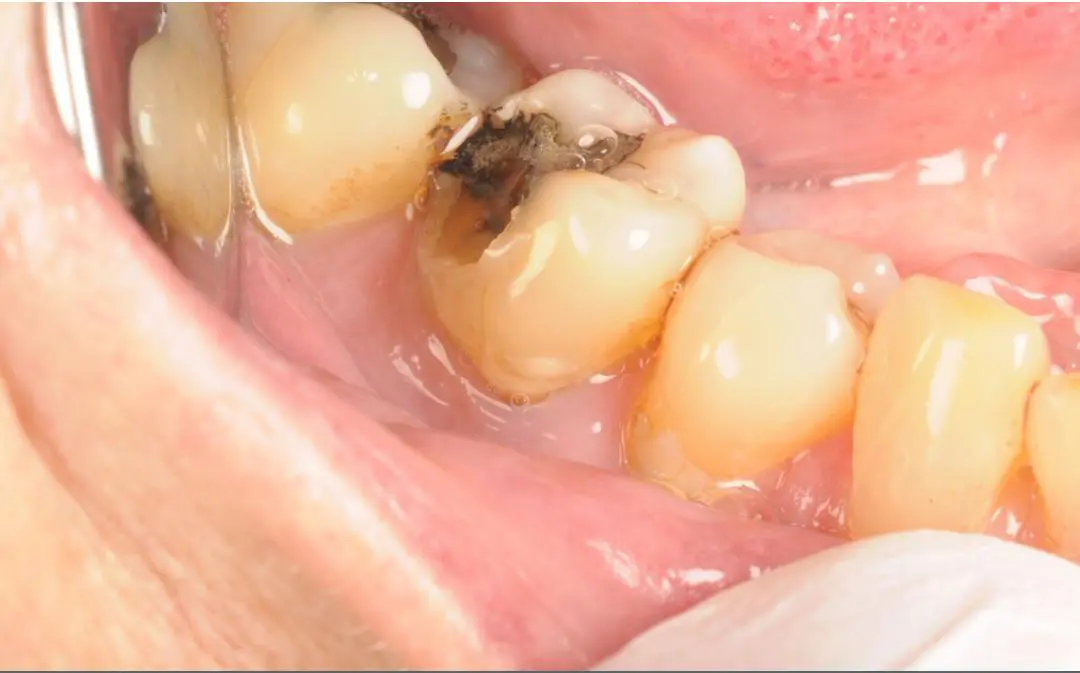
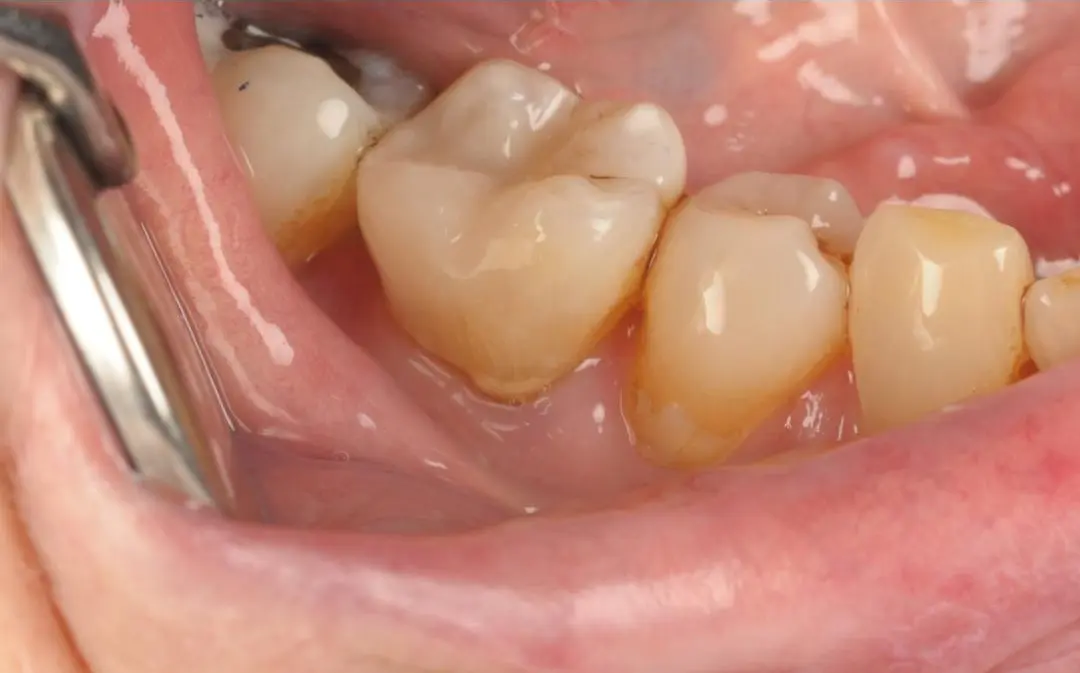
Real Patient Result: Emergency White Filling
Treatment by Dr Kamran
Alternative Treatments: When Extraction May Not Be the Only Option
Extraction is not always the first or only treatment path. Depending on the tooth's condition, location, and restorability, a dentist may discuss alternatives such as:
- Root canal treatment (endodontics) — this involves removing the infected pulp tissue from within the tooth, cleaning and shaping the root canals, and sealing them. This can save the tooth while resolving the infection. If you would like to understand more about this procedure, our page on root canal treatment provides further detail.
- Incision and drainage — in some cases, particularly with a periodontal abscess, the dentist may make a small incision to drain the pus directly, providing immediate relief while the infection is managed.
The most suitable option will depend on your individual clinical presentation, which is why a thorough examination is essential before any treatment decision is made.
When to Seek Professional Dental Advice
Certain symptoms suggest that dental assessment should not be delayed. If you experience any of the following, contacting a dental practice promptly is advisable:
- Persistent, severe or throbbing toothache
- Swelling of the jaw, cheek, or neck
- Sensitivity to heat or cold that lingers
- A bad taste in your mouth or foul-smelling breath
- Fever or feeling generally unwell
- Difficulty opening your mouth or swallowing
Swelling that extends to the neck or causes difficulty breathing or swallowing requires urgent medical attention, as this may indicate that infection has spread beyond the oral cavity. In such cases, attending an emergency department may be more appropriate than waiting for a dental appointment.
If you notice persistent oozing after treatment, this advice on what to do if bleeding continues after a tooth extraction may help you decide when to seek urgent review.
If you are unsure whether your symptoms need urgent attention, our emergency dental advice page can help guide you on next steps.
Prevention and Oral Health Advice
While not all dental abscesses are entirely preventable, maintaining good oral health significantly reduces the risk of developing one. Practical steps include:
- Brushing twice daily with a fluoride toothpaste to reduce bacterial plaque
- Flossing or using interdental brushes daily to clean between teeth
- Attending regular dental check-ups so that early decay or gum disease can be identified and treated before it progresses
- Avoiding sugary foods and drinks that promote bacterial growth and tooth decay
- Addressing dental problems promptly rather than waiting — early treatment is often simpler and less invasive than treating an established infection
Key Points to Remember
- A dental abscess is a bacterial infection that produces a pocket of pus at the root of a tooth or in surrounding tissue.
- Tooth extraction with an active dental abscess may be possible, but suitability depends entirely on a clinical assessment.
- Antibiotics are sometimes prescribed before treatment to reduce infection, but they do not resolve the underlying dental cause.
- Root canal treatment may be an alternative to extraction in some cases.
- Severe or spreading infection — particularly with facial or neck swelling — requires prompt professional attention.
- Regular dental visits and good oral hygiene are the most effective ways to reduce the risk of developing a dental abscess.
Frequently Asked Questions
Is it dangerous to extract a tooth when there is an active abscess?
There are clinical risks to consider when extracting a tooth during an active infection, including reduced effectiveness of local anaesthetic and the potential for infection to spread. However, extraction during an abscess is sometimes the most appropriate course of action, particularly when the infection is localised. Your dentist will assess the risks and benefits based on your specific situation before recommending any treatment. It is always best to seek professional advice rather than attempting to manage a dental abscess at home.
Will a dentist always prescribe antibiotics before extracting an abscessed tooth?
Not necessarily. Antibiotic prescription depends on the severity and extent of the infection, as well as your overall health. For localised infections where extraction can safely proceed, antibiotics may not be required beforehand. However, if the infection is spreading or causing systemic symptoms such as fever, antibiotics are likely to be recommended before treatment takes place. Your dentist will make this decision based on your clinical presentation.
How long does it take for a dental abscess to clear after extraction?
Recovery varies between individuals and depends on how extensive the infection was at the time of treatment. Many patients notice significant relief from pain and pressure immediately after extraction or drainage. However, any prescribed antibiotics should always be completed in full. The healing process for the extraction site itself typically takes several weeks, though this varies. Your dentist will provide specific aftercare guidance based on your circumstances.
Can a dental abscess go away on its own without treatment?
A dental abscess is unlikely to resolve without professional treatment. In some cases, an abscess may rupture spontaneously, temporarily reducing pain — but this does not mean the infection has cleared. The underlying cause remains and the infection can return or spread further. Dental abscesses should always be assessed and treated by a qualified dental professional. Delaying treatment may lead to more complex management being required.
What happens if a dental abscess is left untreated?
If left untreated, a dental abscess can spread to surrounding teeth, bone, and soft tissue. In more serious cases, bacteria can enter the bloodstream, potentially causing complications that extend beyond the mouth. Significant facial or neck swelling following a dental abscess should be treated as a medical concern. Seeking timely dental assessment is important not only for oral health but for overall wellbeing. This article does not constitute medical advice — please seek professional evaluation promptly if you are concerned.
Does a dental abscess always mean the tooth needs to be removed?
Not always. Whether a tooth needs to be extracted depends on the extent of damage caused by the infection and whether the tooth can be restored to function. Root canal treatment is an alternative that removes the infected tissue while preserving the natural tooth. The decision between extraction and other treatments is made on a case-by-case basis during a clinical examination, taking into account the tooth's condition, your oral health, and your personal preferences.
Conclusion
Understanding what happens when a dental abscess is present — and whether tooth extraction is appropriate — can help reduce anxiety and support informed decision-making about your dental care. The key takeaway is that tooth extraction with an active dental abscess is not a straightforward yes or no answer; it depends on the nature and severity of the infection, the patient's overall health, and the clinical judgement of the treating dentist.
In many situations, treatment can proceed, and the extraction itself may aid in resolving the infection. In others, antibiotics or drainage may be recommended first to stabilise the situation. Alternative treatments such as root canal therapy may also be considered to preserve the tooth where possible.
If you are experiencing symptoms that concern you, do not wait for them to worsen. Early assessment gives you a better opportunity for a straightforward, effective outcome.
Dental symptoms and treatment options should always be assessed individually during a clinical examination.
Disclaimer: This article is intended for general educational purposes only and does not constitute personalised dental advice. Individual diagnosis and treatment recommendations require a clinical examination by a qualified dental professional.
Next Review Due: 04 November 2027