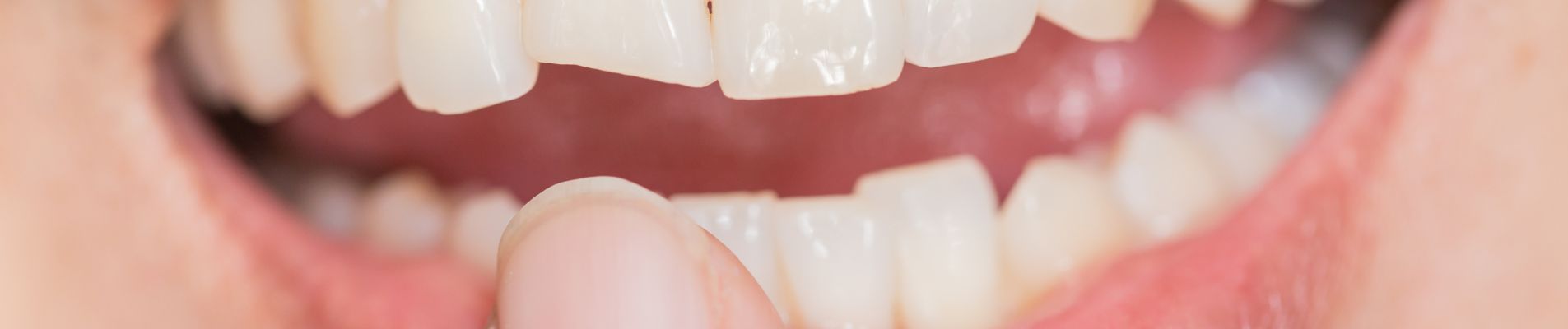
Many adults experience the unsettling sensation of their wisdom teeth appearing to push against their front teeth, causing concern about potential crowding or movement. This common dental worry often prompts people to search for immediate answers online, particularly when they notice changes in their smile or feel pressure in their mouth.
Understanding the relationship between wisdom teeth and dental alignment is crucial for making informed decisions about your oral health. Whilst the connection between wisdom teeth and front tooth movement has been debated in dental literature, the discomfort and pressure you may experience are very real concerns that deserve proper attention.
This article will explore the mechanisms behind wisdom tooth pressure, examine whether wisdom teeth can genuinely cause front teeth to shift, and provide guidance on when professional dental assessment may be beneficial. We'll also discuss management options and preventative measures to help maintain your dental alignment and overall oral health throughout this natural developmental process.
Experiencing these symptoms?
Delaying treatment can lead to tooth loss. We have slots available today.
Can Wisdom Teeth Really Push Front Teeth Forward?
Research suggests that wisdom teeth alone rarely cause significant front tooth crowding. Dental alignment changes typically result from multiple factors including natural ageing, jaw growth patterns, and existing orthodontic conditions rather than solely from wisdom tooth pressure.
Understanding Wisdom Tooth Development and Pressure
Wisdom teeth, or third molars, typically emerge between ages 17 and 25, often when there's insufficient space in the jaw. This lack of space can create a sensation of pressure that many people interpret as their wisdom teeth "pushing" other teeth forward.
The human jaw has evolved to become smaller over thousands of years, whilst tooth size has remained relatively constant. This evolutionary mismatch means many people simply don't have adequate room for their wisdom teeth to emerge properly, leading to impaction or partial eruption.
Meet Dr. Yasha Shirazi
Principal Dentist at Emergency Dentist London
"We treat hundreds of dental emergencies every month. The sooner you come in, the easier the fix usually is."
Book an appointment with our team →When wisdom teeth attempt to emerge in a crowded mouth, they may grow at angles or remain trapped beneath the gum line. This process can create genuine discomfort and pressure sensations that extend throughout the dental arch, making it feel as though your entire bite is shifting. If that pressure is centred around a tooth that feels trapped or only partly erupting, our guide on toothache from an impacted tooth explains the pattern in more detail.
The Science Behind Dental Alignment Changes
Dental research has shown that front tooth crowding often occurs independently of wisdom tooth presence. Studies comparing people who have had their wisdom teeth removed with those who haven't show similar rates of front tooth movement over time.
Natural dental changes occur throughout life due to several factors. Your teeth naturally drift forward as part of the ageing process, influenced by chewing forces, tongue pressure, and changes in supporting bone structure. Additionally, if you previously wore braces, some degree of relapse is normal without proper retainer use.
Jaw growth patterns also continue into early adulthood, potentially affecting how teeth fit together. These complex interactions mean that attributing front tooth movement solely to wisdom teeth oversimplifies the true causes of dental alignment changes.
Symptoms and Signs of Wisdom Tooth Issues
Common symptoms associated with problematic wisdom teeth include aching or throbbing pain at the back of your mouth, particularly when chewing. You might experience swelling or tenderness in the gums surrounding the emerging tooth, sometimes accompanied by difficulty opening your mouth fully.
Some people notice bad breath or an unpleasant taste, especially if food particles become trapped around a partially erupted wisdom tooth. If that sounds familiar, our article on a bad taste from the back of the mouth and an infected wisdom tooth may be useful. Headaches and jaw pain can also occur, as the pressure from emerging teeth affects surrounding muscles and joints.
If you're experiencing persistent discomfort, difficulty cleaning the area properly, or noticeable changes in your bite, these symptoms warrant professional evaluation. Swelling behind the last tooth can also point towards inflammation around the erupting area, and our guide on swollen gum behind the last molar and pericoronitis explains why that deserves attention. A dentist can assess whether your wisdom teeth are emerging normally or require intervention.
When Professional Dental Assessment May Be Helpful
Certain situations indicate that emergency dental care may be beneficial for wisdom tooth concerns. Severe pain that interferes with eating or sleeping suggests the need for professional evaluation, as does swelling that extends beyond the immediate tooth area.


Real Patient Result: Emergency White Filling
Treatment by Dr Kamran
Signs of infection, including fever, persistent bad taste, or pus around the tooth, require prompt dental attention. If you experience difficulty swallowing or opening your mouth, these symptoms may indicate a more serious condition requiring immediate care.
Regular dental monitoring is particularly important if your wisdom teeth are partially erupted, as these areas can be challenging to clean effectively and may be prone to decay or gum disease.
Please note that individual symptoms and treatment needs vary significantly, and professional assessment is required to determine the most appropriate care for your specific situation.
Management Options for Wisdom Tooth Concerns
Treatment approaches for wisdom tooth issues vary depending on individual circumstances. Regular monitoring may be sufficient if your wisdom teeth are healthy and properly positioned, even if space is limited. Your dentist might recommend more frequent cleanings to help maintain oral health in these hard-to-reach areas.
For impacted or problematic wisdom teeth, removal might be suggested. This decision depends on factors including your age, the position of the teeth, and the likelihood of future complications. Patients wondering about urgent removal can also read whether an emergency dentist can pull a wisdom tooth. Oral surgery options can address complex cases where wisdom teeth require surgical extraction.
Pain management strategies for emerging wisdom teeth include over-the-counter pain relievers and saltwater rinses to reduce inflammation. Your dentist might also recommend specific oral hygiene techniques to keep the area clean while the tooth emerges.
Preventing Dental Alignment Issues
Maintaining good oral hygiene helps prevent complications that could affect dental alignment. Regular brushing with fluoride toothpaste and daily flossing remove plaque and food particles that can contribute to gum disease and tooth decay.
If you've previously had orthodontic treatment, wearing your retainer as prescribed helps maintain dental alignment regardless of wisdom tooth status. Many alignment changes attributed to wisdom teeth actually result from inadequate retainer use following orthodontic treatment.
Regular dental check-ups allow early detection of potential issues and monitoring of wisdom tooth development. Your dentist can track changes over time and recommend preventative measures when appropriate.
Key Points to Remember
• Wisdom teeth rarely cause significant front tooth crowding on their own
• Dental alignment changes often result from multiple factors including natural ageing
• Pressure sensations from emerging wisdom teeth are normal but don't necessarily indicate movement of other teeth
• Regular dental monitoring helps detect and address potential complications early
• Maintaining excellent oral hygiene is crucial for preventing wisdom tooth-related problems
• Professional assessment can determine whether intervention is necessary for your specific situation
Frequently Asked Questions
Will removing my wisdom teeth prevent my front teeth from becoming crooked?
Wisdom tooth removal doesn't guarantee that front teeth won't shift over time. Dental alignment changes occur due to multiple factors including natural ageing, genetics, and previous orthodontic history. If you're concerned about maintaining straight teeth, discuss retainer options with your dentist rather than relying solely on wisdom tooth removal.
How long does wisdom tooth pain typically last?
Wisdom tooth discomfort often occurs in episodes as the tooth attempts to emerge. Pain may last several days to weeks during active eruption phases, with periods of relief between episodes. However, persistent or worsening pain lasting more than a week warrants professional evaluation to rule out complications.
Can I prevent my wisdom teeth from causing problems?
Whilst you can't control whether your jaw has adequate space for wisdom teeth, maintaining excellent oral hygiene helps prevent complications. Regular dental check-ups allow early monitoring and intervention when necessary. Some problems may be unavoidable due to anatomical factors, but good oral care minimises risks.
Is wisdom tooth removal always necessary?
Many people keep their wisdom teeth throughout life without problems. Removal is typically recommended only when teeth are impacted, causing recurrent infections, contributing to decay or gum disease, or creating genuine oral health concerns. Your dentist can assess whether your wisdom teeth require intervention.
At what age should wisdom teeth be evaluated?
Most dental professionals recommend monitoring wisdom teeth from the late teens onwards, typically around age 16-18 when these teeth begin developing. Earlier evaluation allows better planning and potentially easier removal if intervention becomes necessary. However, assessment can be beneficial at any age if symptoms develop.
Can wisdom teeth cause jaw pain and headaches?
Emerging wisdom teeth can indeed cause jaw discomfort and tension headaches due to pressure and changes in bite alignment. The temporomandibular joints may be affected by the additional pressure from crowded teeth. If jaw symptoms persist or worsen, professional evaluation can determine appropriate management strategies.
Conclusion
Understanding the relationship between wisdom teeth and dental alignment helps dispel common myths whilst addressing legitimate concerns. Whilst wisdom teeth can create pressure and discomfort, they rarely cause significant front tooth movement on their own. The sensation of teeth being "pushed" often reflects natural dental changes that occur throughout life rather than direct pressure from wisdom teeth.
Regular dental monitoring remains the most effective approach for managing wisdom tooth development and maintaining overall oral health. Professional assessment can distinguish between normal emergence discomfort and situations requiring intervention, ensuring appropriate care when needed.
Remember that dental symptoms and treatment options should always be assessed individually during a clinical examination. Your dentist can evaluate your specific situation and provide personalised guidance based on your oral health needs and circumstances.
Disclaimer
This article is for general educational purposes only and does not constitute professional dental advice, diagnosis, or treatment. Every patient's circumstances are unique; dental symptoms and treatment options should always be assessed during a clinical examination by a qualified dental professional. No specific outcomes are guaranteed. This content has been prepared in line with GDC, CQC, ASA CAP Code, and GMC communication standards. If you have concerns about your oral health, please contact a registered dentist.