
If you have ever been kept awake by a throbbing toothache that seemed perfectly manageable during the day, you are certainly not alone. Many people across London and throughout the UK experience exactly the same frustrating pattern — dental pain that appears to intensify the moment they lie down to rest. It is one of the most common reasons people search online for dental advice in the middle of the night, often unsure whether to wait until morning or seek urgent care.
Understanding why toothache feels worse when lying down can help you make more informed decisions about your oral health. This article explains the underlying reasons behind nocturnal dental pain, explores what conditions commonly cause it, and outlines when it may be appropriate to seek a professional dental assessment. Whether you are managing a mild ache or experiencing severe, persistent pain, this guide aims to provide calm, clear, and clinically responsible information to help you understand what your body may be telling you.
Why Does Toothache Get Worse When You Lie Down at Night?
Toothache often feels worse when you lie down because blood flow increases to the head, raising pressure around an already inflamed tooth or nerve. Combined with fewer daytime distractions and heightened awareness at night, this increase in blood pressure and pressure around the affected area can significantly intensify toothache pain.
Experiencing these symptoms?
Delaying treatment can lead to tooth loss. We have slots available today.
The Science Behind Nocturnal Toothache
To understand why toothache intensifies at night, it helps to consider a few physiological factors that change when you move from an upright position to lying flat.
Blood Flow and Increased Pressure
When you stand or sit upright during the day, gravity assists in distributing blood flow throughout your body. When you lie down, blood is redistributed more evenly, and more of it flows towards your head. If you have an inflamed or infected tooth, the surrounding tissues are already under pressure. The additional blood flow to the area can increase that pressure further, causing the throbbing, pulsating sensation that many people associate with severe toothache at night.
This is similar to why a headache can feel worse when you lie flat — increased cranial pressure amplifies existing pain signals. The same principle applies to dental pain, particularly when there is active inflammation, an abscess, or an irritated nerve inside the tooth.
Meet Dr. Yasha Shirazi
Principal Dentist at Emergency Dentist London
"We treat hundreds of dental emergencies every month. The sooner you come in, the easier the fix usually is."
Book an appointment with our team →Reduced Distraction at Night
During the day, your mind is occupied with work, conversations, movement, and various other stimuli. These distractions naturally moderate how acutely you perceive pain. At night, when the environment is quiet and your mind is at rest, there are fewer competing signals to reduce your awareness of discomfort. Pain that felt manageable at 3pm may feel considerably worse at 3am simply because your nervous system has less else to process — a pattern that can also explain why some patients notice their toothache seems to come and go rather than staying constant.
Teeth Grinding and Jaw Clenching
Many people unconsciously grind their teeth (bruxism) or clench their jaw during sleep. This places significant pressure on teeth and surrounding tissues, which can exacerbate an already sensitive tooth and contribute to morning dental discomfort or pain that wakes you during the night.
Common Dental Conditions That Cause Toothache at Night
While the positional factors described above affect everyone to some degree, the underlying reason toothache occurs at all typically relates to a specific dental condition. Understanding these conditions can help you describe your symptoms more accurately when speaking to a dentist.
Tooth Decay (Dental Caries)
One of the most frequent causes of toothache is dental decay. When bacteria in the mouth produce acids that erode tooth enamel, the inner layers of the tooth — including the dentine and eventually the pulp — become exposed. Once decay reaches the nerve-rich pulp, it can cause significant pain, particularly in response to temperature changes, sweetness, or pressure. Advanced decay is a common reason people experience toothache that worsens at night, as the nerve becomes increasingly irritated with minimal provocation.
Dental Abscess
A dental abscess is a collection of pus caused by a bacterial infection, typically originating inside the tooth or in the surrounding gum tissue. Abscesses can cause intense, persistent, and often pulsating pain that may radiate to the jaw, ear, or neck. Because an abscess involves active infection and inflammation, the increased blood pressure associated with lying down can make the pain feel considerably worse. A dental abscess is a condition that generally warrants prompt professional assessment, as untreated infections can spread.
Cracked or Fractured Tooth
A cracked tooth may not be immediately visible, even on an X-ray. Yet it can cause significant discomfort, particularly when biting or chewing. Cracks allow temperature changes and bacterial entry to reach the inner layers of the tooth, triggering pain signals. At night, particularly when grinding is involved, a cracked tooth may become considerably more painful.
Gum Disease (Periodontal Disease)
Advanced gum disease can cause pain, swelling, and sensitivity around the teeth and gums. If gum recession has occurred, the sensitive root surfaces of teeth become exposed. This can result in discomfort that is particularly noticeable in the quiet of night or when lying down.
Exposed Tooth Root or Dentine Sensitivity
Tooth sensitivity caused by exposed root surfaces or worn enamel may not always present as severe toothache, but for some patients it produces a persistent aching discomfort. Positional changes and changes in blood pressure whilst lying down may amplify even low-grade sensitivity into noticeable pain at night.
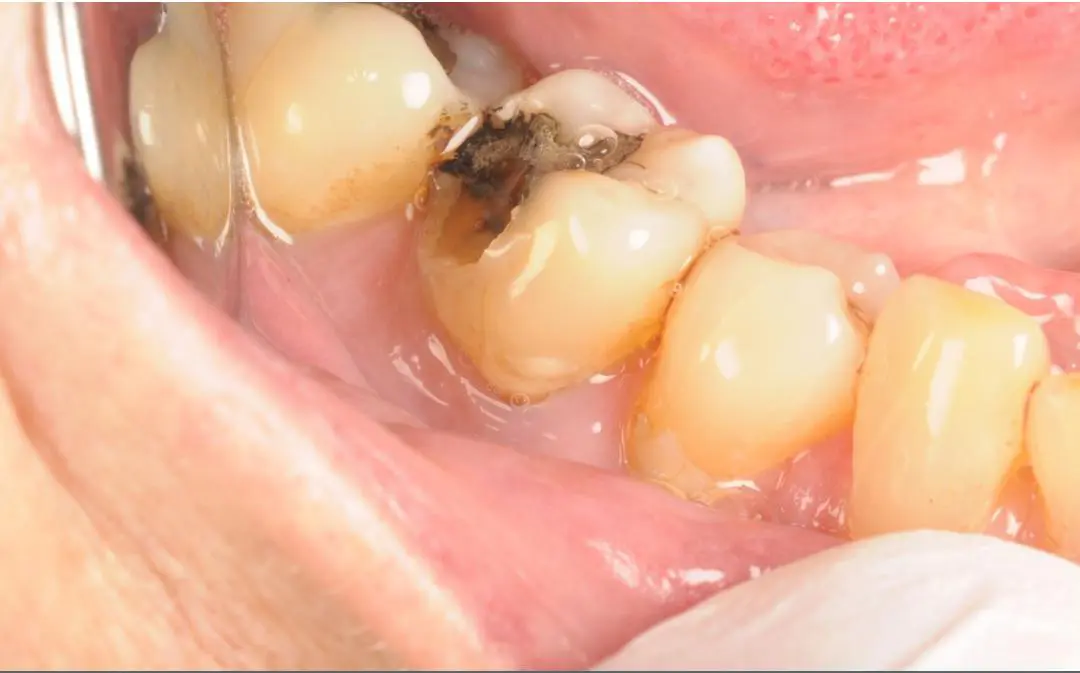
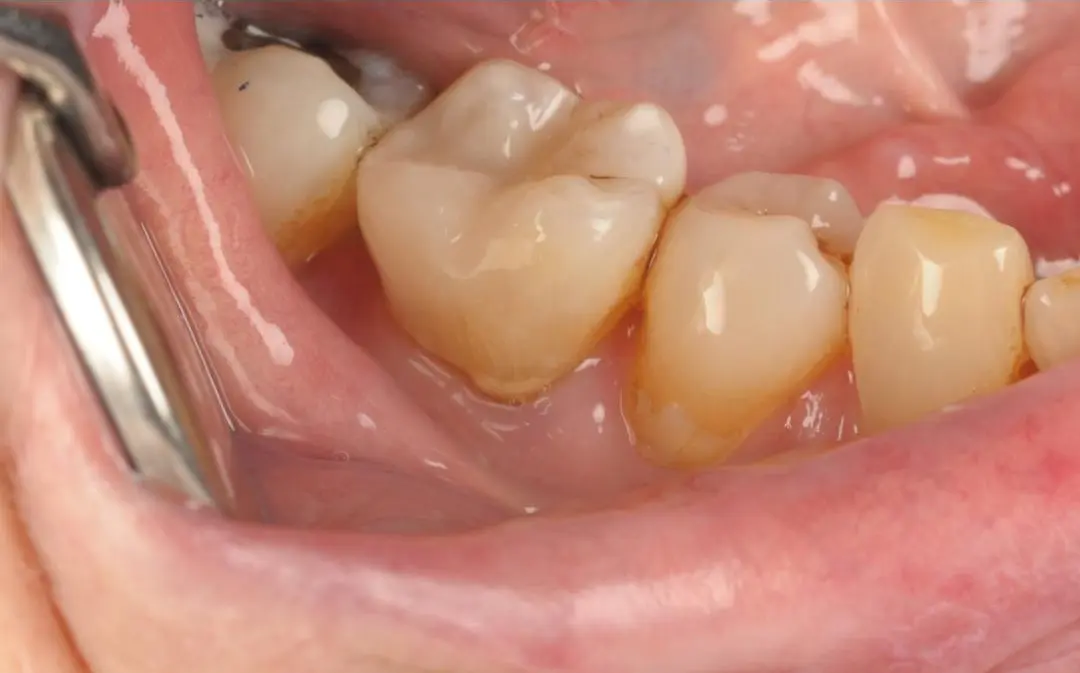
Real Patient Result: Emergency White Filling
Treatment by Dr Kamran
Understanding the Role of Tooth Anatomy in Dental Pain
To appreciate why certain dental conditions cause such significant discomfort, it is helpful to understand a little about how a tooth is structured.
Each tooth is made up of several distinct layers:
- Enamel — the hard, protective outer layer of the visible tooth
- Dentine — the sensitive layer beneath the enamel, which contains microscopic tubules connected to the nerve
- Pulp — the innermost soft tissue of the tooth, containing blood vessels and nerve fibres
- Cementum — the layer covering the root surface beneath the gumline
- Periodontal ligament — the connective tissue attaching the tooth root to the jawbone
The pulp is where most acute toothache originates. When decay, a crack, or infection reaches the pulp, the nerve fibres within it become inflamed. This inflammation — known as pulpitis — causes significant pain that can be spontaneous, persistent, and markedly worse when blood pressure increases around the area, such as when lying flat.
If inflammation progresses and the pulp becomes irreversibly affected, or if infection spreads beyond the tooth into the surrounding bone and tissue, the condition can become more complex. This is one of the key reasons why toothache should be assessed promptly by a dental professional rather than managed at home indefinitely.
If you are experiencing symptoms that suggest a tooth infection or pulp involvement, you may benefit from understanding more about emergency dental treatment options available in London.
When to Seek Professional Dental Assessment
Toothache is your body's way of signalling that something in your mouth requires attention. While not every episode of dental discomfort requires emergency intervention, certain symptoms suggest it may be important to seek a professional dental assessment sooner rather than later.
Symptoms That Warrant Prompt Evaluation
The following signs may indicate that a dental condition requires professional review:
- Persistent or worsening pain that does not resolve within a day or two, particularly if it is waking you at night
- Swelling around the jaw, cheek, gum, or neck — this may suggest an abscess or spreading infection
- Fever accompanying dental pain, which can be an indication of systemic involvement
- Pain when biting or chewing that is becoming more frequent or severe
- Sensitivity to hot or cold that lingers for more than a few seconds after the stimulus is removed
- A visible lump or boil on the gum near a painful tooth
- Pus or an unpleasant taste in the mouth, which may indicate an abscess draining
- Difficulty swallowing or opening your mouth, which in rare cases may indicate a spreading infection requiring urgent attention
It is worth noting that dental pain that seems to be improving without treatment does not always mean the underlying problem has resolved. In some cases, the nerve may have become non-vital, temporarily reducing pain while the underlying infection continues. This is another reason why professional assessment remains important even when symptoms fluctuate.
If you are dealing with a dental emergency in London, our emergency dental services are available to help with urgent assessments and same-day appointments.
How to Manage Toothache at Night While Awaiting Dental Care
It is important to emphasise that home management measures are not a substitute for professional dental care. They may help you manage discomfort while you arrange an appointment, but they will not resolve the underlying condition causing the pain.
Practical Comfort Measures
- Elevate your head whilst sleeping by using an extra pillow. Keeping your head slightly raised relative to your body can help reduce the increase in blood pressure around the affected tooth and may lessen pain intensity.
- Over-the-counter pain relief — appropriate analgesics such as ibuprofen or paracetamol, taken as directed on the packaging and if clinically suitable for you, may help reduce inflammation and discomfort. Always follow manufacturer guidance and consult a pharmacist if you are unsure whether a particular medicine is appropriate for you.
- Avoid very hot, very cold, or sweet foods and drinks before bed, as these can trigger or worsen sensitivity.
- Clove oil — some patients find that clove oil applied gently to the affected area may provide temporary relief due to its natural anaesthetic properties. Use sparingly and avoid contact with gum tissue where possible.
- Avoid lying on the side of the affected tooth, which may help to reduce additional pressure on the area.
These are temporary comfort strategies only. They do not treat the cause of toothache, and symptoms should always be assessed by a qualified dental professional.
Could Teeth Grinding Be Contributing to Your Night-Time Dental Pain?
Bruxism — the clinical term for habitual teeth grinding or jaw clenching — is more prevalent than many people realise, and it is a significant contributor to night-time dental discomfort. Many individuals who grind their teeth do so entirely unconsciously during sleep and are unaware of the habit until a dentist identifies signs of wear.
The forces generated during teeth grinding can be considerable — sometimes exceeding the pressures produced during normal chewing. Over time, this can cause:
- Worn, flattened, or chipped teeth
- Increased tooth sensitivity
- Jaw pain, headaches, and facial muscle soreness upon waking
- Cracked or fractured teeth
- Worsening of existing dental pain
A dental professional can assess whether signs of bruxism are present during an examination. In some cases, a custom-fitted occlusal splint — a type of mouth guard worn during sleep — may be recommended as part of a management plan to help reduce pressure on the teeth. Speak to a dental professional to understand how this condition can be managed.
Prevention and Maintaining Good Oral Health
While not every cause of toothache is entirely preventable, maintaining good oral health significantly reduces the risk of developing the conditions most commonly associated with dental pain.
Practical Oral Health Habits
- Brush twice daily using a fluoride toothpaste. Use a soft-bristled toothbrush and gentle circular motions to clean all tooth surfaces effectively without damaging enamel or gum tissue.
- Clean between teeth daily using floss, interdental brushes, or a water flosser. Interdental cleaning removes plaque and food debris from areas a toothbrush cannot reach.
- Limit sugary and acidic foods and drinks, particularly in the evenings, as these contribute to enamel erosion and bacterial activity that causes decay.
- Attend regular dental check-ups as recommended by your dentist. Routine examinations allow early detection of decay, gum disease, cracking, and other issues before they develop into painful, complex problems.
- Wear a properly fitted mouthguard if you play contact sports, to protect your teeth from trauma-related damage.
- Speak to your dentist if you suspect you grind your teeth, particularly if you regularly wake with jaw soreness, headaches, or facial muscle tension.
- Stay well hydrated, as a dry mouth can increase bacterial activity and contribute to tooth decay over time.
- Do not ignore dental discomfort, even if it seems mild. Early intervention is typically simpler and less invasive than treatment required once a condition has progressed.
Key Points to Remember
- Toothache often feels worse when lying down because blood flow to the head increases in a horizontal position, raising pressure around inflamed or infected dental tissue.
- Fewer distractions at night mean pain signals are perceived more acutely, amplifying dental discomfort that may have felt manageable during the day.
- Common causes include tooth decay, dental abscess, cracked teeth, gum disease, and teeth grinding (bruxism).
- Temporary home comfort measures such as elevating your head and taking appropriate over-the-counter pain relief may help, but they do not treat the underlying cause.
- Prompt professional assessment is advisable if pain is persistent, worsening, or accompanied by swelling, fever, or other concerning symptoms.
- Good oral hygiene and regular dental check-ups remain the most effective long-term strategy for preventing the conditions that cause toothache.
Frequently Asked Questions
Is it normal for toothache to only hurt at night?
It is relatively common for dental pain to feel more intense at night, though this does not necessarily mean it is absent during the day. Nocturnal worsening is largely driven by increased blood pressure to the head when lying flat and reduced distracting stimuli during quieter evening hours. However, toothache that you notice only at night may also be a sign that a dental condition is in its earlier stages, where pain is mild enough to go unnoticed during busier daytime hours. Either way, any persistent toothache warrants a dental assessment to identify the underlying cause.
Can toothache go away on its own without treatment?
In some limited circumstances, very mild sensitivity may settle without intervention — for example, short-term sensitivity following dental treatment. However, toothache caused by decay, infection, a cracked tooth, or abscess will not resolve on its own. In fact, untreated dental conditions tend to progress over time. If the nerve of a tooth dies, pain may temporarily reduce, but the underlying infection or structural problem typically continues. It is always advisable to have persistent toothache professionally assessed rather than waiting to see if it resolves.
How do I know if my toothache is from an abscess?
A dental abscess often produces a persistent, throbbing pain that may be more intense than typical toothache. Additional signs can include swelling of the gum, cheek, or jaw, a raised bump or boil on the gum near the affected tooth, sensitivity to pressure, and in some cases fever or a general feeling of being unwell. An unpleasant taste in the mouth may also occur if the abscess begins to drain. If you experience any of these symptoms, it is advisable to contact a dental professional promptly, as abscesses involve active infection that may require treatment.
Could my jaw pain and headache in the morning be related to my toothache?
Morning jaw pain and headaches can be associated with teeth grinding (bruxism) during sleep, which can also contribute to or worsen toothache. If you regularly wake with jaw soreness, facial muscle tension, headaches, or notice that your teeth appear worn or flattened, it may be worth discussing this with your dentist. They can assess for signs of bruxism and advise on appropriate management options. It is also possible for pain from an inflamed tooth or jaw joint to radiate, which is another reason professional assessment is valuable.
Are there any sleeping positions that help reduce toothache at night?
Elevating your head using an extra pillow is one of the most commonly suggested positional adjustments for managing toothache at night. Keeping your head raised relative to your heart can help to partially counteract the increase in blood pressure to the head that occurs when lying flat, which may reduce the intensity of throbbing dental pain. Avoid lying directly on the side of the affected tooth where possible. These measures may offer some temporary relief but are not a substitute for identifying and treating the underlying dental cause.
When should I treat a toothache as a dental emergency?
You should consider seeking urgent dental care if you experience: severe and worsening pain that over-the-counter pain relief does not adequately manage; visible or felt swelling in the face, jaw, or neck; fever or difficulty swallowing or breathing accompanying dental pain; trauma that has caused a tooth to be knocked out, loosened, or fractured; or a persistent unpleasant taste suggesting a draining abscess. London-based emergency dental services can provide same-day or out-of-hours assessments for urgent dental concerns.
Conclusion
Night-time toothache is a genuinely distressing experience, and understanding why toothache feels worse when lying down can help reduce some of the anxiety that accompanies it. The primary reasons — increased blood pressure to the head in a horizontal position and reduced distracting stimuli — explain the pattern many patients recognise. However, the toothache itself is a symptom of an underlying dental condition that requires professional attention.
Whether the cause is decay, an abscess, a cracked tooth, gum disease, or bruxism, the common thread is that these are conditions that benefit from early, professional assessment and appropriate clinical management. Temporary home comfort measures can help you through the night, but they should always be followed by a dental consultation.
Maintaining a consistent oral hygiene routine, attending regular check-up appointments, and addressing dental concerns promptly are the most reliable ways to reduce the likelihood of experiencing painful dental problems.
Dental symptoms and treatment options should always be assessed individually during a clinical examination.
If you are experiencing persistent or worsening toothache, we encourage you to contact a qualified dental professional at your earliest convenience. Do not hesitate to seek emergency dental advice if your symptoms are severe or accompanied by swelling, fever, or other concerning signs.
Disclaimer: This article is intended for general educational purposes only and does not constitute personalised dental advice. Individual diagnosis and treatment recommendations require a clinical examination by a qualified dental professional. This content has been prepared in line with GDC, CQC, ASA CAP Code, and GMC communication standards.
Next Review Due: 19 August 2027