
Many people experience a toothache that appears and disappears without any obvious explanation. One day the discomfort is hard to ignore; the next, it seems to have resolved entirely — only to return days or weeks later. This confusing pattern often leads people to search online for answers, wondering whether the pain is serious or whether it might simply go away on its own.
Understanding why a toothache comes and goes can help you make more informed decisions about your dental health. Intermittent tooth pain is rarely without cause. In most cases, it signals an underlying dental condition that may benefit from professional evaluation — even when the discomfort is not constant.
This article explains the most common reasons a toothache may come and go, the dental science behind intermittent pain, and the circumstances in which seeking a professional dental opinion may be appropriate. The information here is intended to be educational and reassuring, helping you understand your symptoms more clearly.
Experiencing these symptoms?
Delaying treatment can lead to tooth loss. We have slots available today.
Why Does a Toothache Come and Go?
An intermittent toothache often indicates an underlying dental condition that is not yet severe enough to cause persistent pain. Common causes include early tooth decay, enamel erosion, cracked teeth, gum recession, or early pulp irritation. The pain may fluctuate depending on triggers such as temperature, pressure, or diet. A professional dental assessment can help identify the cause.
What Is an Intermittent Toothache?
An intermittent toothache is one that appears periodically rather than remaining constant. Unlike acute dental pain — which tends to be severe, continuous, and easier to associate with a specific event such as a broken tooth or abscess — intermittent pain can be more difficult to track and understand.
Patients often describe this type of discomfort as a dull ache, a sharp twinge when biting, or sensitivity to hot and cold that fades quickly. Because the pain is not always present, it can be tempting to dismiss it as unimportant or to delay seeking dental advice.
Meet Dr. Yasha Shirazi
Principal Dentist at Emergency Dentist London
"We treat hundreds of dental emergencies every month. The sooner you come in, the easier the fix usually is."
Book an appointment with our team →However, it is worth understanding that pain that comes and goes does not necessarily mean the underlying cause is minor. In many cases, dental conditions begin with mild, occasional discomfort before progressing over time. Recognising an intermittent toothache and discussing it with a dental professional is a sensible step in protecting your long-term oral health.
The pattern of the pain — when it occurs, how long it lasts, and what seems to trigger it — can offer useful information for a dentist during a clinical assessment.
Common Causes of a Toothache That Comes and Goes
There are several dental conditions that may cause pain to appear and disappear over time. Understanding these can help contextualise your experience, though it is important to note that only a clinical examination can accurately identify the cause in your individual case.
Early or Moderate Tooth Decay
Tooth decay in its early stages may not produce constant pain. As bacteria erode the outer enamel layer, the tooth can become sensitive to sweet foods, cold temperatures, or pressure. This sensitivity may fade quickly, giving the impression that the issue has resolved. As decay progresses closer to the inner layers of the tooth, discomfort may become more frequent or severe.
Cracked or Fractured Tooth
A small crack in a tooth can cause sharp, fleeting pain — particularly when biting down or releasing pressure. The pain may not be present all the time, as it depends on how the crack flexes during use. This type of intermittent toothache is worth investigating, as fractures can deepen over time and, in some cases, cause pain that seems to spread to multiple teeth if left untreated.
Gum Recession or Gum Disease
When gum tissue recedes, it exposes the root surface of the tooth, which is more sensitive than enamel. This can cause intermittent discomfort in response to temperature changes or touch. Gum disease is a progressive condition, and early assessment can help manage it effectively.
Dental Sensitivity
Dentine hypersensitivity is a common cause of intermittent tooth pain. It occurs when the inner layer of the tooth — the dentine — becomes exposed due to enamel loss or gum recession. The discomfort is typically triggered by specific stimuli, such as cold drinks, acidic foods, or even cold air.
Early Pulp Irritation
The pulp is the living tissue inside the tooth. When it becomes irritated — through deep decay, trauma, or repeated dental work — it may produce intermittent pain. In some cases, pulp irritation can progress to pulpitis, an inflammation of the pulp that may require further dental treatment.
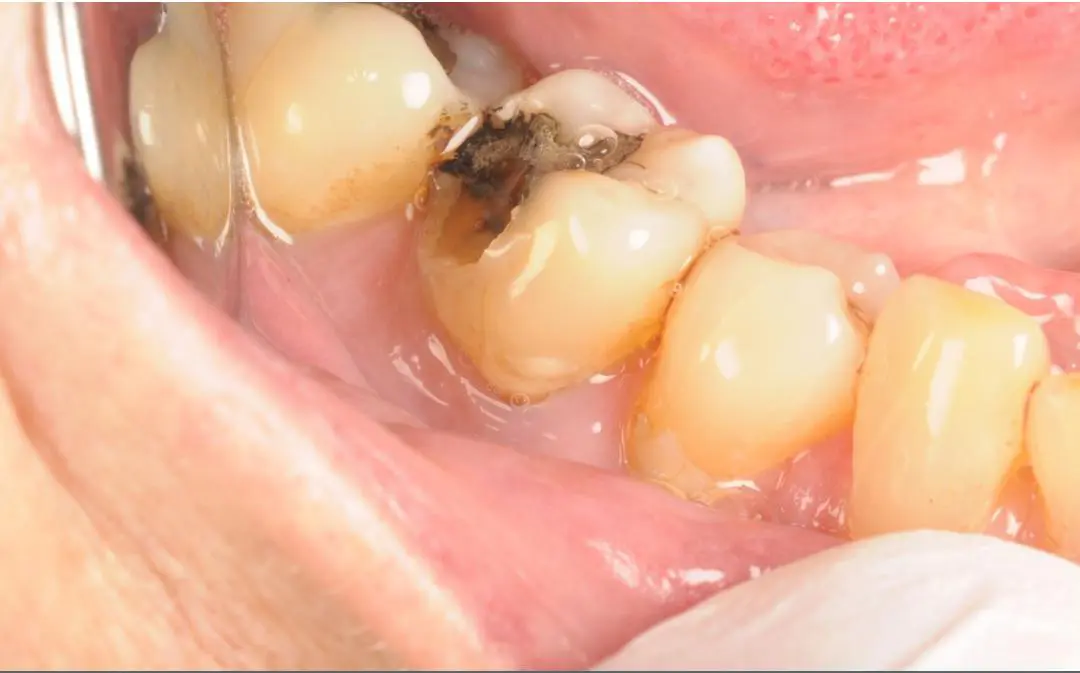
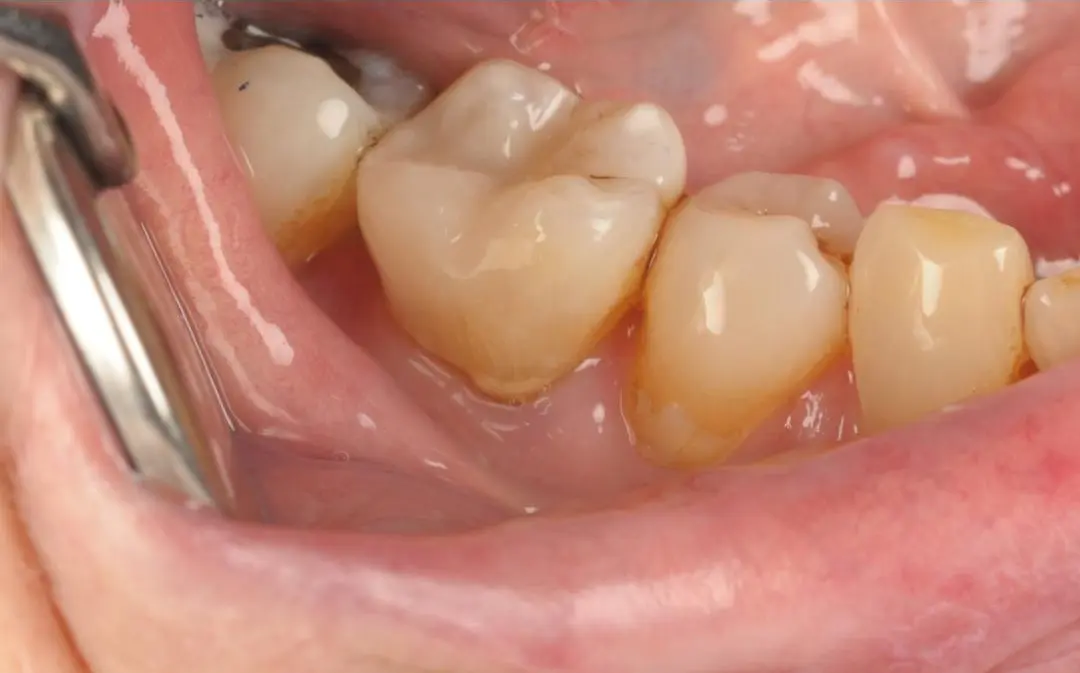
Real Patient Result: Emergency White Filling
Treatment by Dr Kamran
The Dental Science Behind Intermittent Tooth Pain
Understanding why tooth pain fluctuates requires a brief look at tooth anatomy and how pain signals are transmitted.
Each tooth is composed of three main layers: the outer enamel, the dentine beneath it, and the pulp at the core. Enamel is the hardest tissue in the body and contains no nerve endings, which means damage to enamel alone does not directly produce pain. However, when enamel is compromised — through decay, erosion, or fracture — the dentine beneath becomes exposed.
Dentine contains tiny tubules that lead to the pulp. When stimuli such as temperature changes, pressure, or acidic foods reach the exposed dentine, fluid movement within these tubules activates nerve endings in the pulp, producing the sensation of pain. Depending on the extent of exposure and the nature of the stimulus, this pain may be brief and sharp, or it may linger.
The reason pain can come and go relates to the interaction between the stimulus and the tooth's nerve response. When the triggering factor is removed — for example, once a cold drink is swallowed — the fluid movement in the dentinal tubules settles, and the pain subsides. If the underlying condition is not yet severe, this may mean the tooth feels entirely comfortable until the next triggering event occurs.
This explains why intermittent toothache is often described as a warning signal — the tooth is communicating an underlying vulnerability, even if the pain is not yet continuous.
How Lifestyle and Dietary Factors May Influence Tooth Pain
Day-to-day habits can influence the frequency and severity of intermittent toothache. Being aware of these factors may help you identify patterns in your symptoms.
Diet: Frequent consumption of acidic foods and drinks — such as citrus fruits, fizzy beverages, and vinegar-based condiments — can erode enamel over time, increasing dentinal exposure and sensitivity. Sugary foods can accelerate the progression of tooth decay.
Teeth Grinding (Bruxism): Many people grind or clench their teeth, often during sleep, without being aware of it. This habit places significant pressure on the teeth and can cause intermittent aching, sensitivity, and even cracking over time.
Oral Hygiene: Inconsistent brushing or flossing can allow plaque to accumulate, contributing to decay and gum inflammation. Both of these conditions can cause discomfort that varies in intensity.
Hot and Cold Sensitivity: Noticing that your toothache appears after consuming hot coffee or cold water can be a helpful observation to share with your dentist, as it may assist in narrowing down the likely cause.
Keeping a brief note of when your discomfort occurs and what appears to trigger it can be genuinely helpful information for a dental professional during an assessment.
When Professional Dental Assessment May Be Appropriate
While intermittent tooth pain does not always indicate an emergency, there are circumstances in which seeking a professional dental opinion is advisable.
You may wish to contact a dentist if you experience:
- Toothache that recurs regularly, even if each episode passes quickly
- Sensitivity that is worsening over time, becoming more frequent or more intense
- Pain triggered by hot substances that lingers beyond 30 seconds after removing the stimulus (this may indicate pulp involvement)
- Swelling around the tooth or gum, which may suggest an infection
- Visible changes to the tooth, such as discolouration, a visible crack, or a new chip
- Difficulty chewing or biting down on the affected side
- Pain that disrupts sleep or everyday activities
It is worth emphasising that an intermittent toothache, even a mild one, is worth discussing with a dental professional — not because it is necessarily serious, but because early assessment generally allows for a wider range of management options.
If you are in London and need guidance, you can learn more about same-day emergency dental appointments to discuss your symptoms with a qualified dentist.
Watch: Need an Emergency Dentist in London?
If you are experiencing dental discomfort and are unsure whether to seek urgent care, the following video provides helpful information about accessing same-day dental appointments in London:
How a Dentist May Assess an Intermittent Toothache
During a dental appointment, the dentist will take a thorough history of your symptoms. Knowing when the pain occurs, how long it lasts, and what appears to trigger it is valuable clinical information. The assessment may include:
- Visual and tactile examination of the affected tooth and surrounding gum tissue
- Dental X-rays to assess the extent of decay, root health, and bone levels
- Sensitivity testing using temperature or pressure to help identify the affected area and the likely cause
- Assessment of the bite to identify any signs of grinding or uneven pressure
Based on these findings, the dentist will be in a position to explain what may be contributing to your intermittent pain and discuss any appropriate management options. Treatment suitability always depends on individual clinical findings and patient circumstances.
Treatment Approaches That May Be Considered
The management of an intermittent toothache depends entirely on the underlying cause identified during a clinical examination. It would not be appropriate to suggest a specific treatment without individual assessment; however, some general approaches that a dentist may discuss include:
- Restorative treatment such as a filling, if decay is identified as the cause
- Dental bonding or a crown if a cracked tooth is diagnosed
- Desensitising treatments or toothpastes for dentinal hypersensitivity
- Scaling and root surface debridement if gum disease is contributing to the discomfort
- A custom night guard if teeth grinding is identified as a factor
- Root canal treatment if the pulp is significantly affected and inflamed
Each of these options would be discussed with you in full, including any benefits, considerations, and alternatives, before any clinical decision is made.
If you are concerned about an underlying tooth infection, you may find it helpful to read about dental abscess signs and treatment as part of your research.
Prevention and Oral Health Advice
Maintaining good oral health habits can help reduce the risk of developing the conditions most commonly associated with intermittent tooth pain.
Brush effectively twice daily using a fluoride toothpaste. Use a soft-bristled toothbrush and gentle, circular movements to avoid enamel abrasion and gum recession.
Floss or use interdental brushes daily to remove plaque from between teeth, where a toothbrush cannot reach. This reduces the risk of decay and gum disease developing in these areas.
Moderate acidic and sugary food and drink consumption. Rinsing with water after acidic or sugary foods can help neutralise pH levels in the mouth before brushing.
Attend regular dental check-ups. Routine appointments allow a dentist to identify early changes in the teeth and gums before they become more complex to manage. The frequency of check-ups appropriate for you will be guided by your dentist based on your individual oral health.
Consider discussing a night guard with your dentist if you wake with jaw soreness or headaches, as these may be signs of nocturnal grinding.
Use a straw when consuming cold or acidic drinks if you have known sensitivity, as this can reduce direct contact with the tooth surfaces.
Small, consistent habits have a meaningful impact on long-term oral health.
Key Points to Remember
- A toothache that comes and goes is rarely without an underlying cause and is worth discussing with a dental professional.
- Common causes of intermittent tooth pain include early decay, cracked teeth, gum recession, dentinal hypersensitivity, and early pulp irritation.
- The fluctuating nature of the pain is often linked to the presence or absence of specific triggers such as temperature, pressure, or diet.
- Dental pain that is not yet constant does not mean the underlying condition is minor — early assessment typically allows for a wider range of management options.
- Lifestyle factors such as diet, oral hygiene habits, and teeth grinding can influence the frequency and severity of intermittent toothache.
- Dental symptoms and treatment options should always be assessed individually during a clinical examination.
Frequently Asked Questions
Is it normal for a toothache to come and go?
Intermittent tooth pain is a common experience and is not unusual. However, it is rarely without an underlying cause. Many dental conditions — including early decay, cracked teeth, dentinal hypersensitivity, and gum recession — can produce pain that appears and disappears depending on certain triggers. The fact that pain is not constant does not mean the tooth is healthy. Discussing recurring dental discomfort with a qualified dentist is a sensible step, as early identification of the cause generally allows for a broader range of management approaches.
Could a toothache that comes and goes indicate something serious?
In some cases, yes. While intermittent pain can reflect relatively straightforward conditions such as sensitivity, it can also be an early sign of more significant dental issues, including pulp inflammation or the early stages of a dental abscess. Pain that recurs frequently, is associated with swelling, or follows hot stimuli with a prolonged lingering sensation is worth discussing with a dentist promptly. A clinical examination is the only way to determine whether the underlying cause requires attention. It would not be appropriate to self-diagnose based on symptoms alone.
How long can an on-and-off toothache last without treatment?
This varies considerably depending on the cause. Some forms of intermittent sensitivity can remain stable for extended periods, while others may worsen progressively. In the case of tooth decay, the condition generally advances over time if left unaddressed, which may result in more complex dental problems. Waiting for pain to become constant before seeking advice is not recommended. Even mild, occasional discomfort is worth investigating during a routine dental appointment so that appropriate guidance can be provided.
Can stress or anxiety cause an intermittent toothache?
Stress can contribute to dental discomfort indirectly. Many people who experience elevated stress levels grind or clench their teeth, particularly during sleep — a condition known as bruxism. This places significant force on the teeth and jaw, which can result in intermittent aching, sensitivity, and even structural damage over time. If you suspect stress-related grinding may be contributing to your symptoms, a dentist can assess the teeth for signs of wear and discuss options such as a custom-fitted night guard.
Should I see a dentist even if my toothache has gone away?
Yes. A toothache that has resolved on its own does not necessarily mean the underlying cause has disappeared. In many cases, the pain subsides because the stimulus is no longer present, not because the dental condition has improved. Dental appointments are appropriate even in the absence of active pain — particularly if you have recently experienced recurring discomfort. A dentist can examine the tooth, take relevant X-rays if needed, and advise on the most appropriate next steps based on clinical findings.
What can I do at home while waiting for a dental appointment?
While awaiting a professional appointment, there are a few practical steps that may help manage discomfort. Using a toothpaste formulated for sensitive teeth may provide some relief for those experiencing dentinal hypersensitivity. Avoiding very cold, hot, or acidic foods and drinks may reduce the frequency of triggered episodes. Over-the-counter pain relief, used in accordance with the product instructions and any relevant medical advice, may help manage acute episodes. These measures are supportive only and are not a substitute for professional assessment and treatment of the underlying cause.
Conclusion
An intermittent toothache — one that comes and goes rather than remaining constant — is one of the more common dental concerns that people experience and search for information about online. As this article has explained, this pattern of pain is frequently linked to identifiable dental conditions, including early decay, cracked teeth, dentinal hypersensitivity, gum recession, and early pulp irritation.
Understanding that pain does not need to be constant to warrant attention is an important step. The fluctuating nature of a toothache is often a reflection of how the tooth responds to specific triggers, not a sign that the underlying issue is trivial. In many cases, the earlier a dental concern is identified, the more straightforward the management options available.
If you are experiencing an intermittent toothache — even a mild one — it is worth discussing with a dental professional. A calm, reassuring clinical assessment can provide clarity and appropriate guidance tailored to your individual situation.
Dental symptoms and treatment options should always be assessed individually during a clinical examination.
Disclaimer
This article is for general educational purposes only and does not constitute dental advice, diagnosis, or treatment. Every patient is different, so symptoms and treatment options should be assessed by a qualified dental professional during a clinical examination. No specific outcomes are guaranteed.