
Few dental experiences are more unsettling than waking up with a toothache that seems to involve not just one tooth, but several at the same time. Many people searching for answers online wonder whether toothache pain can genuinely spread, or whether they are simply imagining that multiple teeth are affected. This is an understandably common concern, and one that deserves a clear, informative explanation.
A toothache spreading to multiple teeth is a recognised dental phenomenon, most commonly linked to referred pain, dental infections, gum disease, or underlying nerve involvement. Understanding why this happens can help patients make more informed decisions about seeking professional care.
This article explains the dental science behind spreading toothache, identifies the most common causes, outlines when it may be appropriate to seek a dental assessment, and offers practical oral health advice to support long-term dental wellbeing. If you are experiencing persistent or worsening dental pain, speaking with a qualified dental professional is always advisable.
Experiencing these symptoms?
Delaying treatment can lead to tooth loss. We have slots available today.
Can a toothache spread to multiple teeth at once?
Yes, a toothache can appear to spread to multiple teeth at once. This is often due to referred pain, where the brain struggles to pinpoint the exact source of dental discomfort. Dental infections, inflamed nerves, gum disease, and bite-related pressure can all cause pain that radiates across neighbouring teeth or the jaw.
Why Does Toothache Pain Sometimes Affect Multiple Teeth?
One of the most frequently reported experiences among dental patients is feeling pain across several teeth when only one tooth may be the actual source of the problem. This is largely explained by the concept of referred pain — a well-documented phenomenon in which pain signals from one location are perceived by the brain as originating from a different or broader area.
The nerves supplying the teeth, particularly the trigeminal nerve, serve an extensive network across the upper and lower jaws. When one tooth becomes inflamed or infected, the pain signals travelling along this shared nerve pathway can be interpreted by the brain as coming from multiple adjacent teeth, rather than a single identified source.
Meet Dr. Yasha Shirazi
Principal Dentist at Emergency Dentist London
"We treat hundreds of dental emergencies every month. The sooner you come in, the easier the fix usually is."
Book an appointment with our team →Additionally, if swelling or infection is present, the surrounding tissue and neighbouring tooth structures may become genuinely irritated, adding to the sensation that several teeth are involved simultaneously.
This is why accurately locating the true source of toothache — particularly when pain seems widespread — requires clinical examination and, in many cases, dental X-rays. Self-diagnosis based on where the pain feels most intense is not always reliable, and professional assessment is important for identifying the underlying cause.
Common Causes of Toothache That May Appear to Spread
Several dental conditions can cause pain that radiates across multiple teeth or areas of the mouth. Understanding these causes can help patients recognise potential warning signs.
Dental Abscess or Infection
A dental abscess — a pocket of infection at the root of a tooth or in the surrounding gum — is one of the most common reasons toothache appears to involve more than one tooth. The pressure and inflammation associated with an abscess can cause deep, throbbing pain that radiates along the jaw and into neighbouring teeth.
Abscesses require prompt professional attention. If you suspect a dental infection, seeking timely assessment is recommended. You can learn more about dental abscess treatment available in London.
Gum Disease (Periodontal Disease)
Advanced gum disease can cause widespread tenderness and sensitivity across multiple teeth simultaneously. As the supporting bone and gum tissue become affected, several teeth may feel painful, loose, or sensitive — making it difficult to identify a single source of discomfort.
Cracked Tooth Syndrome
A cracked or fractured tooth may produce pain that is difficult to localise. The pain can radiate across nearby teeth during biting or chewing, creating the impression that several teeth are involved.
Teeth Grinding (Bruxism)
Habitual grinding or clenching of the teeth, particularly during sleep, places considerable pressure on multiple teeth and the jaw joints. This can result in widespread, diffuse aching across many teeth, the jaw, and even into the temples or neck.
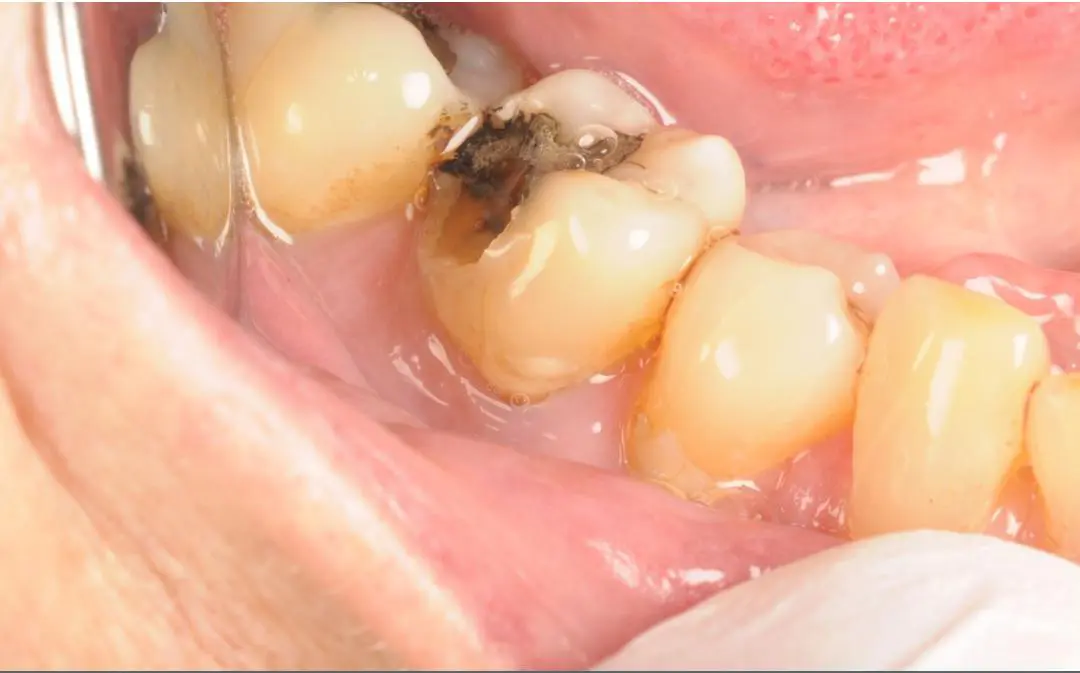
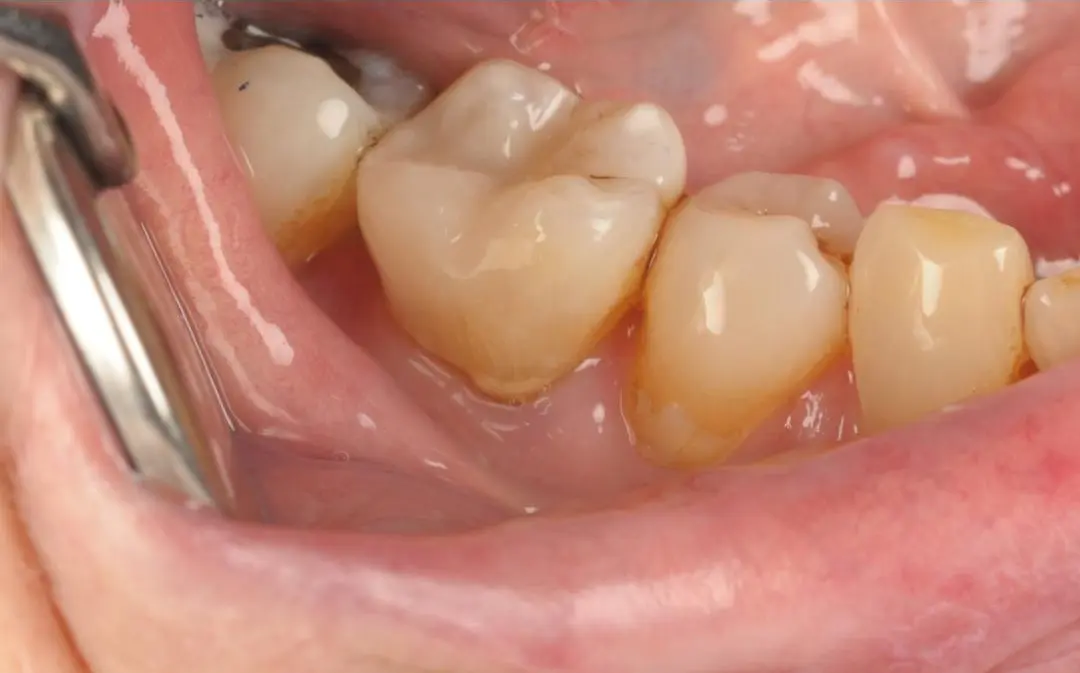
Real Patient Result: Emergency White Filling
Treatment by Dr Kamran
Sinus Congestion or Sinusitis
The roots of the upper back teeth sit in close proximity to the maxillary sinuses. When the sinuses become inflamed or congested — due to a cold, allergies, or infection — patients frequently experience aching that feels like toothache across several upper teeth simultaneously. This is a non-dental cause of referred dental pain worth considering, and you can read more about whether an infected tooth can cause sinus pain in our related guide.
The Dental Science Behind Referred Tooth Pain
To understand why toothache can seem to spread, it helps to have a basic understanding of dental anatomy and nerve pathways.
The trigeminal nerve is the primary nerve responsible for sensation across the face, jaw, and teeth. It divides into three main branches: the ophthalmic, maxillary, and mandibular branches. The maxillary and mandibular branches supply sensation to the upper and lower teeth, gums, lips, and surrounding facial structures.
Because many teeth share overlapping nerve supply pathways, when one tooth generates strong pain signals — particularly from the dental pulp (the soft inner tissue containing nerves and blood vessels) — the brain can struggle to accurately map the precise origin of the signal. This results in the sensation of pain spreading across an area, rather than being confined to one specific tooth.
Furthermore, when the dental pulp becomes inflamed (a condition known as pulpitis), the resulting nerve irritation can be particularly intense and diffuse. Irreversible pulpitis, where the pulp tissue is permanently damaged, often produces severe, spontaneous pain that is notoriously difficult for patients to localise — adding to the experience of seemingly widespread toothache.
Understanding this nerve anatomy helps explain why a dentist may test multiple teeth during an examination before identifying the true source of pain.
Signs and Symptoms to Be Aware Of
While toothache of any kind warrants attention, certain symptoms may indicate that professional dental assessment is particularly advisable. It is important to note that these signs should be evaluated by a qualified dentist — self-diagnosis is not appropriate for dental symptoms.
Symptoms that may suggest a more significant dental issue include:
- Persistent or worsening pain lasting more than one or two days
- Pain that throbs or intensifies at night or when lying down
- Sensitivity to hot or cold temperatures that lingers after the stimulus is removed
- Visible swelling of the gum, cheek, or jaw
- A bad taste or unusual discharge near a tooth
- Difficulty opening the mouth, chewing, or swallowing
- Fever or generally feeling unwell alongside dental pain
These symptoms, taken together or individually, may indicate infection, pulp involvement, or other conditions that benefit from timely professional attention. They do not confirm any specific diagnosis, and individual presentations vary considerably.
When Professional Dental Assessment May Be Appropriate
If you are experiencing toothache that seems to affect more than one tooth, or dental pain that persists beyond a day or two, arranging a dental assessment is a sensible step. Dental pain that spreads or cannot be easily localised can be challenging to manage without professional diagnosis, as identifying the true source of the problem is essential before any treatment can be recommended.
A dentist will typically carry out a clinical examination that may include:
- Visual inspection of the teeth and gums
- Percussion testing (gently tapping teeth to assess sensitivity)
- Temperature sensitivity testing
- Dental X-rays to assess roots, bone levels, and any signs of infection
Treatment recommendations depend entirely on the findings of this assessment. Options may vary from a simple restoration or treatment of gum disease to root canal treatment or extraction in more complex cases. Understanding the range of dental treatments available for tooth pain can help patients feel more prepared when attending an appointment.
There is no single solution that suits every patient. Treatment suitability always depends on a thorough clinical examination.
How Dental Infections Can Affect Surrounding Structures
It is worth noting that dental infections, if left unaddressed, have the potential to affect surrounding structures beyond the tooth itself. An abscess can spread to the gum tissue, the jawbone, and in more serious cases, to adjacent areas. This is one reason why dental professionals emphasise the importance of seeking assessment when infection is suspected — not to cause alarm, but because early attention generally leads to simpler and more effective management.
Spreading infections may cause increasing swelling, difficulty swallowing, or a general feeling of being unwell. These are situations where timely dental or medical attention is particularly advisable. If you are based in London and concerned about a potential dental infection, contacting an emergency dentist for same-day or urgent advice is a practical option.
Prevention and Oral Health Advice
While not all causes of toothache can be prevented, maintaining consistent oral health habits can significantly reduce the risk of many dental problems that lead to pain affecting multiple teeth.
Practical steps to support good oral health include:
- Brushing twice daily with fluoride toothpaste, using a soft-bristled toothbrush and gentle circular or short strokes
- Flossing or using interdental brushes once daily to clean between teeth where a toothbrush cannot reach
- Attending regular dental check-ups — typically every six to twelve months, or as advised by your dentist — to detect early signs of decay, gum disease, or other issues before they become more complex
- Wearing a night guard if you are known to grind or clench your teeth during sleep, as this can help protect teeth from excessive pressure
- Maintaining a balanced diet with limited frequency of sugary foods and drinks, which contribute to enamel erosion and decay
- Staying well hydrated to support saliva production, which plays a protective role in oral health
- Not ignoring early warning signs such as mild sensitivity or occasional discomfort — early assessment tends to allow for simpler management
These steps are general guidance. Individual oral health needs vary, and personalised advice from a dental professional is always most appropriate.
Key Points to Remember
- A toothache spreading to multiple teeth is a common experience, often explained by referred pain via shared nerve pathways.
- The trigeminal nerve serves a broad area of the face and jaw, meaning pain from one tooth can be perceived across several adjacent teeth.
- Common causes include dental abscesses, gum disease, cracked teeth, bruxism, and sinus-related issues.
- Accurately identifying the source of widespread toothache requires professional clinical examination, including dental X-rays where indicated.
- Symptoms such as swelling, persistent pain, fever, or sensitivity that lingers should prompt timely dental assessment.
- Consistent oral hygiene habits and regular dental check-ups remain the most effective tools for reducing the risk of dental pain.
Frequently Asked Questions
Can a single infected tooth cause pain in multiple teeth?
Yes. A single infected tooth — particularly one with a dental abscess — can cause pain that appears to radiate across several neighbouring teeth. This is largely due to referred pain along shared nerve pathways, particularly the trigeminal nerve, which serves a wide area of the jaw and face. The pressure from swelling and inflammation associated with an infection may also cause surrounding teeth and tissues to become genuinely irritated. A dental examination is needed to identify the true source of the infection and determine appropriate treatment.
Is it possible for toothache to spread from the lower jaw to the upper jaw?
In some cases, patients report pain that appears to cross between the upper and lower jaws. While the upper and lower teeth are supplied by different nerve branches, the shared trigeminal nerve system can create complex pain referral patterns. It is also possible for certain dental conditions — such as an abscess or severe pulpitis — to produce pain intense enough to feel as though it affects the entire side of the mouth. A dentist can carry out tests to determine which specific tooth or area is the source.
Can teeth grinding cause pain that feels like it is coming from multiple teeth?
Yes. Bruxism (teeth grinding or clenching) places significant pressure on multiple teeth simultaneously, and over time can lead to widespread aching, heightened sensitivity, and jaw soreness that affects many teeth at once. The temporomandibular joint (the jaw joint) can also be affected, contributing to broader facial and dental discomfort. If you suspect you grind your teeth, discussing this with a dentist is worthwhile, as a protective night guard may help manage the effects.
How does a dentist find out which tooth is actually causing the pain?
Dentists use a combination of clinical techniques to identify the source of dental pain. These may include percussion testing (gently tapping individual teeth), applying heat or cold stimuli to test sensitivity responses, and examining dental X-rays to assess the health of roots and surrounding bone. Patients are also asked to describe the nature, location, and triggers of their pain, which provides important diagnostic information. It can sometimes take more than one visit to conclusively identify the cause, particularly when referred pain is involved.
When should I seek urgent dental care for a toothache?
Seeking prompt dental attention is advisable when toothache is severe, persistent, or accompanied by symptoms such as facial swelling, fever, difficulty swallowing or opening the mouth, or a visible abscess. These signs may indicate a dental infection requiring timely assessment and management. Mild, occasional dental discomfort may allow time to arrange a routine appointment, but any concern about infection or worsening symptoms warrants more urgent contact with a dental practice.
Can toothache in multiple teeth be related to a non-dental cause?
Yes. Conditions such as sinusitis can cause pain that mimics toothache across several upper back teeth, due to the proximity of the upper tooth roots to the maxillary sinuses. In some cases, jaw joint problems (temporomandibular joint disorders) or nerve-related conditions may also produce widespread dental-area pain without a direct dental cause. A dental professional can help distinguish between dental and non-dental sources of pain, and refer appropriately where a non-dental cause is suspected.
Conclusion
Experiencing toothache that appears to involve more than one tooth at the same time is a common concern among dental patients, and it is important to understand that there are well-established explanations for this experience. Whether the cause is referred pain along the trigeminal nerve, a spreading dental infection, gum disease, teeth grinding, or an unrelated sinus issue, the sensation of widespread dental pain is real and deserves proper attention.
A toothache spreading to multiple teeth should always be assessed by a qualified dental professional, as accurately identifying the true source of pain requires clinical examination and, in many cases, diagnostic imaging. Treatment options vary considerably depending on the underlying cause and cannot be determined without a proper assessment. If you are unsure whether your symptoms warrant immediate attention, our guide on how long you can safely wait before seeing a dentist for toothache may help.
Maintaining consistent oral hygiene habits and attending regular dental check-ups remain the most effective long-term strategies for reducing the risk of dental pain. If you are currently experiencing persistent or spreading toothache, arranging a dental appointment at your earliest convenience is a sensible and appropriate course of action.
Dental symptoms and treatment options should always be assessed individually during a clinical examination.
Disclaimer: This article is intended for general educational purposes only and does not constitute personalised dental advice. Individual diagnosis and treatment recommendations require a clinical examination by a qualified dental professional. This content has been prepared in line with GDC, CQC, ASA CAP Code, and GMC communication standards.
Next Review Due: 19 August 2027