
It can be unsettling to experience tooth pain when biting down, especially when the food causing it seems entirely harmless — a slice of bread, a soft roll, or even a piece of fruit. Many people assume that only hard or crunchy foods can trigger dental discomfort, so when pain occurs with soft foods, it tends to cause confusion and concern.
This is one of the more common dental-related searches made by adults across London, and for good reason. Pain triggered by biting — regardless of food texture — often suggests that something within the tooth, its surrounding structures, or the supporting gum tissue may need attention.
Understanding why this happens is an important first step. It helps you recognise when to monitor symptoms and when to seek professional dental advice. This article explains the most common causes of tooth pain when biting soft food, the dental science behind it, and what steps you might consider. It does not replace a clinical examination, but it can help you feel more informed before speaking with a dental professional.
Experiencing these symptoms?
Delaying treatment can lead to tooth loss. We have slots available today.
Why does my tooth hurt when I bite down on bread or soft food?
Tooth pain when biting down on soft food is often caused by a cracked tooth, dental decay, a damaged filling, or inflammation of the ligament that surrounds the tooth root. Even light biting pressure can aggravate these conditions. A dental examination is recommended to identify the underlying cause and discuss appropriate management options.
Common Causes of Tooth Pain When Biting Down
Tooth pain triggered by biting is rarely random. In most cases, it points to a specific structural or biological issue affecting the tooth or its surrounding tissues. Below are the most frequently identified causes:
Cracked Tooth Syndrome
A crack in a tooth does not always have to be visible or severe to cause significant discomfort. Hairline fractures — sometimes called craze lines — can be difficult to detect without specialist equipment. When pressure is applied during biting, even softly, the crack flexes slightly, irritating the inner pulp tissue or the surrounding ligament. This often produces a sharp, localised pain that disappears quickly after releasing the bite.
Meet Dr. Yasha Shirazi
Principal Dentist at Emergency Dentist London
"We treat hundreds of dental emergencies every month. The sooner you come in, the easier the fix usually is."
Book an appointment with our team →Dental Decay (Cavities)
Advanced tooth decay can expose the inner dentine layer, which contains microscopic tubules connected to the nerve. When pressure or temperature reaches this sensitive layer, it can produce pain. Decay may not always cause visible darkening, and in some cases, a cavity can develop beneath an existing filling or in an area that is difficult to see during self-examination.
A Loose, Damaged, or High Filling
If an existing filling has cracked, become loose, or been placed in a way that creates an uneven bite, it can cause pressure-related pain. Similarly, a filling that sits slightly too high — even by a fraction of a millimetre — can create disproportionate biting stress on that tooth. Repairing or replacing a damaged filling can often resolve this type of discomfort.
Gum Disease or Gum Recession
Advanced gum disease can cause the supporting structures around the tooth to weaken, making teeth more susceptible to pressure sensitivity. Exposed root surfaces, which lack the protective enamel covering that crowns the tooth, can also be particularly sensitive to biting force.
The Dental Science Behind Bite-Related Tooth Pain
To understand why biting on something as soft as bread can cause pain, it helps to consider what happens inside and around a tooth when pressure is applied.
Each tooth is connected to the jawbone via a small cushioning structure called the periodontal ligament. This ligament contains nerve fibres that are sensitive to pressure. When a tooth is healthy and properly supported, the ligament distributes biting force evenly and absorbs minor stress without discomfort.
However, when a tooth is cracked, decayed, or infected, or when the ligament itself becomes inflamed — a condition sometimes referred to as apical periodontitis — even light pressure can stimulate those nerve endings. The result is a pain response that feels disproportionate to the force applied.
Inside the tooth, the dental pulp — a soft tissue containing blood vessels and nerves — can also become inflamed or infected. This condition, known as pulpitis, can make the tooth hypersensitive to virtually any form of stimulus, including gentle biting. In some cases, emergency root canal treatment may be required to address pulp inflammation or infection before it progresses further.
When a Dental Assessment May Be Appropriate
Tooth discomfort that occurs when biting — particularly when it is persistent, worsening, or accompanied by other symptoms — is generally worth discussing with a dental professional. Some situations that may warrant earlier evaluation include:
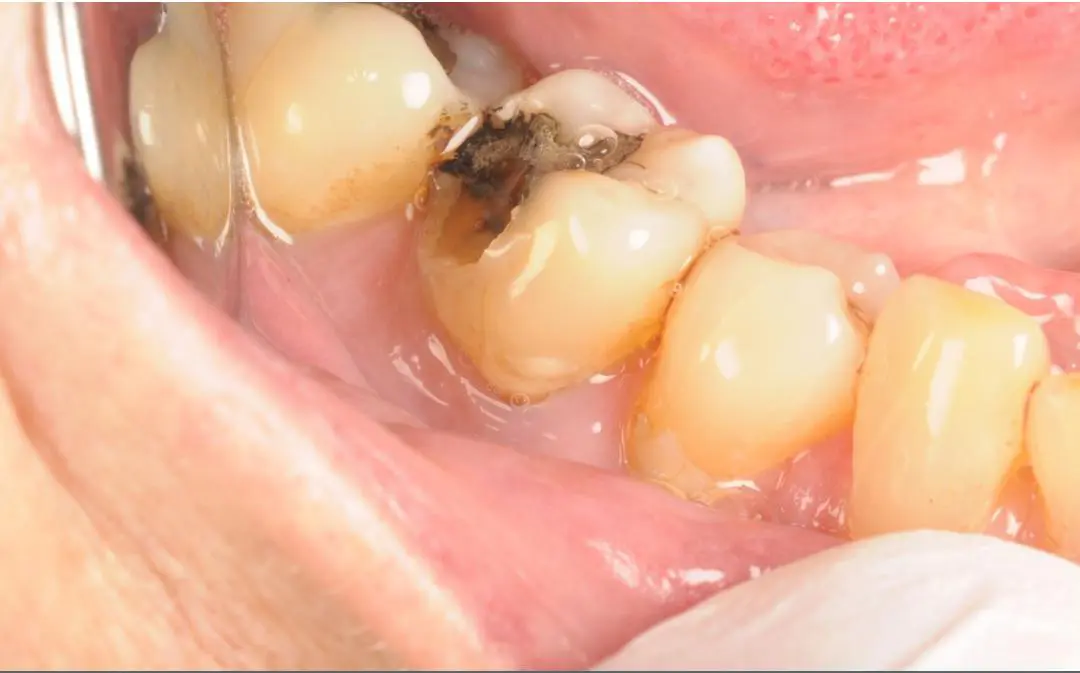
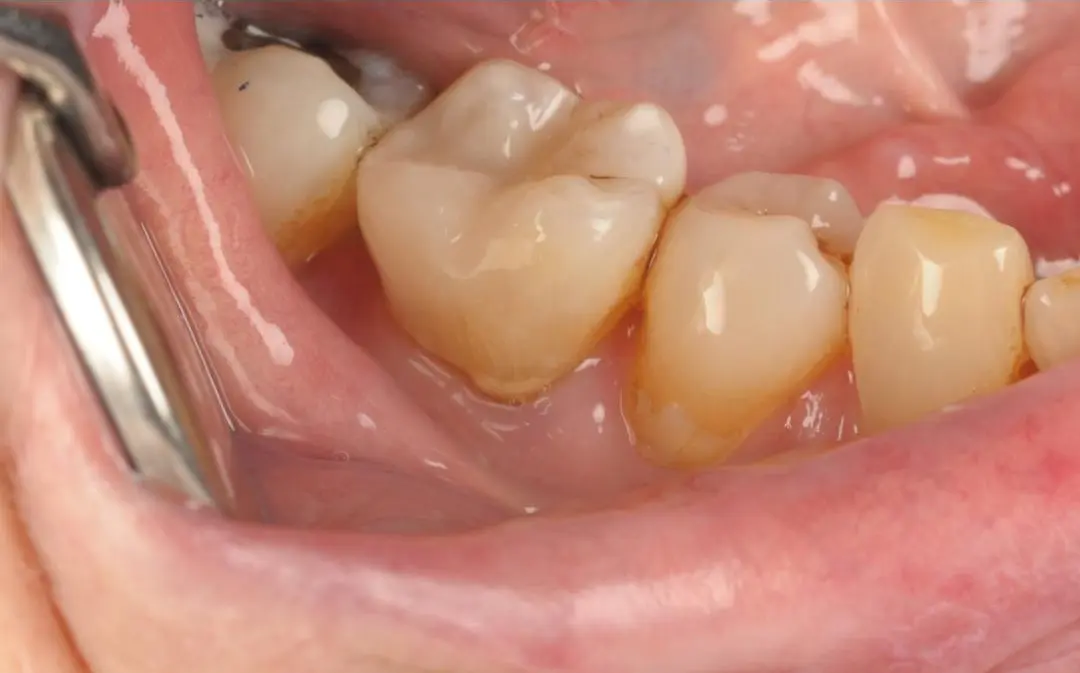
Real Patient Result: Emergency White Filling
Treatment by Dr Kamran
- Persistent pain that does not resolve within a few days
- Swelling around the tooth, jaw, or gum tissue
- Pain that wakes you at night, or is present without any biting stimulus
- Visible damage to a tooth, such as a visible crack or missing part of a filling
- Sensitivity to temperature (hot or cold) alongside bite-related discomfort
- A bad taste or smell around a specific tooth, which may suggest infection
It is worth noting that dental pain is not always proportional to the severity of the underlying issue. Some significant conditions produce mild symptoms initially, while others cause considerable discomfort even in early stages. Only a clinical examination can determine what is happening and what, if anything, needs to be done.
If you are experiencing any of the above symptoms, seeking advice from an emergency dentist in London sooner rather than later is often in your best interest.
Could It Be a Cracked Tooth?
Cracked tooth syndrome deserves particular attention because it is commonly misunderstood and can be challenging to diagnose. The pattern of pain — sharp on biting, but resolving quickly — is a hallmark symptom. Patients sometimes describe the pain as occurring on one specific part of the tooth, or when biting in a particular direction.
Cracks can develop for a number of reasons, including:
- Habits such as grinding or clenching (bruxism)
- Biting on hard objects (pens, fingernails, ice)
- Large existing fillings that weaken the remaining tooth structure
- Trauma from a fall, sports injury, or accident
Treatment for a cracked tooth depends on the depth and location of the crack, and may involve anything from a dental crown to more involved treatment for a cracked tooth. A dentist will assess the severity of the crack before recommending any course of action.
Prevention and Oral Health Advice
While not every cause of bite-related pain is preventable, there are several habits and practices that may help reduce the risk:
- Attend regular dental check-ups — professional examinations can identify early signs of decay, crack formation, or gum changes before they become symptomatic
- Wear a night guard if you grind your teeth — a custom-fitted dental splint can help protect teeth from the pressures of nocturnal bruxism
- Avoid using teeth as tools — opening packaging, biting nails, or chewing pen lids can all create stress fractures over time
- Maintain consistent oral hygiene — brushing twice daily with fluoride toothpaste and cleaning between teeth daily helps prevent decay and gum disease
- Report changes early — if you notice sensitivity, discomfort, or changes in how your bite feels, raise it at your next dental visit rather than waiting for it to worsen
Learning more about why pain when biting can be caused by a high dental filling can also help you recognise the early signs of common dental conditions.
Key Points to Remember
- Tooth pain when biting down on soft foods such as bread is not unusual and often points to a specific dental issue
- Common causes include cracked tooth syndrome, dental decay, damaged fillings, and periodontal ligament inflammation
- The pain response is related to nerve sensitivity within the tooth or its supporting structures
- Soft foods can still generate enough pressure to aggravate an already irritated or compromised tooth
- Persistent, worsening, or accompanied symptoms (swelling, temperature sensitivity, visible damage) warrant prompt dental assessment
- Regular dental check-ups and good daily oral hygiene remain the most effective strategies for early problem detection
Frequently Asked Questions
Can a soft food like bread really cause that much pressure on a tooth?
Yes — even soft foods require the teeth to exert biting force, and this force is transmitted through the tooth into its root and surrounding ligament. If a tooth is cracked, decayed, or has an inflamed ligament, even moderate pressure from soft food can stimulate nerve endings and produce a noticeable pain response. The perception of the food being "soft" does not reflect the actual mechanical forces involved during chewing.
Is tooth pain when biting always a sign of a serious problem?
Not necessarily. In some cases, short-lived sensitivity after a recent filling or dental procedure is entirely expected and usually resolves on its own within a few weeks. However, pain that is spontaneous, persistent, or getting worse should always be assessed by a dental professional, as it may indicate decay, infection, or structural damage that benefits from earlier attention.
Could gum disease be causing my pain when I bite down?
Gum disease can contribute to bite-related discomfort in several ways. Advanced gum disease weakens the supporting bone and ligament around the tooth, making it less stable when pressure is applied. It can also cause gum recession, exposing sensitive root surfaces. A dental examination can determine whether gum health is a contributing factor and what management options may be appropriate.
What happens if I ignore tooth pain when biting?
Dental conditions that cause bite-related pain rarely resolve without some form of professional intervention. While the pain itself may fluctuate — sometimes seeming to improve temporarily — the underlying cause will typically persist or progress. Early assessment generally means more straightforward management options. Leaving symptoms unaddressed for extended periods may allow the condition to develop further.
Can stress or teeth grinding cause this type of tooth pain?
Yes. Bruxism — the habitual grinding or clenching of teeth, often during sleep — places significant force on the teeth and can contribute to cracked tooth syndrome, worn enamel, and inflammation of the periodontal ligament. Many people are unaware they grind their teeth until a dentist identifies signs during an examination. If bruxism is suspected, a custom night guard may be discussed as part of managing the symptoms.
How is bite-related tooth pain diagnosed by a dentist?
A dentist will typically take a thorough dental and medical history, conduct a visual examination of the teeth and gums, and may use specific diagnostic tools such as a bite test (biting on a small stick to localise pain to a specific tooth), dental X-rays to check for decay or infection, and periodontal probing to assess gum health. In some cases, a CBCT scan may provide a more detailed view of the tooth and surrounding structures.
Conclusion
Experiencing tooth pain when biting down on bread or soft food is a signal worth taking seriously — not because it is necessarily cause for alarm, but because it often indicates that something within the tooth or its supporting structures deserves professional attention. The causes are varied, ranging from cracked tooth syndrome and dental decay to damaged restorations and gum-related issues, and each requires a tailored clinical approach.
Understanding the dental science behind this type of pain — the role of the periodontal ligament, the pulp, and enamel integrity — helps explain why even gentle biting can feel uncomfortable when one of these structures is compromised.
Dental symptoms and treatment options should always be assessed individually during a clinical examination. If you are experiencing persistent or worsening bite-related discomfort, seeking timely advice from a qualified dental professional is the most appropriate next step.
Disclaimer: This article is for general educational purposes only and does not constitute professional dental advice, diagnosis, or treatment. Every patient's circumstances are unique; dental symptoms and treatment options should always be assessed during a clinical examination by a qualified dental professional. No specific outcomes are guaranteed. This content has been prepared in line with GDC, CQC, ASA CAP Code, and GMC communication standards. If you have concerns about your oral health, please contact a registered dentist.
Next Review Due: 02 October 2027