
If you have recently had a dental filling and are now experiencing discomfort or pain when biting down, you are certainly not alone. This is one of the more commonly reported concerns that patients search for online following a dental appointment. It can feel unsettling to leave the dentist feeling fine, only to notice something is not quite right once the anaesthetic wears off.
Pain when biting after a filling can have several possible explanations, but one of the most frequent causes is a high dental filling — a filling that sits slightly too tall within the bite. Understanding why this happens, what it feels like, and what steps may help can go a long way toward reducing unnecessary worry.
This article aims to explain the connection between a high dental filling and bite-related pain, describe the symptoms patients may notice, outline potential management approaches, and clarify when seeking professional dental advice may be appropriate. All information provided here is educational, and individual assessment by a qualified dental professional remains essential.
Experiencing these symptoms?
Delaying treatment can lead to tooth loss. We have slots available today.
What Is a High Dental Filling?
Can pain when biting be caused by a high dental filling? Yes — a high dental filling is one of the most common reasons patients experience bite discomfort following a restoration procedure.
A dental filling is placed to restore a tooth that has been affected by decay, damage, or wear. Once placed, the filling material must integrate seamlessly with the surrounding tooth structure and align correctly with the opposing teeth. When a filling is even slightly too tall — sometimes by as little as a fraction of a millimetre — it can disrupt the natural bite pattern.
This misalignment means that the restored tooth makes contact before the other teeth do when biting or chewing. Over time, this uneven pressure can cause soreness, sensitivity, and discomfort in the affected tooth and surrounding structures.
Meet Dr. Yasha Shirazi
Principal Dentist at Emergency Dentist London
"We treat hundreds of dental emergencies every month. The sooner you come in, the easier the fix usually is."
Book an appointment with our team →It is worth noting that assessing whether a filling sits correctly can be difficult immediately after dental treatment, particularly when a local anaesthetic has been administered. The temporary numbness may prevent a patient from accurately sensing their bite at the time of the appointment, making it harder for both the patient and clinician to detect a high filling immediately.
Featured Snippet Answer
Can pain when biting be caused by a high dental filling?
Yes. A high dental filling occurs when a restored tooth sits slightly above the natural bite line, causing it to receive more pressure than surrounding teeth during biting or chewing. This excess pressure can result in pain, soreness, or sensitivity. The issue is relatively common and is typically straightforward to address with a simple bite adjustment by your dentist, though suitability and outcomes will depend on individual clinical assessment.
Symptoms That May Indicate a High Filling
Identifying a high filling is not always immediately obvious, but several symptoms may suggest that the bite is not sitting correctly:
- Pain or discomfort when biting or chewing, particularly on the side where the filling was placed
- Sensitivity to temperature, including cold or hot foods and drinks, which may persist beyond the initial post-filling period
- A feeling that the tooth sits differently within the bite, as though it is making contact before other teeth
- Aching or throbbing in the tooth or surrounding jaw area, which may worsen with use
- Headache or jaw tension, particularly in the morning if the jaw is unconsciously clenching during sleep in response to the altered bite
- Discomfort in the jaw joint (TMJ) due to prolonged uneven bite pressure
These symptoms can vary in intensity from mild to more noticeable and may develop gradually as the local anaesthetic from the original appointment wears off. If these symptoms arise following a filling, it is advisable to contact your dental practice to have the bite assessed. If the pain specifically occurs when biting down on soft foods, you may also find it helpful to read why tooth pain can occur when biting down on bread or soft food for a broader look at bite-related discomfort.
The Dental Science Behind Bite Alignment
To understand why a high filling causes discomfort, it helps to appreciate how the teeth and jaw work together. The upper and lower teeth are designed to meet in a precise pattern known as dental occlusion. This alignment distributes the forces of biting and chewing evenly across multiple teeth, protecting individual teeth and the jaw joint from excessive strain.
When a filling alters this alignment — even marginally — the affected tooth absorbs a disproportionate amount of force with every bite. The periodontal ligament, a layer of connective tissue that anchors each tooth to the surrounding bone, contains nerve endings that are highly sensitive to pressure. When subjected to excessive or uneven force, these nerve endings respond with pain signals.
In some cases, prolonged pressure from a high filling may also cause temporary inflammation within the tooth's pulp — the innermost tissue containing nerves and blood vessels — contributing to increased sensitivity or a more persistent aching sensation. This is generally not a cause for alarm, but it does highlight why addressing a high filling promptly may be beneficial for overall dental comfort.
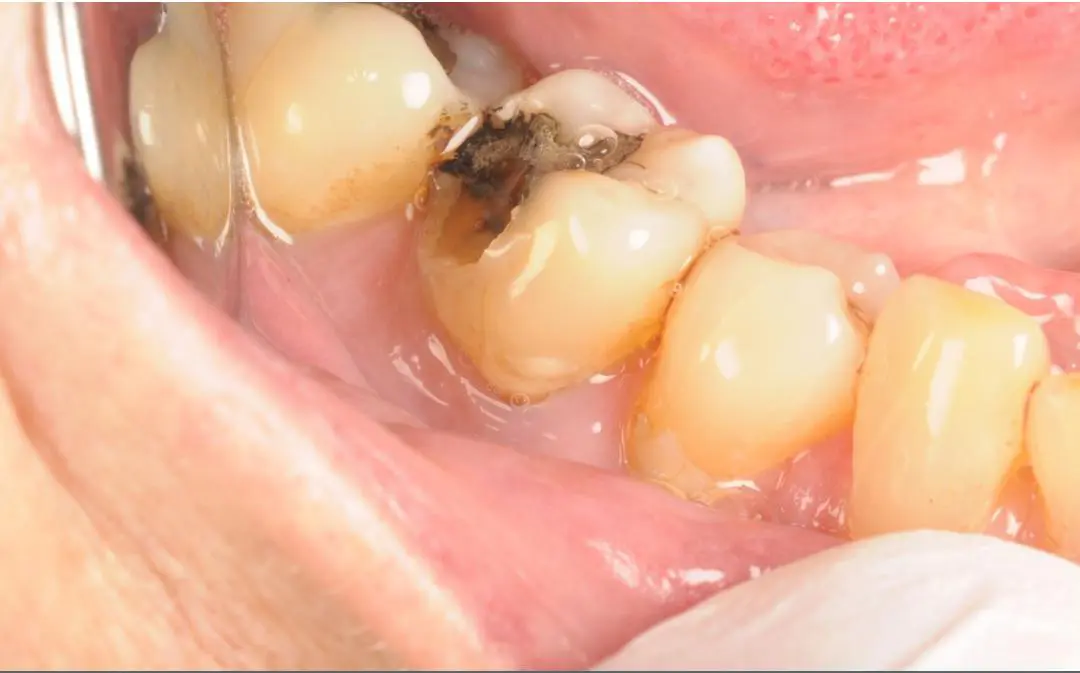
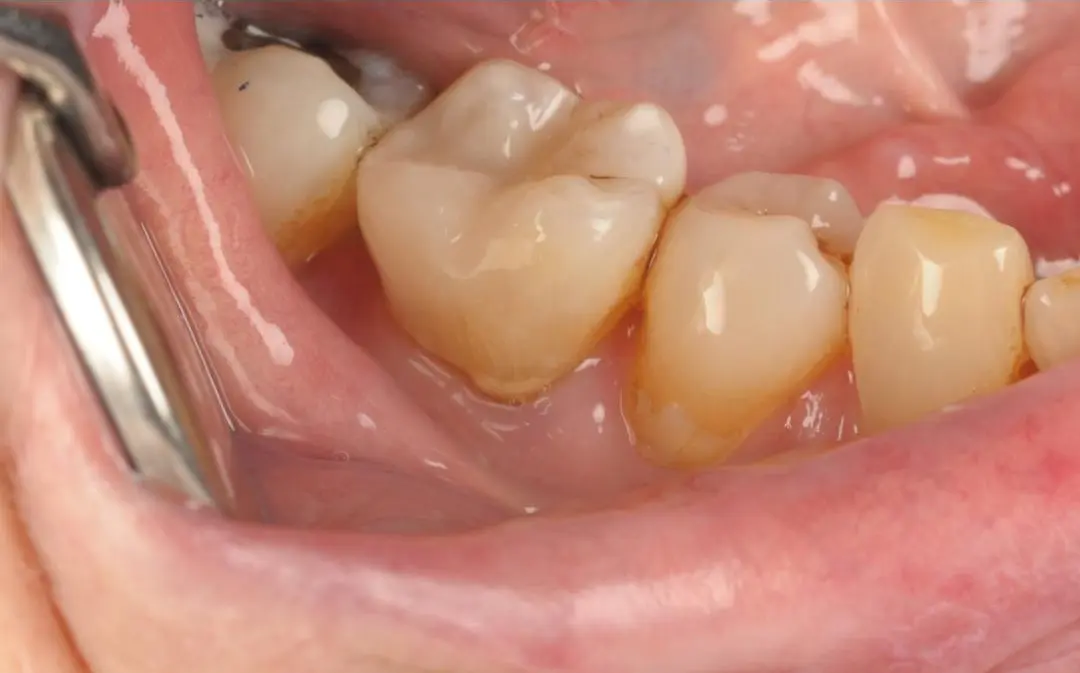
Real Patient Result: Emergency White Filling
Treatment by Dr Kamran
If you have questions about how restorations are fitted and assessed, the team at Emergency Dentist in London can provide guidance based on your individual circumstances.
How Is a High Filling Corrected?
The adjustment of a high filling is often a straightforward and relatively quick procedure, though the approach may vary depending on individual clinical circumstances. During an appointment, the dentist will ask you to bite onto a piece of articulating paper — a thin film that marks the points of contact between your upper and lower teeth. This helps identify precisely where the filling is making excess contact.
Using a dental handpiece, the dentist can carefully reshape or polish the surface of the filling to reduce its height and restore a more balanced bite. The process is usually painless and does not require anaesthetic in most cases.
It is important not to delay seeking this type of adjustment. While the discomfort may feel manageable initially, continued uneven pressure can place unnecessary strain on the tooth, the surrounding bone, and the jaw joint over time. Many patients report improvement in symptoms following a bite adjustment, though outcomes will vary depending on individual clinical circumstances.
For patients experiencing more complex dental concerns, a thorough dental examination can help clarify the underlying cause and appropriate next steps.
When Professional Dental Assessment May Be Appropriate
While a high filling is a common and often straightforward cause of bite-related discomfort, it is important to consider that pain when biting can sometimes arise from other causes. A professional dental assessment may be particularly appropriate if you notice:
- Pain that persists for more than a few days following a filling
- Increasing sensitivity to temperature that does not settle
- Swelling around the tooth or in the surrounding gum tissue
- A sensation of looseness in the tooth
- Throbbing discomfort that continues when you are not eating
- Any visible changes in the appearance of the tooth or surrounding gum
These symptoms may indicate other dental concerns, such as pulp inflammation, a cracked tooth, or a developing infection, that warrant clinical investigation. Symptoms should never be self-diagnosed, and professional assessment is always recommended where there is doubt or ongoing discomfort.
If you are concerned about post-filling pain or any other dental symptom, same-day dental appointments may be available for urgent concerns, allowing prompt evaluation without unnecessary delay.
Prevention and Oral Health Advice
While a high filling is not always entirely preventable — given the challenges of assessing bite during anaesthesia — there are practical steps that patients and clinicians can take to reduce the likelihood of the issue occurring or persisting:
- Communicate openly during your appointment: If your bite feels unusual or uneven once the anaesthetic has worn off, contact your dental practice promptly rather than waiting to see if it settles.
- Attend follow-up appointments: Regular dental check-ups allow clinicians to monitor the condition of existing restorations and address any changes in bite alignment over time.
- Avoid delaying adjustments: If a high filling is identified, arranging a correction appointment sooner rather than later can help prevent prolonged discomfort or complications.
- Maintain good oral hygiene: Caring for restored teeth with regular brushing, flossing, and appropriate interdental cleaning supports the longevity of dental work and overall oral health.
- Report persistent symptoms: Any ongoing sensitivity, pain, or changes in how the bite feels should be discussed with a dental professional.
Key Points to Remember
- A high dental filling occurs when a restoration sits slightly above the natural bite line, placing excess pressure on the affected tooth.
- Pain or discomfort when biting is one of the most common symptoms of a high filling.
- The condition arises partly because local anaesthetic can make it difficult to assess the bite accurately during the original appointment.
- A bite adjustment is often a quick procedure that may help relieve symptoms, though the outcome will depend on individual clinical assessment.
- Persistent or worsening symptoms following a filling should be assessed by a dental professional to rule out other causes.
- Early communication with your dental practice is key to resolving post-filling discomfort promptly.
Frequently Asked Questions
How long should pain from a new dental filling last?
Some mild sensitivity or discomfort following a dental filling is common and may settle within a few days as the tooth adjusts to the new restoration. However, if pain persists beyond one to two weeks, or if it is worsening rather than improving, this may suggest the filling requires adjustment or that another dental issue is present. It is always advisable to contact your dentist if post-filling discomfort does not resolve within a reasonable timeframe.
Can a high filling cause jaw pain or headaches?
Yes, in some cases. When a filling sits too high, the uneven bite pressure can place strain on the jaw muscles and the temporomandibular joint (TMJ) over time. This may contribute to jaw aching, muscle tension, or headaches, particularly upon waking. Addressing the bite alignment may help to alleviate these secondary symptoms in some cases, though persistent jaw pain should always be assessed by a dental professional to identify the underlying cause.
Is it normal for a tooth to be sensitive after a filling?
A degree of sensitivity following a filling is relatively common, particularly with deeper restorations that are placed closer to the tooth's pulp. Sensitivity to cold, heat, or pressure may be experienced for a short period after the procedure. However, sensitivity that intensifies, persists beyond two weeks, or is accompanied by spontaneous throbbing pain may indicate that the tooth requires further assessment.
Do I need to return to my dentist to adjust a high filling?
Yes. A high filling will not correct itself over time, and waiting may prolong discomfort or place unnecessary strain on the tooth. Bite adjustments are generally quick, painless, and straightforward, though individual circumstances may vary. Most dental practices are happy to accommodate post-filling adjustment appointments, and there is no reason to endure ongoing discomfort when a simple correction may help resolve the issue.
Can a high filling damage the tooth over time?
Prolonged exposure to uneven bite pressure may cause increased wear on the restored tooth and the opposing tooth it contacts, and in some cases may contribute to inflammation within the tooth or surrounding tissues. While a single high filling is unlikely to cause immediate structural damage, addressing the issue promptly is sensible for long-term dental health and comfort.
What happens during a bite adjustment appointment?
During a bite adjustment, your dentist will ask you to bite down on a thin sheet of articulating paper, which leaves marks showing where the teeth are making excessive contact. The dentist then uses a dental handpiece to carefully reduce the height of the filling in the areas of excess contact. The process is typically brief and comfortable, and many patients notice an improvement in bite comfort shortly afterwards, though individual results may vary.
Conclusion
Pain when biting following a dental filling can understandably feel concerning, but in many cases, a high dental filling is the explanation — and it is one that can often be addressed with a bite adjustment, subject to individual clinical assessment. Understanding the relationship between filling height, bite alignment, and tooth pressure can help patients feel more informed and confident when discussing symptoms with their dental team.
Good oral health is supported by clear communication, regular professional assessment, and prompt attention to any changes or concerns that arise following dental treatment. If you are experiencing discomfort after a recent filling, do not hesitate to contact your dental practice to discuss your symptoms.
Dental symptoms and treatment options should always be assessed individually during a clinical examination.
Disclaimer: This article is for general educational purposes only and does not constitute professional dental advice, diagnosis, or treatment. Every patient's circumstances are unique; dental symptoms and treatment options should always be assessed during a clinical examination by a qualified dental professional. No specific outcomes are guaranteed. This content has been prepared in line with GDC, CQC, ASA CAP Code, and GMC communication standards. If you have concerns about your oral health, please contact a registered dentist.
Next Review Due: 02 October 2027