
Many patients feel reassured after a filling appointment, only to notice a sharp sensation when drinking cold water later that day. If this happens, it can feel worrying, especially when you expected the tooth to feel completely normal straight away. Concern about a new filling sensitive to cold water is therefore very common.
In many cases, short-term sensitivity is part of normal post-treatment adaptation. A tooth that has recently been cleaned and restored can remain temporarily reactive, particularly if the cavity was deep. However, not all sensitivity patterns are the same, and persistent or worsening discomfort may need professional review.
This article explains the most common causes, the dental science behind cold sensitivity, signs that suggest assessment may be useful, and practical steps to support recovery.
Experiencing these symptoms?
Delaying treatment can lead to tooth loss. We have slots available today.
Why is a new filling sensitive to cold water?
A new filling sensitive to cold water is often caused by temporary irritation of dentine and pulp after restorative treatment. Mild symptoms usually settle as the tooth adapts. If sensitivity worsens, lingers after cold exposure, or is accompanied by biting pain, a dentist should assess the restoration and bite clinically.
Is post-filling cold sensitivity normal?
Mild cold sensitivity after a filling is frequently normal in the first days or weeks. During treatment, decay is removed and the tooth is restored, which can temporarily affect the nerve response inside the tooth. This does not always mean a complication.
Expected symptoms are usually brief and improving over time. You might feel a short sharp response to cold drinks, then no pain once the stimulus is removed. The key indicator is trend: discomfort should gradually reduce rather than intensify.
Meet Dr. Yasha Shirazi
Principal Dentist at Emergency Dentist London
"We treat hundreds of dental emergencies every month. The sooner you come in, the easier the fix usually is."
Book an appointment with our team →Assessment becomes more important when pain lingers after cold exposure, wakes you at night, or starts affecting chewing. If symptoms are severe, severe toothache treatment may be appropriate while the cause is evaluated.
Clinical explanation: why cold water triggers pain
Teeth are living structures. Beneath enamel sits dentine, which contains microscopic tubules connected to the pulp (the nerve and blood supply). Cold temperatures can trigger fluid movement in these tubules, stimulating nerve endings and creating a brief sharp sensation.
After filling placement, this response can feel stronger for a period because tissues have been recently treated and may be mildly inflamed. The depth of the original cavity also matters: deeper restorations are often closer to pulp tissue and can remain sensitive longer.
In some cases, bite stress can contribute. If a filling is slightly high, repeated pressure can irritate the tooth and increase temperature sensitivity. A clinical bite check can identify this and, if needed, a conservative adjustment may reduce symptoms, as explained in our guide to high filling tooth pain causes.
What can make sensitivity persist?
Persistent symptoms can have several causes, including ongoing pulpal irritation, bite imbalance, decay around an existing filling, restoration margin issues, or pre-existing crack lines in the tooth. High-frequency sugar or acidic drink intake may also keep symptoms active by promoting demineralisation and dentine exposure.
Night-time clenching or grinding may place additional force on a recently restored tooth. This can make a mild issue feel more intense and prolong recovery. In some situations, the tooth may require further management if the restoration has failed or partially dislodged, similar to pathways used in lost filling and crown replacement.
These possibilities are best differentiated clinically rather than by self-diagnosis. Many causes can be managed appropriately once identified.
When professional dental assessment may be needed
Arrange an assessment if sensitivity is not improving, becomes more intense, or starts to linger after temperature triggers. Also seek review for pain on biting, visible restoration damage, swelling, bad taste, or discomfort that disrupts sleep.
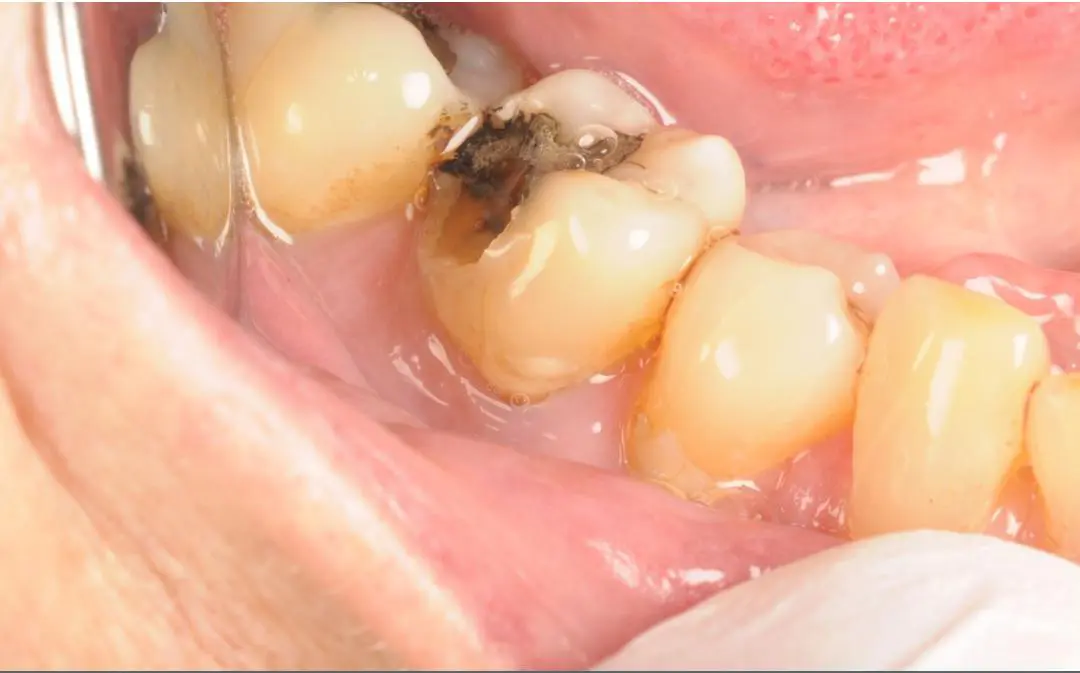
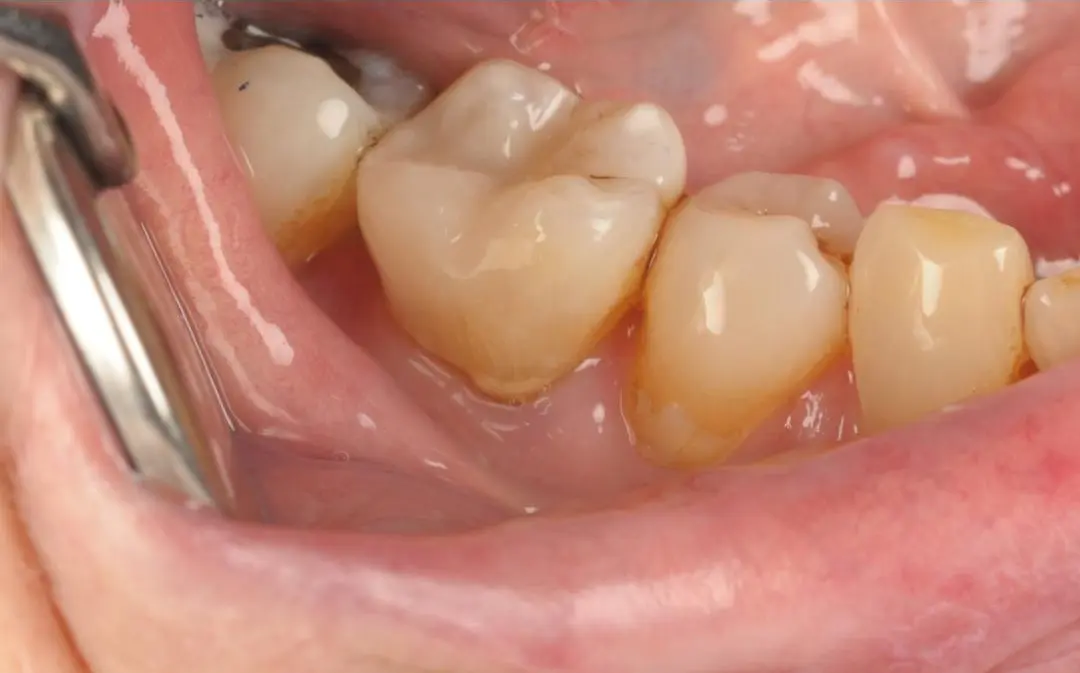
Real Patient Result: Emergency White Filling
Treatment by Dr Kamran
Urgent review is advisable for signs such as increasing swelling, fever, or throbbing pain, as these may suggest deeper inflammation or infection requiring prompt care. If there is structural damage to the tooth, a dentist may discuss options that align with broken tooth repair.
A proper diagnosis requires symptom history, examination, and imaging where clinically indicated. Treatment suitability always depends on individual clinical findings.
Prevention and practical aftercare advice
To support recovery and reduce future sensitivity risk:
- use fluoride toothpaste twice daily
- clean interdentally once daily
- reduce frequent acidic and sugary drinks
- avoid very cold triggers temporarily if they provoke discomfort
- return for review if symptoms persist beyond the expected settling period
If you clench or grind, discuss protective options with your dentist. Tailored prevention plans may include desensitising products and risk-based recall intervals. Consistent daily care and timely review often make the biggest difference to long-term comfort.
Key Points to Remember
- A new filling sensitive to cold water is common and often temporary.
- Symptom trend matters more than one isolated episode.
- Lingering, worsening, or bite-related pain should be checked.
- Bite adjustment may help when a restoration is slightly high.
- Treatment decisions depend on clinical examination and individual factors.
FAQs
How long can cold sensitivity last after a filling?
Mild sensitivity may last from a few days to several weeks, depending on cavity depth, tooth biology, and bite forces. Improvement should be gradual. If symptoms stay the same, worsen, or linger after cold triggers, it is sensible to arrange a review. Persistent pain is not always serious, but it should be assessed so the cause can be identified and managed appropriately.
Does cold sensitivity mean the filling was done incorrectly?
Not necessarily. Sensitivity can occur even after well-executed treatment because the tooth’s internal tissues may need time to settle. Factors such as deep decay, pre-existing nerve irritation, and bite forces can all contribute. A review can confirm whether the healing pattern is normal or whether adjustment is needed. Avoid assuming treatment failure without examination.
Can a high filling cause this type of discomfort?
Yes. If a filling sits slightly high, the tooth may take more force during chewing. Repeated stress can make the pulp more reactive, including to cold drinks. Patients sometimes notice that one tooth contacts first when they bite down. Dentists can usually check and correct this quickly if indicated.
Should I stop drinking cold water completely?
Usually, only temporary modification is needed. If cold drinks trigger pain, choose room-temperature drinks for a short period and reintroduce colder items gradually as symptoms settle. Complete long-term avoidance is rarely necessary. If sensitivity continues despite this, seek a dental assessment rather than relying only on avoidance strategies.
Conclusion
A new filling sensitive to cold water can be a normal short-term response, but persistent or worsening symptoms should be checked so the underlying cause can be identified accurately. Early professional review, combined with good preventive habits, supports safer and more predictable outcomes.
Dental symptoms and treatment options should always be assessed individually during a clinical examination.
Disclaimer: This article is intended for general educational purposes only and does not constitute personalised dental advice. Individual diagnosis and treatment recommendations require a clinical examination by a qualified dental professional.
Next Review Due: 14 October 2027