
Having a dental filling placed is one of the most routine procedures in dentistry, yet many patients find themselves experiencing unexpected discomfort in the days that follow. If you have recently had a filling and notice that your bite feels off, or that biting down causes a sharp twinge of pain, you are not alone. This is a common concern that prompts many people to search online for answers before returning to their dentist.
A filling that sits slightly too high — known clinically as a "high occlusion" — can interfere with the natural alignment of your bite and place undue stress on the affected tooth. Understanding why this happens, what symptoms it may cause, and when it is appropriate to seek dental advice can help you make informed decisions about your oral health.
This article explains the causes of a high dental filling, the symptoms it may produce, the underlying dental science involved, and the steps a dentist might take to resolve the issue comfortably and effectively.
Experiencing these symptoms?
Delaying treatment can lead to tooth loss. We have slots available today.
Featured Snippet Answer
Can a filling be too high and cause tooth pain?
Yes, a filling can be too high, a condition known as high occlusion. When a filling sits above the natural biting surface, it disrupts the alignment of your bite. This places increased pressure on the tooth during chewing, which can cause tooth pain, sensitivity, and discomfort in the surrounding jaw muscles. Adjustment by a dentist is usually straightforward.
What Does a "High Filling" Actually Mean?
When a dentist places a filling — whether composite resin, amalgam, or another material — the goal is to restore the tooth to its natural shape so that it fits seamlessly with the opposing teeth when you bite together. This is called achieving a correct occlusion.
Meet Dr. Yasha Shirazi
Principal Dentist at Emergency Dentist London
"We treat hundreds of dental emergencies every month. The sooner you come in, the easier the fix usually is."
Book an appointment with our team →A high filling occurs when the restorative material is marginally too thick, leaving the treated tooth sitting fractionally higher than the surrounding teeth. Even an excess of just a fraction of a millimetre can be enough to alter the dynamics of your bite significantly.
In many cases, the anaesthetic administered during the filling procedure temporarily numbs the mouth, making it difficult for a patient to accurately assess how their bite feels during the appointment. Once the numbness subsides, the discrepancy becomes more apparent — which is why some patients only notice the problem hours later.
A high filling is one of the more common post-treatment concerns, and it is important to understand that it is entirely correctable. If you are unsure whether your filling might be contributing to discomfort, our team at Emergency Dentist in London is available to help assess your symptoms promptly.
Symptoms That May Indicate a High Filling
Recognising the signs of a high filling can help you decide whether to contact your dental practice for a follow-up appointment. Common symptoms may include:
- Pain or discomfort when biting down — particularly a sharp or aching sensation focused on the recently treated tooth
- Increased sensitivity — to temperature, such as hot or cold foods and drinks
- A "clicking" or uneven sensation — when your teeth come together, suggesting your bite alignment is disrupted
- Soreness in the jaw, temples, or facial muscles — as surrounding structures compensate for the uneven bite
- Sensitivity when chewing — even with soft foods
- Headaches — in some cases, ongoing bite imbalance may contribute to tension headaches
It is worth noting that some mild sensitivity following a new filling is considered normal and often settles within a few days. However, if pain persists beyond a week, or if biting causes noticeable discomfort, it is advisable to contact your dentist for an assessment.
The Dental Science Behind Bite Pressure and Tooth Pain
To understand why a high filling causes pain, it helps to consider how forces are distributed across your teeth during normal biting and chewing.
Healthy teeth are designed to share biting forces evenly across multiple contact points when the upper and lower jaws meet. This distribution protects individual teeth, the periodontal ligament (the connective tissue anchoring each tooth to the jawbone), and the jawbone itself from excessive localised stress.
When a filling raises one tooth above its neighbours, that single tooth absorbs a disproportionate amount of force with every bite. This places strain on the periodontal ligament surrounding the tooth root, causing inflammation and pain — a condition sometimes referred to as occlusal trauma.
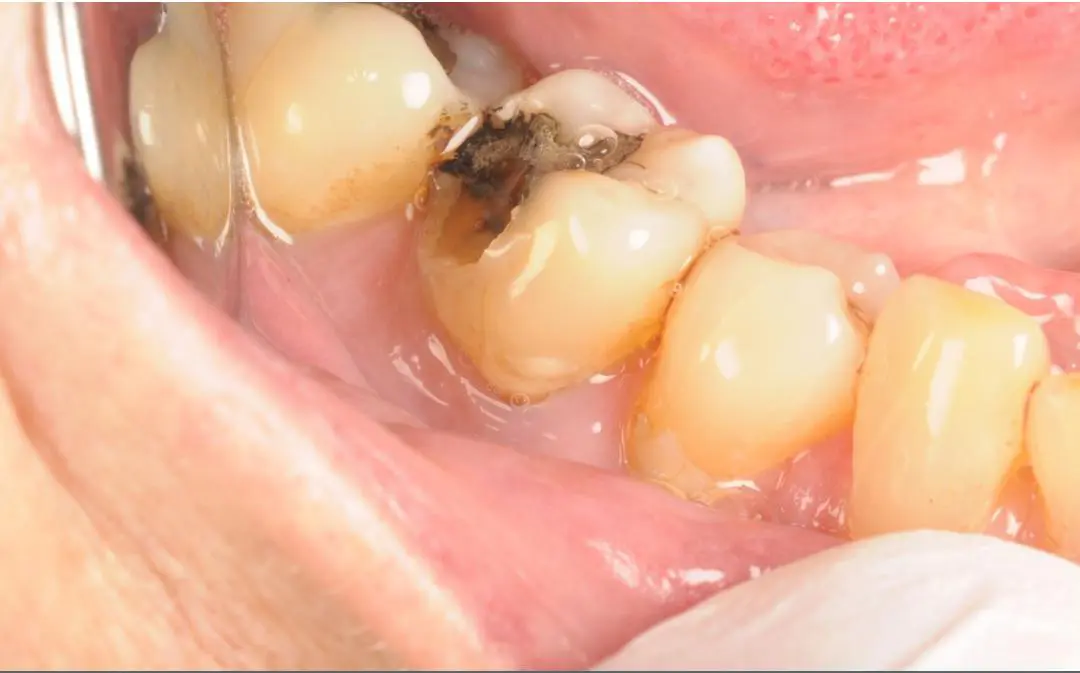
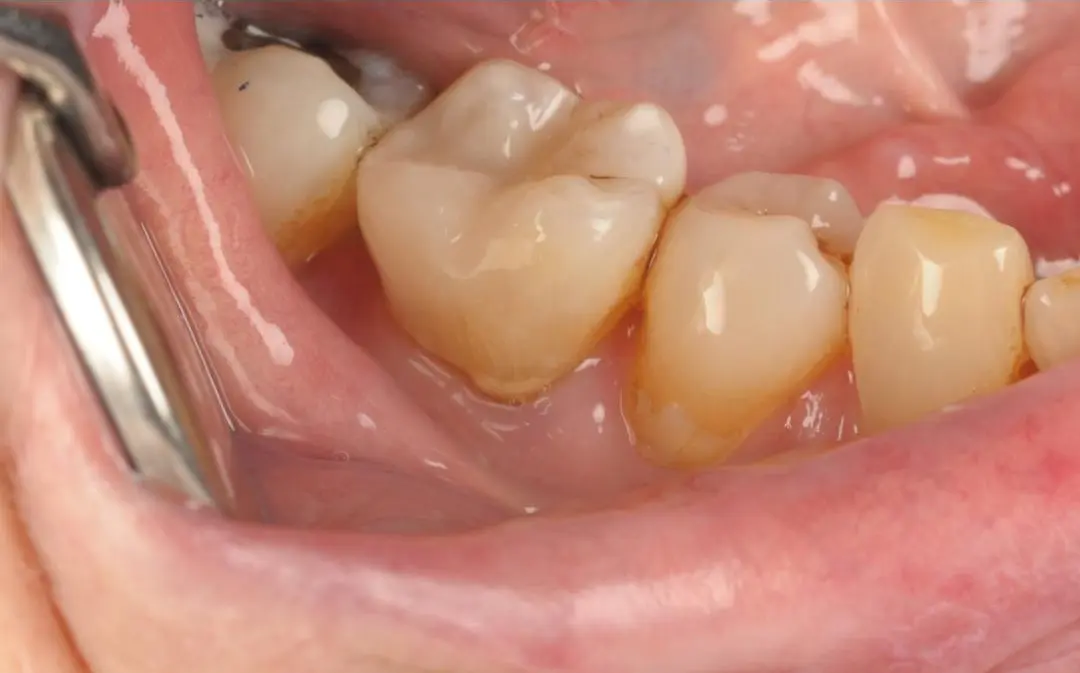
Real Patient Result: Emergency White Filling
Treatment by Dr Kamran
Over time, if left unaddressed, persistent high occlusion can potentially contribute to cracking of the tooth, wear on the enamel of opposing teeth, and heightened sensitivity. The pulp — the innermost layer of the tooth containing nerves and blood vessels — may also become temporarily irritated by the excess pressure, contributing to sensitivity.
Understanding this process helps explain why even a very small discrepancy in filling height can produce symptoms that feel disproportionately uncomfortable.
How a Dentist May Assess and Adjust a High Filling
If you visit your dentist with concerns about a high filling, the assessment process is typically straightforward and non-invasive.
Your dentist will likely ask you to bite down on a thin articulating paper — a diagnostic paper that transfers colour onto the tooth surfaces where contact occurs. This allows the dentist to identify precisely where the excess contact point is located.
Once identified, the high area is carefully adjusted using a dental burr, polishing the filling down in small increments until the bite feels balanced and comfortable. This process is usually quick and does not require anaesthesia in most cases, though individual clinical circumstances will determine the approach taken.
If you are experiencing pain from a dental filling and require prompt attention, you may find it helpful to explore emergency dental treatment options to have your symptoms assessed as soon as possible.
When Professional Dental Assessment May Be Needed
While some post-filling sensitivity is expected and typically resolves on its own, certain symptoms suggest that a professional evaluation may be appropriate sooner rather than later:
- Pain that persists or worsens beyond one to two weeks following the filling
- Sharp pain specifically when biting that does not improve with time
- Swelling or tenderness in the gum tissue around the treated tooth
- Sensitivity to temperature that lingers for more than a few seconds after the stimulus is removed
- Jaw muscle soreness or difficulty opening the mouth comfortably
- Symptoms spreading to adjacent teeth or the surrounding jaw
These signs do not necessarily indicate a serious problem, but they do warrant clinical evaluation. A dentist can assess whether a simple bite adjustment will resolve the issue, or whether further investigation is needed to rule out other causes such as pulpitis or a cracked tooth.
Prevention and Oral Health Advice
While a high filling is not always preventable — given that bite assessment during a numb appointment has inherent limitations — there are steps both patients and dental teams take to reduce the likelihood of this occurring:
- Communicating openly during your appointment about how your bite feels, even with numbness present, can help the dentist make initial adjustments
- Attending your scheduled dental check-ups means that any issues with existing restorations can be detected and corrected early
- Returning promptly for a follow-up if you notice bite discomfort after a filling prevents prolonged stress on the tooth
- Avoiding very hard foods in the days immediately following a filling gives the material time to settle and allows you to accurately gauge your bite
Maintaining regular dental attendance remains one of the most effective ways to protect your oral health and ensure that any restoration remains correctly adjusted over time. If you would like guidance on maintaining your dental health between appointments, exploring dental health advice and preventative care may be a helpful next step.
Key Points to Remember
- A high filling occurs when restorative material sits fractionally above the natural bite surface, disrupting occlusion
- Symptoms may include tooth pain when biting, temperature sensitivity, jaw soreness, and headaches
- The condition is caused by uneven distribution of biting forces, which can inflame the periodontal ligament
- Adjusting a high filling is typically a simple and quick procedure, though individual experience may vary
- Some post-filling sensitivity is normal but should improve within a week or two
- Persistent or worsening pain warrants a professional dental assessment
Frequently Asked Questions
How long should tooth pain last after a filling?
Some mild sensitivity or discomfort following a dental filling is considered normal and typically settles within a few days to two weeks. This may be due to temporary inflammation of the dental pulp or surrounding tissues following the procedure. If pain persists beyond two weeks, worsens over time, or is notably aggravated by biting, it is advisable to contact your dental practice. A dentist can assess whether the filling height requires adjustment or whether another cause needs to be investigated.
Can a high filling correct itself over time?
A high filling is unlikely to correct itself without dental intervention. While some patients find that their perception of the bite improves slightly as they adapt, the underlying occlusal discrepancy remains. Continued uneven biting pressure on the tooth can lead to ongoing discomfort and, in some cases, may contribute to further issues over time. A simple bite adjustment by your dentist is the recommended approach and is typically completed quickly during a short appointment.
Is it painful to have a high filling adjusted?
Adjusting a high filling is often a comfortable procedure. In many cases, no anaesthetic is required, though this will depend on individual clinical circumstances. The dentist uses a specialised dental burr to gently polish down the elevated area of the filling in small increments, asking you to bite on articulating paper at intervals to check the contact. Some patients notice an improvement in comfort once the adjustment is complete, though individual recovery experiences may vary and some residual sensitivity may take a short time to fully resolve.
Can a high filling cause jaw pain or headaches?
Yes, a high filling can contribute to jaw muscle discomfort and, in some cases, headaches. When the bite is uneven, the surrounding jaw muscles and temporomandibular joints (TMJ) must work harder to compensate, which can lead to muscular tension and soreness. This may manifest as tenderness in the jaw, temples, or behind the eyes. These symptoms are generally secondary to the bite imbalance and typically improve once the filling is correctly adjusted.
What should I do if I think my filling is too high?
If you suspect that a filling is too high, the most appropriate step is to contact your dental practice and arrange an appointment. There is no need to manage the discomfort for an extended period, as adjustment is straightforward. In the meantime, try to avoid chewing hard foods on the affected side and take over-the-counter pain relief if needed, following the manufacturer's guidance and ensuring it is appropriate for your individual health circumstances, including any existing medical conditions or medications. If you are in significant discomfort and unable to reach your regular dentist, an emergency dental clinic may be able to assist.
Can a high filling damage the tooth if left untreated?
If a high filling is left uncorrected for a prolonged period, the sustained uneven pressure on the tooth may contribute to complications. These can include increased sensitivity, inflammation of the pulp tissue, or in some cases, a greater risk of the tooth cracking under stress. It may also cause wear on the opposing teeth. Addressing the issue promptly by returning to your dentist for an adjustment is the best course of action to protect the long-term health of the tooth.
Conclusion
A filling that sits too high can be a source of genuine discomfort, but it is one of the more straightforward dental concerns to address. Understanding that this is a recognised and correctable issue — rather than a sign that something has gone seriously wrong — can be reassuring for patients experiencing post-filling tooth pain.
If your bite feels uneven, or if biting down causes persistent pain following a recent filling, contacting your dentist for a review is always the right step. A simple adjustment is often all that is needed to restore your comfort and protect the health of your tooth.
Remember that dental symptoms and treatment options should always be assessed individually during a clinical examination. No online resource can substitute for a professional evaluation tailored to your specific situation.
Disclaimer: This article is intended for general educational purposes only and does not constitute personalised dental advice. Individual diagnosis and treatment recommendations require a clinical examination by a qualified dental professional.
Next Review Due: 14 October 2027