
Discovering that your dental bridge has loosened whilst travelling can be an unsettling experience. Many people are unsure whether to seek immediate attention or wait until they return home — and that uncertainty is entirely understandable. A loose dental bridge is one of the more common dental concerns that prompts urgent online searches, particularly when it happens away from home and away from your usual dental practice.
A dental bridge is a fixed restoration designed to replace one or more missing teeth, anchored securely onto the natural teeth or implants on either side. When a bridge begins to loosen, it can affect your ability to eat, speak comfortably, and maintain normal oral hygiene — all of which matter significantly when you are away from your everyday routine.
This article explains why a dental bridge may loosen, what steps you can take to manage the situation whilst travelling, when seeking professional dental assessment would be advisable, and how to help protect your oral health in the longer term. The information here is educational in nature, and any specific concerns should always be assessed by a qualified dental professional.
Experiencing these symptoms?
Delaying treatment can lead to tooth loss. We have slots available today.
What Should You Do If Your Dental Bridge Loosens While Travelling?
If your dental bridge loosens whilst travelling, avoid applying pressure to the area and refrain from attempting to remove or refix the bridge yourself. Contact an emergency dental clinic as soon as possible. A loose dental bridge requires professional assessment to determine the cause, prevent further damage, and decide the most appropriate course of management.
Why Does a Dental Bridge Become Loose?
Understanding why a dental bridge may loosen can help you respond calmly and make informed decisions about seeking care.
Dental bridges rely on the structural integrity of the supporting teeth — known as abutment teeth — to remain stable. Over time, a number of factors can compromise this stability:
Meet Dr. Yasha Shirazi
Principal Dentist at Emergency Dentist London
"We treat hundreds of dental emergencies every month. The sooner you come in, the easier the fix usually is."
Book an appointment with our team →- Cement failure: The dental cement used to bond a bridge can gradually break down over years, particularly if exposed to repeated stress or if moisture affected the bond at the time of placement.
- Decay beneath the bridge: If decay develops in the abutment teeth, the foundation supporting the bridge weakens, which can cause movement or loosening.
- Gum disease progression: Advanced gum disease may affect the bone and tissue supporting the abutment teeth, reducing the stability of the entire bridge.
- Trauma or excessive bite force: An accidental knock, biting down on a hard food, or grinding teeth (bruxism) can dislodge a bridge that may otherwise have remained stable.
- Natural wear over time: Dental bridges typically have a lifespan of around ten to fifteen years, though this varies depending on oral hygiene, diet, and individual factors.
Identifying the underlying cause is important — which is why professional assessment is always recommended, rather than attempting any form of self-repair.
The Dental Science Behind Bridge Stability
A dental bridge is engineered to distribute bite forces across multiple teeth. The abutment teeth are prepared by reshaping them to accommodate dental crowns, over which the bridge is placed and bonded using dental adhesive cement.
The bond between the crown and prepared tooth depends on a precise fit, the quality of the cement, and the ongoing health of the underlying tooth structure. When any of these elements are compromised — whether through decay weakening the tooth, cement degradation, or physical damage — the bridge may begin to shift.
It is worth understanding that even a bridge that feels only slightly loose may be allowing bacterial ingress beneath the restoration. This creates conditions where decay can progress undetected, which is one reason why a loose bridge should not be left unattended for an extended period of time.
If you have an existing dental bridge and would like to understand more about how bridges work and what to expect from this type of restoration, our guide to dental bridges provides a helpful overview.
Immediate Steps to Take If Your Bridge Loosens While Travelling
If you notice your dental bridge has become loose whilst away from home, the following steps are generally advisable:
- Avoid putting pressure on the area. Try to chew on the opposite side and avoid sticky, hard, or chewy foods that could dislodge the bridge further.
- Do not attempt to remove or reattach the bridge yourself. Over-the-counter dental adhesives are not a reliable or safe substitute for professional dental cement, and improper application may complicate subsequent treatment.
- Keep the area clean. Continue to gently clean around the bridge using a soft toothbrush and, where possible, dental floss or interdental brushes.
- Contact a dental practice promptly. In the UK, emergency dental clinics are available in many cities and towns. If you are visiting London, emergency dental appointments may be available at short notice, subject to clinic availability.
- Store the bridge safely if it falls out. If the bridge becomes fully dislodged, store it carefully in a clean container. Do not attempt to place it back yourself without professional guidance.
For visitors to London experiencing an urgent dental concern, our emergency dentist for tourists page explains how to access timely care in the city.
When Professional Dental Assessment May Be Needed
Whilst a mildly loose bridge may not cause immediate pain, there are several situations where seeking prompt dental assessment would be particularly advisable:
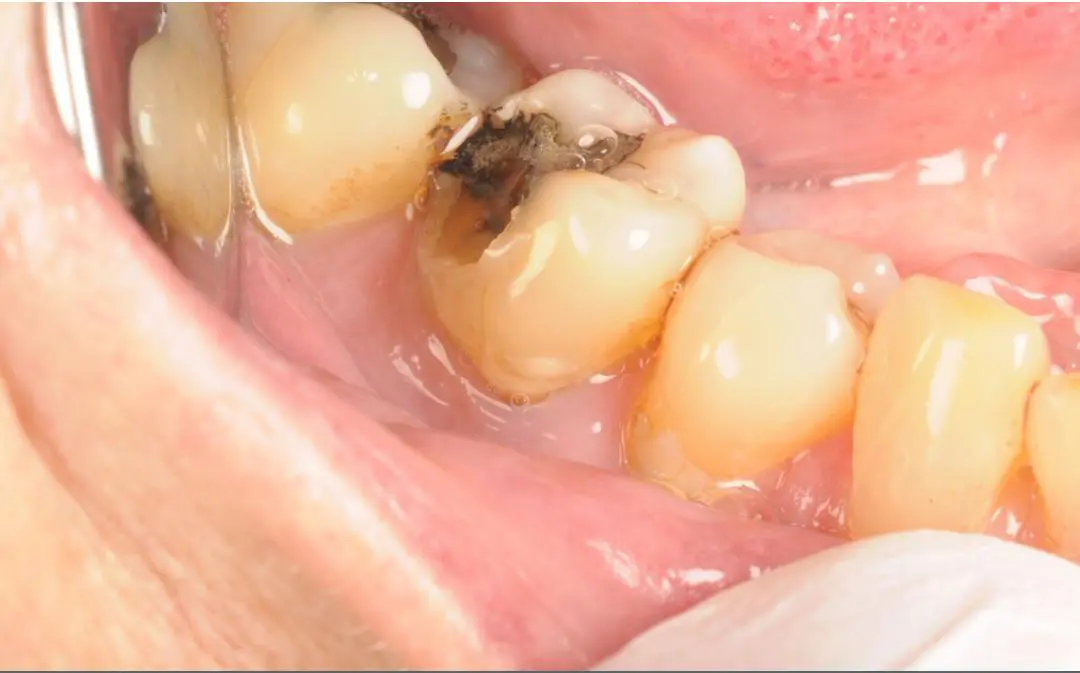
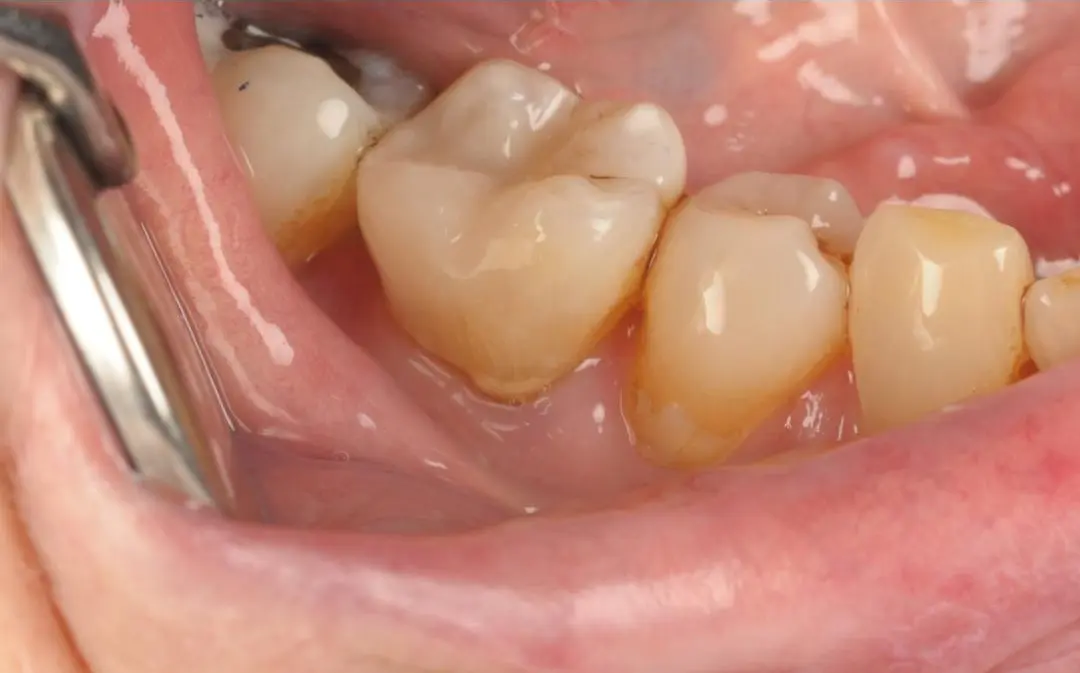
Real Patient Result: Emergency White Filling
Treatment by Dr Kamran
- Pain or discomfort around the bridge or abutment teeth
- Sensitivity to hot, cold, or sweet foods and drinks in the affected area
- Swelling or tenderness in the surrounding gum tissue
- A noticeable gap between the bridge and gum line
- The bridge has fully detached or is at risk of being swallowed
- Difficulty eating or speaking due to movement of the bridge
None of these symptoms should cause undue alarm, but they do indicate that the situation warrants professional evaluation without significant delay. Dental symptoms and treatment options should always be assessed individually during a clinical examination.
Prevention and Longer-Term Oral Health Advice
Maintaining the health and longevity of a dental bridge involves consistent oral hygiene and regular dental check-ups. Some practical steps that may help include:
- Flossing beneath the bridge using floss threaders or interdental brushes to remove plaque from areas that a toothbrush cannot easily reach
- Attending regular dental reviews so that any early signs of cement failure, decay, or gum changes can be identified and addressed in a timely way
- Wearing a night guard if you are known to grind your teeth, as bruxism can place excessive force on bridge restorations
- Avoiding habits such as biting nails, chewing pens, or opening packaging with your teeth, which can place undue stress on dental work
- Maintaining a balanced diet that limits high-sugar foods and drinks, reducing the risk of decay affecting abutment teeth
Your dental team can offer personalised guidance on how to care for your specific restoration. If it has been some time since your last dental review, booking a check-up appointment is a straightforward way to ensure your bridge and surrounding teeth are in good condition.
Key Points to Remember
- A loose dental bridge whilst travelling should be taken seriously and assessed by a dental professional as soon as reasonably possible.
- Do not attempt to reattach or remove a loose bridge yourself using over-the-counter products.
- Common causes include cement failure, decay beneath the bridge, gum disease, or physical trauma.
- Emergency dental care is available in many parts of the UK, including London, subject to clinic availability.
- Keeping the area clean and avoiding pressure on the bridge can help minimise further complications whilst awaiting professional care.
- Regular dental check-ups and proper bridge hygiene are the most effective ways to help maintain bridge stability over the long term.
Frequently Asked Questions
Can I eat normally if my dental bridge is loose?
It is advisable to avoid eating on the side of the loose bridge until it has been professionally assessed. Stick to soft foods and chew on the opposite side where possible. Hard, sticky, or chewy foods can place additional stress on a loosened bridge and may cause it to become further displaced. Seek dental advice as soon as you are able to, so that the cause of the loosening can be identified and appropriate management can be discussed.
Is a loose dental bridge a dental emergency?
A loose dental bridge should be treated as an urgent dental concern, though the level of urgency may depend on the degree of movement, any associated pain, and whether there is a risk of the bridge being swallowed. If you are experiencing pain, swelling, or the bridge is at significant risk of detachment, seeking care promptly from a private emergency dentist would be appropriate. Even without acute discomfort, the situation should not be left unaddressed for an extended period.
How long can a dental bridge last before it needs replacing?
Dental bridges typically have an estimated lifespan of around ten to fifteen years, though individual outcomes vary considerably. Factors such as oral hygiene habits, the health of the abutment teeth, diet, bite forces, and attendance at regular dental reviews all influence longevity. Some bridges last considerably longer than this estimate, whilst others may require attention sooner. Your dental professional is best placed to advise on the condition of your specific restoration.
Can a loose dental bridge be rebonded, or will it need replacing?
In some cases, a dental bridge that has become loose due to cement failure alone — without underlying decay or structural damage — may be able to be cleaned and rebonded by a dental professional. However, if the loosening is associated with decay in the abutment teeth, significant gum changes, or damage to the bridge itself, replacement or alternative treatment may be required. This determination can only be made following a clinical examination.
What happens if a loose dental bridge is left untreated?
Leaving a loose dental bridge without professional attention can allow bacteria to accumulate beneath the restoration, increasing the risk of decay developing in the abutment teeth. Over time, this may lead to more extensive dental problems affecting the supporting teeth and surrounding tissues. Seeking timely assessment helps to ensure that any issues are identified early and that appropriate options can be considered.
Are there temporary dental repair kits I can use whilst travelling?
Temporary dental repair products are available from some pharmacies, but these are not a substitute for professional dental care and should only be considered as a very short-term measure if dental access is not immediately available. They are generally not suitable for rebonding dental bridges and may interfere with the application of professional dental cement if used incorrectly. If you use such a product, inform your dental professional at your appointment.
Conclusion
Experiencing a loose dental bridge whilst travelling in the UK can understandably be a source of concern, but understanding what steps to take can help you respond calmly and effectively. The most important actions are to avoid placing pressure on the bridge, refrain from attempting self-repair, and contact a dental professional as soon as reasonably possible.
A loose dental bridge may have several underlying causes — from cement breakdown to changes in the supporting teeth — and only a clinical assessment can determine the most appropriate course of management. Emergency dental services are available in many parts of the UK, including London, although availability varies between clinics.
Whether you are a visitor to the city or a London resident caught off guard by a dental concern, early professional assessment is always the most advisable approach. Dental symptoms and treatment options should always be assessed individually during a clinical examination.
Disclaimer: This article is intended for general educational purposes only and does not constitute personalised dental advice. Individual diagnosis and treatment recommendations require a clinical examination by a qualified dental professional. No specific outcomes are guaranteed. This content has been prepared in line with GDC, CQC, ASA CAP Code, and GMC communication standards. If you have concerns about your oral health, please contact a registered dentist. If you have difficulty breathing or swallowing, call 999 or attend A&E.
Next Review Due: 11 November 2027