
Losing a tooth — whether through decay, trauma, or gum disease — can feel unsettling. Many people living with a gap in their smile find themselves wondering about their options, asking questions such as: "Can I replace a missing tooth without a denture?" or "What is a dental bridge, and is it right for me?"
These are entirely understandable concerns. A missing tooth is not simply a cosmetic issue. Over time, gaps in the dental arch can affect the way you chew, how your surrounding teeth position themselves, and even how your jawbone maintains its density. Understanding your options early is, therefore, an important step in protecting your long-term oral health.
Dental bridges are among the most established fixed solutions for replacing one or more missing teeth. This article explores what dental bridges are, how they work, the different types available, and the factors that a dentist would typically consider when assessing suitability. If you are dealing with a missing tooth and are unsure where to start, this guide is here to help.
Experiencing these symptoms?
Delaying treatment can lead to tooth loss. We have slots available today.
What Is a Dental Bridge?
A dental bridge is a fixed prosthetic restoration used to replace one or more missing teeth. It consists of one or more artificial teeth — known as pontics — anchored in place by crowns fitted over adjacent natural teeth or implants. Dental bridges restore appearance, chewing function, and help maintain dental alignment.
Understanding Why Missing Teeth Matter
Before exploring treatment options, it is helpful to understand why leaving a gap untreated may have consequences beyond appearance.
When a tooth is lost, the neighbouring teeth on either side of the gap can gradually begin to shift towards the empty space. This is because teeth naturally support one another within the dental arch. Without that structural support, tilting or drifting can occur over time. Equally, the tooth in the opposing jaw — the one that previously bit against the missing tooth — may begin to grow slightly in the direction of the gap, a process known as over-eruption.
Meet Dr. Yasha Shirazi
Principal Dentist at Emergency Dentist London
"We treat hundreds of dental emergencies every month. The sooner you come in, the easier the fix usually is."
Book an appointment with our team →Beneath the gum line, the jawbone relies on the stimulation provided by tooth roots to maintain its density. Once a root is absent, the bone in that area can begin to resorb (reduce in volume) gradually. This is a natural biological process, though it can become clinically significant over the longer term, particularly if implant-supported options are being considered in future.
The bite itself may also be affected. Changes in tooth alignment can alter the way upper and lower teeth meet, potentially placing uneven pressure on remaining teeth and the jaw joint. Understanding these considerations helps explain why dental professionals often recommend addressing missing teeth in a timely manner, following an individual clinical assessment.
What Is a Dental Bridge? A Closer Look
A dental bridge is a fixed dental restoration designed to span the gap left by one or more missing teeth. As the name suggests, it acts much like a structural bridge — supported at either end and spanning across the space in between.
The most fundamental components of a traditional dental bridge are:
- Abutment teeth — The natural teeth (or implants) on either side of the gap, which are prepared to support the bridge.
- Crowns — Dental caps placed over the prepared abutment teeth to anchor the bridge securely.
- Pontic(s) — The artificial tooth or teeth suspended between the crowns to fill the gap visually and functionally.
Dental bridges are bonded or cemented into place, meaning they are not removed for cleaning in the way a denture would be. This fixed nature is often cited by patients as one of the qualities they value, as the bridge functions more similarly to natural teeth in daily life.
Bridges may be made from several materials, including porcelain, ceramic, metal alloy, or a combination — and a dentist will typically discuss the most appropriate material based on the location of the gap, bite forces, and aesthetic requirements during a clinical consultation.
Types of Dental Bridge Commonly Used in UK Dentistry
There is no single design that suits every patient. A dentist will consider a range of clinical factors before recommending a particular type of bridge. Below is an overview of the most commonly used types within UK dental practice.
Traditional Fixed Bridge
This is the most widely used bridge design. It involves placing crowns on the two teeth on either side of the gap (abutment teeth), with a pontic suspended between them. The abutment teeth require preparation — meaning a layer of enamel is removed to accommodate the crowns. This is an irreversible step and is one of the clinical factors a dentist would discuss with you prior to treatment.
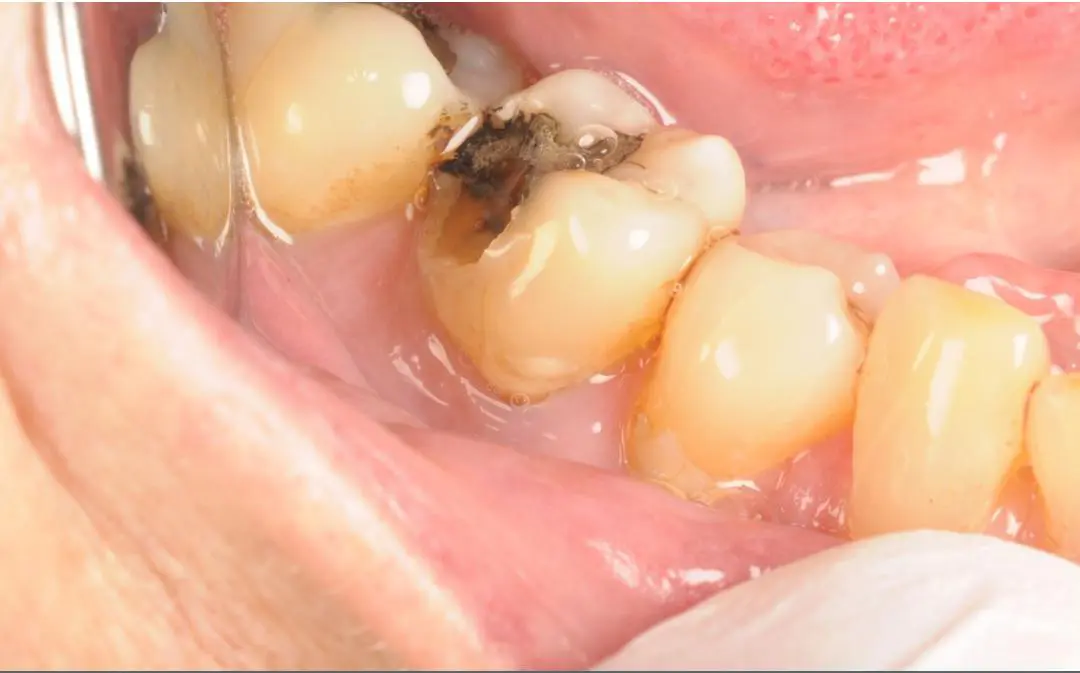
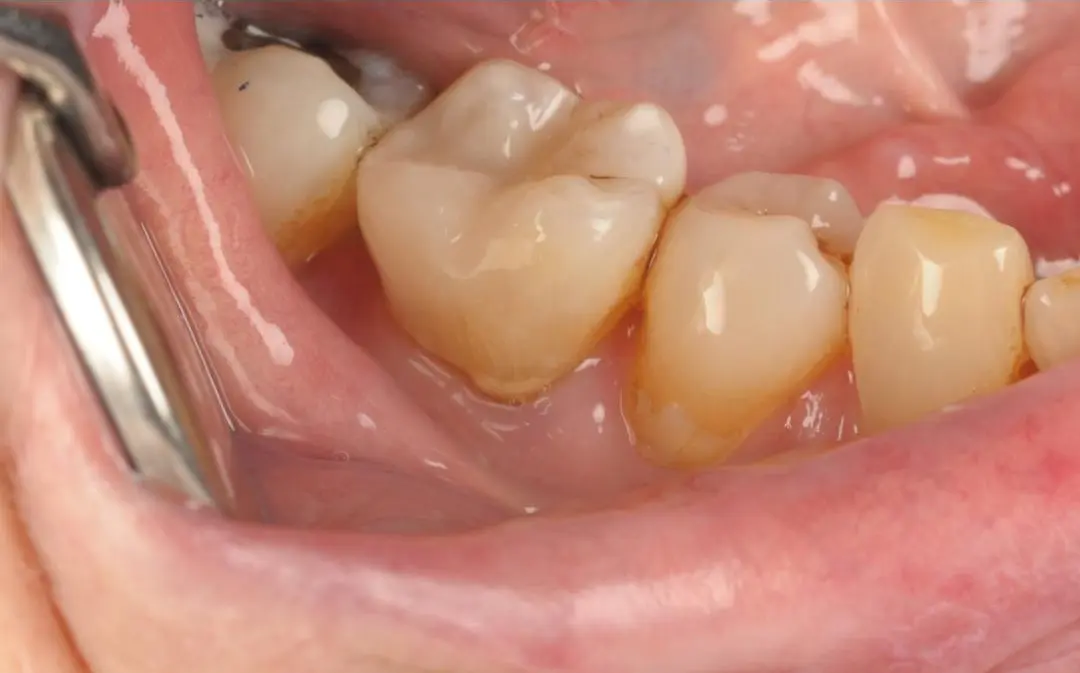
Real Patient Result: Emergency White Filling
Treatment by Dr Kamran
Cantilever Bridge
A cantilever bridge is supported on only one side — that is, it is anchored to a single abutment tooth rather than two. This design may be considered in areas of the mouth where there is only one adjacent tooth suitable for support, or where preserving a healthy adjacent tooth on the other side is a clinical priority. However, cantilever bridges are not appropriate in all situations and may carry different mechanical considerations, which your dentist would explain.
Maryland (Resin-Bonded) Bridge
A Maryland bridge, sometimes called a resin-bonded bridge, uses a different anchoring mechanism. Instead of crowns, the pontic is attached to the adjacent teeth using metal or tooth-coloured wings bonded to the back surfaces of those teeth. This approach is considered more conservative because it generally requires little or no removal of natural tooth structure. It may be particularly suited to replacing front teeth where bite forces are lower, though clinical suitability varies individually.
Implant-Supported Bridge
In cases where multiple adjacent teeth are missing, or where the available abutment teeth are not clinically suitable to support a bridge, an implant-supported bridge may be considered. Here, dental implants — small titanium posts placed within the jawbone — serve as the anchors rather than natural teeth. This approach addresses some of the bone preservation considerations discussed earlier and avoids placing load on neighbouring natural teeth. Implant-supported bridges require careful assessment of bone volume and overall health and involve a surgical placement phase.
If you are comparing fixed replacement options, this clinical comparison of implants versus bridges provides additional context.
The Clinical Science Behind Dental Bridges
Understanding a little about tooth anatomy and how the mouth functions helps explain both why bridges work and what to be mindful of following treatment.
Natural teeth are anchored in the jawbone via their roots. The visible part of the tooth — the crown — handles the functional forces of biting and chewing. When a crown or bridge is placed over a prepared tooth, it is designed to distribute and absorb these forces across a broader surface, protecting the underlying structure.
Dental porcelain and ceramic materials used in modern bridges are engineered to mimic the translucency and colour of natural tooth enamel, allowing restorations to blend naturally within the smile. Metal alloys may be incorporated into certain bridge designs to provide additional structural strength, particularly in areas subject to higher biting forces such as the back of the mouth.
For the bridge to function well over time, the abutment teeth must be in good health. If the supporting teeth have signs of decay, infection, or significant gum disease, these conditions would typically need to be addressed before bridge treatment could be considered. This is why a thorough dental examination — including X-rays to assess root and bone health — forms an essential part of the treatment planning process.
The gum tissue beneath the pontic also requires attention. Good oral hygiene around the bridge, including cleaning beneath the pontic using floss threaders or interdental brushes, helps to prevent plaque accumulation and gum inflammation in the area.
Factors a Dentist Would Assess Before Recommending a Bridge
Dental bridge suitability is not universal — it depends on a range of individual clinical factors that a dentist would evaluate during examination. Understanding these considerations can help patients feel more informed before their consultation.
Key factors typically assessed include:
- The health of adjacent teeth — The abutment teeth must be sufficiently strong and free from active disease to support a bridge safely.
- Gum and bone health — Healthy supporting tissues are essential for long-term bridge stability.
- The location and size of the gap — The position of the missing tooth within the dental arch, and whether one or more teeth are missing, influences which bridge design may be appropriate.
- The patient's bite — The way upper and lower teeth meet affects the mechanical forces placed on the bridge.
- Patient oral hygiene — Good ongoing oral hygiene is important for the longevity of any dental restoration.
- Overall dental and medical health — Certain medical conditions or medications can affect dental treatment planning.
A dentist will discuss the findings of their assessment, the available options, and the expected outcomes — including the limitations and long-term care requirements of any proposed treatment — before proceeding. Treatment suitability can only be determined following an individual clinical examination.
If you would like to explore your options for replacing a missing tooth, you may find it helpful to review our tooth replacement comparison treatments to understand the range of services on offer.
When Professional Dental Assessment May Be Appropriate
Whilst this article is intended as general educational information, there are a number of situations in which seeking professional dental advice promptly would be beneficial.
You may wish to arrange a dental assessment if you experience any of the following:
- A recently lost tooth — Whether through trauma, extraction, or tooth failure, prompt assessment allows timely discussion of replacement options while surrounding structures are still in good condition.
- Discomfort or sensitivity near a gap — Exposed root surfaces of neighbouring teeth, or changes in the way your bite feels, may warrant professional evaluation.
- Shifting or movement in surrounding teeth — If you notice that adjacent teeth appear to be changing position, an assessment can determine whether intervention is advisable.
- Difficulty chewing or changes in bite comfort — These functional changes can develop gradually and benefit from professional review.
- Swelling or discomfort around a failing restoration — If you already have a bridge that feels loose, causes discomfort, or is associated with any swelling, professional assessment is appropriate.
None of these concerns should cause alarm, but addressing them through professional assessment is a sensible and patient-centred approach. An experienced dentist can assess your individual situation and discuss what, if any, options may be appropriate for you.
Understanding the Process: What to Expect
For patients considering a conventional dental bridge, understanding the general stages involved can help reduce any uncertainty about the treatment journey. Please note that individual experiences vary, and a dentist would explain the specific steps relevant to your case.
Stage 1 – Initial Examination and Treatment Planning
The dentist carries out a comprehensive clinical examination, which typically includes dental X-rays to assess the health of the abutment teeth, roots, and surrounding bone. Treatment options are discussed and, if a bridge is considered appropriate, a treatment plan is outlined.
Stage 2 – Preparation of Abutment Teeth
For a traditional bridge, the abutment teeth are shaped to accommodate the crowns. Local anaesthetic is used to ensure comfort during this process. Detailed impressions (or digital scans) of the teeth are taken and sent to a dental laboratory for the bridge to be fabricated. A temporary bridge or cover is usually placed to protect the prepared teeth during this period.
Stage 3 – Fitting the Bridge
Once the laboratory-made bridge is returned, it is checked for fit, appearance, and bite accuracy. Adjustments may be made before the bridge is cemented or bonded into place. The dentist will confirm the bite and provide aftercare and cleaning guidance.
Ongoing Care
Regular dental check-ups and good daily oral hygiene — including attention to cleaning around and beneath the bridge — are essential to support the longevity of the restoration.
Watch: Understanding Dental Costs and Emergency Options in London
If you are currently navigating dental concerns in London and want to understand more about consultation costs and membership options, the following video may be helpful:
Please note: Any consultation fees or membership discounts referenced in the video above are illustrative only and may change. Actual costs vary by individual clinical need. A full written treatment plan with costs is provided after assessment.
If you have recently lost a tooth or are dealing with an urgent dental concern, our emergency dental consultation service in London is available to help you access timely professional assessment.
Caring for a Dental Bridge: Oral Health Advice
Once a dental bridge is in place, good oral hygiene habits play an important role in maintaining both the restoration and the surrounding teeth and gums. The following practical guidance is applicable to most patients, though your dentist may offer additional personalised advice based on your specific situation.
Clean around and beneath the bridge daily
Plaque can accumulate beneath the pontic and along the margins where the crowns meet the gum line. Standard floss may not reach these areas effectively, so floss threaders, superfloss, or interdental brushes are commonly recommended for cleaning beneath the bridge.
Brush twice daily with a fluoride toothpaste
This remains one of the most important habits for overall dental health. Use a soft-bristled toothbrush and pay particular attention to the gum line around the bridgework.
Use an antibacterial mouthwash if recommended
Your dentist may suggest incorporating a mouthwash to help manage bacterial levels around the restoration, particularly in the early stages after fitting.
Attend regular dental check-ups
Routine appointments allow the dentist to assess the bridge, the abutment teeth, and surrounding gum health. Any early signs of concern can be identified and managed promptly.
Be mindful of very hard or sticky foods
Whilst dental bridges are designed to withstand normal biting forces, consistently exposing them to very hard or particularly sticky foods may place unnecessary mechanical stress on the restoration.
Avoid habits such as nail-biting or using teeth as tools
These habits can place undue force on teeth and restorations and are generally best avoided.
Prevention and Long-Term Oral Health
Prevention remains the most effective approach to long-term dental health. Reducing the likelihood of tooth loss in the first instance is always preferable to addressing the consequences of a missing tooth. Whilst not all tooth loss is preventable — trauma, for example, cannot always be anticipated — many of the most common causes are closely linked to habits and oral hygiene practices within a patient's control.
Preventing decay through consistent brushing, appropriate fluoride use, and a diet lower in fermentable sugars helps protect teeth from the structural damage that can ultimately lead to tooth loss.
Managing gum disease through daily interdental cleaning and professional hygiene appointments reduces the risk of the progressive bone and tissue loss that can destabilise teeth over time.
Wearing a mouthguard during contact sports is a practical and straightforward step that can protect teeth from traumatic injury.
Attending regular dental appointments — typically every six to twelve months, depending on your individual risk profile — allows your dental team to monitor your oral health and intervene early where any concerns are identified.
If you are also weighing restorative longevity, this article on the long-term restorative value of implants and crowns may be useful.
If you have questions about maintaining your oral health or would like to explore preventative care options, information about dental hygiene and preventative care guidance may be a useful starting point.
Key Points to Remember
- Dental bridges are fixed prosthetic restorations that span the gap left by one or more missing teeth, anchored to adjacent teeth or implants.
- Several types of bridge exist, including traditional fixed bridges, cantilever bridges, Maryland (resin-bonded) bridges, and implant-supported bridges — each suited to different clinical situations.
- Suitability for a dental bridge depends on individual clinical factors including the health of adjacent teeth, gum and bone condition, and the nature of the gap.
- Missing teeth can affect more than appearance, potentially influencing bite alignment, neighbouring tooth position, and long-term jawbone health.
- Good daily oral hygiene — including specific cleaning beneath the bridge — is essential to maintaining the restoration and surrounding structures.
- Professional dental assessment is the only appropriate way to determine which tooth replacement option, if any, is suitable for your individual circumstances.
Frequently Asked Questions
How long does a dental bridge typically last?
The longevity of a dental bridge depends on a number of variables, including the type of bridge, the materials used, the health of the abutment teeth, and importantly, the quality of daily oral hygiene and regular professional maintenance. Many well-maintained bridges can remain functional for ten years or more, though individual outcomes will vary. A dentist would be best placed to discuss realistic expectations based on your specific clinical situation during a consultation.
Is getting a dental bridge painful?
The preparation phase of a traditional bridge involves working on the abutment teeth, which is carried out under local anaesthetic to maintain patient comfort. Some mild sensitivity or discomfort in the days following preparation is not uncommon, though this typically settles. If you experience persistent or significant discomfort at any stage of the treatment process, you should contact your dental practice for advice. Individual experiences differ, and your dentist will aim to keep you as comfortable as possible throughout.
Can a dental bridge be fitted immediately after a tooth extraction?
In most cases, dentists prefer to allow a period of healing after tooth extraction before taking impressions for a bridge, as the gum and bone contour changes during healing can affect the fit of the restoration. The timing varies depending on clinical circumstances. Your dentist will advise on the most appropriate timeline based on your individual situation. In certain circumstances, interim options may be discussed to manage the appearance of the gap during the healing period.
What is the difference between a dental bridge and a denture?
A dental bridge is a fixed restoration — it is permanently secured and is not removed by the patient. A denture (partial or full) is a removable appliance that is taken out for cleaning. Both can be used to replace missing teeth, and the most appropriate option depends on individual clinical factors including the number and position of missing teeth, the health of remaining teeth, and patient preferences. A dentist would discuss both options, along with their respective advantages and limitations, during a clinical assessment.
How do I clean beneath a dental bridge?
Cleaning beneath the pontic (the artificial tooth spanning the gap) requires tools that can pass under the bridge. Floss threaders allow conventional dental floss to be guided beneath the pontic. Superfloss — a type of dental floss with a stiffened end and a spongy middle section — can also be used. Interdental brushes of an appropriate size may be helpful for some patients. Your dentist or hygienist will demonstrate the most effective technique for your specific bridge at your review appointment.
Are dental bridges suitable for everyone with a missing tooth?
Dental bridges are not automatically suitable for every patient with a missing tooth. The clinical suitability of a bridge depends on the health and strength of the adjacent teeth, the condition of the surrounding gum and bone, the location and extent of the gap, and other individual health factors. Alternative options — such as dental implants or partial dentures — may be more appropriate in certain circumstances. Only a dentist can advise on the most suitable approach following a thorough clinical examination.
Conclusion
Dental bridges represent a well-established and clinically recognised approach to replacing missing teeth with a fixed restoration that aims to restore both function and appearance. Understanding what a dental bridge is, the types available, and the factors that influence suitability empowers patients to engage more confidently in conversations with their dental team.
It is important to remember that dental bridges are not a one-size-fits-all solution. Suitability depends on individual clinical factors that can only be properly evaluated during a professional dental examination. Whether a bridge, an implant, or another approach is most appropriate for you is a decision that should always be made in partnership with a qualified dental professional, based on your specific clinical picture.
If you are dealing with a missing tooth or have concerns about the state of your dental health, arranging a professional assessment is always a sensible first step. Early evaluation allows your dentist to discuss the full range of options available and support you in making an informed decision.
Dental symptoms and treatment options should always be assessed individually during a clinical examination.
Disclaimer
This article is for educational and informational purposes only and is not a diagnosis or treatment recommendation.
Dental symptoms and treatment suitability vary by individual and require a face-to-face clinical examination by a qualified dental professional.
Any references to fees or treatment timelines are indicative only; final recommendations and costs are confirmed after assessment.
This content follows General Dental Council (GDC) communication standards, Care Quality Commission (CQC) patient safety principles, and ASA CAP Code healthcare advertising guidance.
If you have symptoms, seek prompt professional dental assessment.