
When a tooth becomes severely damaged or infected, many patients face a common and understandably worrying question: should the tooth be saved or removed? The decision between root canal treatment and tooth extraction is one that dental professionals consider carefully, taking into account the overall health of the tooth, the surrounding structures, and the patient's individual circumstances.
If you have been experiencing persistent toothache, sensitivity, or swelling, you may have already begun searching online for answers. Understanding what each procedure involves — and when one might be more appropriate than the other — can help you feel more informed when speaking with your dentist.
This article explains both treatments clearly, explores the dental science behind them, and offers guidance on when professional assessment may be the most helpful next step. Wherever possible, preserving a natural tooth is considered a priority in modern dentistry, though this is always subject to clinical evaluation.
Experiencing these symptoms?
Delaying treatment can lead to tooth loss. We have slots available today.
Featured Snippet: What Is the Difference Between Root Canal Treatment and Tooth Extraction?
Root canal treatment and tooth extraction are two approaches to managing a severely infected or damaged tooth. Root canal treatment removes infected tissue from inside the tooth, preserving the natural structure. Tooth extraction removes the entire tooth. Whenever clinically viable, dentists typically aim to retain the natural tooth through root canal therapy before considering extraction.
Understanding the Structure of a Tooth
To appreciate why these two treatments exist, it helps to understand basic tooth anatomy. Each tooth has three main layers: the outer enamel, the middle layer called dentine, and the innermost chamber known as the pulp.
The pulp contains nerves, blood vessels, and connective tissue. It plays an important role during tooth development, but a fully matured tooth can function without it. When bacteria penetrate through decay, a crack, or injury, they can reach the pulp and cause an infection. This infection may produce pain, swelling, and sensitivity — and if left untreated, it can spread beyond the tooth itself.
Meet Dr. Yasha Shirazi
Principal Dentist at Emergency Dentist London
"We treat hundreds of dental emergencies every month. The sooner you come in, the easier the fix usually is."
Book an appointment with our team →Understanding this process helps explain why root canal treatment focuses specifically on the internal chamber of the tooth, while extraction removes the tooth entirely when preservation is no longer considered clinically appropriate.
What Is Root Canal Treatment?
Root canal treatment, sometimes called endodontic treatment, is a procedure designed to remove infected or inflamed pulp tissue from inside the tooth. Once the pulp is removed, the internal canals are cleaned, shaped, and sealed with a filling material. A crown is often placed afterwards to protect and restore the tooth's function.
The procedure is typically carried out under local anaesthesia and may be completed in one or two appointments, depending on the complexity of the case. Many patients report that the procedure itself is no more uncomfortable than having a filling placed.
Root canal treatment aims to eliminate infection while preserving the natural tooth, which can help maintain jawbone density, bite alignment, and the overall structure of surrounding teeth. Suitability for root canal treatment depends on a thorough clinical assessment, including dental X-rays to evaluate the extent of infection and the condition of the root canals.
If you are experiencing symptoms that may indicate a dental infection, it is worth exploring whether root canal treatment may be an appropriate option following a professional examination.
What Is Tooth Extraction?
Tooth extraction is the removal of a tooth from its socket in the jawbone. It may be recommended when a tooth is too severely damaged, decayed, or infected to be saved through restorative means. Extraction may also be considered when there is insufficient bone support, or when the tooth has fractured in a way that cannot be repaired.
There are two main types of extraction: simple extractions, which are performed on visible teeth under local anaesthesia, and surgical extractions, which may be required for teeth that are impacted, broken, or positioned beneath the gum line.
Following an extraction, the gap left behind may require management. Options such as dental implants, bridges, or dentures may be considered to restore function and aesthetics, though these decisions are made on an individual basis following further assessment.
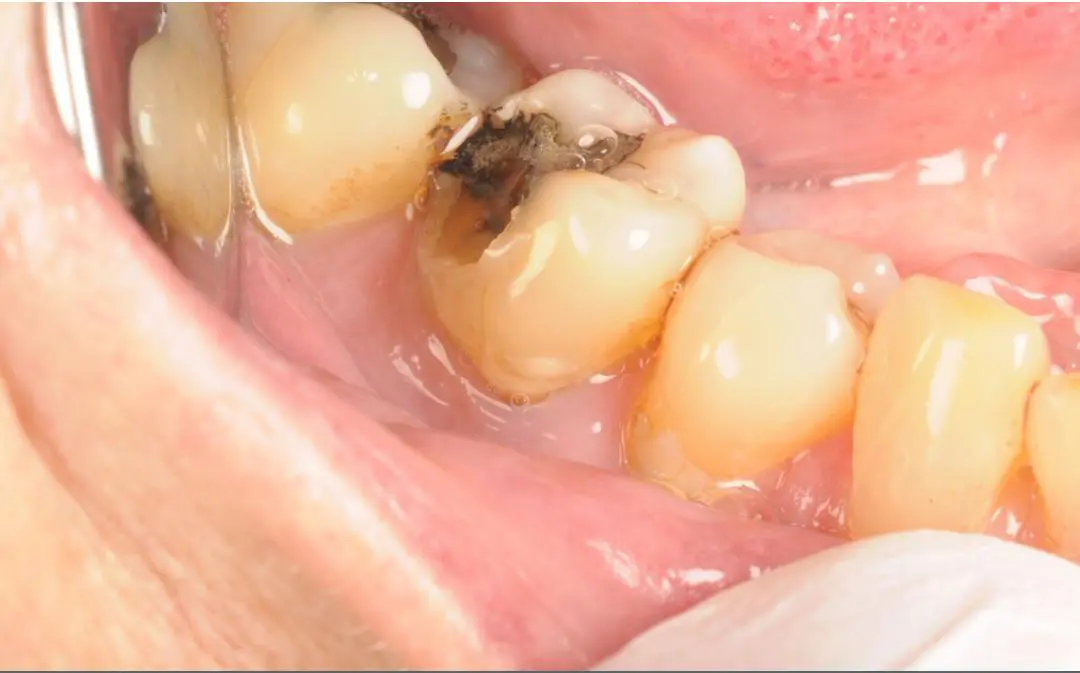
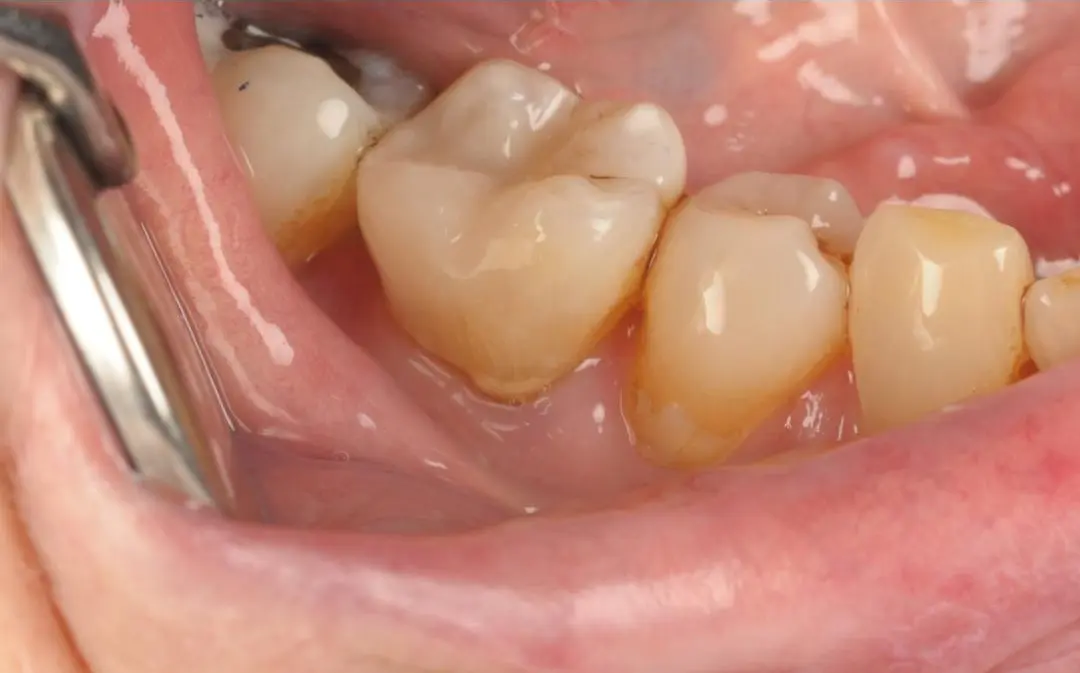
Real Patient Result: Emergency White Filling
Treatment by Dr Kamran
Tooth extraction is not a decision taken lightly by dental professionals. It is generally considered when preserving the tooth is no longer clinically feasible or in the patient's best long-term interest.
When Might Professional Dental Assessment Be Needed?
Certain symptoms may indicate that a tooth requires prompt professional attention. These include:
- Persistent or throbbing toothache that does not resolve
- Sensitivity to heat or cold that lingers after the temperature stimulus is removed
- Swelling of the gum, jaw, or face in the area around a tooth
- Discolouration of a tooth without obvious external cause
- A small raised bump on the gum near the affected tooth, which may indicate the presence of an abscess
- Pain when biting or applying pressure to a specific tooth
These symptoms do not necessarily confirm that a particular treatment is required — only a clinical examination can determine that. However, they are indicators that professional dental advice may be helpful sooner rather than later.
If you are in pain and seeking prompt care in London, an emergency dental appointment can provide timely assessment and relief options.
How the Decision Is Made: Root Canal vs Extraction
The choice between root canal treatment and extraction is based on several clinical factors. Dentists consider the degree of infection, the structural integrity of the tooth, the condition of the surrounding bone, and the patient's overall oral health and medical history.
Where possible, most dental professionals prefer to retain the natural tooth. Natural teeth generally function more effectively than prosthetic replacements, and preserving them can help maintain the alignment of neighbouring teeth and the health of the jawbone over time.
However, there are circumstances in which extraction is the more appropriate course of action — for example, when a tooth is too severely fractured, when an infection has substantially compromised the surrounding bone, or when root canal treatment has previously been attempted without success.
A dentist will explain both options, including their respective advantages, limitations, and associated costs, so that patients can make an informed decision in partnership with their clinician.
Oral Health and Prevention Advice
While not all dental infections are preventable, maintaining good oral hygiene significantly reduces the risk of decay progressing to a point where root canal treatment or extraction might become necessary.
Practical steps to support dental health include:
- Brushing twice daily with a fluoride toothpaste, ensuring all tooth surfaces are cleaned thoroughly
- Flossing or using interdental brushes daily to remove plaque between teeth where toothbrushes cannot reach
- Attending regular dental check-ups so that early signs of decay or damage can be identified and managed promptly
- Reducing sugar consumption, particularly between meals, to limit the acid production that contributes to enamel erosion
- Wearing a mouthguard if you play contact sports, to reduce the risk of tooth trauma
- Seeking prompt dental advice if you notice any changes in a tooth, such as sensitivity, discolouration, or discomfort
Early intervention remains one of the most effective ways to avoid more complex treatment. Routine dental examinations allow dental professionals to monitor your oral health and address concerns before they escalate.
Key Points to Remember
- Root canal treatment aims to preserve a natural tooth by removing infected pulp tissue from inside the tooth.
- Tooth extraction removes the tooth entirely and is generally considered when the tooth cannot be saved through restorative treatment.
- Both procedures are typically carried out under local anaesthesia and are designed to relieve pain and resolve infection.
- The choice between the two treatments depends on a clinical assessment of the individual tooth and surrounding structures.
- Preserving natural teeth is generally the preferred approach in modern dentistry, where clinically appropriate.
- Good oral hygiene and regular dental check-ups remain the most effective tools for avoiding advanced dental treatment.
Frequently Asked Questions
Is root canal treatment painful?
Root canal treatment is performed under local anaesthesia, which numbs the area being treated. Most patients report that the procedure itself is not significantly more uncomfortable than having a filling placed. Some mild tenderness or sensitivity in the days following treatment is common as the area heals. Your dentist can advise on appropriate pain management. If discomfort is a concern, it is worth discussing this with your clinician prior to treatment so that your experience can be managed as comfortably as possible.
How long does a tooth extraction take to heal?
Healing time following a tooth extraction varies depending on the complexity of the procedure and the individual patient. Simple extractions typically involve a healing period of several days to a couple of weeks, during which a blood clot forms in the socket and tissue begins to repair. Surgical extractions may involve a longer recovery period. Your dentist will provide specific aftercare guidance to support healing and reduce the risk of complications such as infection or dry socket.
Can I choose between root canal treatment and extraction?
Patients are encouraged to discuss their preferences with their dentist, and clinicians will aim to explain the options available. However, not all teeth are suitable candidates for root canal treatment, and in some cases extraction may be the only appropriate clinical recommendation. A thorough examination, including dental X-rays, is necessary before either option can be confirmed as suitable. Shared decision-making between the patient and clinician is central to good dental care.
What happens if I do nothing?
Leaving a severely infected or damaged tooth untreated is not generally advisable. Dental infections can progress and, in some cases, may spread to surrounding teeth, the jawbone, or other areas. Symptoms such as swelling, pain, and sensitivity are the body's signals that something requires attention. If you are concerned about a tooth, seeking professional advice at an early stage typically provides more treatment options and may help avoid more complex procedures further down the line.
Is tooth extraction always cheaper than root canal treatment?
The initial cost of a tooth extraction may be lower than root canal treatment, however it is important to consider the longer-term picture. Following an extraction, restoring the gap with an implant, bridge, or denture involves additional cost and treatment. The total cost of tooth replacement may exceed that of preserving the natural tooth through root canal treatment. Your dentist can discuss treatment costs and the full range of options during a consultation.
Will I need a crown after root canal treatment?
In many cases, a crown is recommended following root canal treatment to protect the tooth and restore its appearance and function. A tooth that has undergone root canal treatment can become more brittle over time, and a crown helps to protect it from fracture. Whether a crown is required will depend on the location of the tooth and the amount of natural tooth structure remaining. Your dentist will advise on the most appropriate restoration following treatment.
Conclusion
Understanding the difference between root canal treatment and tooth extraction can help patients feel more prepared when facing difficult dental decisions. Root canal treatment focuses on preserving the natural tooth by removing infection from within, while extraction removes the tooth when preservation is no longer clinically feasible. Both procedures are valuable tools in dental care, and the most appropriate option will depend entirely on the clinical circumstances of each individual case.
Good oral hygiene, a balanced diet, and regular dental check-ups remain the most effective ways to support long-term dental health and reduce the likelihood of requiring either procedure.
If you are experiencing tooth pain, swelling, or sensitivity, seeking professional dental advice promptly is always a sensible step.
Dental symptoms and treatment options should always be assessed individually during a clinical examination.
Disclaimer: This article is intended for general educational purposes only and does not constitute personalised dental advice. Individual diagnosis and treatment recommendations require a clinical examination by a qualified dental professional.
Next Review Due: 28 October 2027