
Many adults are surprised when discomfort returns in a tooth that was treated years ago. If you notice a sharp twinge with cold drinks, food trapping beside an old restoration, or occasional bite pain, it is natural to wonder whether the filling has failed. If the discomfort started soon after recent treatment, our guide to new filling sensitivity to cold water may also help you compare symptom patterns. This is one reason many people search for information about decay around an existing filling before booking an appointment.
In practice, this issue is relatively common and often manageable when assessed early. A filling repairs previous damage, but it does not make the tooth permanently immune to future decay. Over time, plaque, dietary acids, everyday wear, and small marginal changes can affect the tooth around a restoration. Understanding what is expected and what should be checked professionally can help you respond calmly and promptly.
This guide explains why recurrent decay can happen, what signs to look out for, how dentists evaluate and treat it, and practical ways to reduce risk in the future.
Experiencing these symptoms?
Delaying treatment can lead to tooth loss. We have slots available today.
What happens if decay develops around an existing filling?
If decay develops around an existing filling, bacteria affect tooth tissue at or beneath the restoration margin. This may cause sensitivity, food trapping, or pain on biting. After clinical examination and, where indicated, X-rays, your dentist may recommend monitoring, repairing, or replacing the filling depending on tooth structure and disease extent.
Why decay can return around a previously treated tooth
Recurrent decay (sometimes called secondary caries) occurs when new decay forms at the edge of a filling or beneath it. This can happen gradually and without obvious early pain. Reasons vary from person to person and often include a combination of factors rather than one single cause.
Daily chewing and temperature changes can slowly affect the interface between filling and tooth. If margins become rough, worn, or slightly open over time, plaque can accumulate more easily. Frequent sugary snacks, acidic drinks, dry mouth, and inconsistent interdental cleaning can increase risk further.
Meet Dr. Yasha Shirazi
Principal Dentist at Emergency Dentist London
"We treat hundreds of dental emergencies every month. The sooner you come in, the easier the fix usually is."
Book an appointment with our team →It is important to remember this does not automatically mean the original treatment was poor. Teeth and restorations change over time, and even well-placed fillings may eventually require maintenance or replacement. Routine dental reviews are useful because they allow subtle changes to be identified before larger complications develop.
Symptoms that may suggest decay around a filling
Not everyone with recurrent decay feels immediate pain. Some people only notice mild cold sensitivity or food packing around one tooth. Others may experience tenderness when biting, a rough edge with the tongue, or occasional discomfort that comes and goes.
Symptoms that can justify earlier assessment include:
- sensitivity to cold that is new or getting worse
- sharp pain when chewing on one side
- visible change near the edge of a filling
- persistent bad taste from one area
- gum irritation around the tooth
These signs do not confirm a diagnosis on their own. Similar symptoms can also arise from a high bite point after a filling, crack lines, gum recession, or tooth grinding. If pain becomes more persistent, severe toothache treatment may be appropriate while the underlying cause is investigated.
Clinical explanation: what happens inside the tooth
A tooth has an outer enamel layer, underlying dentine, and a central pulp that contains nerves and blood vessels. Decay starts when acids from oral bacteria repeatedly demineralise enamel. If this process continues, bacteria can progress into softer dentine, where spread may be quicker.
Around a filling, this process can begin at microscopic points where plaque remains undisturbed. If bacteria penetrate deeper, the tooth may become temperature-sensitive or painful on biting. In more advanced cases, inflammation can affect the pulp tissue, increasing symptom intensity.
Dentists assess this with a combination of history, visual examination, bite checks, and radiographs where clinically justified. The aim is to identify whether the main issue is active decay, marginal breakdown, crack-related pain, or pulpal inflammation so treatment is targeted and conservative where possible.
Treatment options after professional assessment
Management depends on disease extent and remaining tooth strength. If changes are minimal, your dentist may advise preventive support and short-interval review. If active decay is present near a restoration margin, repairing or replacing the filling is often considered.
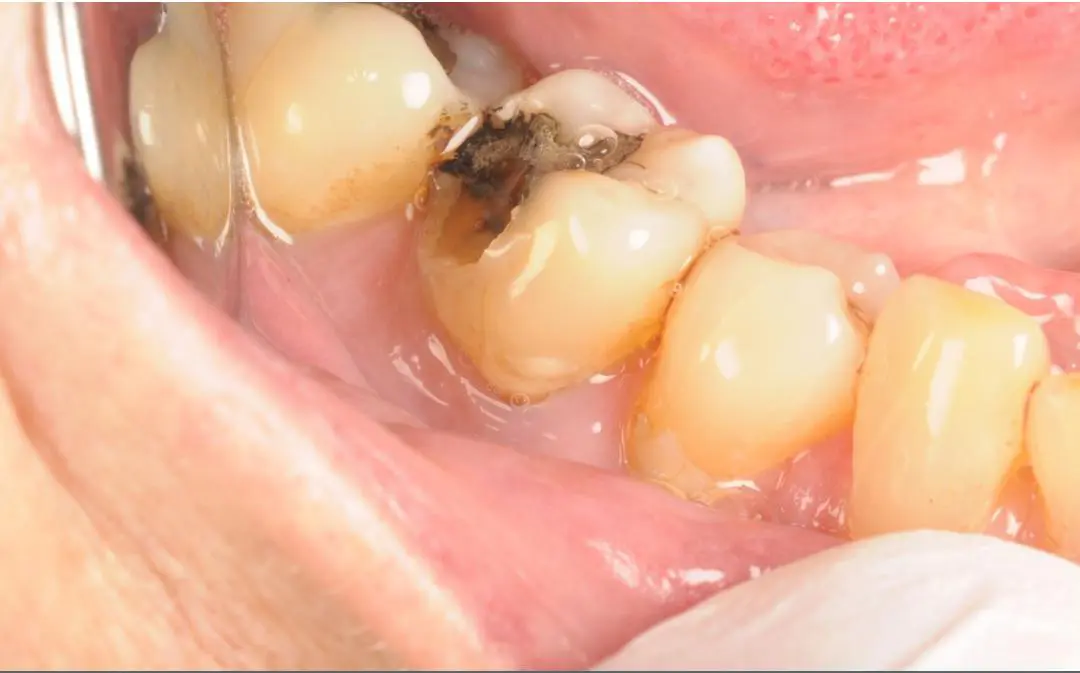
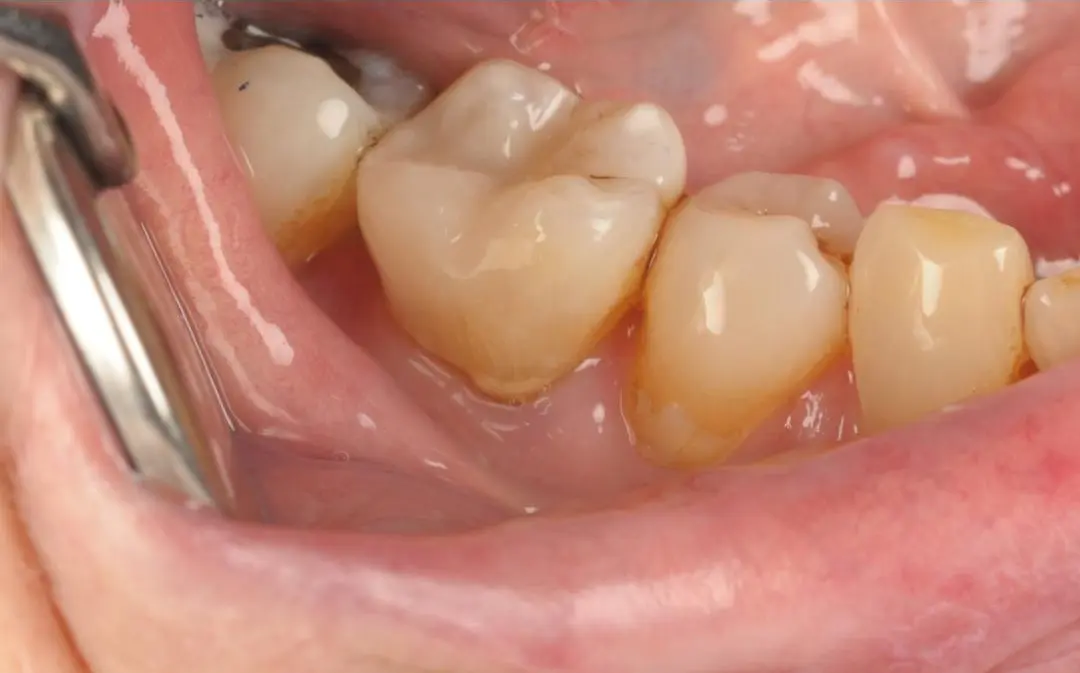
Real Patient Result: Emergency White Filling
Treatment by Dr Kamran
If a restoration is broken, missing, or no longer seals the tooth effectively, lost filling and crown replacement may be discussed. Where deeper structures are affected, treatment can involve more extensive restoration, and in selected cases root canal therapy may be considered to preserve the tooth.
There is no one-size-fits-all pathway. Suitability depends on clinical findings, radiographic appearance, symptoms, bite forces, and your wider oral health risk profile.
When a prompt dental review is advisable
Book a professional assessment if discomfort lasts beyond a short period, sensitivity worsens, or chewing becomes difficult. More urgent evaluation may be appropriate if there is facial swelling, fever, persistent throbbing pain, or gum swelling around the tooth, as these can indicate active infection.
In such cases, a dentist may assess whether care aligned with dental abscess treatment is needed. Early assessment is generally the safest route because it can reduce the chance of progression and support less invasive care.
Prevention and oral health advice
You can lower the risk of future decay around restorations with consistent daily habits:
- brush twice daily with fluoride toothpaste
- clean between teeth once daily
- reduce frequency of sugary and acidic snacks
- drink water regularly, especially if you have dry mouth
- attend routine reviews at intervals advised for your risk level
For higher-risk patients, dentists may suggest targeted prevention such as high-fluoride products and tailored dietary guidance. Prevention is most effective when personalised rather than generic.
Key Points to Remember
- Decay can develop around old fillings even when they have been stable for years.
- Symptoms may be mild at first, so regular reviews remain important.
- Diagnosis requires clinical assessment; symptoms alone are not definitive.
- Treatment can range from monitoring to repair or replacement.
- Early action often supports simpler and more conservative care.
FAQs
Can decay grow under a filling without obvious pain?
Yes, this can happen. Early recurrent decay may not cause noticeable pain, especially if it is limited to enamel or outer dentine. Some patients only become aware of changes when food starts trapping, sensitivity appears, or routine examination identifies a problem on imaging. That is one reason periodic dental reviews are valuable even when you feel generally comfortable. If decay is detected early, treatment is often more conservative than in later stages.
Does a dark line around a filling always mean decay?
Not always. Discolouration around a restoration can represent staining, material wear, or true recurrent decay. Visual appearance alone is not enough to confirm the cause. Dentists use a structured assessment, including symptom history, examination of restoration margins, and imaging where indicated. This helps avoid over-treatment and ensures that active disease is managed appropriately when present.
Can an old filling be repaired, or must it always be replaced?
In some situations, a localised repair may be possible, especially when only a small part of the restoration is affected and the remaining structure is sound. In other cases, full replacement is more appropriate to remove decay and recreate a durable seal. The decision depends on the size and location of the defect, tooth strength, bite factors, and your individual risk profile.
How can I protect filled teeth long term?
Long-term protection relies on plaque control, fluoride use, diet moderation, and regular professional monitoring. Brushing and interdental cleaning reduce bacterial load at restoration margins, while reducing sugar frequency lowers acid attacks. If you have dry mouth, previous recurrent decay, or high cariogenic risk, ask your dentist for a personalised prevention plan. Tailored support usually gives better outcomes than generic advice alone.
Conclusion
Decay around an existing filling is a common clinical finding and is often manageable when identified in good time. Understanding early signs, maintaining preventive habits, and arranging assessment when symptoms persist can help preserve tooth structure and reduce treatment complexity.
Dental symptoms and treatment options should always be assessed individually during a clinical examination.
Disclaimer: This article is intended for general educational purposes only and does not constitute personalised dental advice. Individual diagnosis and treatment recommendations require a clinical examination by a qualified dental professional.
Next Review Due: 14 October 2027