
Dental discomfort rarely follows a convenient schedule. Whether it is a sudden toothache that develops on a Saturday morning or a chipped tooth noticed on a Sunday afternoon, many people in London find themselves searching online for urgent dental care outside of standard working hours. The question of weekend dental accessibility is one that affects thousands of adults across the capital every week.
Understanding where to turn when a dental issue arises at the weekend — and knowing which symptoms may warrant prompt professional attention — can make a meaningful difference to both comfort and long-term oral health outcomes. This article explores what weekend dental care in London typically involves, the types of urgent clinical situations that may benefit from weekend access, and what patients can reasonably expect when seeking out-of-hours dental support. It also offers practical oral health guidance to help patients make informed decisions about their dental care.
What Is Weekend Dental Accessibility in London?
Weekend dental accessibility refers to the availability of dental services outside standard Monday–Friday hours, including Saturdays and Sundays. In London, some private dental clinics offer weekend emergency dentist appointments to support patients experiencing urgent clinical needs — such as dental pain, swelling, or trauma — who may be unable to wait until the following week for assessment.
Experiencing these symptoms?
Delaying treatment can lead to tooth loss. We have slots available today.
Why Weekend Dental Access Matters for London Patients
London is a busy, densely populated city, and for many working adults, weekday dental appointments can be genuinely difficult to arrange. Shift workers, parents managing school schedules, and professionals with demanding weekday commitments often find that evenings and weekends represent their only realistic window for dental care.
When an urgent dental situation arises — a cracked tooth, persistent toothache, or a dislodged restoration — waiting several days for an appointment may not always be practical or comfortable. Weekend dental accessibility addresses this gap in provision, ensuring that patients who experience clinical symptoms at the weekend have an appropriate route to professional assessment without feeling they must either suffer discomfort or present unnecessarily to an NHS 111 service or hospital emergency department.
Private dental clinics in London offering weekend services can help reduce the overall burden on wider healthcare systems. By providing a dedicated pathway for dental concerns, these clinics support patients in receiving clinically appropriate care in a timely manner. Access to weekend dental care also encourages patients to seek assessment earlier, which may, in some cases, support better clinical outcomes — though individual results always depend on the nature and severity of the presenting issue.
Meet Dr. Yasha Shirazi
Principal Dentist at Emergency Dentist London
"We treat hundreds of dental emergencies every month. The sooner you come in, the easier the fix usually is."
Book an appointment with our team →Common Urgent Dental Situations That May Arise at Weekends
Several types of dental concerns may present over a weekend and benefit from prompt professional review. While this list is not exhaustive, some of the more commonly reported urgent situations include:
Toothache or dental pain — Persistent or severe tooth pain is one of the most frequently reported reasons patients seek weekend dental care. Pain may arise from various underlying causes, including decay, dental abscess, a cracked tooth, or gum-related issues. The underlying cause can only be determined through a clinical examination.
Dental trauma — Falls, sporting injuries, and accidents can result in chipped, fractured, or displaced teeth. Prompt assessment following dental trauma is generally recommended by dental professionals, as early intervention may support better outcomes in some situations.
Lost or damaged restorations — A filling, crown, or bridge that becomes dislodged or damaged may leave an exposed tooth surface, which can be sensitive and may benefit from timely attention.
Facial swelling — Swelling around the jaw, face, or gums may indicate an underlying infection and should generally be assessed by a dental professional promptly. Swelling associated with difficulty breathing or swallowing warrants emergency medical attention by calling 999.
Broken dentures or dental appliances — For patients who rely on dentures or removable appliances, breakage can significantly affect daily function and comfort.
If you are experiencing a dental concern that is causing you discomfort or worry, exploring emergency dental care options in London may help you understand the services available to you.
Understanding the Clinical Science Behind Dental Urgency
To understand why prompt assessment is recommended in certain situations, it helps to have a basic understanding of tooth structure and how dental problems can develop.
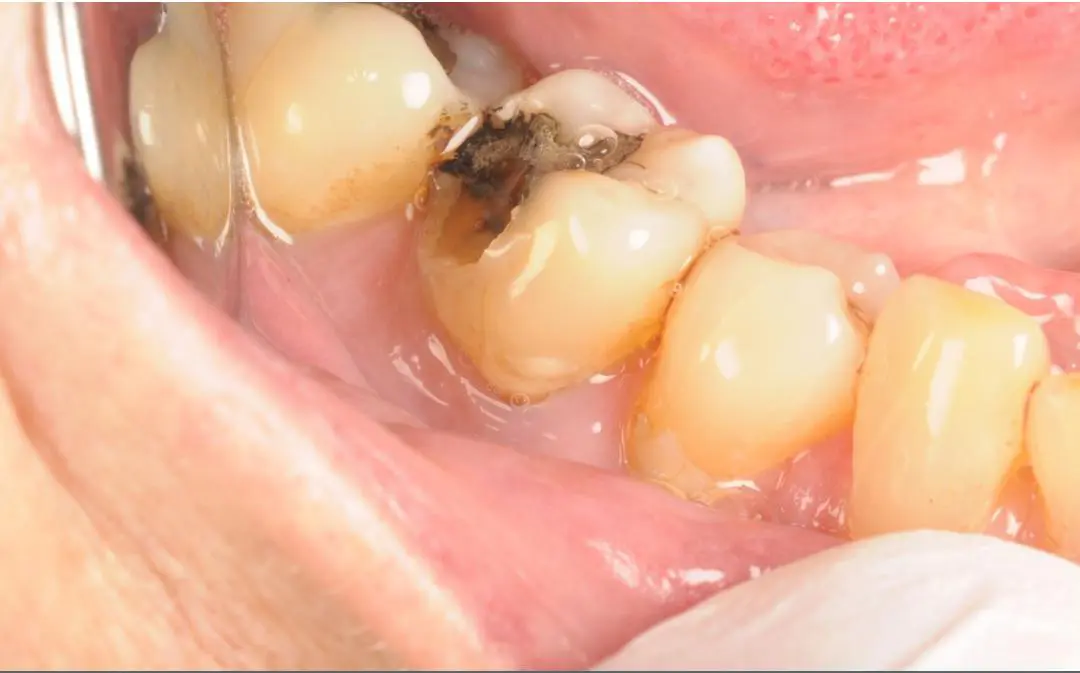
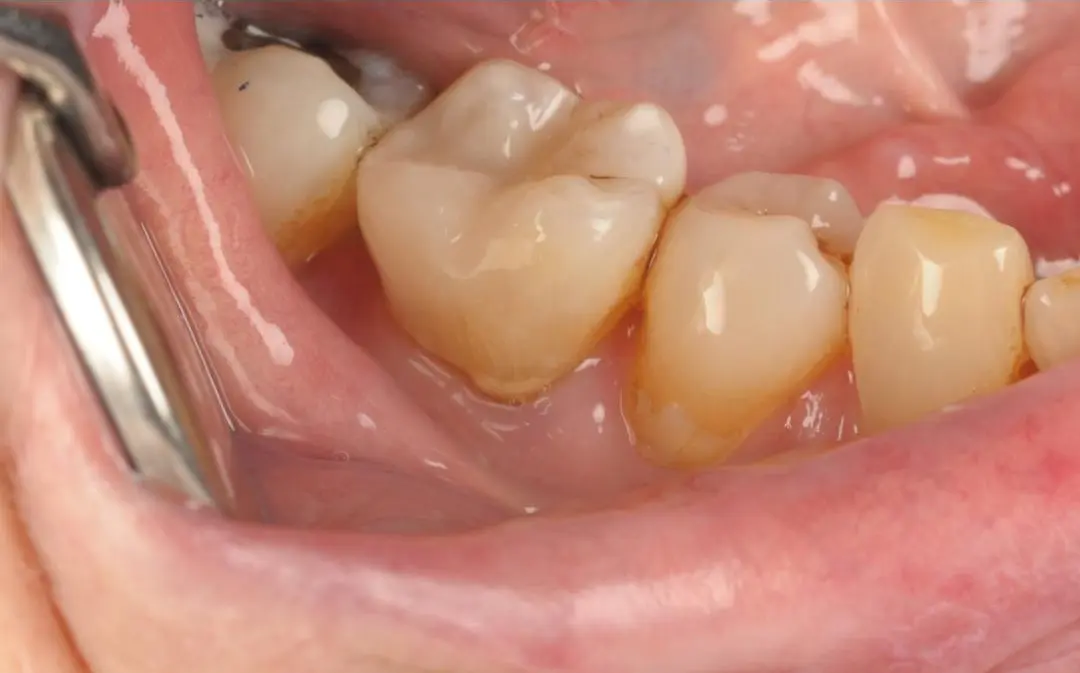
Real Patient Result: Emergency White Filling
Treatment by Dr Kamran
Each tooth is composed of several layers. The outermost layer — enamel — is the hardest substance in the human body and serves as a protective shell. Beneath it lies dentine, a softer, porous layer that contains microscopic tubules connecting to the innermost chamber of the tooth, known as the pulp. The pulp houses the nerves and blood vessels that keep the tooth vital.
When enamel is compromised — whether through decay, fracture, or erosion — dentine becomes exposed. Because dentine is more porous, it transmits sensations more readily to the pulp, which is why patients often report heightened sensitivity or pain when a tooth is damaged or decayed. If decay progresses to the point where bacteria reach the pulp, infection can develop. In some cases, untreated pulp infection can spread to surrounding tissues, which is why swelling alongside toothache may indicate a concern that warrants timely clinical assessment.
A dental abscess, for example, results from a bacterial infection that causes a collection of pus to form around the tooth or within the surrounding gum tissue. This type of condition does not resolve on its own and typically requires professional treatment. Understanding this process helps explain why early professional assessment is generally considered beneficial when significant symptoms are present.
When Professional Dental Assessment May Be Appropriate
Not every dental concern requires an emergency appointment, but there are certain signs and symptoms that may indicate a need for professional dental assessment sooner rather than later. It is always worth contacting a dental practice if you are uncertain about whether your symptoms require prompt attention.
Situations that may benefit from professional assessment at the weekend include:
- Persistent or severe dental pain that is not relieved by over-the-counter pain relief and is affecting your ability to eat, sleep, or carry out daily activities
- Visible swelling of the face, jaw, or gums, particularly if accompanied by a raised temperature or feeling unwell
- Dental trauma following an accident or injury, especially if a tooth has been knocked out, significantly displaced, or fractured
- A lost or broken restoration leaving exposed tooth structure that is causing discomfort or sensitivity
- Bleeding that does not settle following a tooth extraction or dental procedure
- A broken dental appliance causing soft tissue irritation or significant functional difficulty
If you are in the London area and are experiencing any of these symptoms, it may be worth considering how out-of-hours dental appointments could support your needs.
It is important to note that the following video provides useful context around the practicalities and costs associated with emergency dental consultations in London:
What to Expect From a Weekend Dental Appointment
Many patients who have not previously sought out-of-hours dental care may feel uncertain about what a weekend appointment involves. In most private London dental clinics offering weekend access, the appointment process is broadly similar to a standard weekday visit.
Upon arrival, a clinician will typically take a brief medical and dental history, carry out a clinical examination of the affected area, and may request a dental X-ray if appropriate. Based on this assessment, they will discuss their findings with the patient and explain the available options. The range of treatments that can be provided at a weekend appointment will depend on the nature of the problem and the facilities available at the individual clinic.
It is worth noting that weekend dental appointments at private clinics are generally subject to a consultation fee. Some clinics offer membership plans or promotional rates for consultations, which may reduce the financial barrier for patients seeking urgent review. Fees and services vary between practices, so it is advisable to enquire directly with the clinic before attending.
Patients should bring any relevant dental records or information about current medications to the appointment where possible, as this will support the clinician in providing appropriate care.
The Role of Private Weekend Dental Clinics in London's Healthcare Landscape
London's healthcare infrastructure is extensive, but dental services remain one of the areas where access challenges are most commonly reported. NHS dental availability in particular has been a widely discussed issue in recent years, with many patients reporting difficulty registering with an NHS dentist or accessing timely NHS appointments.
Private dental clinics offering weekend services help to fill part of this gap, providing a direct route to dental assessment for patients who might otherwise face delays. This is particularly relevant for patients who experience dental symptoms outside of standard working hours and are unsure whether their concern is urgent enough to warrant contacting NHS 111 or presenting to an accident and emergency department.
It is worth noting that accident and emergency departments are generally not equipped to provide dental treatment — they may offer pain relief and advice but are unlikely to be able to address the underlying dental cause. A dedicated dental clinic with weekend availability is therefore typically a more appropriate pathway for dental concerns that do not involve medical emergencies.
For patients interested in understanding the range of treatments available for common dental issues, exploring guidance on weekend toothache care in London may provide helpful background information.
Prevention and Oral Health Advice to Reduce Urgent Dental Situations
While not all dental emergencies can be anticipated or prevented, there are a number of practical steps that patients can take to support their oral health and reduce the likelihood of requiring urgent care.
Attend regular dental check-ups — Routine dental examinations allow a clinician to monitor the condition of your teeth and gums, identify any areas of concern at an early stage, and recommend appropriate preventative or restorative treatment before problems progress. The frequency of recommended check-ups varies based on individual clinical needs and is best determined by your dental team, and you can book a dental assessment when needed.
Maintain a consistent oral hygiene routine — Brushing twice daily with a fluoride toothpaste and cleaning between the teeth daily using floss or interdental brushes helps to manage the bacterial plaque that can contribute to tooth decay and gum disease.
Be mindful of dietary habits — Frequent consumption of sugary or acidic food and drinks contributes to enamel erosion and tooth decay over time. Moderating intake and rinsing with water after consuming acidic foods may help to reduce risk.
Wear a mouthguard during contact sports — Dental trauma arising from sporting activities is a common cause of emergency dental presentations. A custom-fitted mouthguard, provided by a dental practice, offers better protection than over-the-counter alternatives.
Do not ignore early symptoms — Mild tooth sensitivity, bleeding gums, or a small chip in a tooth may seem minor, but they can be indicators of underlying dental changes that benefit from professional review. Addressing these concerns early often leads to simpler and more cost-effective management.
Avoid using teeth as tools — Opening packaging, biting nails, or chewing pens can place unnecessary stress on teeth and increase the risk of fracture.
Key Points to Remember
- Weekend dental accessibility refers to dental services available on Saturdays and Sundays, providing a pathway for patients experiencing urgent clinical needs outside of standard hours.
- Dental symptoms such as persistent pain, facial swelling, trauma, and lost restorations may benefit from prompt professional assessment rather than waiting until the following week.
- Private dental clinics in London offering weekend appointments help to bridge a gap in dental access, particularly for working adults and those unable to attend weekday appointments.
- Accident and emergency departments are generally not equipped to provide dental treatment; a dedicated dental clinic is usually the more appropriate route for dental concerns.
- Regular check-ups, consistent oral hygiene, and sensible dietary habits remain the most effective ways to reduce the risk of urgent dental situations arising.
- Treatment suitability and clinical recommendations always depend on individual circumstances and should be determined during a professional dental examination.
Frequently Asked Questions
Can I get emergency dental treatment in London at the weekend?
Yes, a number of private dental clinics in London offer appointments on Saturdays and Sundays to support patients with urgent clinical needs. Availability and services vary between practices, so it is advisable to contact the clinic directly to confirm appointment availability and what treatments can be provided. NHS 111 can also provide guidance on accessing dental services out of hours if you are unsure where to turn.
What should I do if I have a severe toothache on a Sunday?
If you are experiencing persistent or severe toothache, the first step is to contact a dental clinic that offers weekend appointments to arrange an assessment. Over-the-counter pain relief medication — taken in accordance with the manufacturer's guidance — may help to manage discomfort in the interim. If you experience significant facial swelling alongside pain, or feel generally unwell, seeking broader medical advice via NHS 111 is recommended. Dental symptoms should always be assessed by a clinician to identify the underlying cause.
How much does a weekend dental appointment in London cost?
The cost of a weekend dental consultation at a private clinic in London varies between practices. Some clinics offer consultation appointments at competitive rates, and certain membership schemes may provide discounted access for registered patients. It is always advisable to enquire about fees before your appointment so that you can make an informed decision. The video embedded in this article provides helpful context about consultation costs at emergency dental clinics in London.
Is it safe to wait until Monday if I have a dental problem at the weekend?
This depends on the nature and severity of your symptoms. For mild sensitivity or a minor chip without pain, waiting for a weekday appointment may be appropriate. However, if you are experiencing significant pain that is not managed by over-the-counter relief, visible swelling, dental trauma, or symptoms that are worsening, seeking weekend dental assessment is generally advisable. If you are uncertain, contacting NHS 111 or a dental practice with weekend availability can help you receive appropriate guidance.
What happens if a tooth is knocked out at the weekend?
A knocked-out (avulsed) tooth is generally considered a dental emergency. If the tooth is a permanent adult tooth, keeping it moist is recommended — it may be placed in milk or held gently inside the cheek (for older patients who are unlikely to swallow it) while seeking immediate dental assessment. Time is a significant factor in these situations, so contacting a dental clinic with weekend availability as quickly as possible is advisable. Children's baby teeth are not typically replanted, but professional assessment is still recommended following trauma.
Do London weekend dental clinics offer the same treatments as weekday appointments?
The range of treatments available at a weekend dental appointment depends on the individual clinic, its facilities, and the staffing arrangements in place. Many urgent or emergency treatments — such as pain relief, temporary restorations, dental extractions, and basic trauma management — can typically be carried out at a weekend appointment. For more complex elective treatments, a follow-up weekday appointment may be necessary. The best approach is to contact your chosen clinic in advance to discuss what can be provided for your particular concern.
Conclusion
Weekend dental accessibility is an important aspect of comprehensive dental care provision in a city as large and varied as London. For patients who experience dental symptoms at the weekend — whether toothache, swelling, trauma, or a damaged restoration — having access to professional clinical assessment outside of standard hours can offer meaningful reassurance and practical support.
Understanding which symptoms may warrant prompt attention, what a weekend dental appointment involves, and how preventative habits can help to reduce the risk of urgent dental situations arising are all valuable pieces of knowledge for any adult managing their oral health in London. As with all aspects of dental care, individual circumstances vary considerably, and what is appropriate for one patient may not be suitable for another.
If you are experiencing dental symptoms and are unsure whether to seek weekend care, contacting a dental clinic with weekend availability or calling NHS 111 for guidance is always a sensible step.
Dental symptoms and treatment options should always be assessed individually during a clinical examination.
Disclaimer
This article is for general educational purposes only and is not a diagnosis or personal treatment advice.
Dental symptoms and treatment suitability can only be assessed in a face-to-face clinical examination by a qualified dental professional.
If you have pain, swelling, bleeding, or other urgent symptoms, seek prompt professional dental or medical care.
No outcomes are guaranteed, and any fees or timelines mentioned are indicative and subject to individual assessment.
For personalised advice, please contact a registered dental practice.