
Few things are as distressing as a sudden toothache striking on a Saturday morning when your regular dental practice is closed. If you've found yourself searching for emergency weekend toothache care in London, you're certainly not alone. Thousands of Londoners experience unexpected dental pain outside of normal working hours each year, and knowing what steps to take can make a real difference to your comfort and wellbeing.
Toothache can range from a mild, dull ache to severe, throbbing pain that disrupts sleep, eating, and daily activities. It may be triggered by an underlying issue that has been developing gradually, or it can appear seemingly out of nowhere following trauma or a sudden change in a tooth's condition. Whatever the cause, weekend dental pain often feels more stressful simply because access to care seems more limited.
This article explains the common causes of toothache, practical steps you can take at home to manage discomfort, how to recognise when professional assessment is important, and how emergency dental services operate across London at weekends. Understanding your options can help you feel more in control during what can be an anxious time.
Experiencing these symptoms?
Delaying treatment can lead to tooth loss. We have slots available today.
What Is Emergency Weekend Toothache Care in London?
Emergency weekend toothache care in London refers to dental services available outside standard Monday-to-Friday practice hours, designed to assess and manage acute dental pain and related symptoms. These services typically offer same-day or next-day appointments at weekends, providing clinical examination, diagnosis, pain relief, and initial treatment such as drainage of infection, temporary fillings, or prescription of appropriate medication. Weekend emergency dental care focuses on stabilising the condition and alleviating pain, with follow-up treatment arranged as needed during regular hours.
Common Causes of Weekend Toothache
Toothache does not follow a convenient schedule, and there are several reasons why dental pain may develop or intensify over the weekend.
Dental decay is one of the most frequent causes. When bacteria in the mouth produce acids that erode tooth enamel over time, a cavity can eventually reach the inner layers of the tooth, including the dentine and pulp, where nerves are located. This can cause significant sensitivity and pain, particularly when eating or drinking.
Meet Dr. Yasha Shirazi
Principal Dentist at Emergency Dentist London
"We treat hundreds of dental emergencies every month. The sooner you come in, the easier the fix usually is."
Book an appointment with our team →Cracked or fractured teeth may result from biting down on something hard, grinding habits, or accidental trauma. A crack can expose the sensitive inner structures of the tooth and may worsen with pressure from chewing.
Gum infections, including periodontal abscesses, can cause localised swelling and throbbing pain around a specific tooth or area of the gums. These infections may develop when bacteria become trapped beneath the gum line.
A dental abscess — a collection of pus caused by bacterial infection — is another common cause of severe toothache. Abscesses can form at the tip of the tooth root or in the gum tissue and often require professional intervention.
Wisdom tooth problems, including partial eruption or impaction, can also cause considerable discomfort, particularly if the surrounding gum tissue becomes inflamed or infected.
Understanding Why Toothache Can Feel Worse at Weekends
Many patients report that their toothache seems to intensify during evenings and weekends. There is a reasonable clinical explanation for this. When you lie down at night or rest during the weekend, blood flow to the head increases slightly, which can heighten pressure around an already inflamed or infected tooth.
Additionally, during busy weekdays, your attention is often divided across work, commuting, and daily responsibilities. At weekends, when you have fewer distractions, you may become more aware of pain that has been building gradually.
Stress and anxiety about not being able to reach your regular dentist can also amplify the perception of pain. The body's stress response can increase muscle tension in the jaw and face, which may contribute to discomfort.
Understanding that these factors can influence how you experience toothache may help you manage the situation more calmly while you arrange appropriate care.
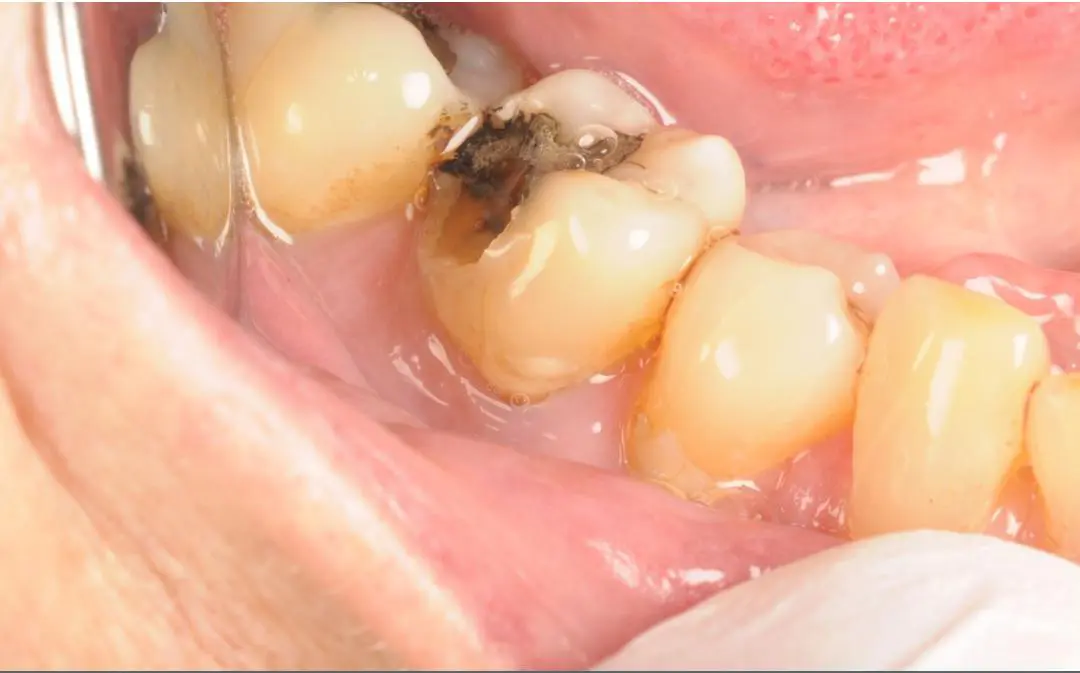
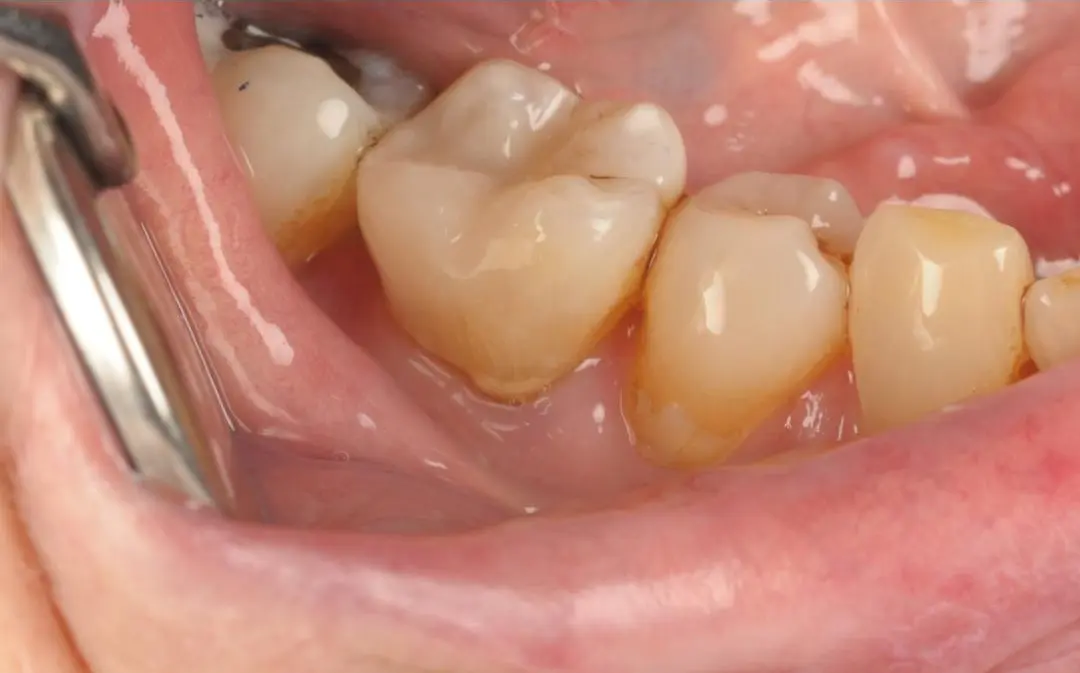
Real Patient Result: Emergency White Filling
Treatment by Dr Kamran
The Dental Science Behind Toothache
To understand why toothache occurs, it helps to know a little about tooth anatomy.
Each tooth has several layers. The outermost layer, enamel, is the hardest substance in the human body and serves as a protective shield. Beneath the enamel lies dentine, a slightly softer layer that contains microscopic tubules — tiny channels that connect to the nerve centre of the tooth.
At the core of each tooth is the dental pulp, a soft tissue containing blood vessels, connective tissue, and nerves. The pulp is what gives the tooth its sensation. When decay, a crack, or infection reaches the pulp or irritates the surrounding structures, the nerve responds with pain signals.
An abscess forms when bacteria penetrate deep into the tooth or gum tissue, and the body's immune response creates a pocket of pus as it attempts to fight the infection. This process generates pressure and inflammation, both of which contribute to the intense, throbbing pain associated with dental abscesses.
The periodontal ligament, which attaches the tooth root to the surrounding bone, can also become inflamed due to infection, trauma, or excessive biting force, resulting in pain when pressure is applied to the tooth.
Understanding these structures helps explain why toothache can vary so much in intensity and character — from a sharp, fleeting sting to a deep, constant ache.
Practical Home Care for Weekend Toothache
While home care is not a substitute for professional dental assessment, there are several steps that may help manage discomfort until you can be seen by a dentist.
Over-the-counter pain relief such as paracetamol or ibuprofen (taken according to packet instructions and provided there are no medical contraindications) may help reduce pain and inflammation. It is advisable not to place aspirin directly against the gum tissue, as this can cause a chemical burn.
Saltwater rinses — half a teaspoon of salt dissolved in a glass of warm water — can help cleanse the area around the affected tooth and may provide temporary soothing relief.
Cold compresses applied to the outside of the cheek in intervals of 15"–20 minutes may help reduce swelling and numb the area slightly.
Avoiding very hot, very cold, or sugary foods and drinks can help prevent further irritation to an already sensitive tooth.
Sleeping with an extra pillow to keep your head slightly elevated may reduce blood pressure to the affected area and help manage nighttime pain.
These measures are intended for short-term comfort. If pain is severe, persistent, or accompanied by swelling, fever, or difficulty swallowing, it is important to seek professional dental care promptly.
When Professional Dental Assessment May Be Needed
While mild, short-lived tooth sensitivity can sometimes settle on its own, there are certain signs that suggest a professional evaluation would be appropriate. Recognising these signs can help you make an informed decision about seeking weekend emergency dental care.
You may wish to consider contacting an emergency dentist if you experience:
- Persistent or worsening pain that does not respond to over-the-counter pain relief
- Swelling in the face, jaw, or gum area around a tooth
- A raised temperature or fever, which may indicate an active infection
- Difficulty opening the mouth, swallowing, or breathing, which requires urgent attention
- A broken or knocked-out tooth following an accident or injury
- Bleeding from the mouth that does not stop with gentle pressure
- Pus or a foul taste in the mouth, which may suggest an abscess is draining
These symptoms do not necessarily indicate a serious emergency in every case, but they do warrant clinical examination so that the cause can be identified and managed appropriately. Early assessment may help identify issues sooner, which can support more straightforward treatment planning in many cases.
If you are experiencing a dental emergency, our emergency dentist services are designed to provide prompt assessment and pain relief.
Please note: Emergency appointment fees may vary. A full treatment plan with associated costs will be provided following individual clinical assessment.
How Emergency Weekend Dental Services Work in London
London benefits from a range of dental practices that offer emergency appointments outside of standard hours, including Saturdays and Sundays. Understanding how these services typically work can help you prepare if you need to access care.
Same-day appointments are often available for patients experiencing acute pain, swelling, or trauma. When you contact an emergency dental service, you will usually be asked to describe your symptoms so that the team can assess urgency and schedule your appointment accordingly.
During the emergency consultation, the dentist will carry out a clinical examination, which may include dental X-rays, to identify the cause of your pain. Based on their findings, they will discuss the most appropriate course of action.
Initial treatment at a weekend appointment typically focuses on relieving pain and stabilising the condition. This may include draining an abscess, placing a temporary restoration, prescribing antibiotics if a bacterial infection is present, or providing advice on managing the condition until a comprehensive treatment plan can be arranged.
It is worth noting that emergency weekend appointments are designed to address the immediate concern. More complex or definitive treatments — such as root canal treatment or crown placement — are usually planned as follow-up procedures during regular appointment times, once the acute phase has been resolved.
Prevention and Oral Health Advice to Reduce Toothache Risk
While not all dental emergencies can be prevented, maintaining good oral health habits can significantly reduce the likelihood of unexpected toothache.
Brush twice daily with a fluoride toothpaste for at least two minutes each time. Use a soft-bristled toothbrush and pay attention to all surfaces of the teeth, including the gum line.
Clean between your teeth daily using interdental brushes or floss. Bacteria and food debris that accumulate between teeth are a leading cause of decay and gum disease.
Attend regular dental check-ups, ideally every six to twelve months or as recommended by your dentist. Routine examinations can detect early signs of decay, cracks, or gum problems before they develop into painful conditions. You can learn more about our general dental check-up services to stay on top of your oral health.
Limit sugary and acidic foods and drinks, particularly between meals. Frequent sugar exposure gives harmful bacteria more opportunities to produce the acids that damage tooth enamel.
Wear a mouthguard if you play contact sports, and consider a nightguard if you are aware of teeth grinding or clenching habits, as these can contribute to cracks and fractures over time.
Do not ignore minor symptoms. A small twinge of sensitivity or a rough edge on a tooth may seem insignificant, but addressing these early can often prevent a more significant problem from developing.
Key Points to Remember
- Weekend toothache is common and can often be managed initially with simple home care measures while you arrange professional assessment.
- Several conditions can cause toothache, including decay, infection, cracked teeth, and gum disease — a clinical examination is needed to identify the specific cause.
- Persistent pain, swelling, fever, or difficulty swallowing are signs that prompt dental evaluation is advisable.
- Emergency dental services in London offer same-day weekend appointments focused on pain relief and stabilisation.
- Good oral hygiene and regular dental visits are among the most effective ways to reduce your risk of dental emergencies.
- Treatment suitability varies from person to person and should always be determined through individual clinical assessment.
Frequently Asked Questions
Can a toothache go away on its own over the weekend?
Mild tooth sensitivity may sometimes settle temporarily, particularly if it was triggered by a brief stimulus such as a cold drink. However, toothache caused by decay, infection, or a crack in the tooth is unlikely to resolve without professional treatment. The pain may fluctuate in intensity, but the underlying cause typically remains. If discomfort persists for more than a day or two, or if it worsens, seeking a dental assessment is advisable. A dentist can identify the source of the problem and recommend appropriate management.
Should I go to A&E for a toothache at the weekend?
Hospital accident and emergency departments are generally not equipped to provide dental treatment. They can assist in cases involving significant facial trauma, uncontrolled bleeding, or severe swelling that affects breathing or swallowing. For most toothaches, including those involving abscesses and broken teeth, an emergency dental service is more appropriate. Emergency dentists have the specialist equipment and clinical expertise to examine, diagnose, and treat dental conditions effectively. Contacting a weekend emergency dental practice is usually the most efficient route to relief.
How can I manage toothache pain until I can see a dentist?
Over-the-counter pain relief such as paracetamol or ibuprofen, taken as directed, can help manage discomfort. Rinsing gently with warm salt water may soothe the area, and applying a cold compress to the outside of the cheek can help reduce swelling. Avoid very hot, cold, or sugary foods and drinks, and try to chew on the opposite side of the mouth. Sleeping with your head slightly elevated can also help. These are temporary measures, and professional assessment remains important to address the underlying cause.
What happens during a weekend emergency dental appointment?
During a weekend emergency dental appointment, the dentist will first ask about your symptoms and medical history. They will then carry out a clinical examination of the affected area, which may include dental X-rays to assess the tooth and surrounding bone. Based on their findings, the dentist will explain the likely cause and discuss immediate treatment options. This might include pain management, draining an abscess, placing a temporary filling, or prescribing medication. A follow-up plan for any further treatment needed will also be outlined.
Is emergency weekend dental care more expensive than a regular appointment?
Fees for emergency dental appointments can vary between practices. Some clinics charge a specific emergency consultation fee, while others incorporate it into the overall treatment cost. It is always advisable to ask about fees when booking your appointment so that you know what to expect. Many patients find that the cost of timely emergency care is worthwhile for the relief it provides and the prevention of complications that could arise from delaying treatment. Your dental team should be transparent about all costs before any treatment begins.
How can I find a reliable emergency dentist in London at the weekend?
Look for dental practices that clearly state their weekend opening hours and emergency availability on their website. Check that the practice is registered with the Care Quality Commission (CQC) and that its dentists are registered with the General Dental Council (GDC). Patient reviews can also provide helpful insight into the quality of care. Having the contact details of a trusted emergency dental service saved in your phone before an emergency arises is a practical step that can save valuable time when you need care most.
Conclusion
Experiencing a toothache over the weekend can be uncomfortable and worrying, but understanding the possible causes, knowing how to manage symptoms at home, and being aware of the emergency dental services available across London can help you navigate the situation with greater confidence.
Emergency weekend toothache care in London is designed to provide prompt pain relief and clinical assessment when your regular dental practice is unavailable. Whether the cause is an abscess, a cracked tooth, advanced decay, or another dental condition, seeking timely professional advice helps ensure the best possible outcome for your oral health.
Prevention remains the most effective approach to reducing the risk of dental emergencies. Consistent oral hygiene, a balanced diet, and regular dental check-ups all play a vital role in keeping your teeth and gums healthy.
If you are currently experiencing dental pain or have concerns about a dental issue, we encourage you to contact a dental professional for guidance.
Dental symptoms and treatment options should always be assessed individually during a clinical examination.
Disclaimer
This article is for general educational purposes only and does not constitute professional dental advice, diagnosis, or treatment. Every patient's circumstances are unique; dental symptoms and treatment options should always be assessed during a clinical examination by a qualified dental professional. No specific outcomes are guaranteed. This content has been prepared in line with GDC, CQC, ASA CAP Code, and GMC communication standards. If you have concerns about your oral health, please contact a registered dentist.