
Many people wake up with a sore jaw, tender teeth, or a dull morning headache without knowing why. These experiences can be unsettling, particularly when there is no obvious explanation. For a significant number of adults, the cause may be related to teeth grinding — a habit that often occurs unconsciously during sleep or even during periods of concentration and stress throughout the day.
Teeth grinding, clinically referred to as bruxism, is a condition that may go unnoticed for months or even years. It is one of the reasons why many people search online for information about jaw pain, worn teeth, or unexplained dental sensitivity. Understanding how bruxism and teeth grinding habits may influence future dental health risks is an important first step in recognising whether a professional dental assessment may be helpful.
For practical background, you may also find this guide to grinding teeth at night and waking with jaw pain useful.
Experiencing these symptoms?
Delaying treatment can lead to tooth loss. We have slots available today.
This article explains the background of teeth grinding, the potential effects on oral health over time, and practical preventative information for adults in London and beyond.
What Is the Connection Between Teeth Grinding and Future Dental Health Risks?
Yes. Teeth grinding (bruxism) is a habitual behaviour that may, over time, contribute to enamel wear, increased tooth sensitivity, jaw discomfort, and structural changes to the teeth. Recognising the early signs of bruxism and seeking professional dental advice may help support better long-term oral health outcomes.
What Is Teeth Grinding (Bruxism) and Why Does It Happen?
Teeth grinding, or bruxism, refers to the repetitive clenching, gnashing, or grinding of the teeth. It is broadly categorised into two types: sleep bruxism, which occurs during sleep, and awake bruxism, which happens during waking hours, often without the person being fully aware of it.
Meet Dr. Yasha Shirazi
Principal Dentist at Emergency Dentist London
"We treat hundreds of dental emergencies every month. The sooner you come in, the easier the fix usually is."
Book an appointment with our team →The exact causes of bruxism are not fully understood, but several contributing factors have been identified in dental and medical literature. These include psychological stress, anxiety, disrupted sleep patterns, certain lifestyle habits, and in some cases, dental factors such as bite alignment. There is also research suggesting potential links between bruxism and conditions such as sleep apnoea, though clinical assessment is always necessary to understand individual circumstances.
Bruxism can affect adults of all ages. It is not always associated with obvious symptoms in the early stages, which means some people may be unaware they grind their teeth until a dentist identifies signs during a routine examination. Understanding what drives this habit is a useful starting point in addressing the potential dental health implications it may carry over time.
How Teeth Grinding May Influence Dental Health Over Time
The relationship between teeth grinding habits and future dental health risks is an important one to understand. While a single episode of grinding is unlikely to cause significant damage, habitual or persistent grinding may gradually affect the teeth, jaw, and surrounding structures.
Over time, the repeated friction caused by grinding may contribute to the progressive wear of tooth enamel — the hard, protective outer layer of each tooth. As enamel is gradually worn down, teeth may become more vulnerable to sensitivity, particularly in response to hot, cold, or sweet foods and drinks. In some cases, flattened or chipped tooth surfaces may become more noticeable.
There may also be associated effects on the jaw joints and the muscles around them. Some individuals report jaw stiffness, discomfort when chewing, or a clicking sensation in the jaw — symptoms that may be related to temporomandibular joint (TMJ) involvement, though these require professional assessment to understand properly.
It is important to note that not everyone who grinds their teeth will experience the same degree of dental change. Individual factors such as the frequency and intensity of grinding, the person's dental structure, and their overall oral health all play a role in how teeth grinding may affect them specifically.
The Dental Science Behind Enamel Wear and Structural Tooth Changes
To understand why teeth grinding may influence future dental health risks, it helps to consider how tooth anatomy relates to this habit.
Each tooth is composed of several layers. The outermost layer — enamel — is the hardest substance in the human body. However, despite its strength, enamel is not regenerative. Once it is worn away, it does not naturally repair or grow back. This is one of the key reasons why habitual grinding is of clinical interest to dental professionals.
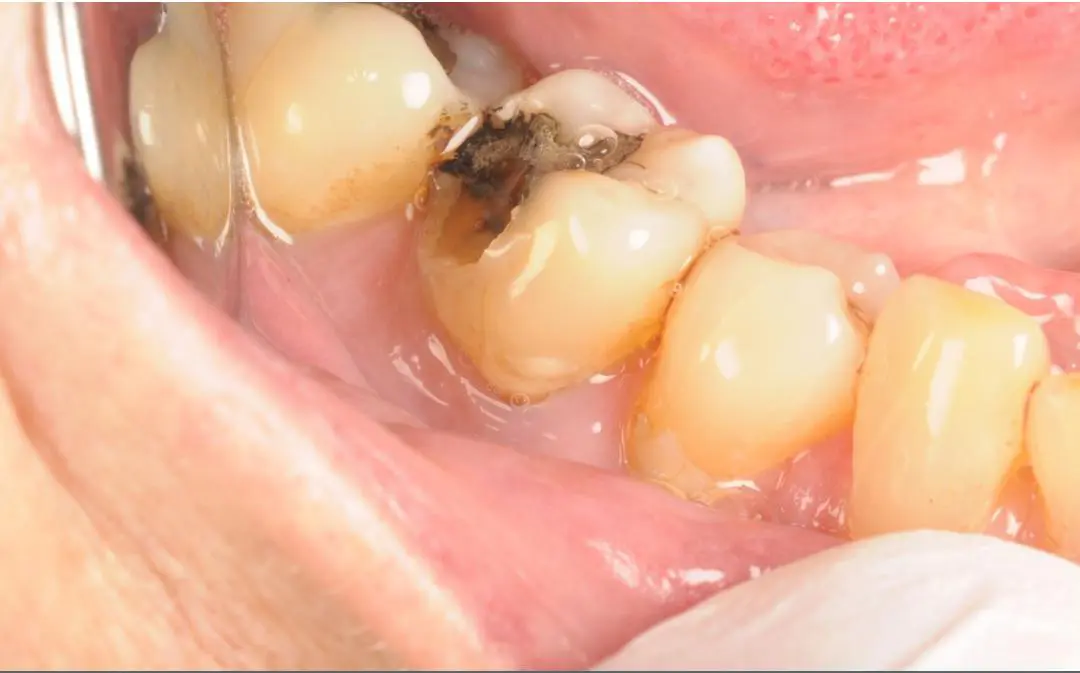
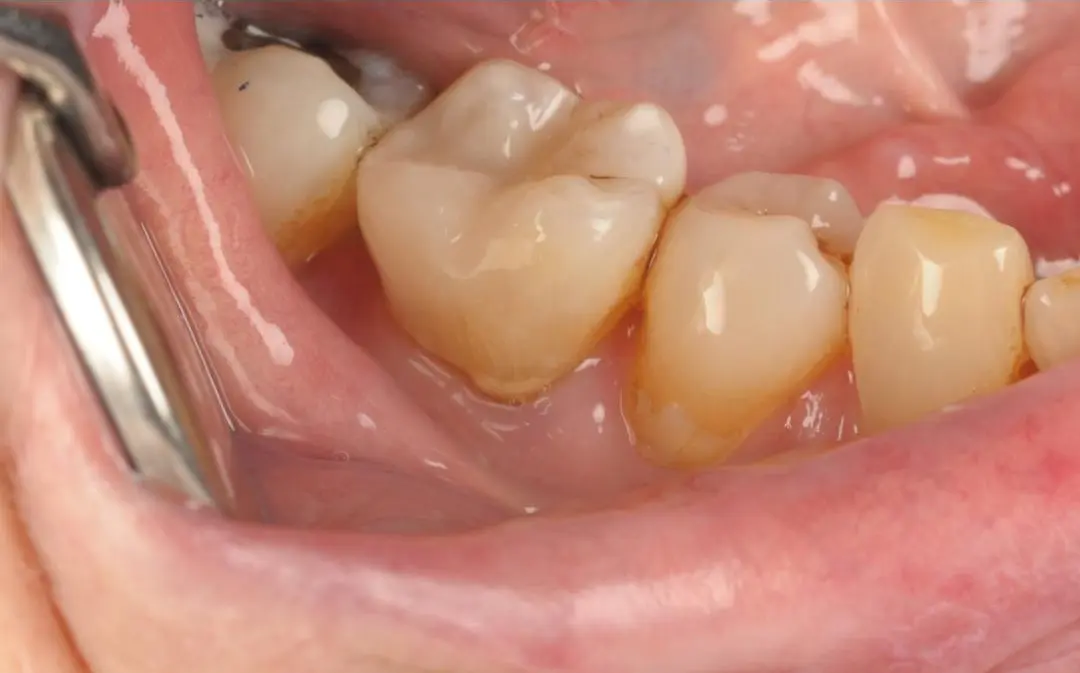
Real Patient Result: Emergency White Filling
Treatment by Dr Kamran
When teeth grind against each other repeatedly, the occlusal surfaces (the biting and chewing surfaces) experience a level of friction that normal eating and chewing does not typically produce. Over an extended period, this can lead to a reduction in enamel thickness, which may expose the underlying dentine — a softer, more porous layer of the tooth that contains microscopic channels leading to the tooth's nerve.
Exposed dentine is commonly associated with increased tooth sensitivity. The loss of enamel volume may also alter the shape of the teeth, affecting how the upper and lower teeth meet — known as the bite or occlusion. These structural changes may have implications for how the teeth function and may, in some circumstances, place additional mechanical strain on other teeth or jaw structures. A dentist is best placed to assess the extent of any changes during a clinical examination.
Recognising the Potential Signs Associated With Bruxism
Because teeth grinding often occurs during sleep, many people do not realise they are doing it. However, there are several signs and symptoms that may prompt someone to consider whether teeth grinding could be a factor in their dental experience.
Signs that may be associated with bruxism include:
- Waking up with a sore or stiff jaw
- Dull headaches, particularly in the temples, upon waking
- Increased tooth sensitivity, especially to temperature changes
- Teeth that appear flattened, chipped, or more worn than expected, sometimes requiring broken tooth repair assessment
- Disrupted sleep patterns
- A partner noticing a grinding sound during sleep
- Discomfort or tightness in the facial muscles
- Sensitivity or tenderness in the jaw when eating
It is worth noting that many of these signs may also be associated with other dental or health conditions. This is why they should always be discussed with a dental professional rather than self-diagnosed. A thorough clinical assessment is the appropriate way to explore whether these experiences may be related to bruxism or another oral health factor.
If you are concerned about jaw discomfort or dental sensitivity that you haven't been able to explain, booking an emergency dental appointment in London can provide the opportunity to have your concerns assessed by a qualified professional.
When Professional Dental Assessment May Be Appropriate
There are several situations where it may be appropriate to seek professional dental advice if you are concerned about possible teeth grinding or its effects on your oral health.
You may wish to arrange a dental assessment if you experience:
- Ongoing or worsening jaw pain or stiffness
- Noticeable changes in tooth shape, such as flattening or chipping
- Increased sensitivity in your teeth that has developed without an obvious cause
- Discomfort in the jaw joint, particularly when opening or closing your mouth
- Persistent morning headaches or facial muscle tension
- Sleep disturbance that could be related to grinding behaviour
These symptoms do not necessarily confirm bruxism, and a dentist will consider various factors before forming a professional view. Early professional input can help clarify whether any observed dental changes may be related to grinding, and what, if any, approaches may be appropriate based on individual clinical circumstances.
It is also worth attending regular routine dental check-ups, as a dentist may identify early signs of tooth wear during an examination before symptoms become more noticeable. Preventative monitoring is an important aspect of long-term dental care.
Watching and Learning: Emergency Dental Care in London
If you are experiencing dental discomfort and are unsure whether it requires urgent attention, the following resource may help you understand your options for same-day dental appointments in London:
Treatment Approaches That a Dentist May Discuss
Treatment suitability for bruxism is always determined by individual clinical assessment. A dentist may recommend different approaches depending on the nature and extent of the issue.
One commonly discussed approach is the use of a custom-fitted occlusal splint or night guard — a dental appliance worn over the teeth during sleep. These devices are designed to provide a protective barrier between the upper and lower teeth, which may help reduce the impact of grinding on the tooth surfaces. They do not stop the grinding habit itself, but may limit its mechanical effects on the teeth.
Where tooth wear has already affected the structure or sensitivity of teeth, a dentist may discuss restorative options. The appropriateness of any restorative treatment will depend on the extent of damage identified during examination.
Some dental approaches to bruxism may also involve exploring possible contributing factors, such as bite alignment or stress-related habits. A dentist may refer patients to other healthcare professionals where this seems clinically appropriate.
It is important to approach any treatment options with realistic expectations. Outcomes are individual and cannot be guaranteed. Your dentist will explain what may be possible based on your specific oral health situation. You can learn more about protecting your teeth with night guards for bruxism by exploring related clinical guidance.
Prevention and Oral Health Advice for Those Concerned About Grinding Habits
While it is not always possible to eliminate teeth grinding entirely, there are practical steps that may support better oral health and help reduce some of the associated factors.
Stress awareness and management: Since stress and anxiety are commonly associated with bruxism, developing habits that support general wellbeing — such as regular physical activity, mindfulness practices, and adequate sleep — may be helpful for some individuals. These are not dental treatments, but they may form part of a broader health-conscious approach.
Sleep hygiene: Establishing consistent, restful sleep patterns may be beneficial, particularly for those with sleep bruxism. Avoiding stimulants close to bedtime and maintaining a calm pre-sleep routine are general recommendations.
Jaw awareness during the day: For those with awake bruxism, developing an awareness of jaw position and tension during the day may help reduce habitual clenching. Keeping the teeth slightly apart when not eating or speaking is generally the natural resting position for the jaw.
Regular dental check-ups: Attending routine dental appointments allows a dentist to monitor tooth surfaces over time. Early identification of wear patterns means that options may be explored before significant changes occur.
Avoiding hard or chewy foods when the jaw is tender: If jaw discomfort is present, temporarily adjusting dietary habits may help reduce additional mechanical strain on the jaw muscles and joints.
For those who have questions about ongoing dental sensitivity that may be related to grinding, learning more about tooth sensitivity and its causes can be a helpful first step in understanding your options.
Key Points to Remember
- Teeth grinding (bruxism) is a habitual behaviour that may occur during sleep or waking hours, often without full awareness.
- Long-term habitual grinding may contribute to enamel wear, increased tooth sensitivity, and changes in tooth structure — though the extent varies between individuals.
- Enamel does not regenerate, which is why progressive wear over time may have cumulative effects on dental health.
- Several signs — including jaw stiffness, tooth sensitivity, and changes in tooth shape — may be associated with bruxism and are worth discussing with a dental professional.
- Treatment options such as custom occlusal splints may help protect teeth during sleep, and their suitability should be assessed clinically.
- Regular dental check-ups play an important role in identifying early signs of tooth wear, enabling appropriate monitoring and professional guidance.
Frequently Asked Questions
Is teeth grinding harmful if it only happens occasionally?
Occasional teeth grinding, such as during a particularly stressful period, is unlikely to cause significant dental damage in most cases. However, habitual or persistent grinding over an extended period is more likely to be associated with progressive enamel wear and other dental changes. If you are unsure whether your grinding is occasional or more frequent, a dentist can help you assess any visible signs of wear during a routine examination. Regular monitoring is always advisable if grinding is suspected.
Can children grind their teeth, and is it different from adult bruxism?
Yes, teeth grinding can occur in children, particularly during periods of teething or when a child's bite is developing. In many cases, childhood bruxism resolves as the adult teeth come through. However, it is still worth mentioning to a dentist during check-up appointments so that the situation can be monitored appropriately. Adult bruxism, by contrast, may be more persistent and is more commonly associated with stress-related or sleep-related factors. A dentist can advise on what is appropriate for each individual's circumstances.
How does a dentist identify signs of teeth grinding?
During a routine dental examination, a dentist will typically examine the surfaces of the teeth for signs of unusual wear patterns, flattening, or chipping. They may also assess the condition of the enamel, evaluate the jaw muscles for tenderness, and consider the overall bite relationship. In some cases, a dentist may ask about symptoms such as jaw stiffness or morning headaches. It is not always possible to confirm bruxism from a single examination, but the clinical assessment provides important information.
Will a night guard stop me from grinding my teeth?
A custom-fitted night guard (occlusal splint) is designed to protect the tooth surfaces by providing a barrier between the upper and lower teeth during sleep. It does not prevent the grinding behaviour itself, but may help reduce the mechanical impact of grinding on the enamel. Night guards need to be professionally fitted to be effective and comfortable. Over-the-counter alternatives are available but may not provide the same level of precision or comfort as a custom-made appliance. Speak with your dentist about which option may be appropriate for you.
Can stress really cause teeth grinding?
Psychological stress and anxiety are among the factors commonly associated with bruxism in dental literature, though the relationship is not always straightforward. Not everyone who experiences high stress will grind their teeth, and not everyone who grinds their teeth does so purely because of stress. The causes of bruxism are likely to be multifactorial. Where stress is identified as a possible contributing factor, addressing overall wellbeing as part of a broader approach may be beneficial, alongside any dental management discussed with a clinician.
When should I see a dentist about possible teeth grinding?
If you notice any of the following, it may be worth arranging a dental assessment: persistent jaw pain or stiffness, increased tooth sensitivity, visible changes in tooth shape, disrupted sleep, or a partner noticing grinding sounds at night. You do not need to wait until symptoms become significant. A dentist can assess the situation and provide guidance appropriate to your individual circumstances. Routine check-up appointments also provide an opportunity for early identification of any wear-related changes.
Conclusion
Understanding how grinding habits may influence future dental health risks is a valuable piece of knowledge for anyone who experiences jaw discomfort, tooth sensitivity, or unexplained dental changes. Bruxism is a condition that often progresses quietly, which is why awareness, early identification, and professional assessment are so important.
Teeth grinding may, over time, contribute to the wear of protective enamel, changes in tooth structure, and associated discomfort — though the nature and extent of any effects will vary between individuals. There are practical steps that may support oral health, and a range of management options may be available depending on clinical assessment.
If you have concerns about possible teeth grinding or its effects on your teeth and jaw, speaking with a dental professional is the most appropriate course of action. A clinical examination allows for a proper assessment of your individual oral health situation and helps ensure that any guidance or management approaches are tailored appropriately to your needs.
Dental symptoms and treatment options should always be assessed individually during a clinical examination.
Disclaimer
This article is for general educational information only and does not constitute dental or medical advice.
It does not replace a face-to-face assessment by a GDC-registered clinician.
Treatment suitability and outcomes vary by individual and can only be confirmed after clinical examination.
This content is prepared in line with GDC, CQC, and ASA CAP communication principles.